Herbststraße — History & Analysis
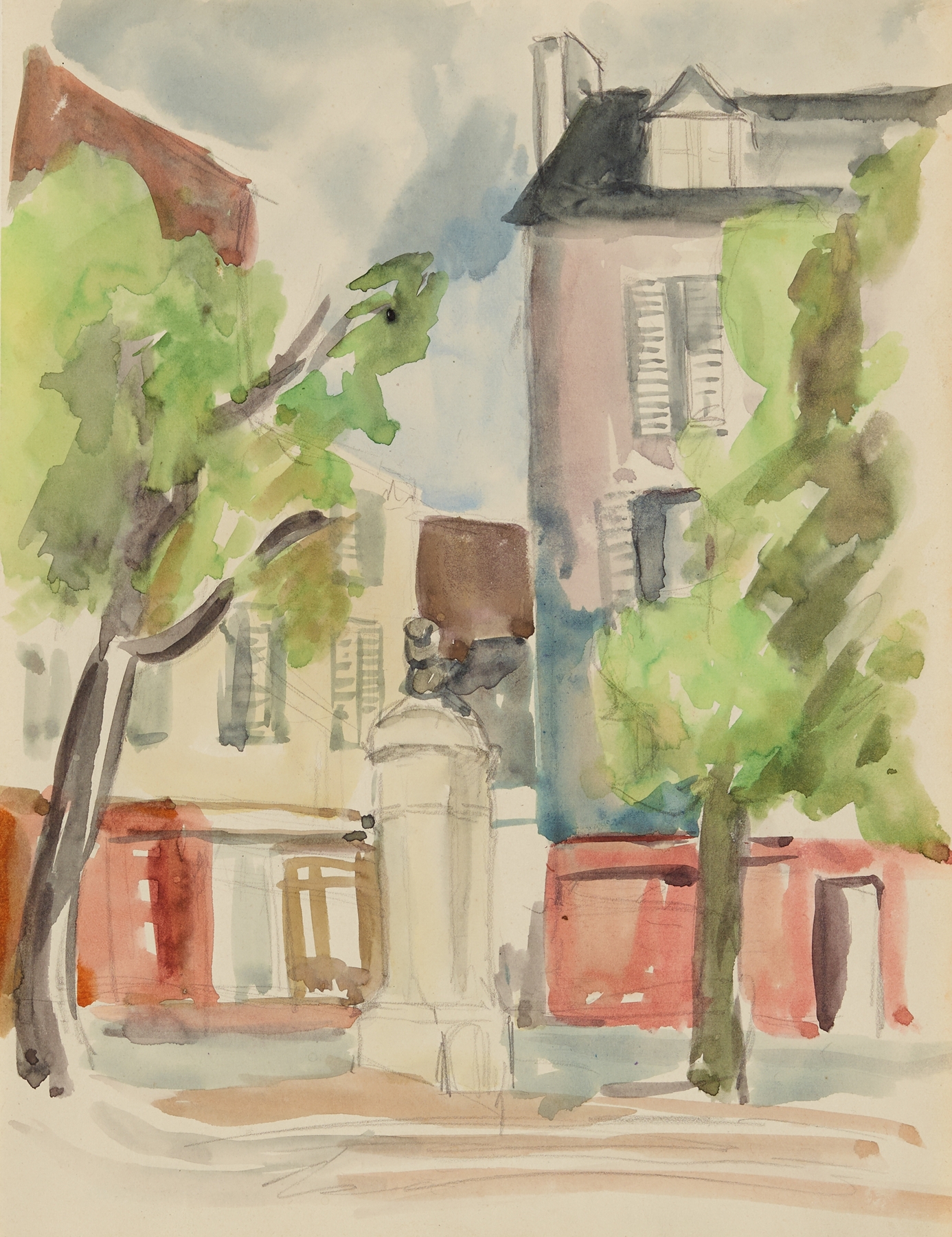
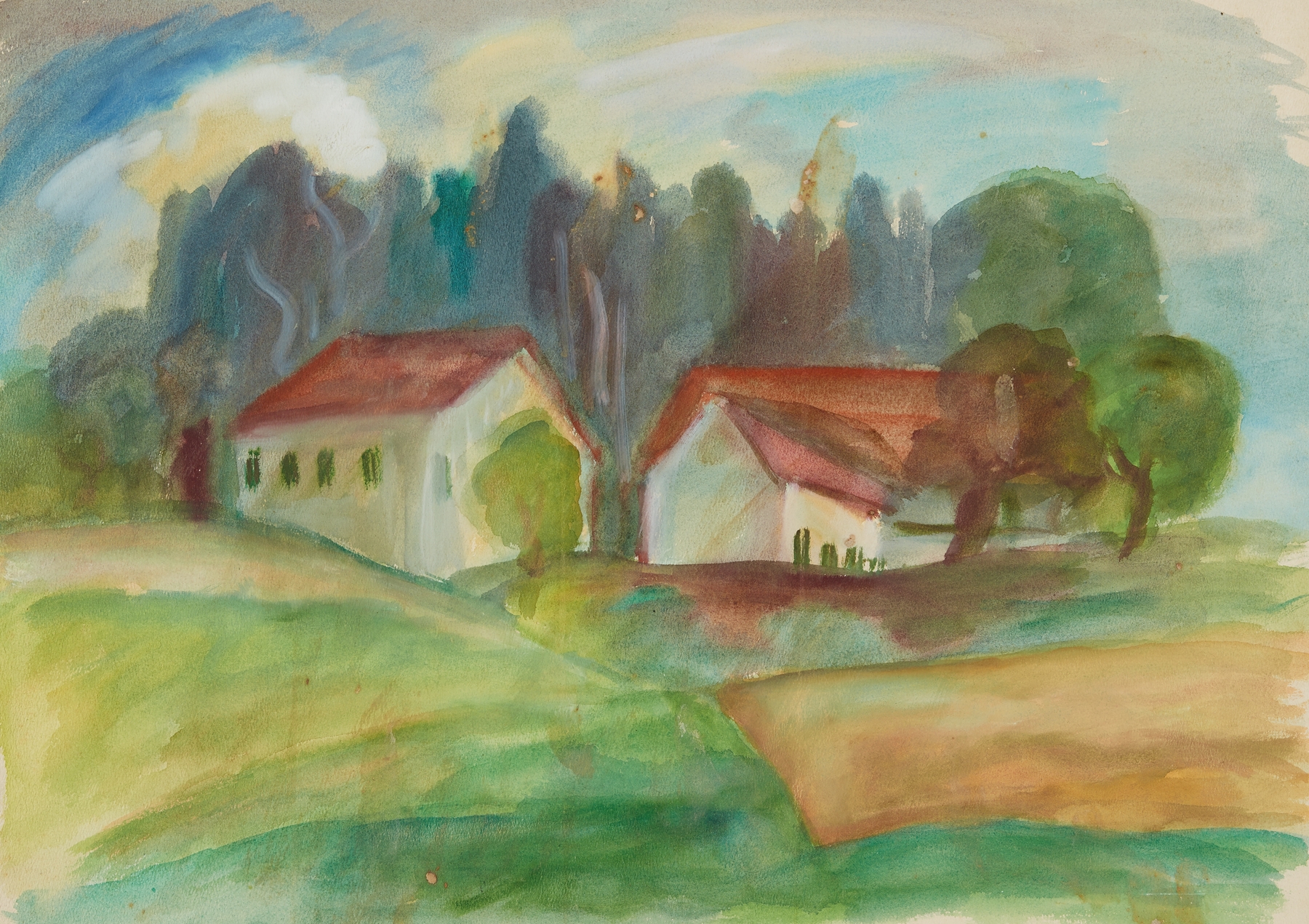
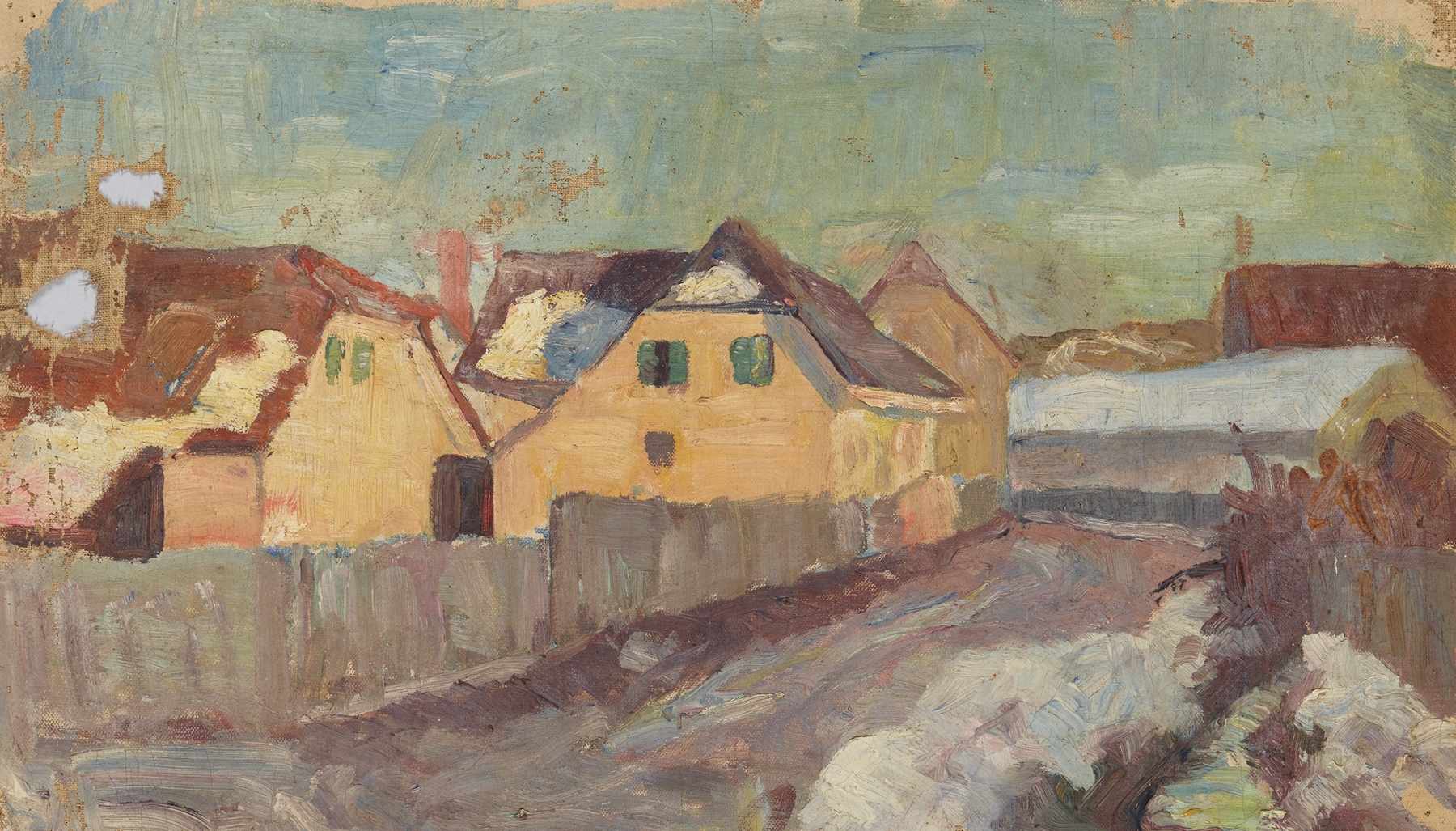
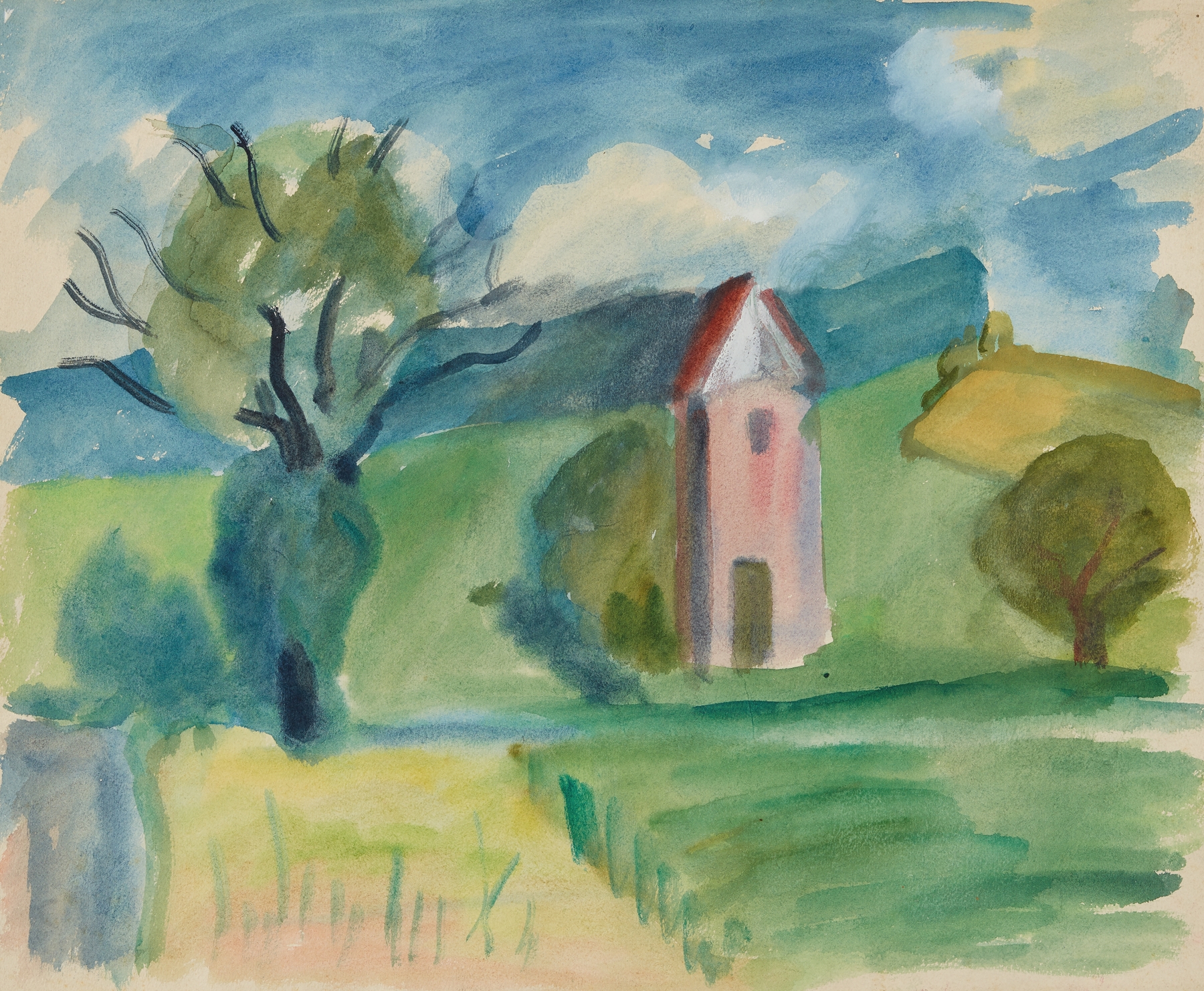
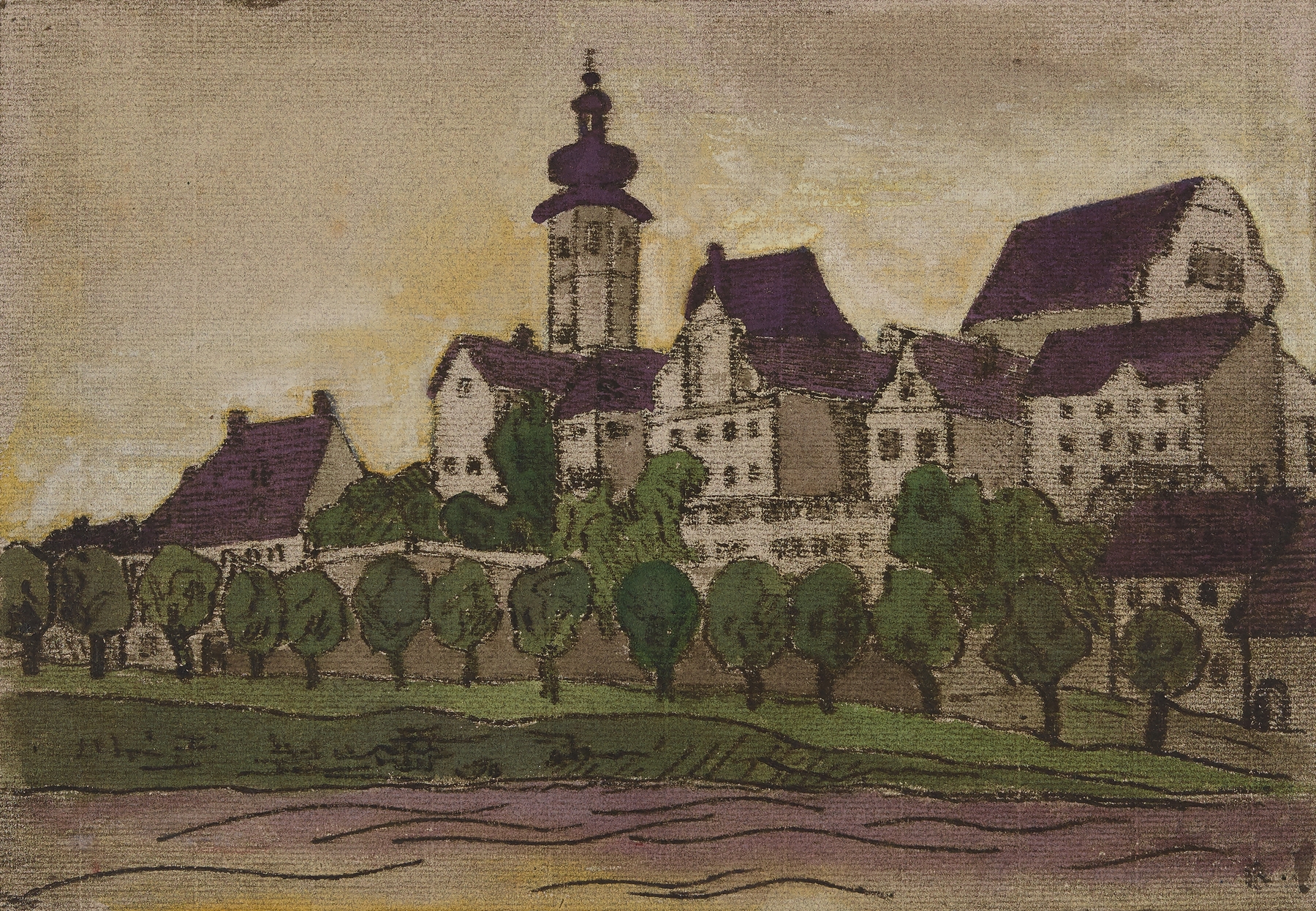
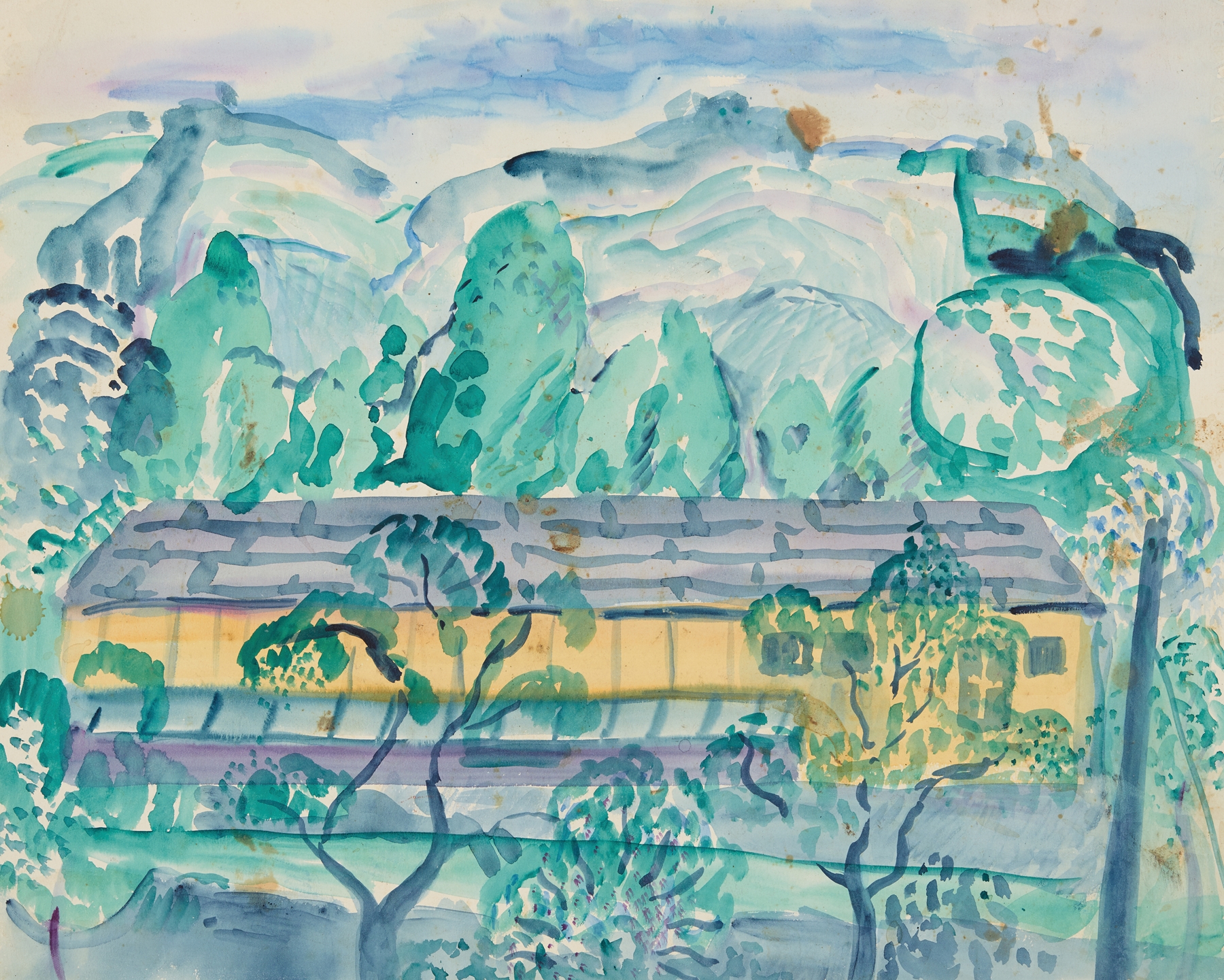
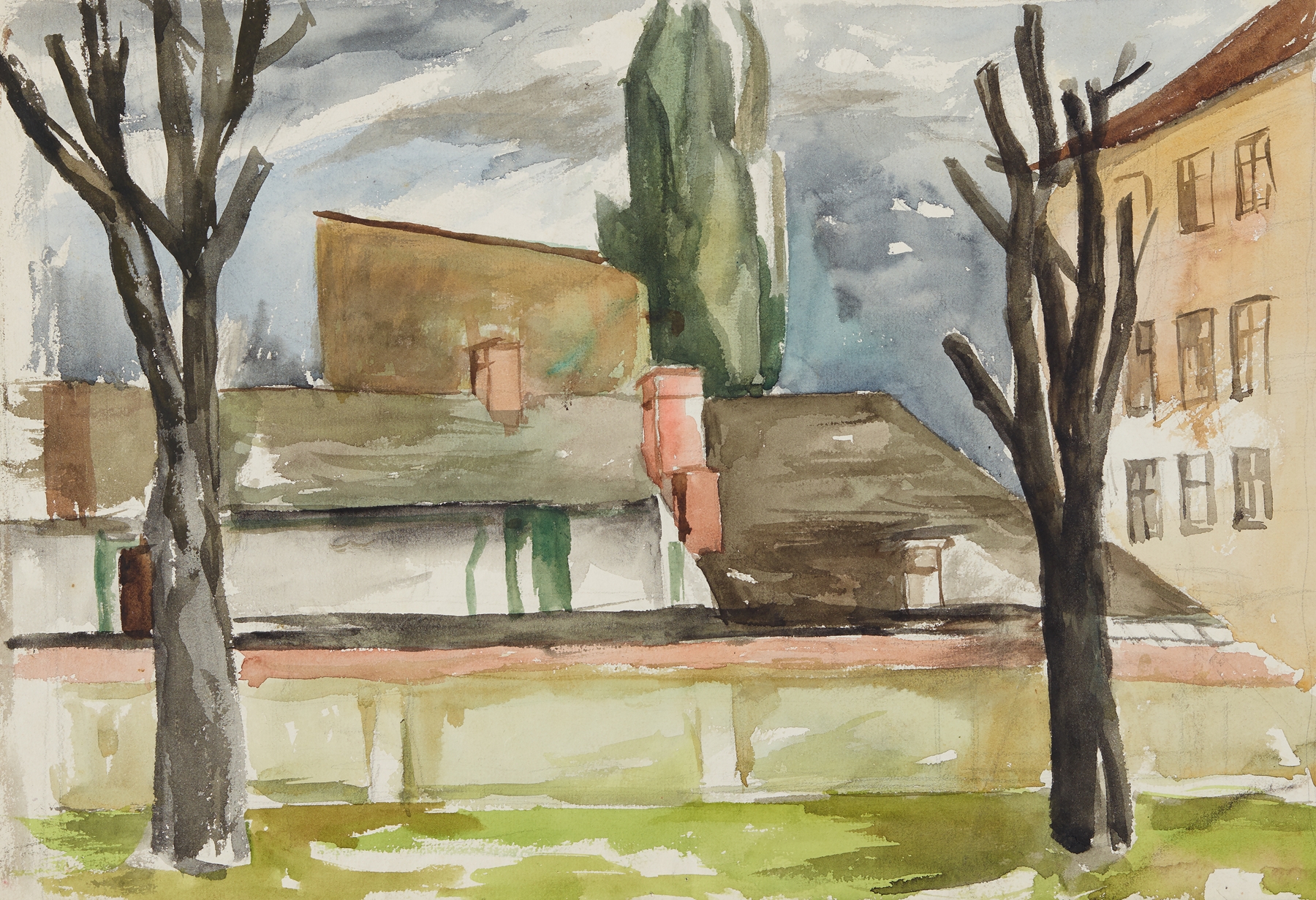
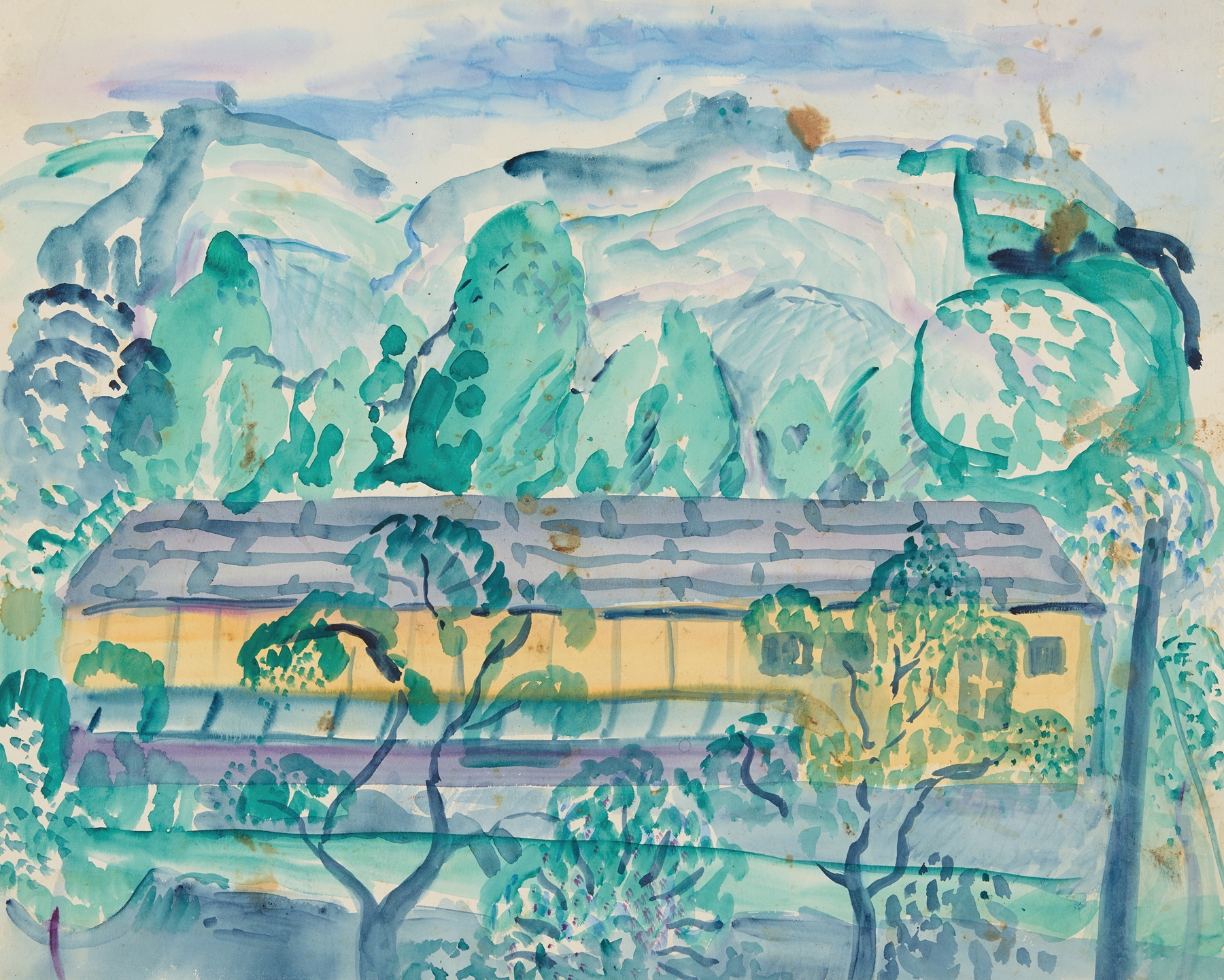
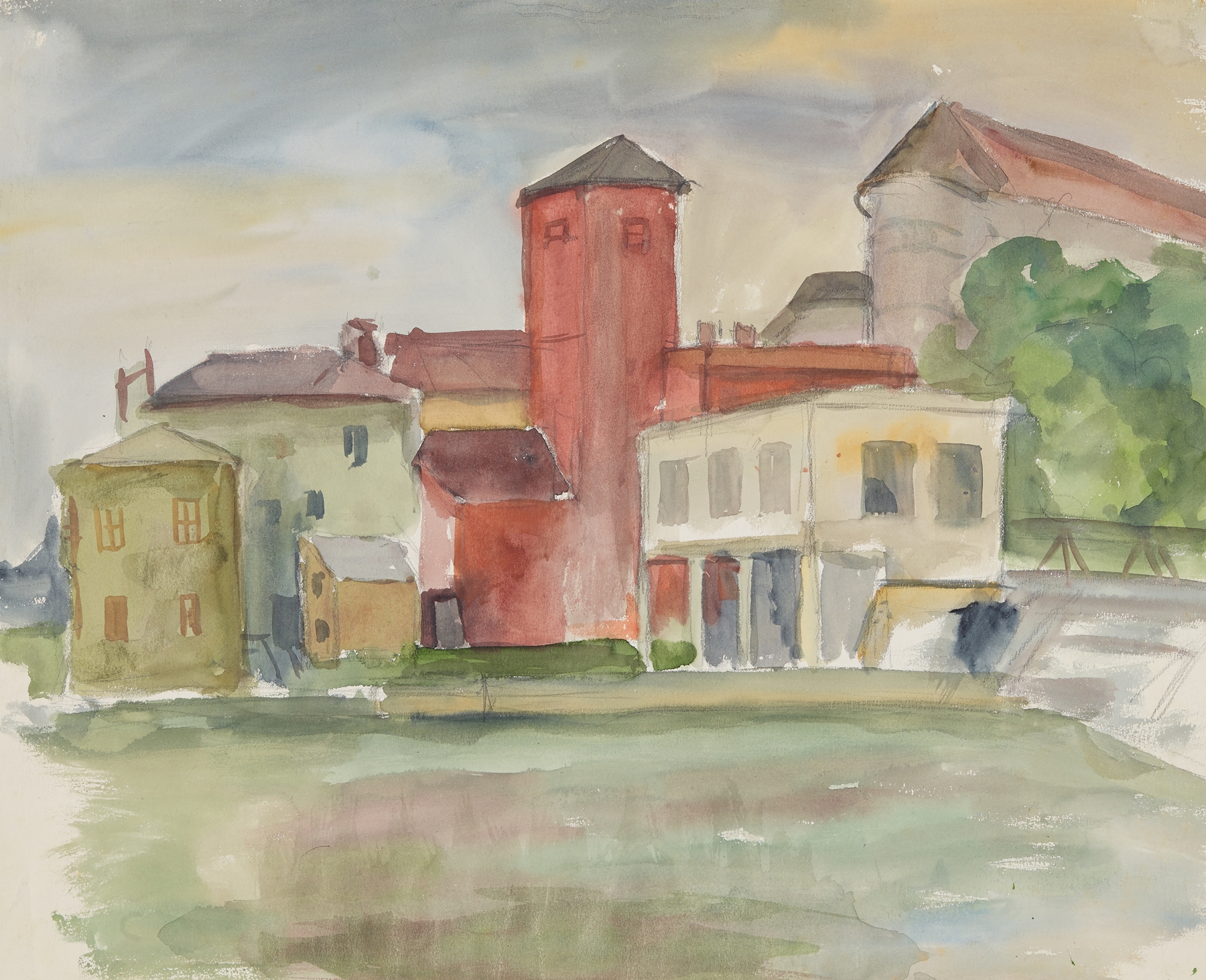
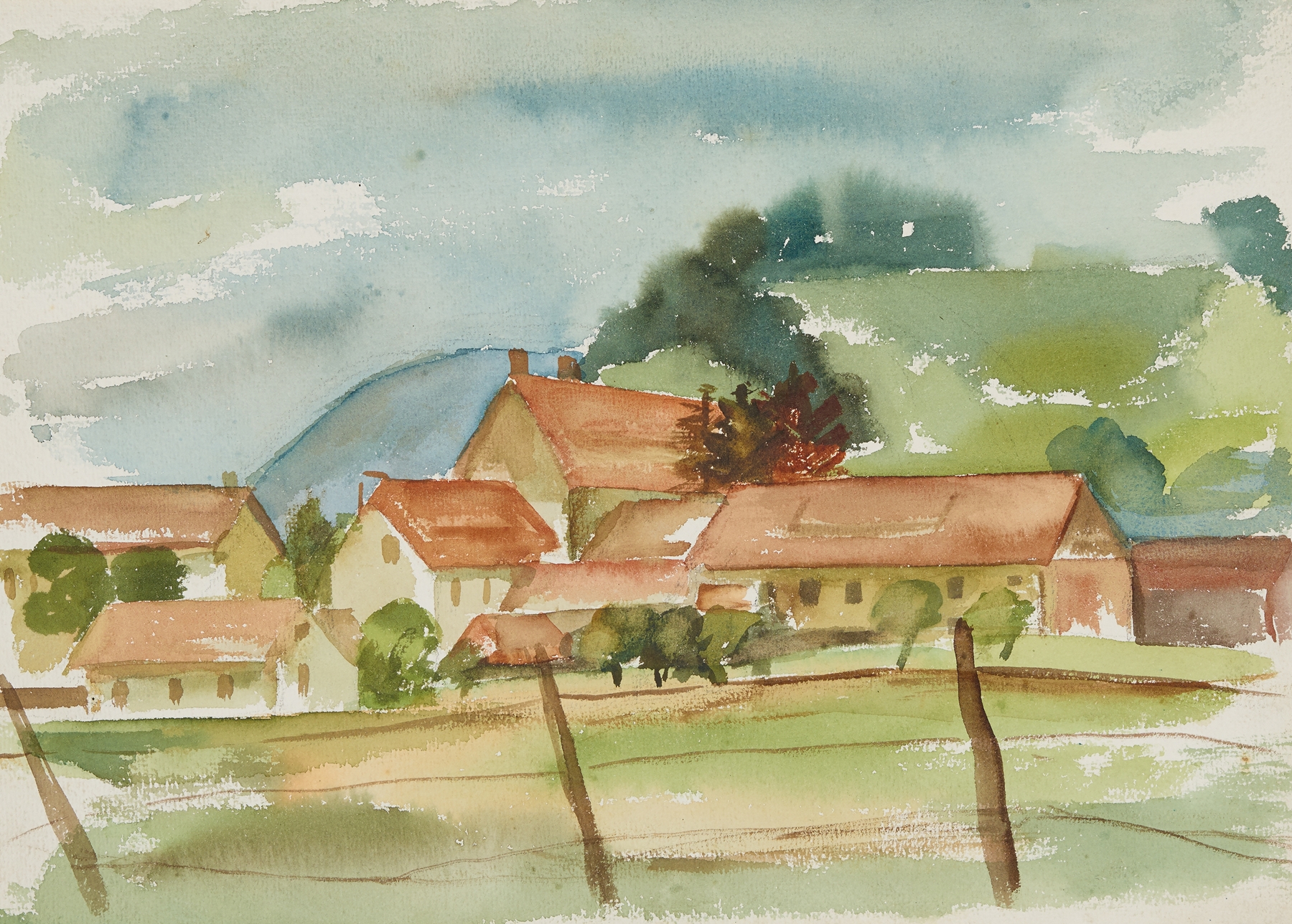
Can beauty exist without sorrow? In the quiet moments of reflection, this question lingers like a haunting melody, inviting us to explore the depths of longing and loss. Look closely at the swirling strokes of color, particularly in the lower left corner, where vibrant autumn leaves unfurl in shades of amber and crimson. The artist’s delicate brushwork evokes a sense of movement, as if the wind is gently coaxing them from the branches.
Notice how these warm hues contrast sharply with the cool, muted tones of the distant landscape, drawing attention to both the richness of the individual elements and the overarching melancholy that permeates the piece. Beneath the surface lies a poignant interplay between hope and nostalgia. The vivid leaves, representative of fleeting beauty, suggest a bittersweet farewell to the warmth of life, while the cool backdrop evokes a sense of isolation. This tension speaks to the universal experience of yearning for moments that have slipped away, inviting the viewer to confront their own memories of joy intertwined with sadness.
Anny Dollschein created this evocative work after 1938, during a tumultuous period marked by personal upheaval and societal change. Living in a world grappling with the aftermath of war and the rise of new artistic movements, she sought to capture the complexity of human emotion. Her poignant exploration of longing through color and form resonates with those who face the bittersweet nature of existence itself, creating a timeless connection that transcends the years.