High Point; Shandaken Mountains — History & Analysis
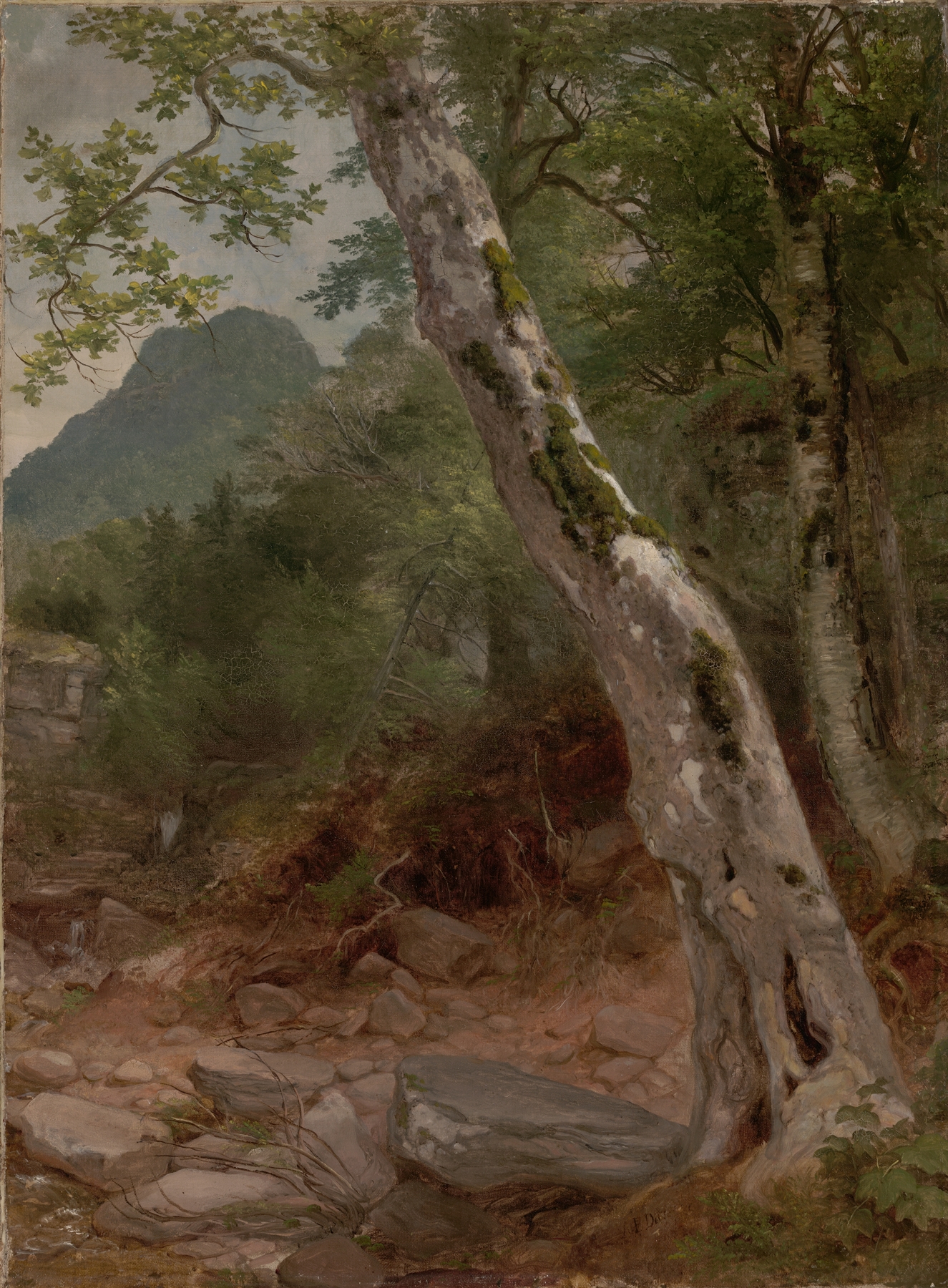
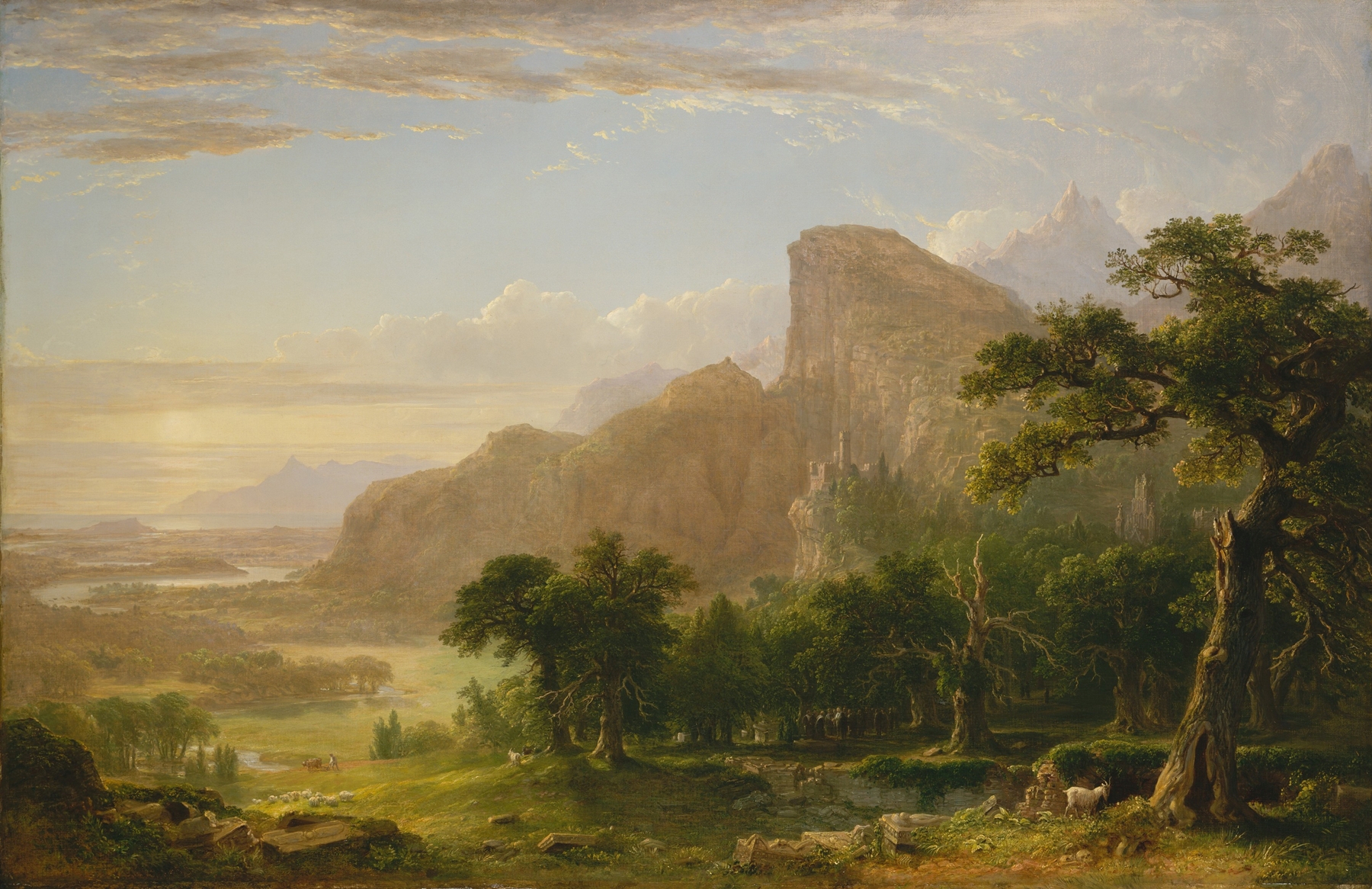
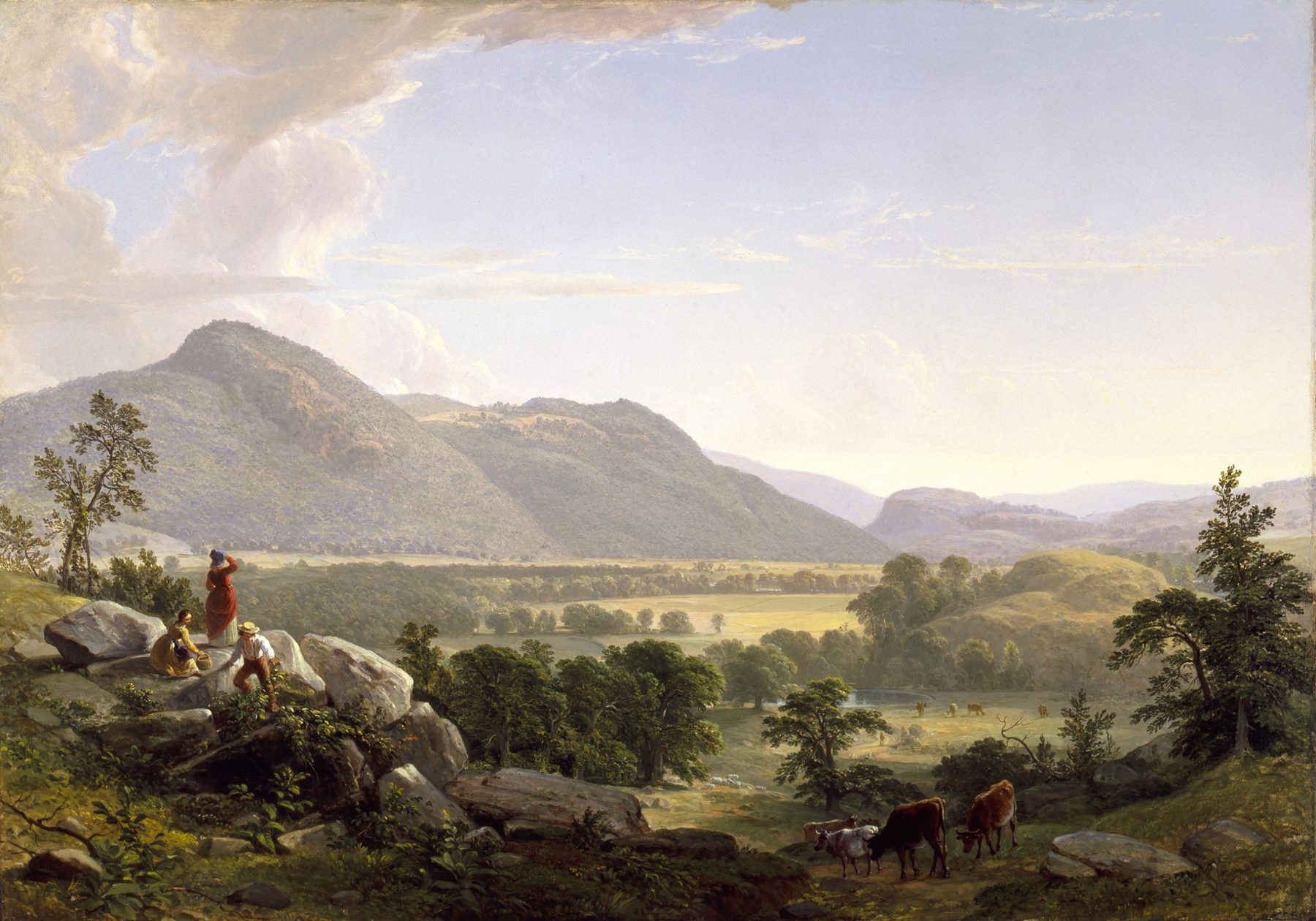
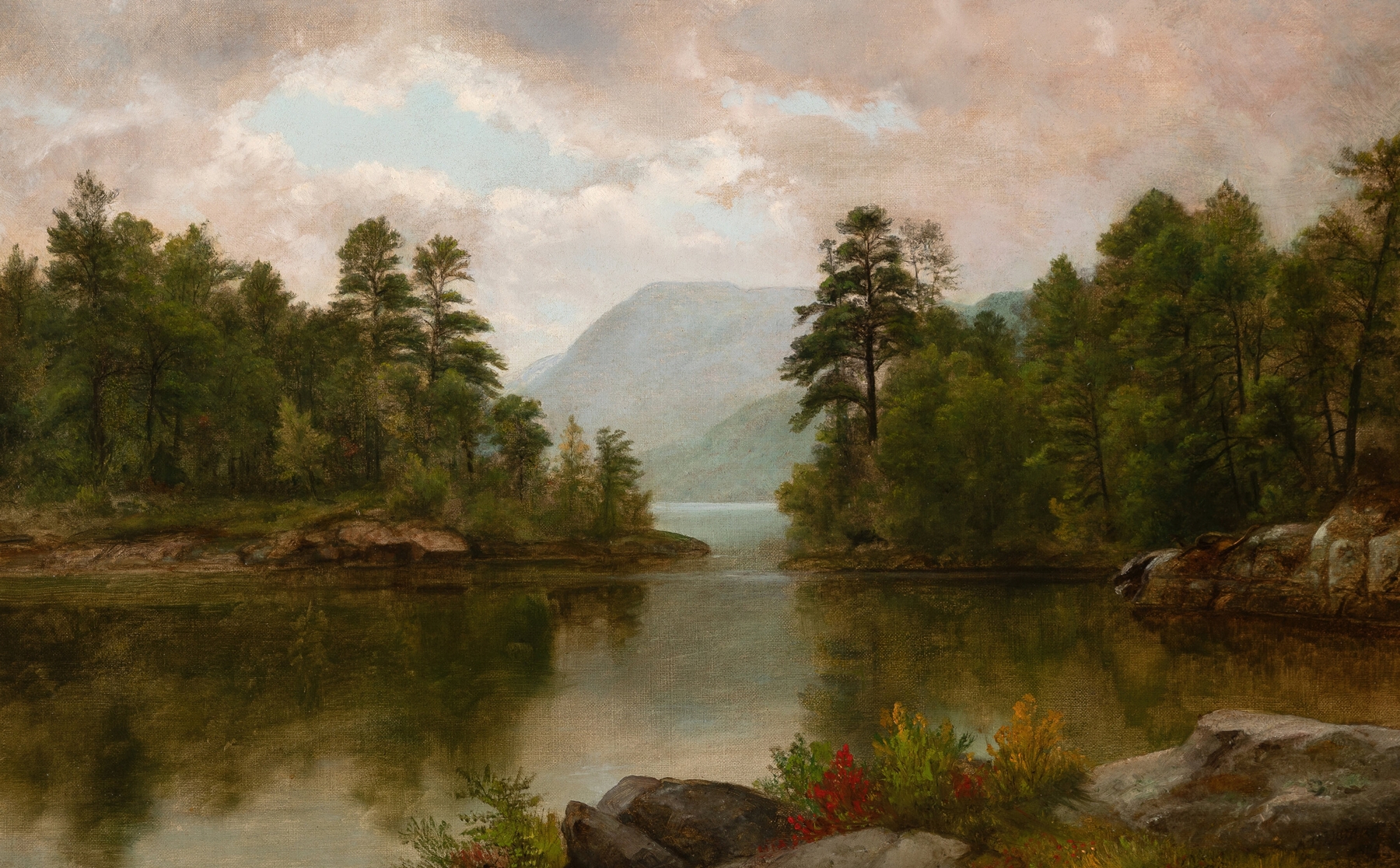
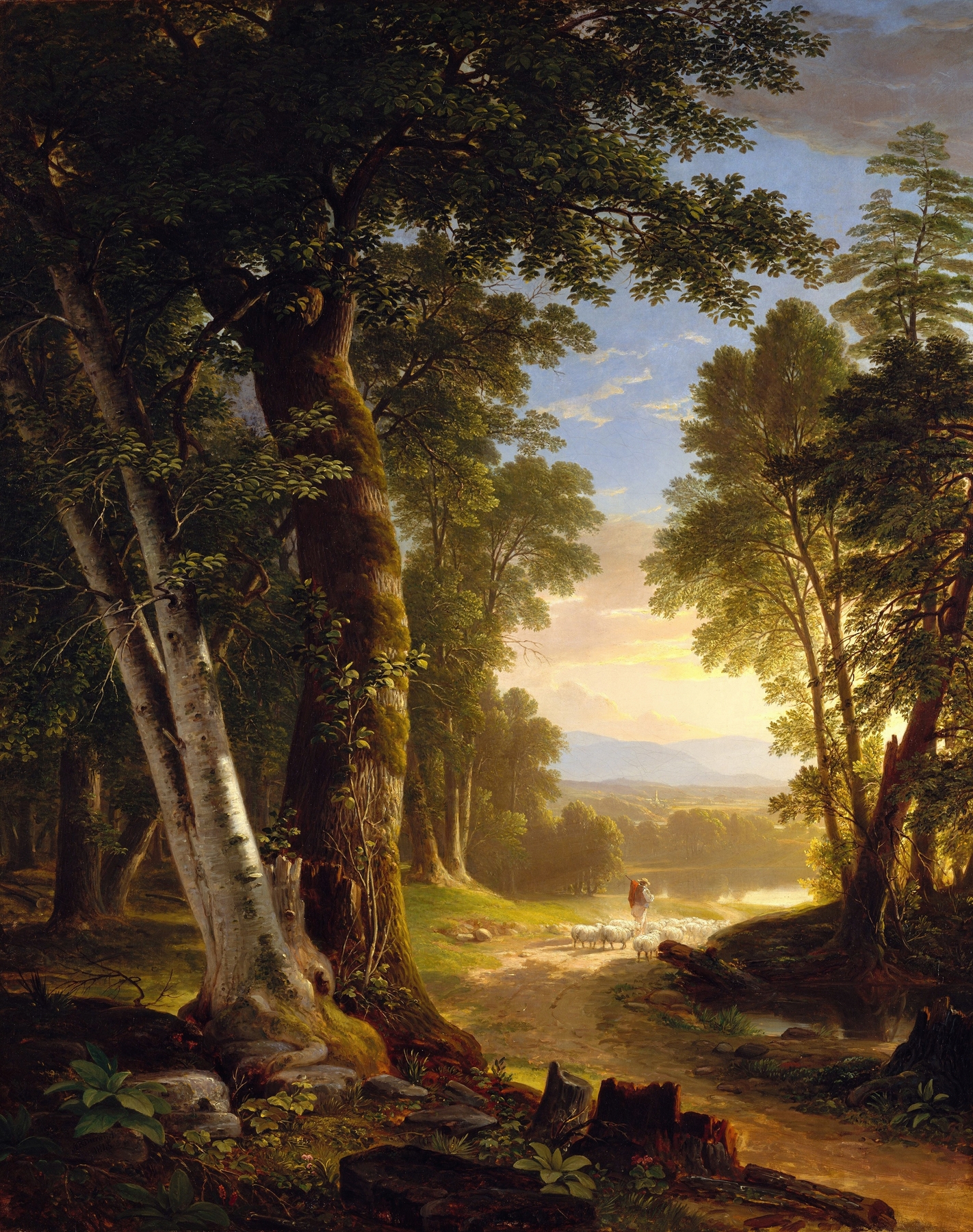
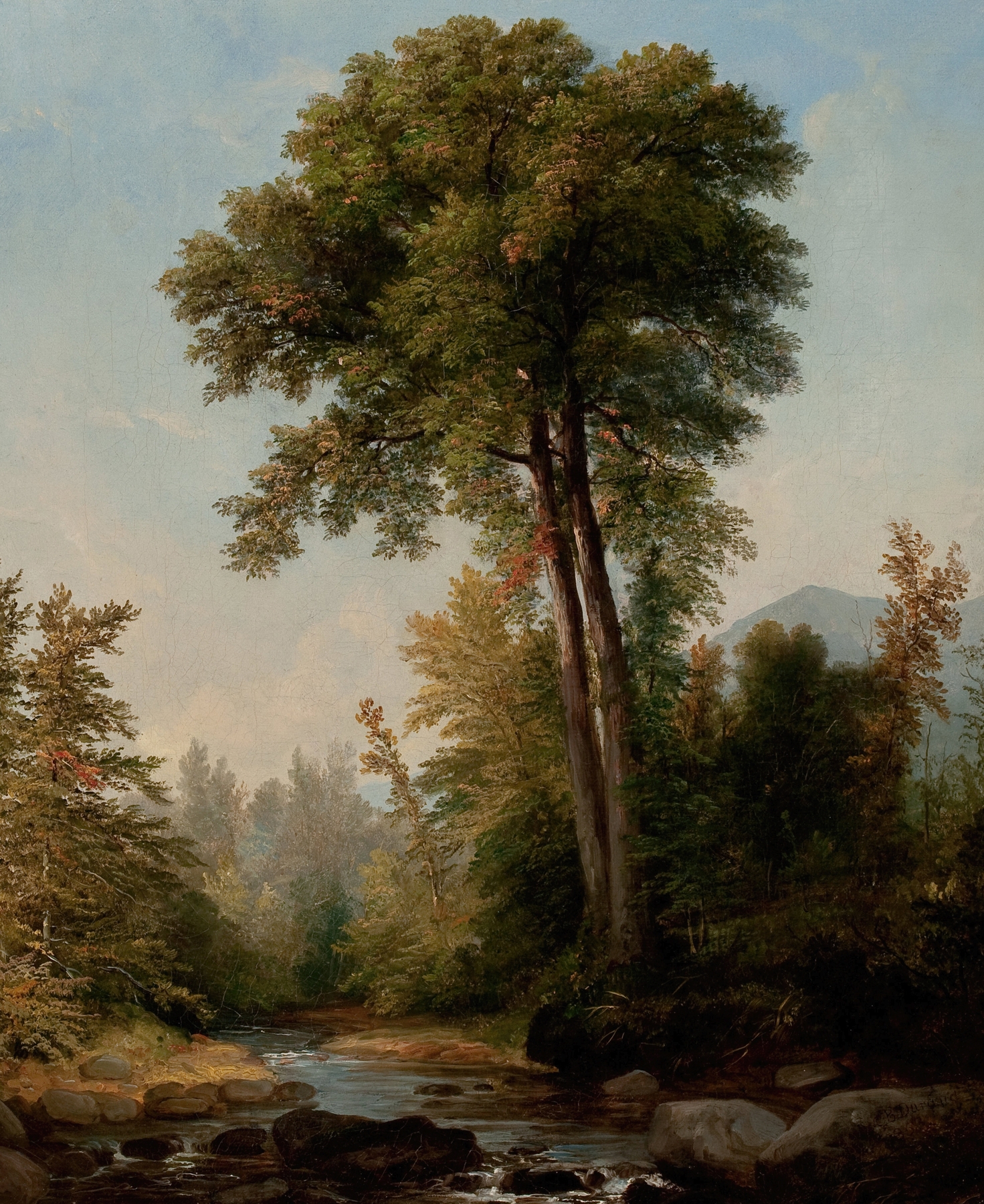
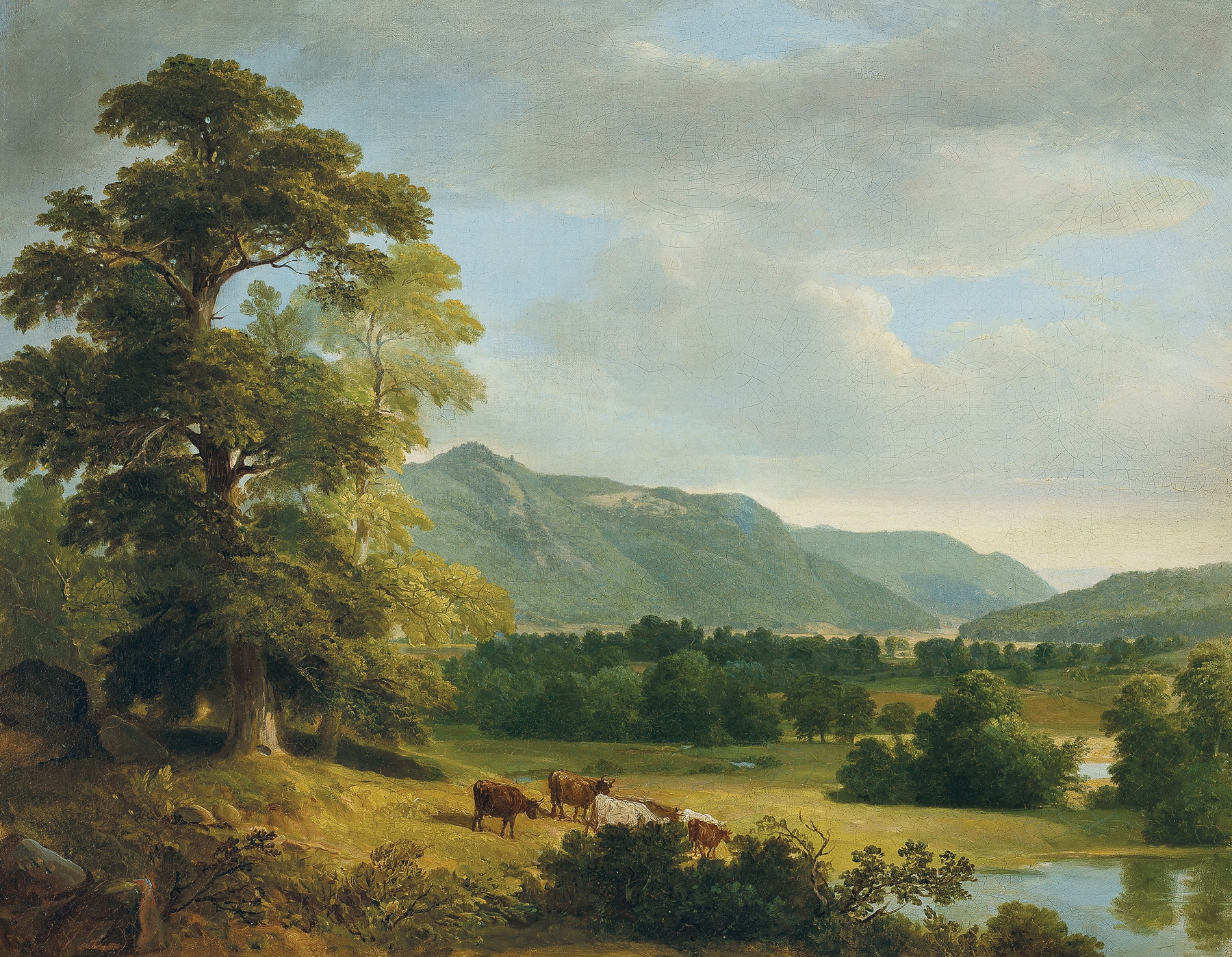
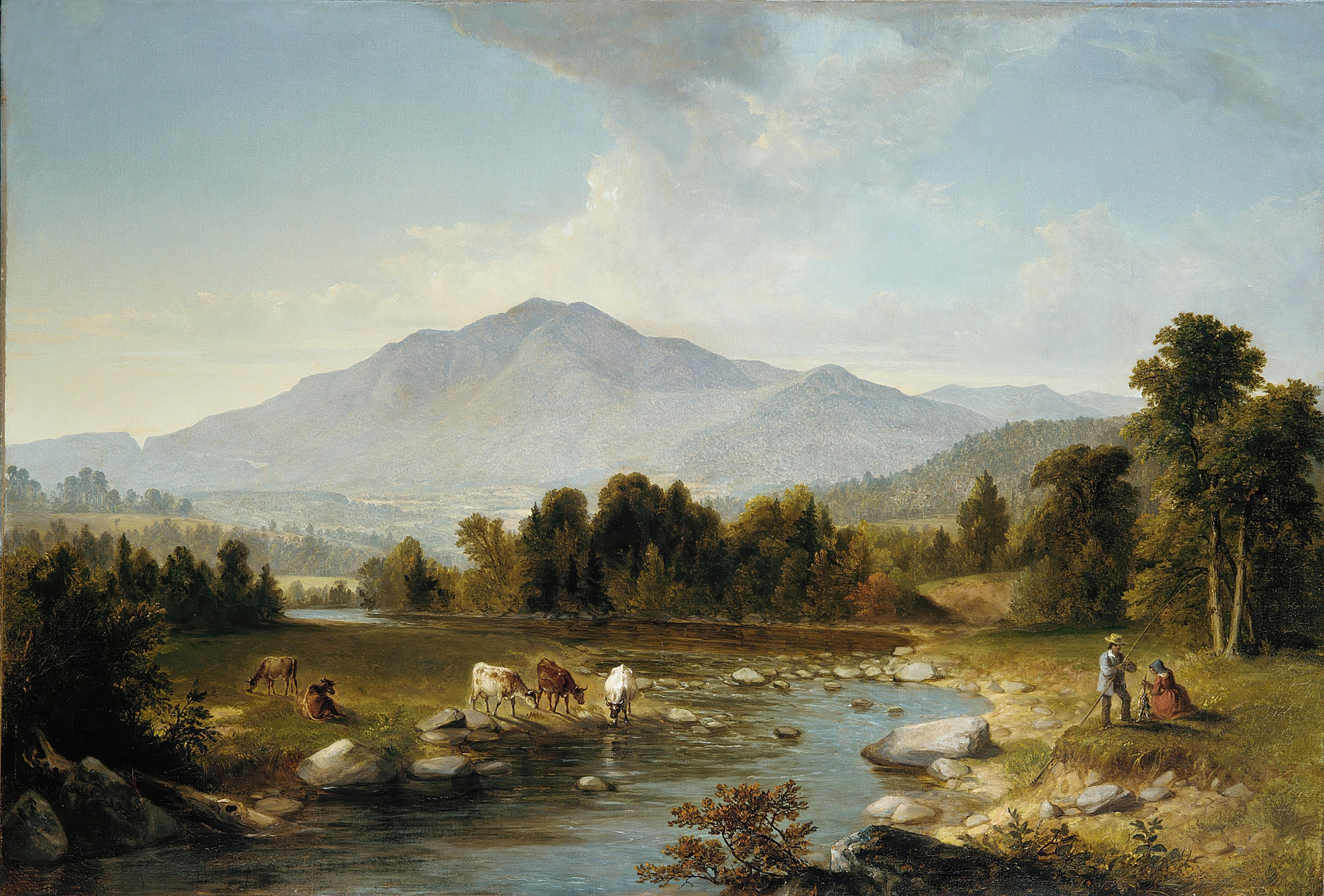
Can beauty exist without sorrow? The answer lingers in the serene yet poignant landscape captured in this remarkable work. Memory intertwines with the natural world, inviting viewers to reflect on the interplay of joy and melancholy that defines human experience. Look to the foreground, where a gentle stream meanders through a lush, verdant valley. Notice how the sunlight filters through the trees, casting a soft glow on the rich greens and earthy browns.
The composition draws the eye upward, following the rugged contours of the mountains that rise majestically in the background, their peaks kissed by wispy clouds. Durand’s meticulous attention to detail reveals the textures of each leaf and rock, while his harmonious color palette evokes a sense of tranquility interrupted only by the elusive shadows of past memories. The juxtaposition of the tranquil stream with the imposing mountains speaks volumes about the duality of nature. Each element in this landscape embodies a story waiting to be told, from the tranquil waters that mirror the sky to the shadows that hint at untold histories hidden within the mountains.
This tension between serenity and the weight of the unseen adds depth to the scene, urging viewers to consider the layers of emotion embedded in the natural world. In 1853, while residing in the Catskills, the artist immersed himself in the sublime beauty of the American wilderness. This period marked a significant turn in Durand’s career as he became a leading figure in the Hudson River School, advocating for the representation of nature as a spiritual force. This painting reflects not only his personal journey but also the broader Romantic movement, which sought to explore the relationship between humanity and the sublime.