Holzstoß — History & Analysis
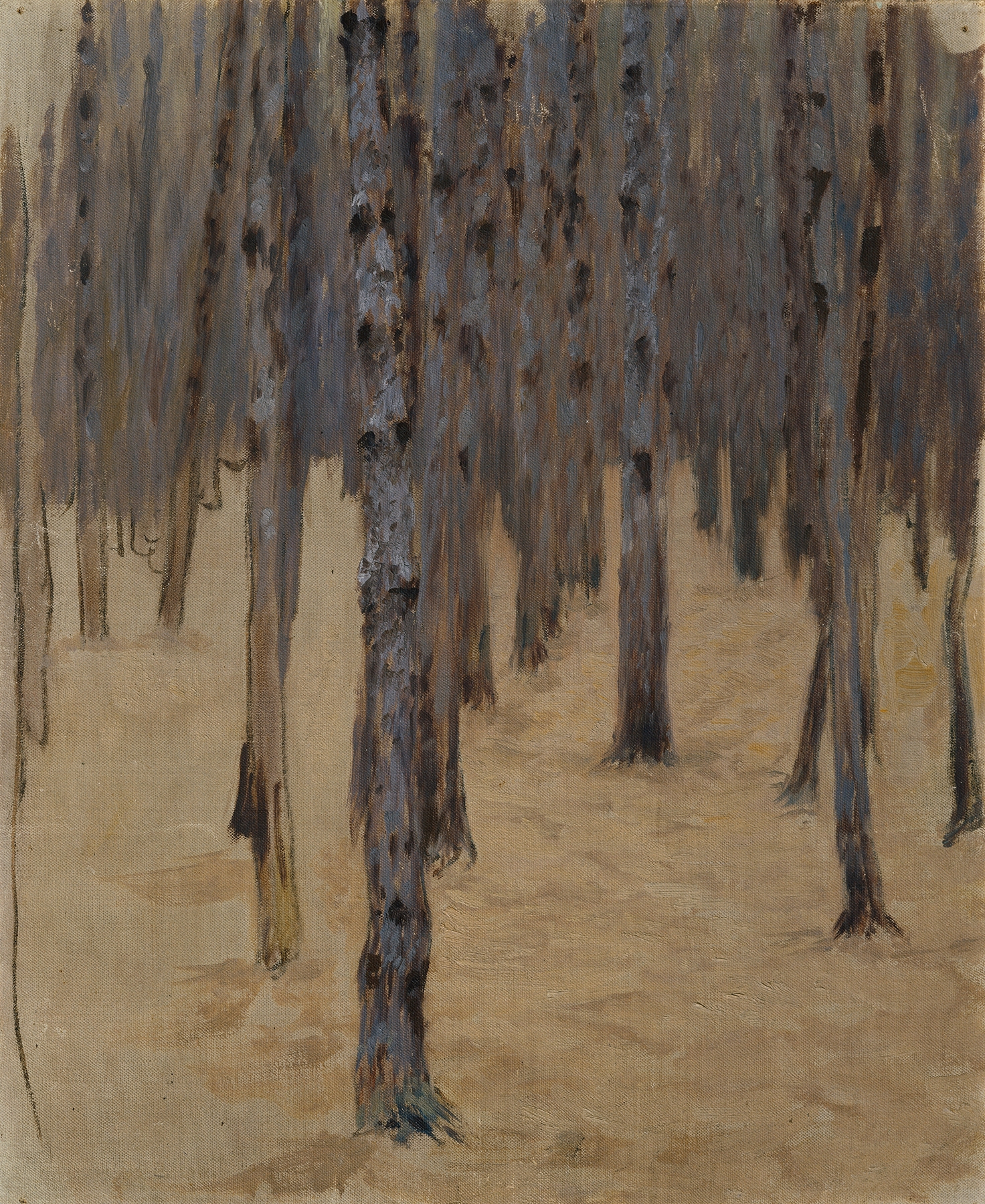
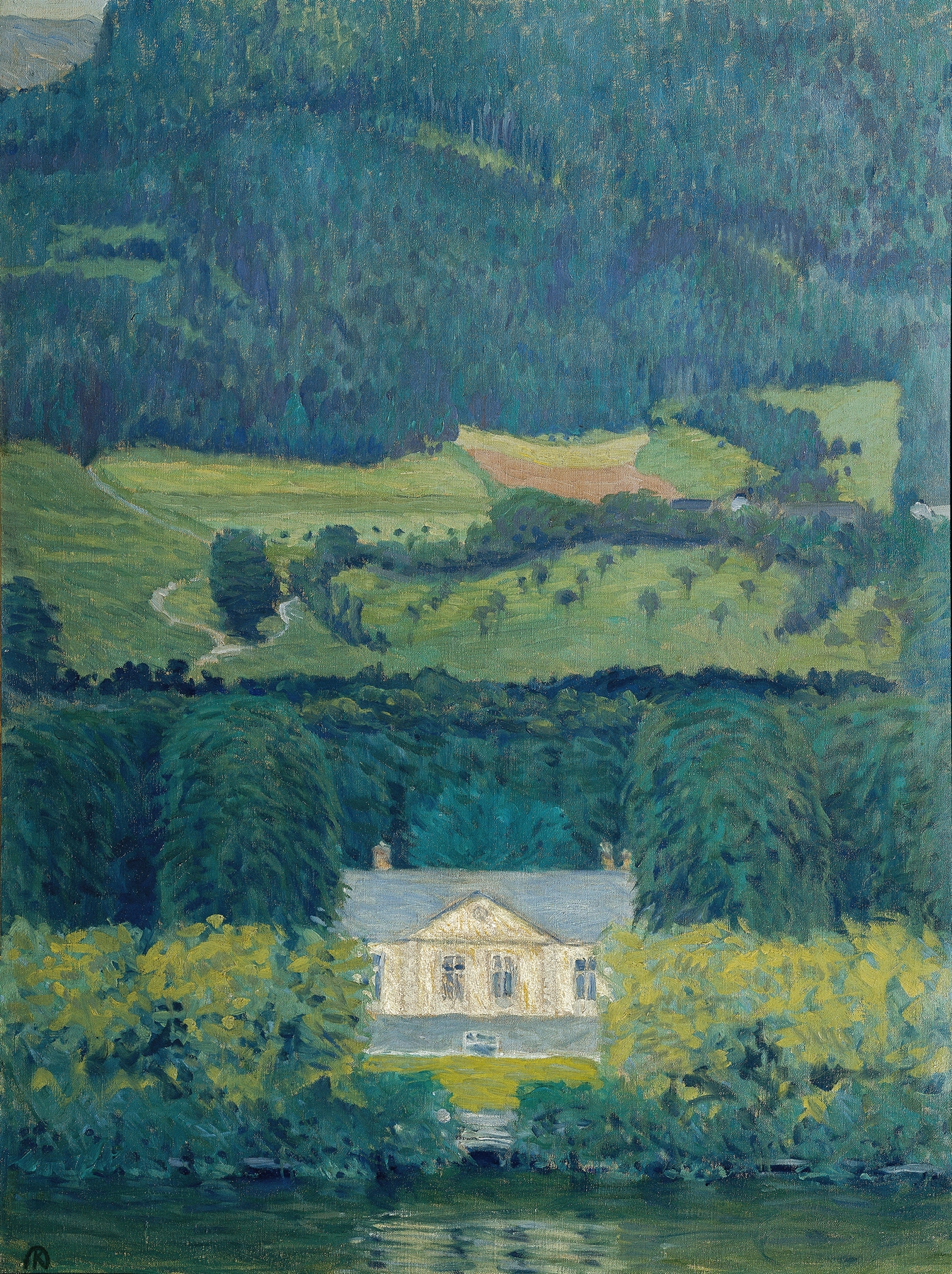
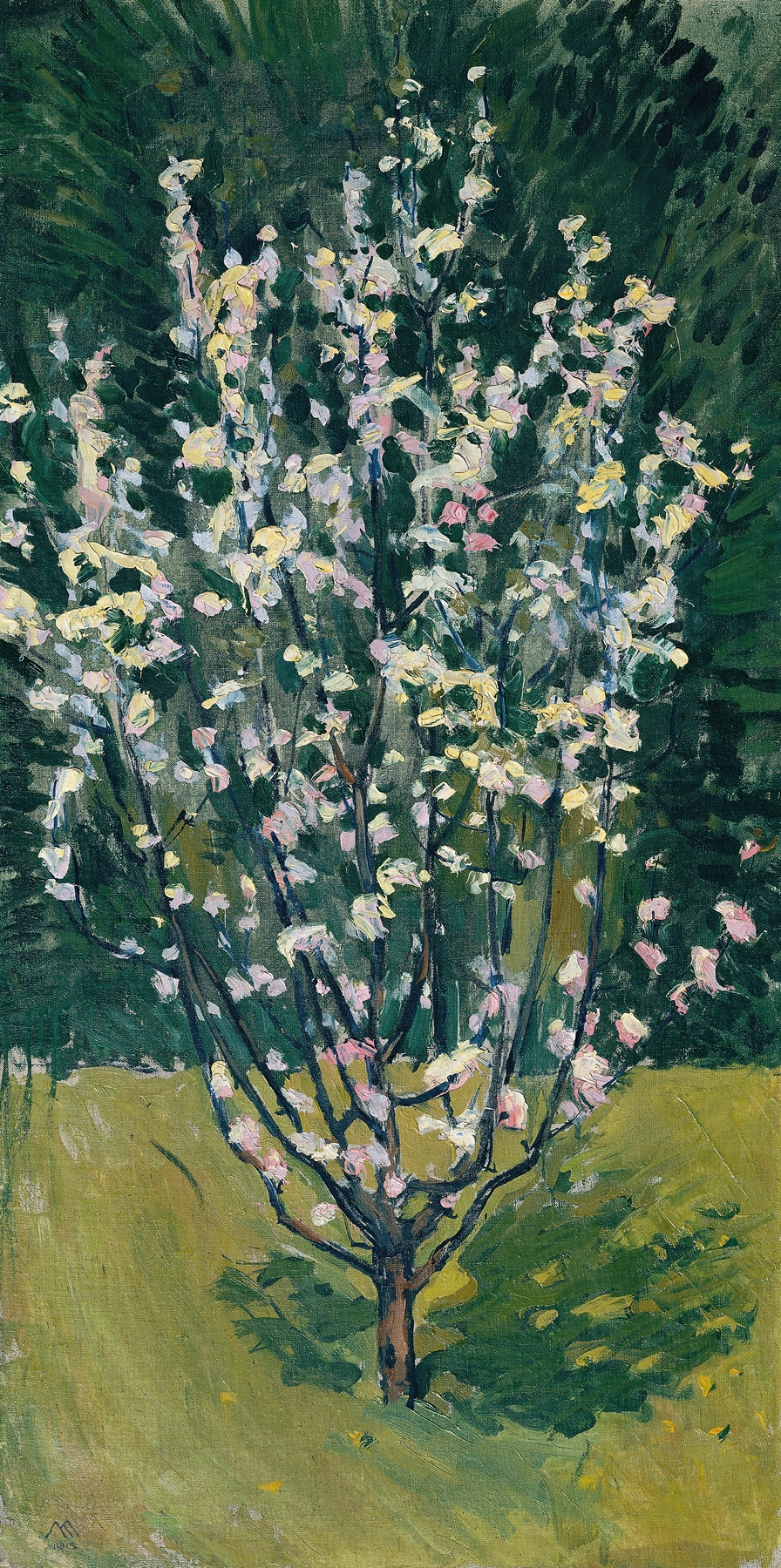
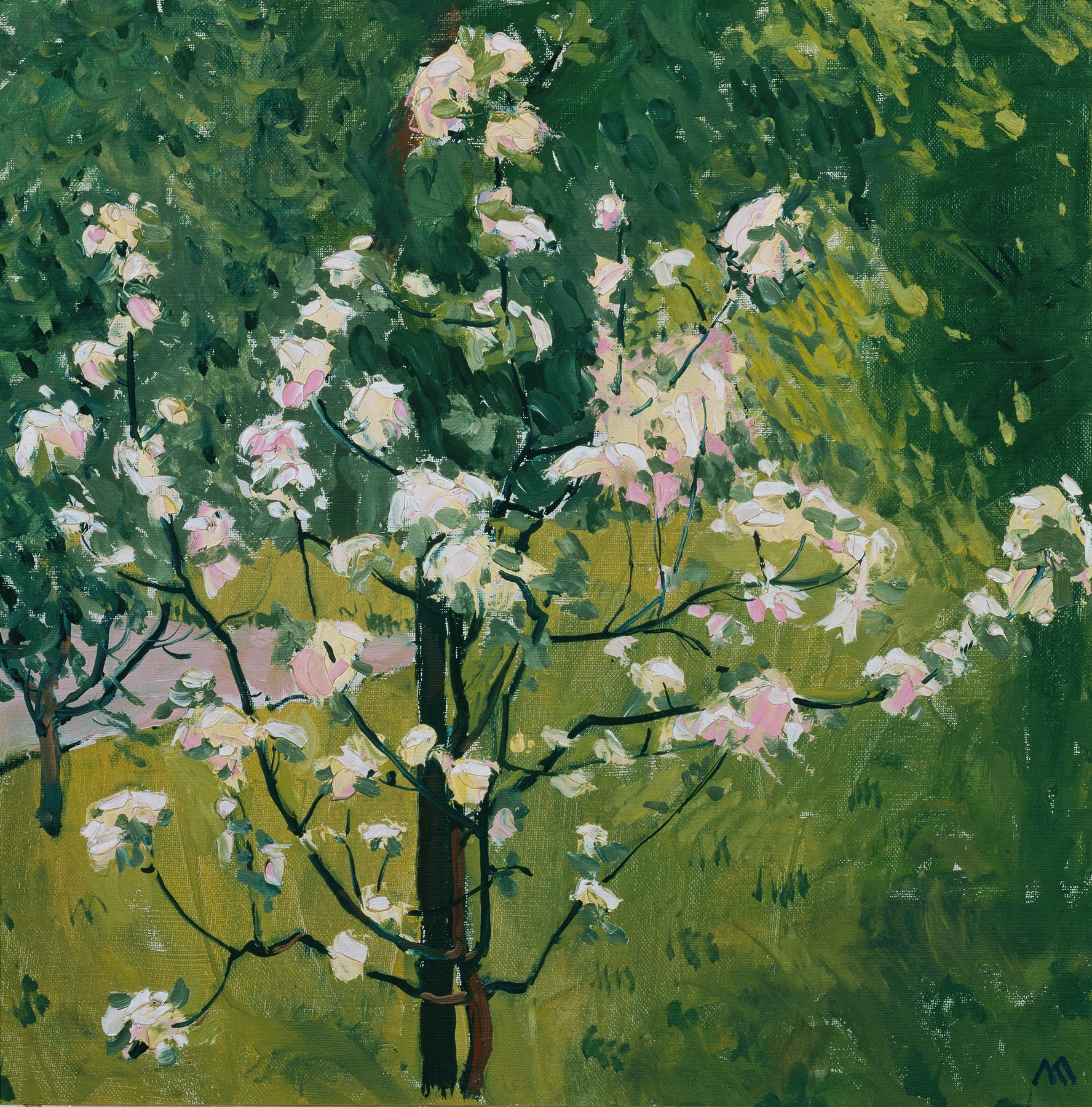
“To paint is to remember what time wants us to forget.” In Holzstoß, the artist meditates on the haunting echoes of betrayal, weaving a tale that transcends the visible world. Look closely at the carefully stacked logs, their textures rich with the weight of history and intention. Notice how the warm browns and muted greens pulse with an underlying tension, as if each piece of wood holds secrets of past betrayals. The geometric arrangement draws your gaze into the heart of the composition, where light dances across the surfaces, creating an illusion of depth and shadow that evokes both comfort and unease.
Deeper still, the logs whisper stories of disconnection and resilience—their fractured surfaces hint at lives once intertwined, now separated. The interplay of colors suggests a contrast between warmth and coldness, illustrating the heart’s duality in accepting or rejecting memory. Each log, while a fragment of a once living tree, represents the weight of loss, inviting viewers to confront their own experiences of trust and treachery.
In 1914, Koloman Moser, an influential figure in the Vienna Secession movement, painted this work while grappling with the complexities of his own relationships and the shifting currents of contemporary art. The world around him was on the brink of upheaval, reflecting a time of profound change and betrayal both personally and politically. Moser’s choice to depict something as elemental as firewood resonates with a deeper commentary on the fragility of human connections amidst the chaos of an uncertain era.