Blühendes Bäumchen — History & Analysis
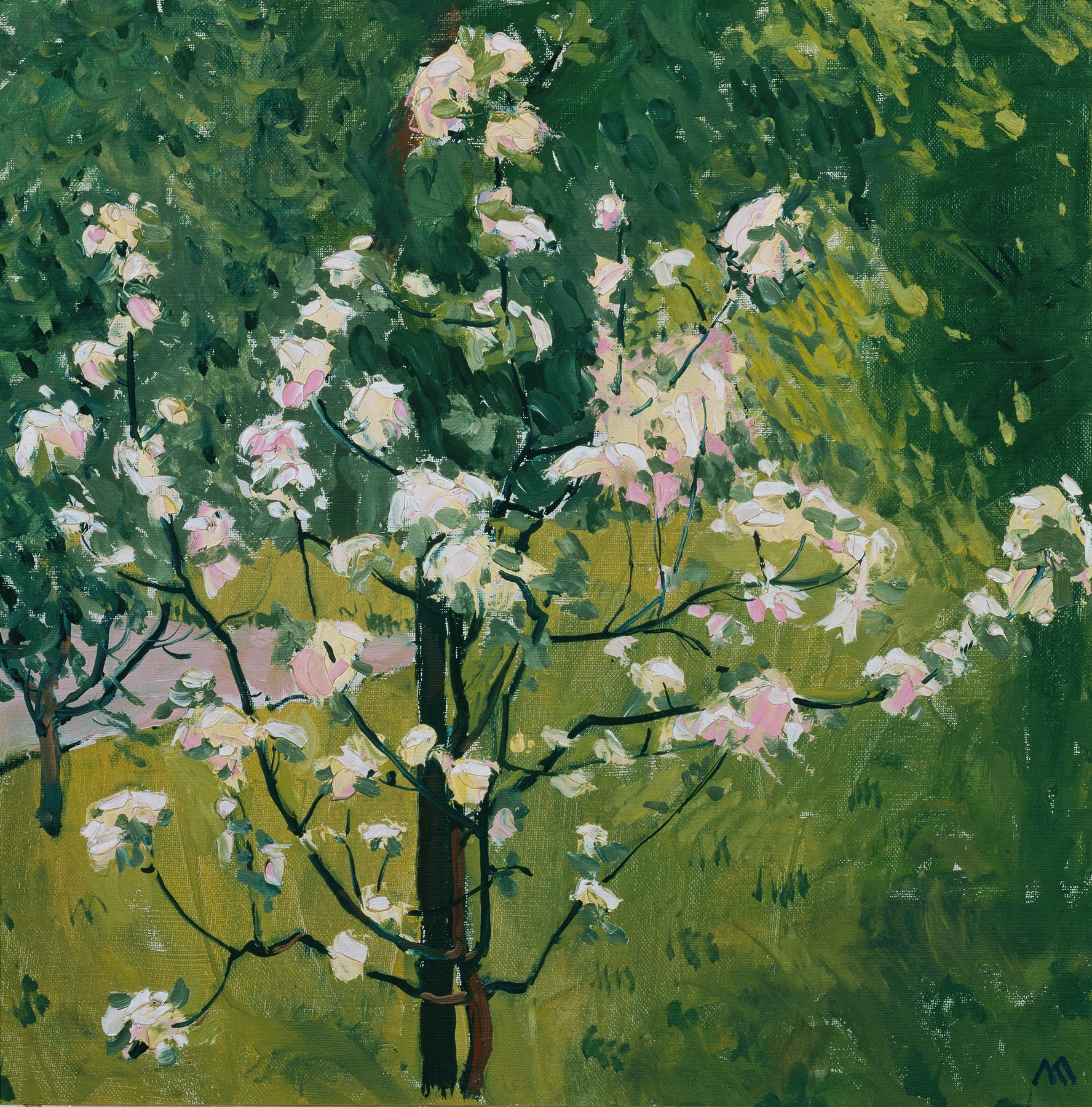
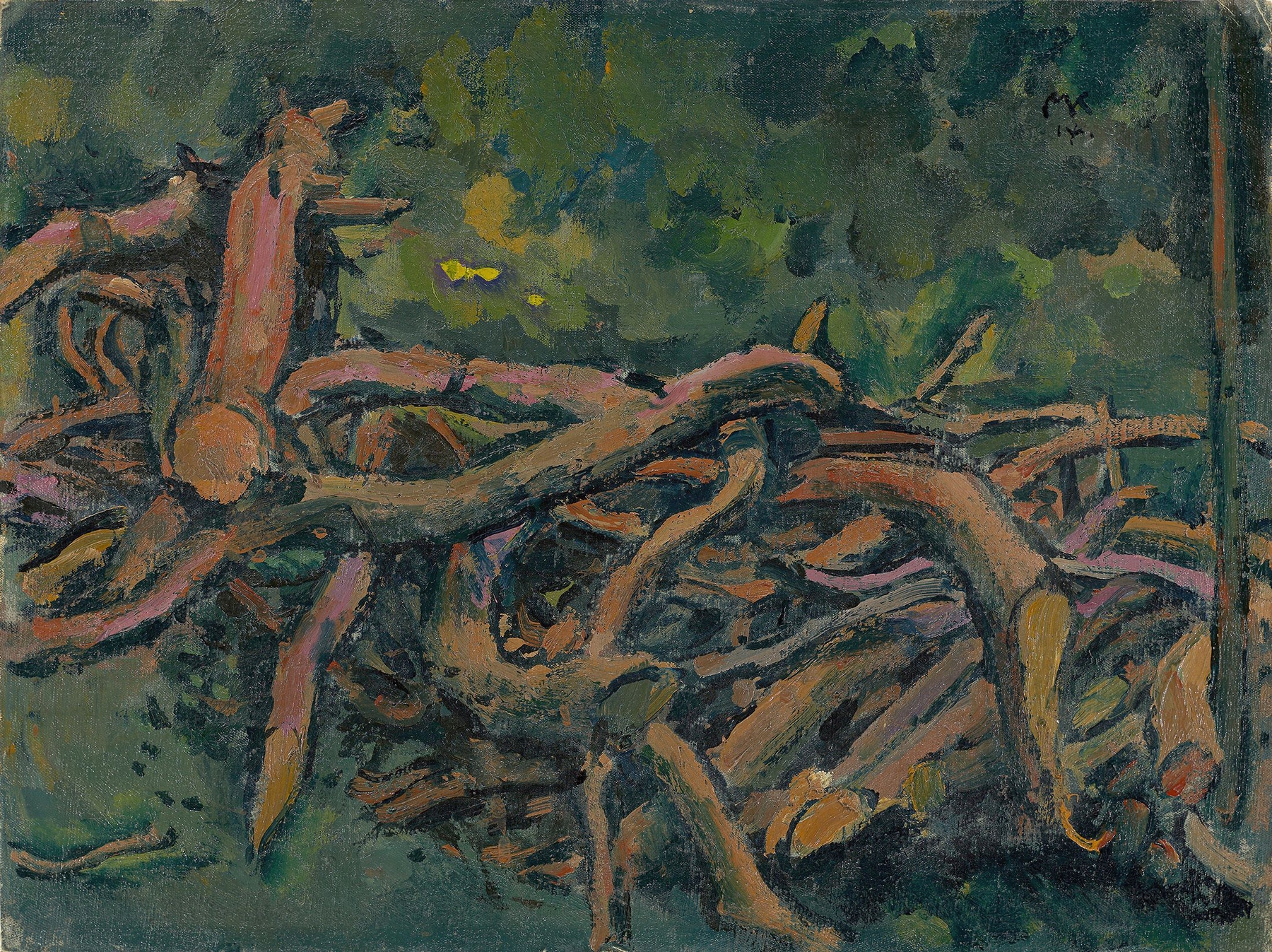
Is this a mirror — or a memory? In Blühendes Bäumchen, the viewer is drawn into a dreamlike world where reality blurs and the past whispers through vibrant blossoms. Look to the center, where an ethereal tree bursts forth from a delicate background of soft blues and greens. Its flowers, rendered in luminous shades of pink and white, appear to dance as if caught in an unseen breeze. The composition, meticulously arranged, harmonizes with geometric patterns that frame the tree, inviting the eye to explore the tension between natural form and artistic abstraction.
Notice how the overlapping colors create a gentle gradient, enhancing the sense of depth and tranquility. Yet, beneath this serene exterior lies a complex interplay of memory and aspiration. The flowers symbolize potential and renewal, suggesting both the fleeting nature of beauty and the permanence of change. The contrasting geometric shapes evoke a sense of order amidst chaos, mirroring the artist's own struggle between innovation and tradition in a rapidly evolving art world.
These elements encourage the viewer to reflect on the transient moments captured in time, bridging the gap between dreams and waking life. In 1913, Koloman Moser was deeply entrenched in the Vienna Secession movement, seeking to redefine artistic boundaries. This was a period of personal exploration and professional uncertainty for the artist, as he navigated the complexities of modernism while also grappling with the shifting dynamics of society. Painted in Vienna, Blühendes Bäumchen embodies Moser's vision of beauty, encapsulating a moment where dreams intersect with reality, forging a connection that transcends time.