Blühendes Bäumchen — History & Analysis
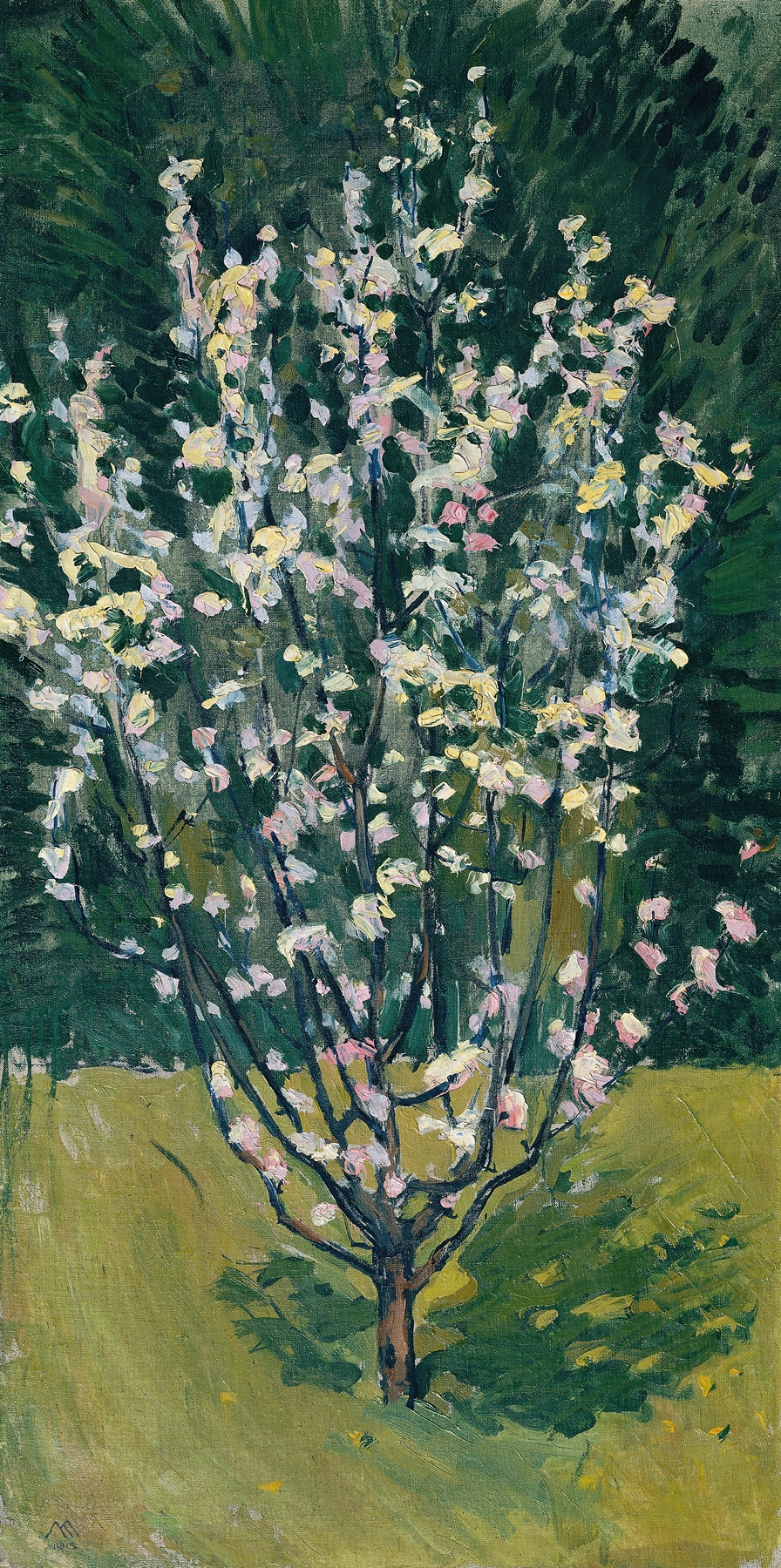
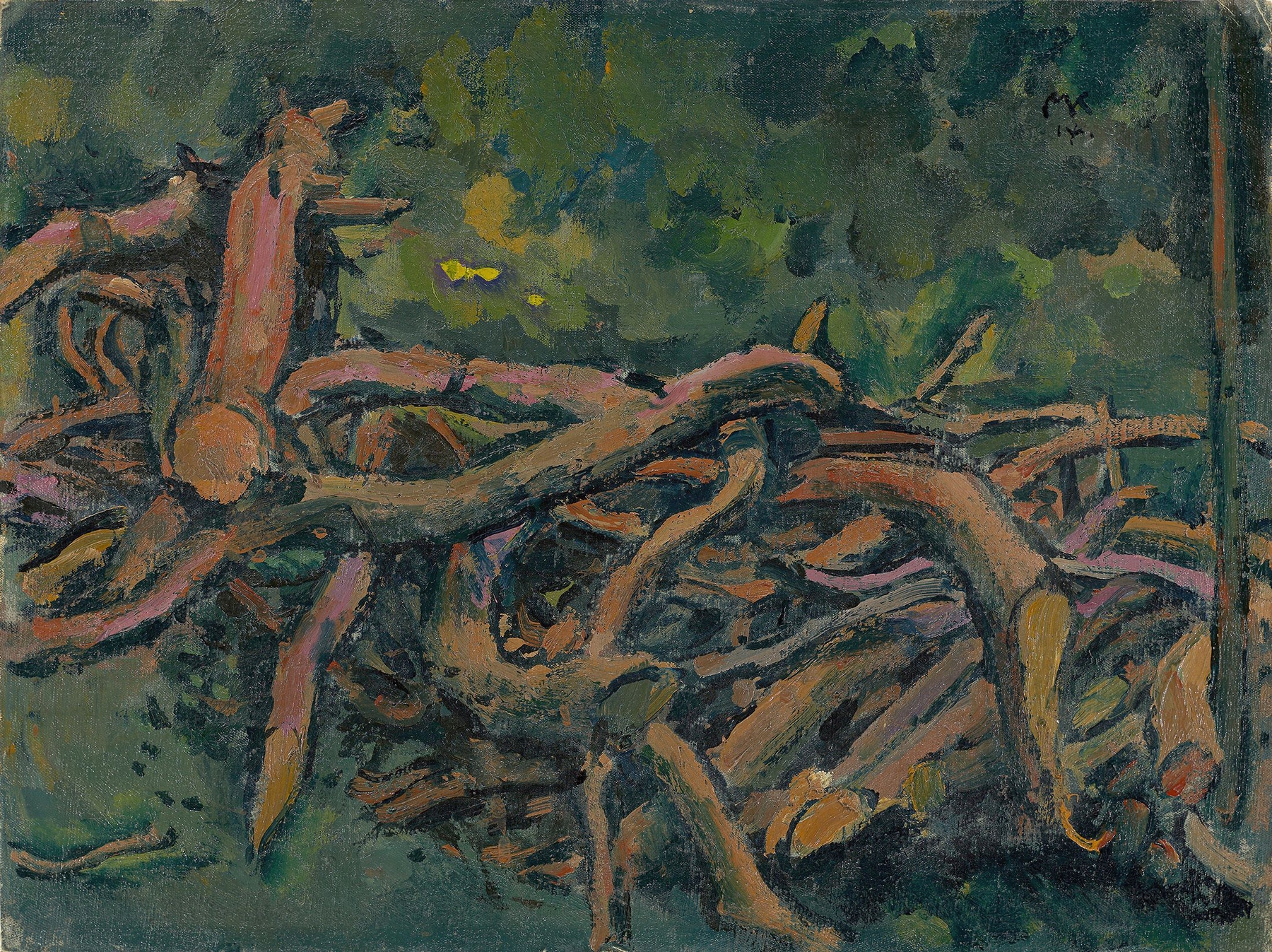
Is this a mirror — or a memory? Koloman Moser’s Blühendes Bäumchen invites us to explore the delicate interplay between time and nature, encapsulated in a moment where blossoming life holds both beauty and transience. Look to the center of the composition where the tree bursts forth in a riot of intricate blossoms, each petal seemingly painted with fervor. The vibrant color palette — a blend of soft pastels and bold hues — creates a harmonious tension that draws the eye. Notice how the branches extend outward, reaching toward the edges of the canvas, while the background remains a gentle wash, allowing the tree to dominate the scene without overwhelming the viewer.
Moser’s technique of combining decorative elements with natural forms evokes the essence of early 20th-century design, merging fine art with functional beauty. Within this vibrant depiction, hidden layers of meaning emerge. The tree symbolizes growth, renewal, and the cyclical nature of life, serving as a poignant reminder of how time shapes our experiences. The seemingly fleeting blossoms may evoke nostalgia, hinting at both the permanence of memory and the impermanence of beauty.
Moreover, the lavish embellishment coexists with a sense of simplicity, reflecting the tension between nature's flourish and the restrained elegance of the Art Nouveau movement. Created in Vienna in 1913, this work reflects Moser’s integral role in the Secessionist movement, a thriving avant-garde artistic community that sought to break free from tradition. At this time, Moser was deeply engaged in exploring the intersection of fine arts and crafts, aiming to elevate everyday objects into the realm of high art. The world was on the brink of change, and his work encapsulates both the aesthetic aspirations of his contemporaries and the timeless themes that continue to resonate today.