Høst. skogsfjord, Mandal — History & Analysis
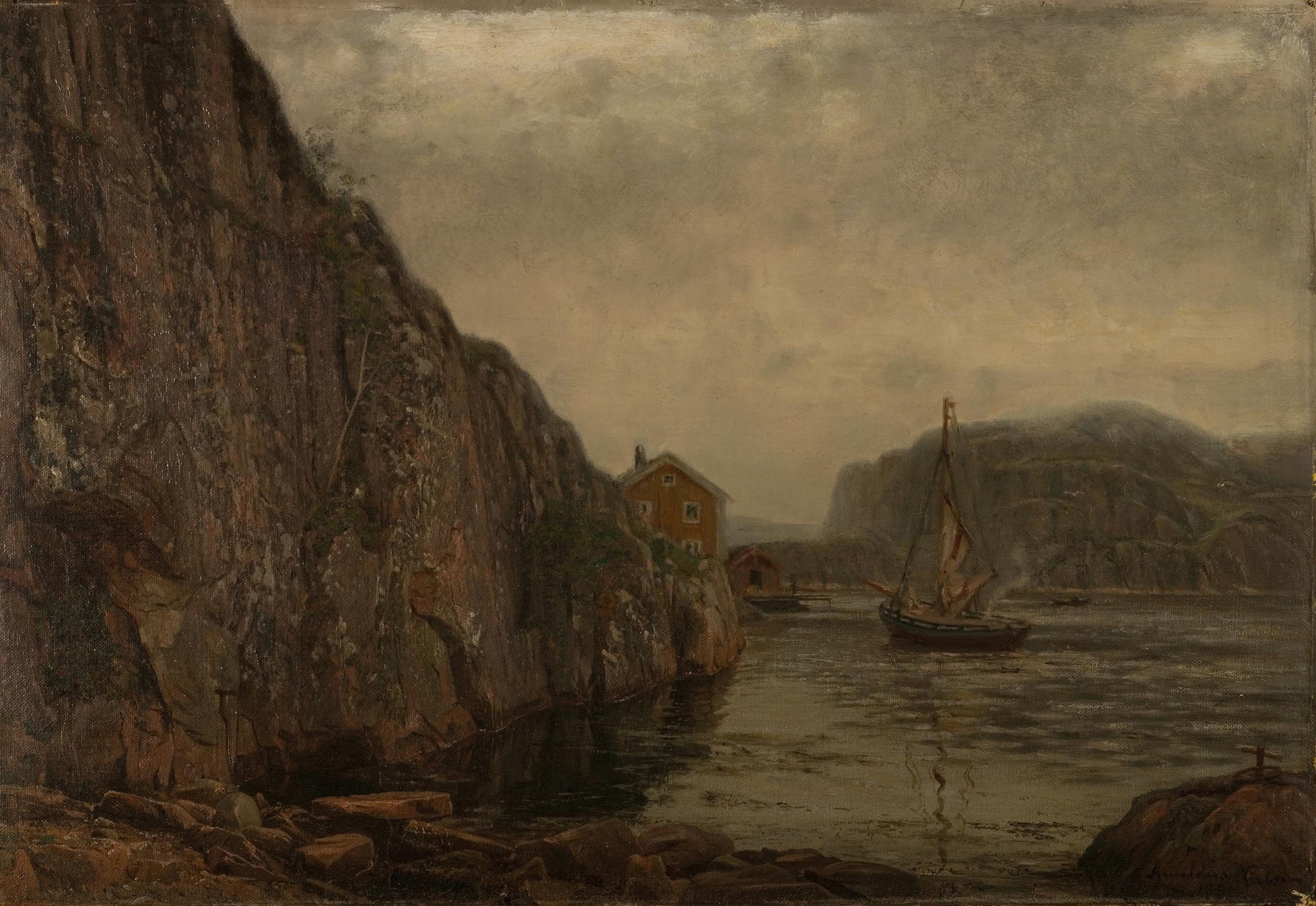
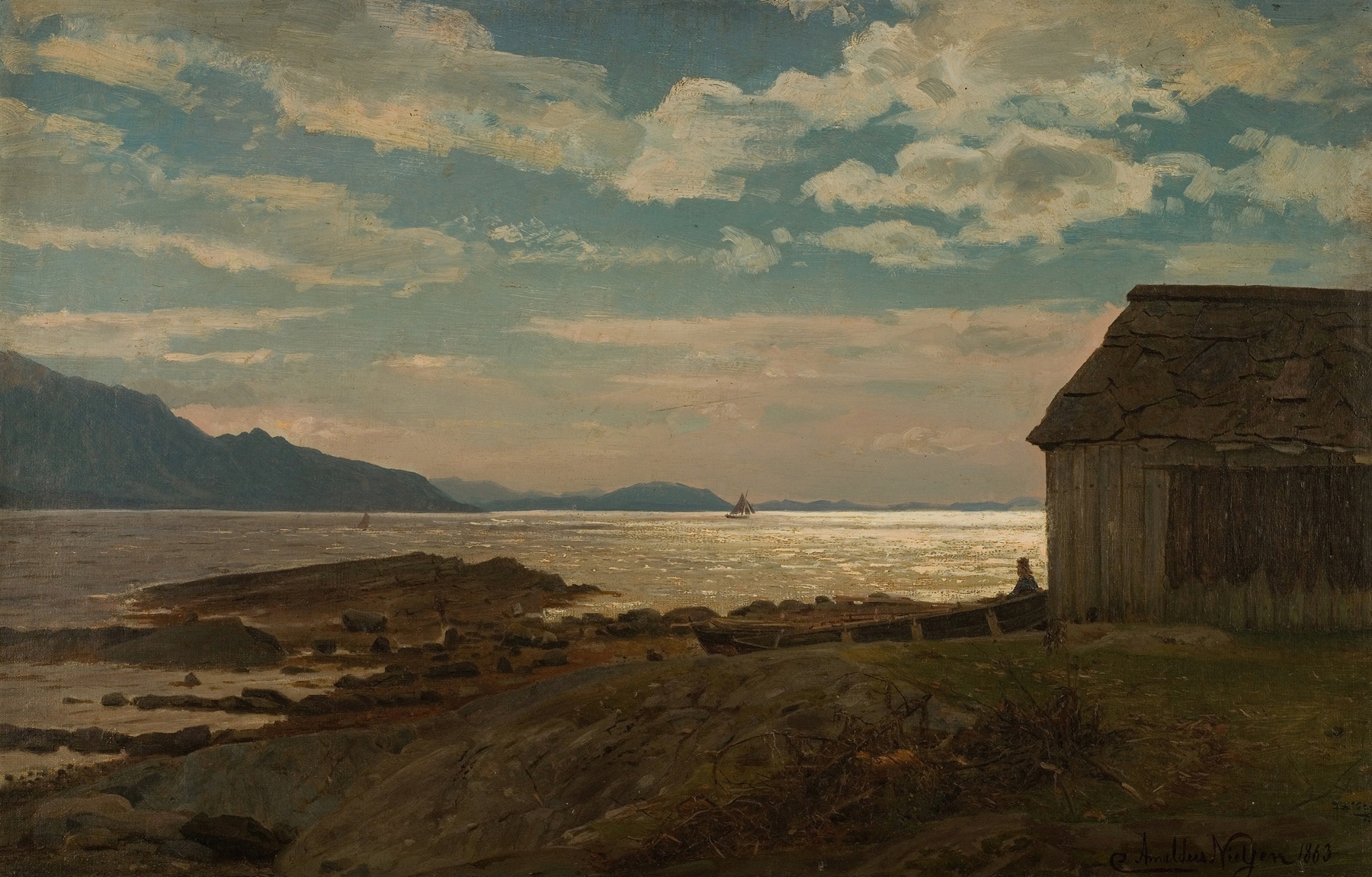
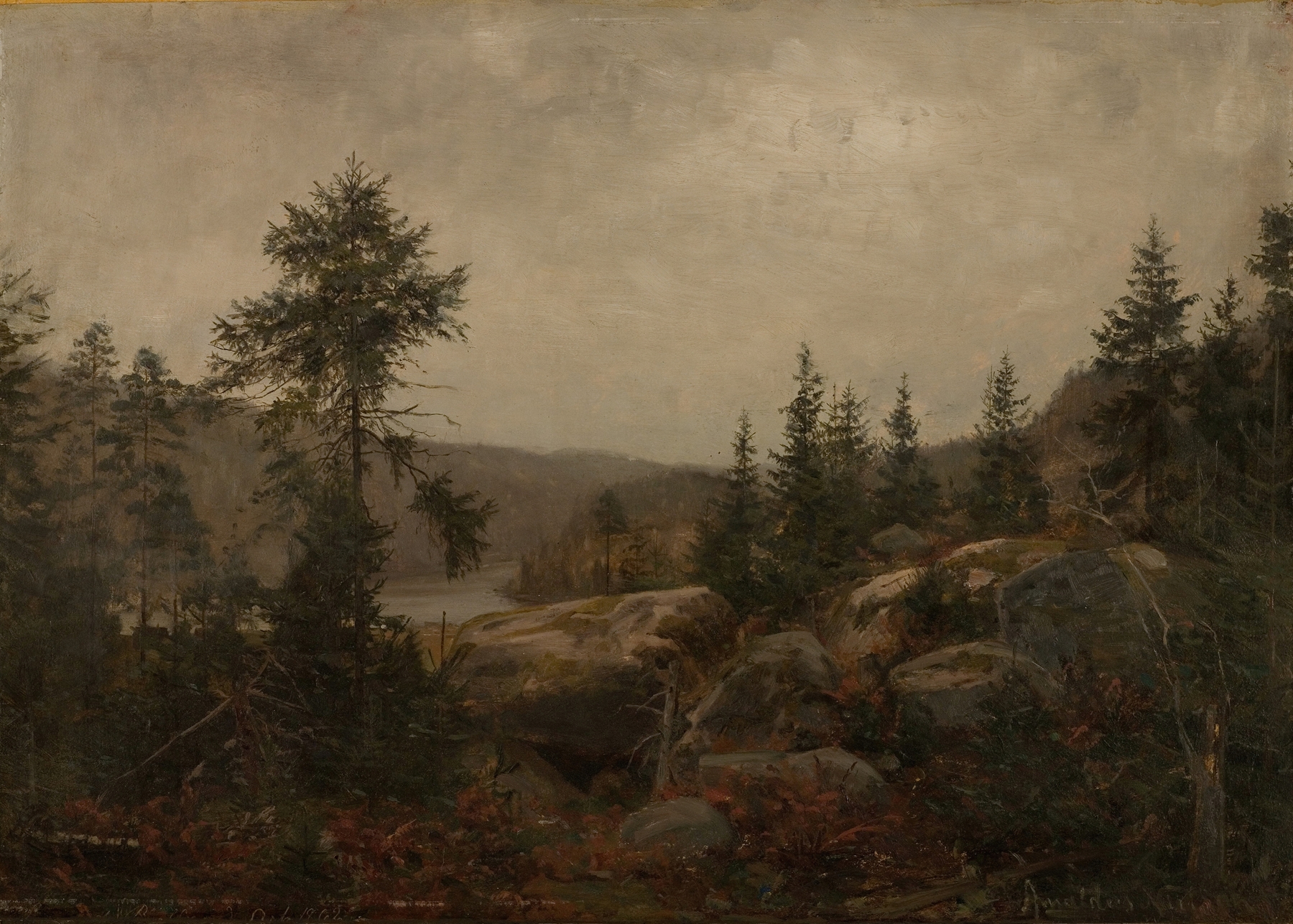
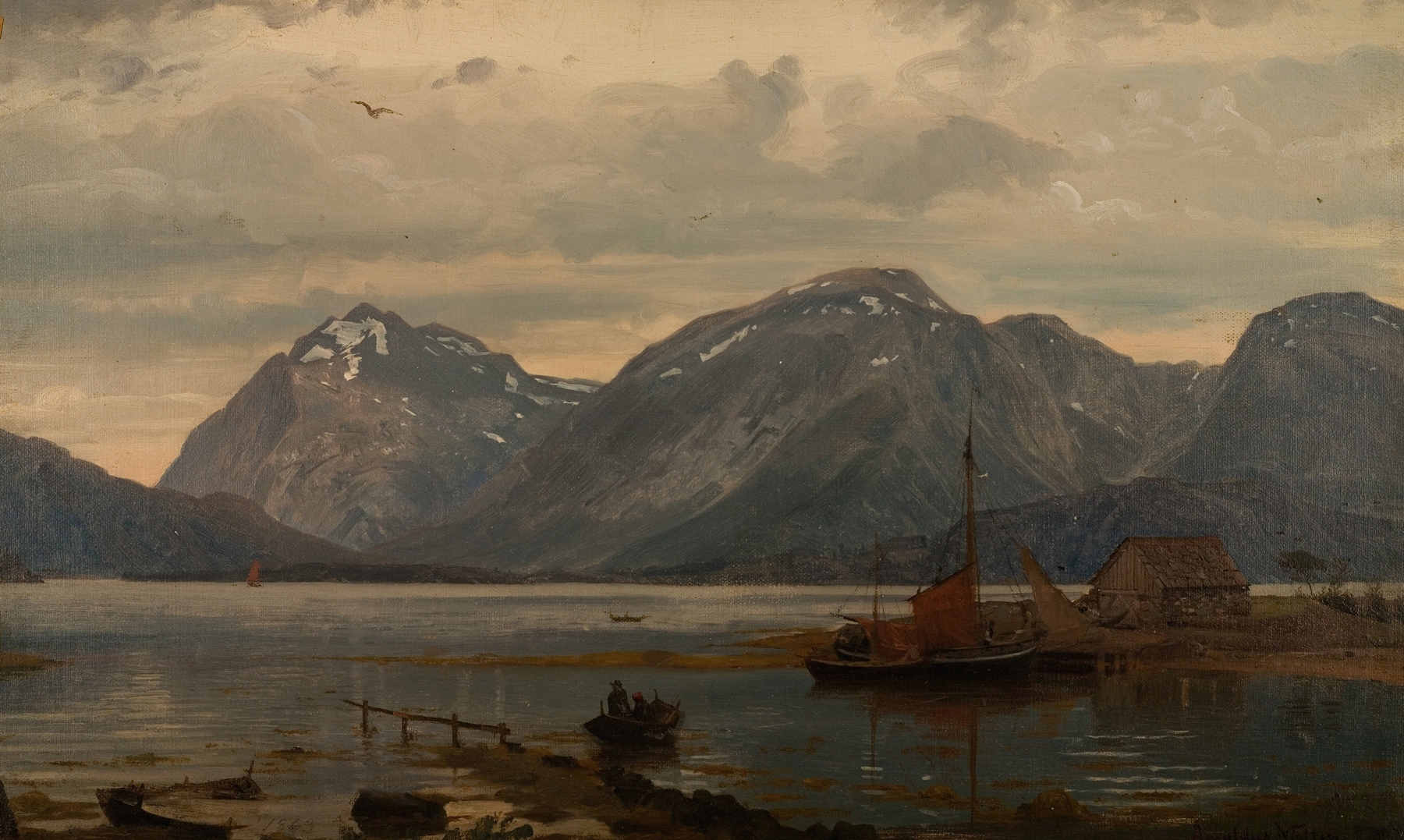
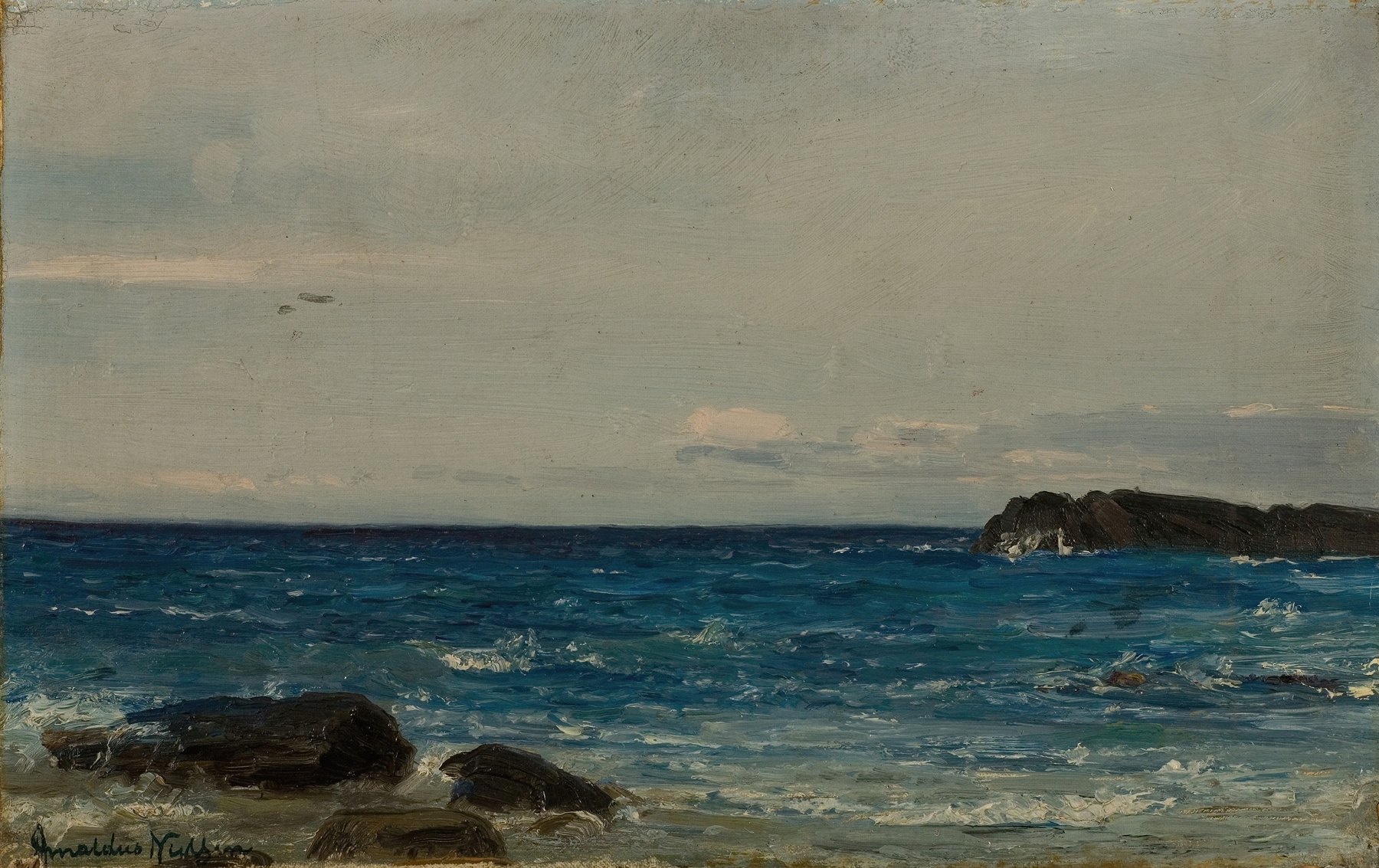
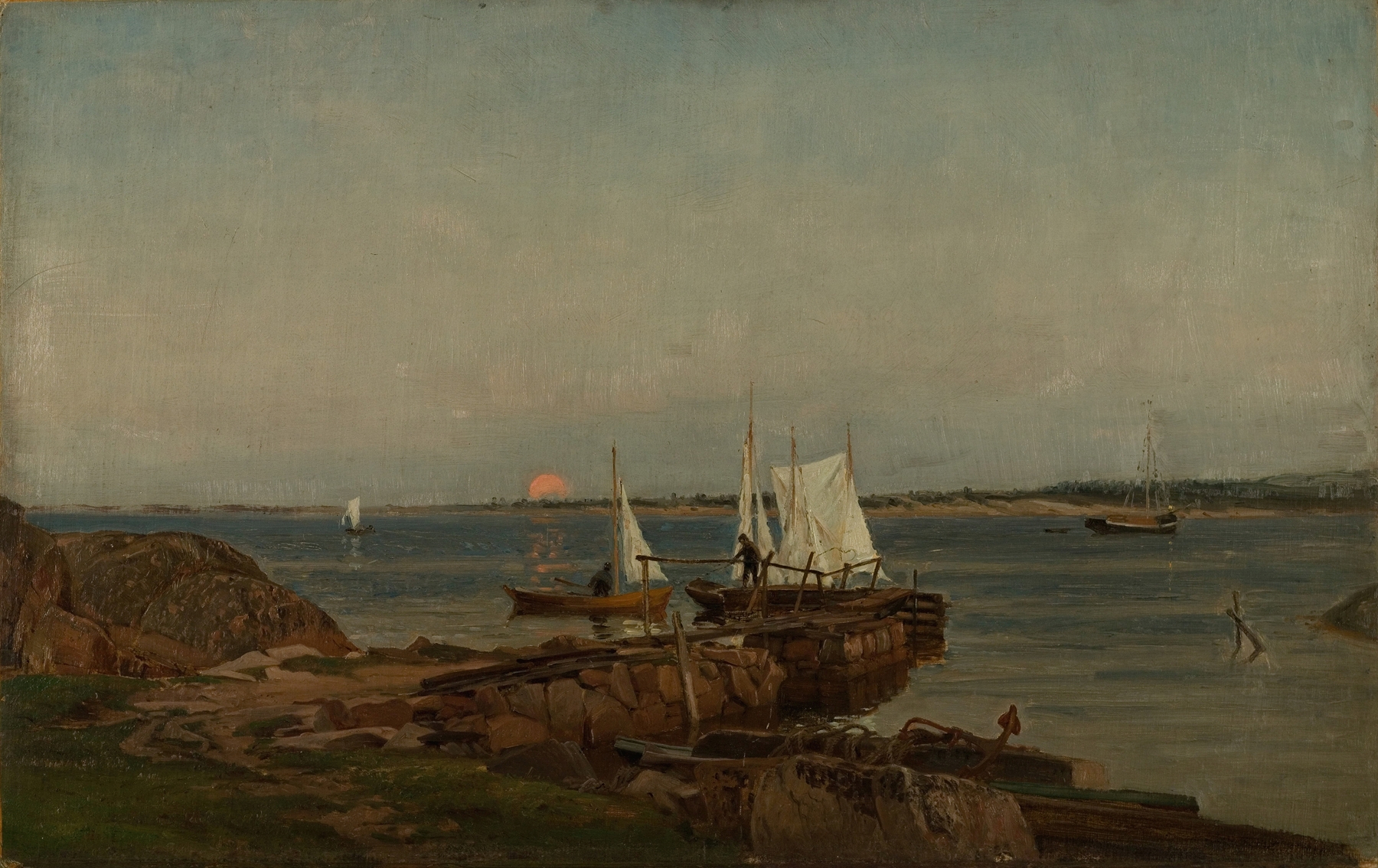
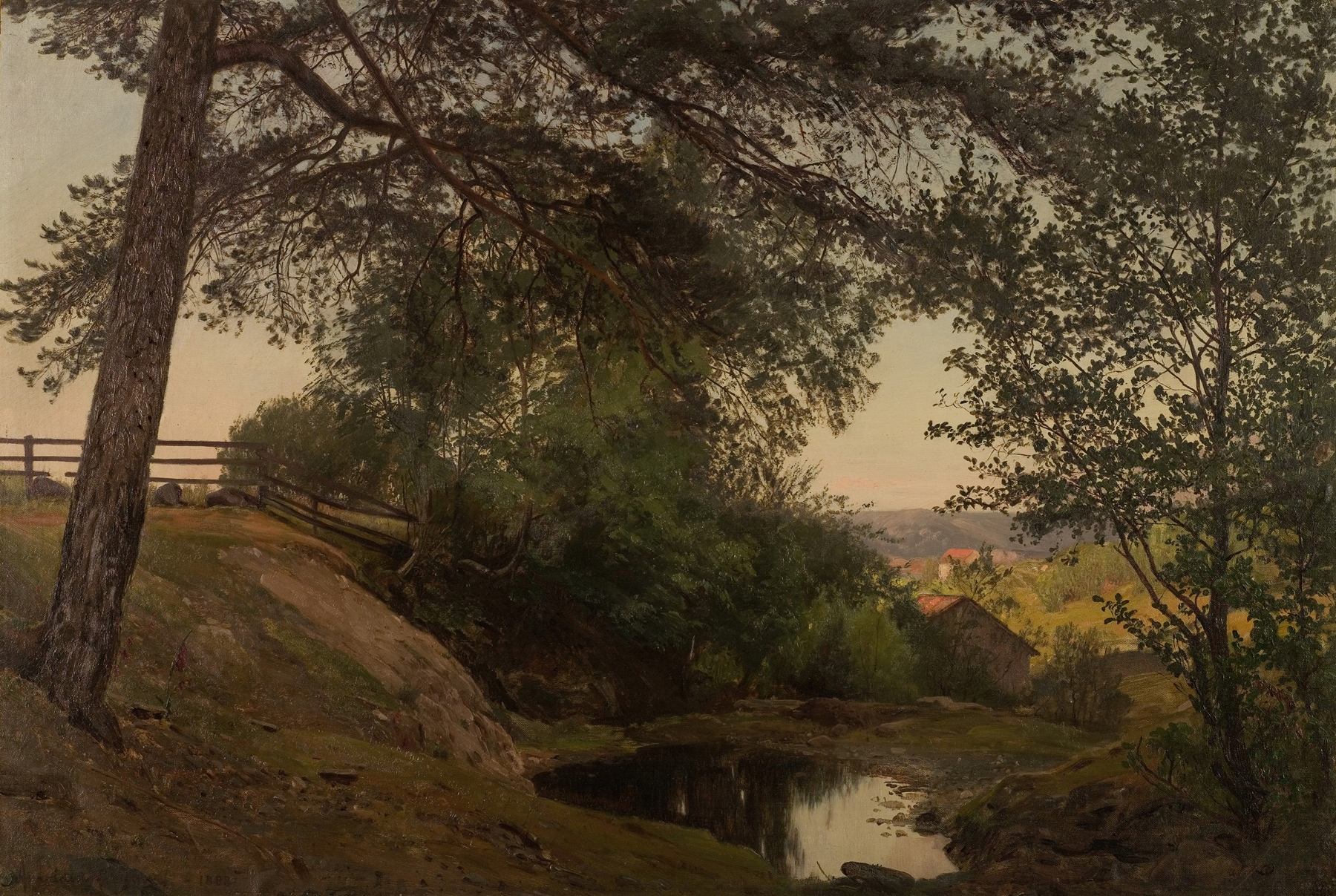
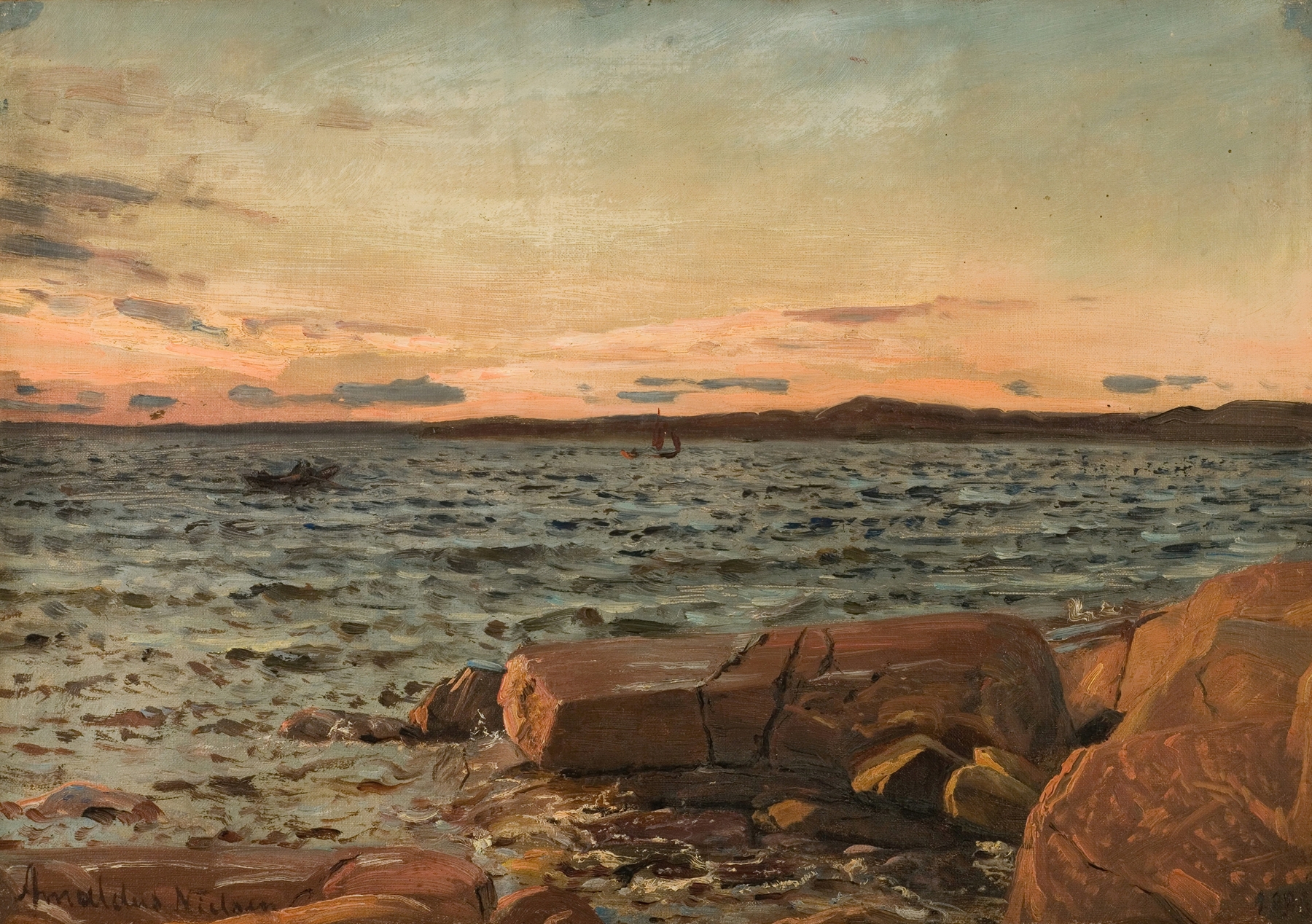
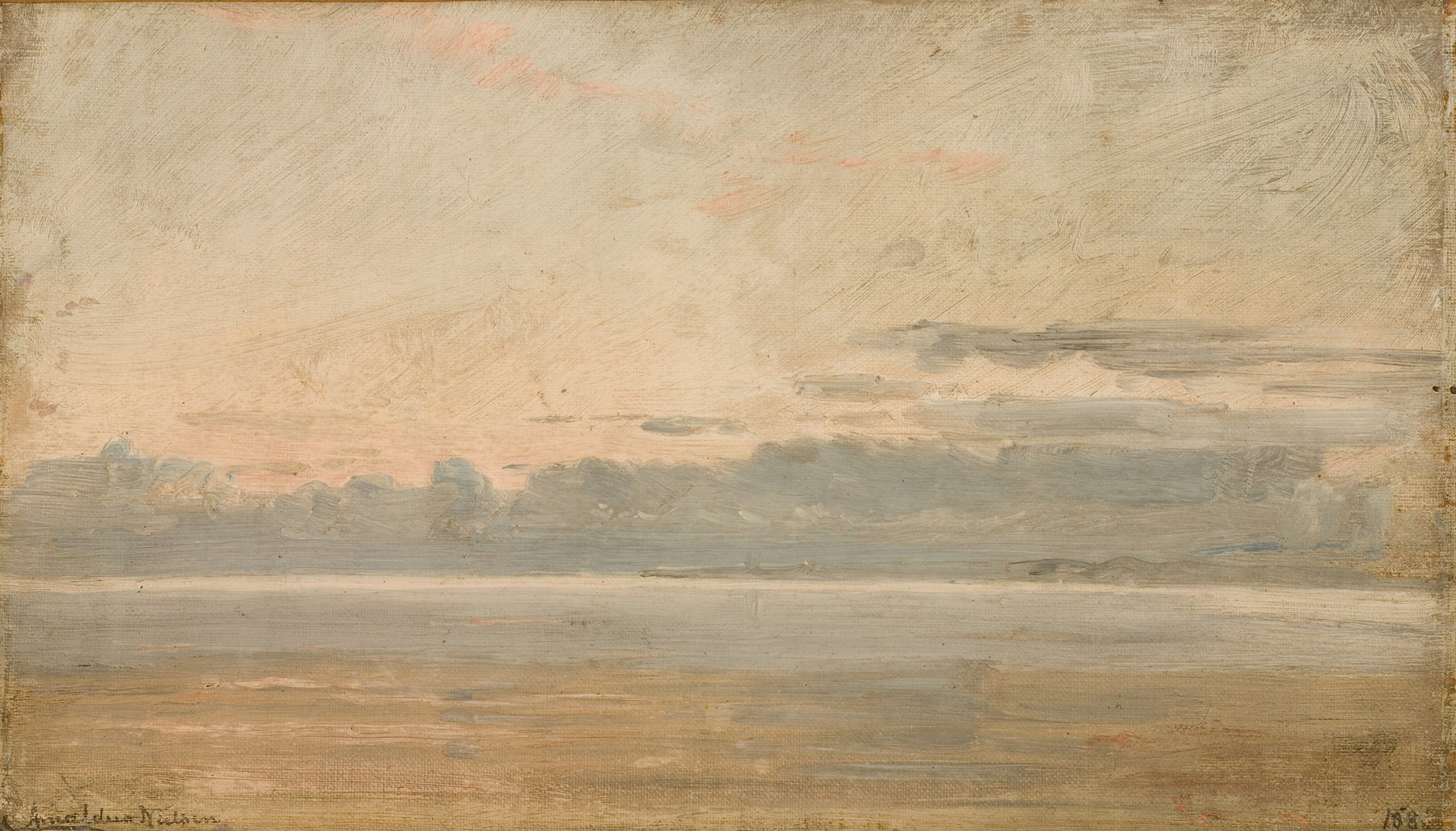
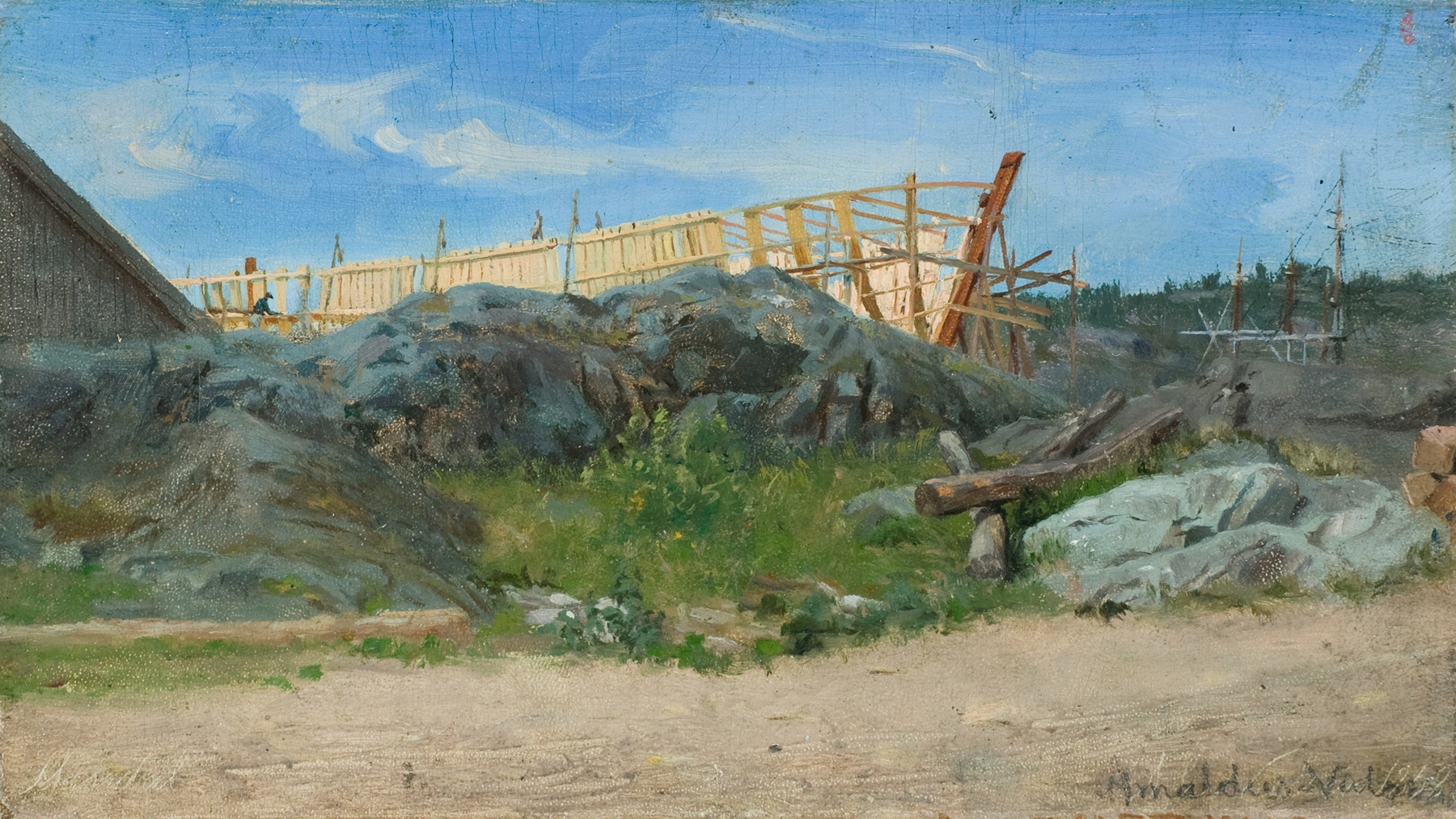
Could a single brushstroke hold eternity? In Høst. skogsfjord, Mandal, the soft hues of autumn whisper the deep-seated loneliness that often accompanies transition. The landscape is both inviting and isolating, a gentle reminder of the solitude embedded in nature’s cycles. Look to the serene water in the foreground, where the faint reflections of the trees create a mirror-like quality that draws the eye.
Notice how the warm oranges and yellows of the foliage contrast with the cool blues of the water, evoking a sense of harmony amidst the solitude. The brushwork is deliberate yet fluid, conveying the soft rustle of leaves in the crisp air. Each stroke is a testament to the artist's command over color and texture, capturing the ephemeral beauty of a fleeting moment. Within the layers of paint, emotions intertwine—there exists a serene beauty that speaks of longing, as if the trees themselves yearn for the warmth of summer. The interplay of light and shadow enhances this sense of melancholy, suggesting that each passing season carries with it a story of loss and renewal.
The solitude of the scene invites contemplation, evoking the profound connection between human experience and the natural world. In 1863, Amaldus Nielsen painted this work during a period marked by an exploration of nature’s beauty in Norwegian art. He was influenced by the Romantic movement and the contemporary emphasis on landscape painting. Living in a time of artistic transition, Nielsen sought to capture not just the visual aspects of the landscape but also its emotional resonance—a reflection of his personal contemplation and the cultural shifts occurring around him.