Huisje bij de Scheldedijk — History & Analysis
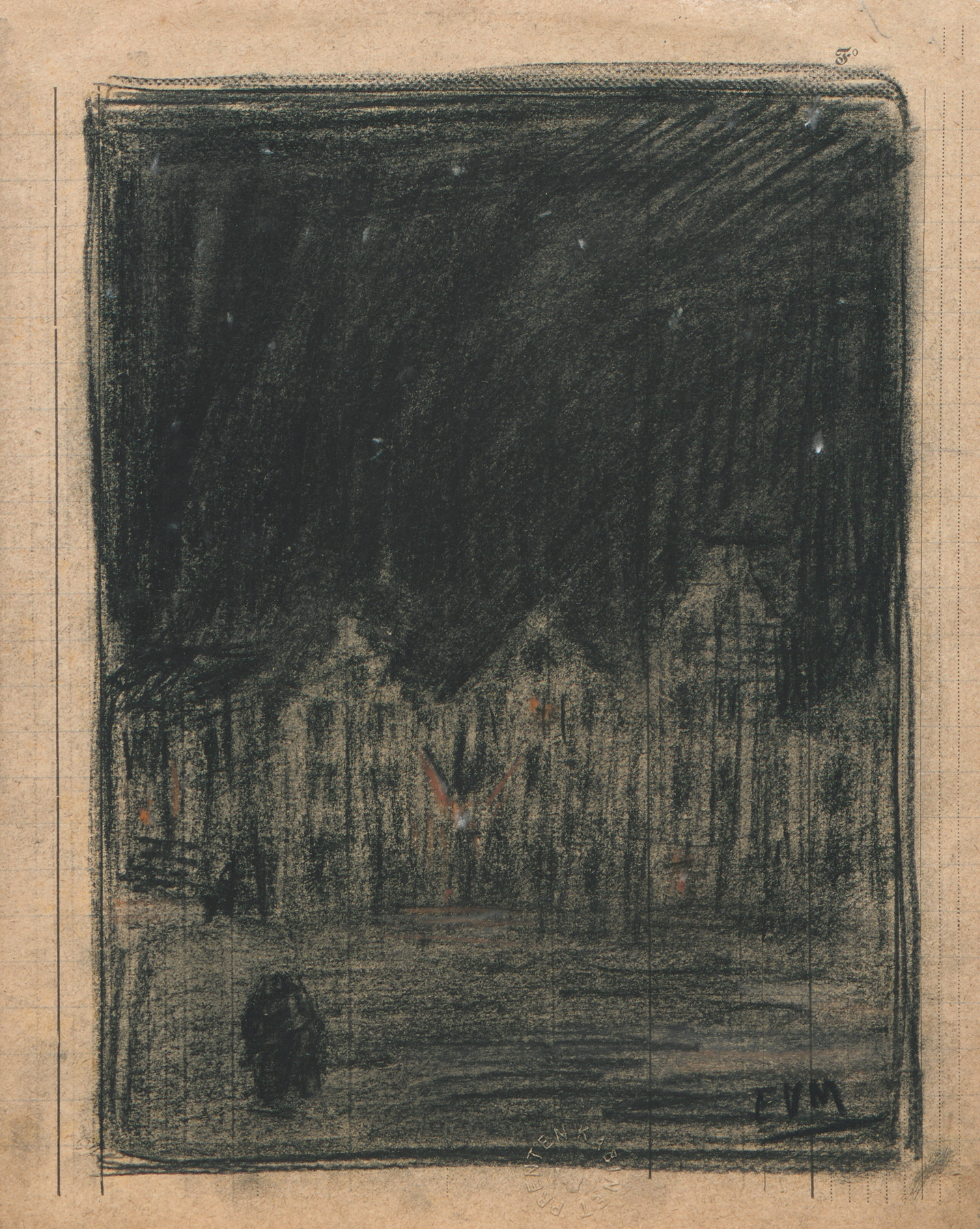
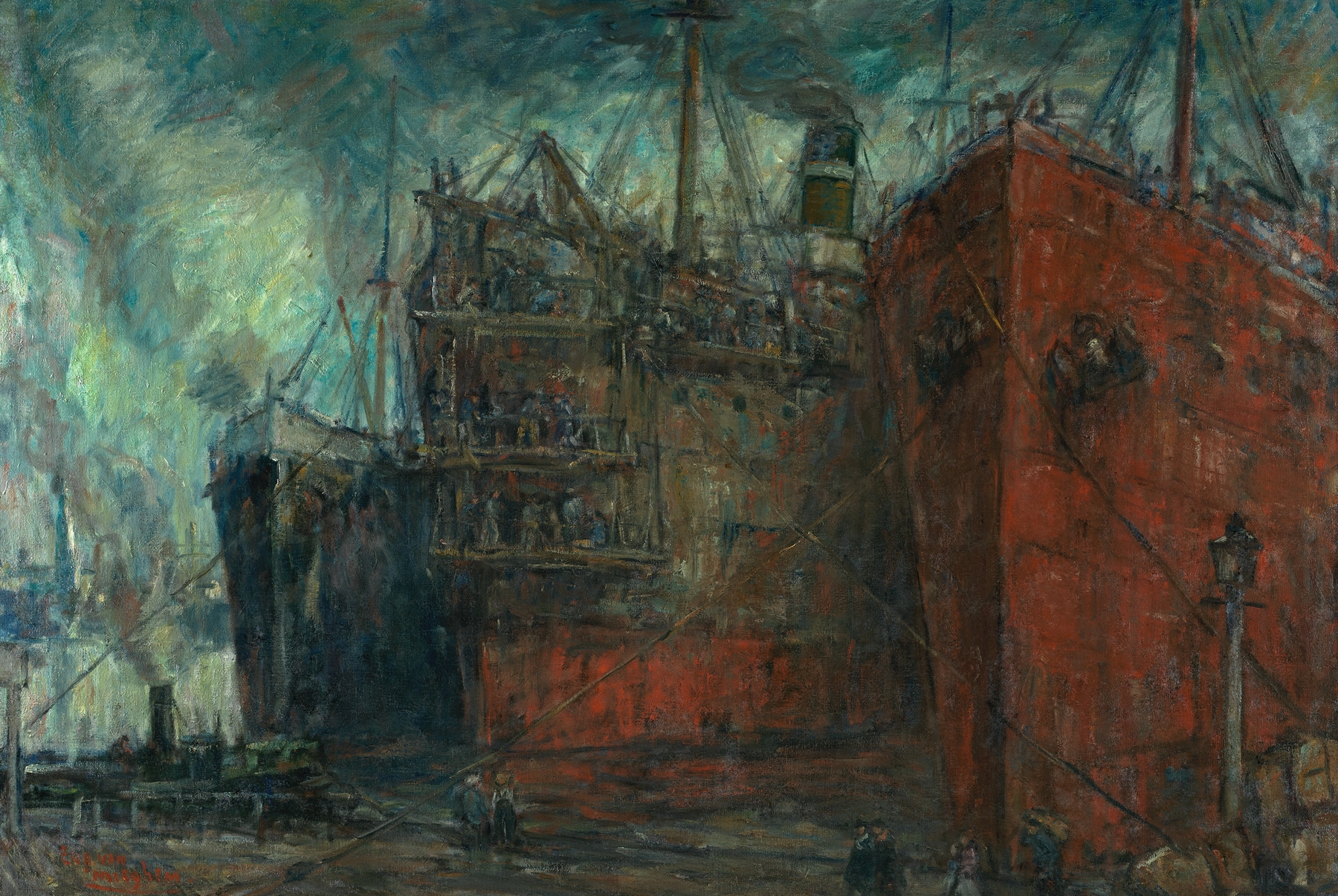
What secret hides in the quiet of the canvas? In the gentle embrace of Eugeen Van Mieghem's Huisje bij de Scheldedijk, desire whispers through the stillness, begging to be unearthed beneath the serene exterior. Look to the left at the tiny, modest house nestled close to the riverbank. The soft pastel hues blend harmoniously with the earthy tones of the landscape, evoking a sense of tranquility. The subtle play of light dances on the water's surface, creating a reflective quality that draws your eye toward the horizon, where the sky meets the river.
This composition, framed by delicate trees, unveils the intimate relationship between nature and human existence, encapsulating a moment of quietude. Yet, within this stillness lies an emotional tension. The solitary house, surrounded by expansive nature, suggests a yearning for connection, perhaps hinting at the isolation felt by its inhabitants. The juxtaposition of the vibrant landscape and the muted structure evokes a longing for belonging, inviting the viewer to ponder the stories that unfold within those humble walls.
Each brushstroke captures the essence of desire — both for companionship and for a deeper understanding of one’s place in the world. In 1899, Van Mieghem painted this piece during a time when he was deeply influenced by the intimate landscapes of his native Belgium. Living in Antwerp, he was immersed in a burgeoning artistic environment that embraced naturalism, which sought to depict everyday life with honesty and sensitivity. This work reflects his dedication to capturing the essence of ordinary moments, ultimately resonating with the universal human experiences of longing and solitude.