Winter op de St.-Aldegondiskaai — History & Analysis
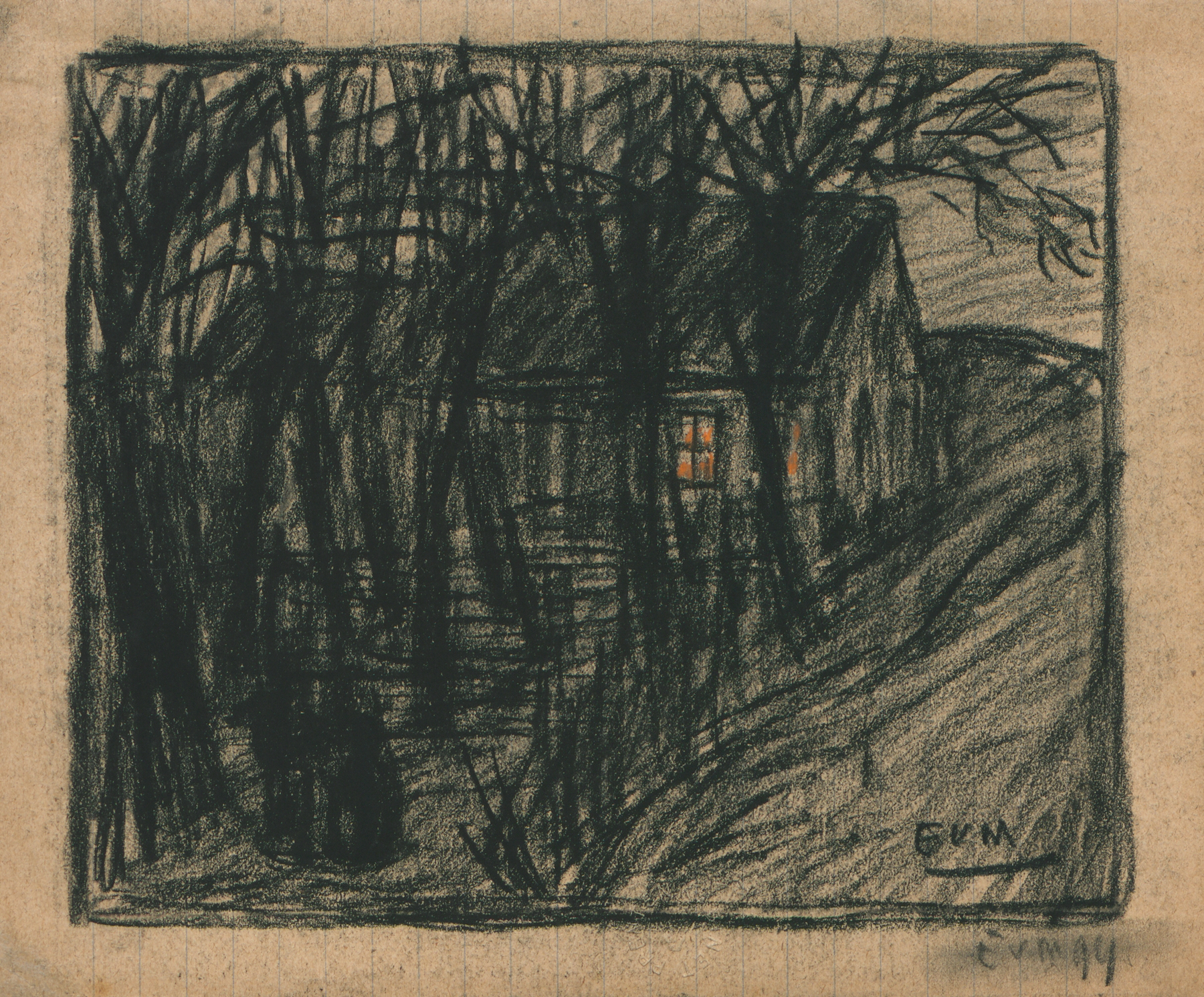
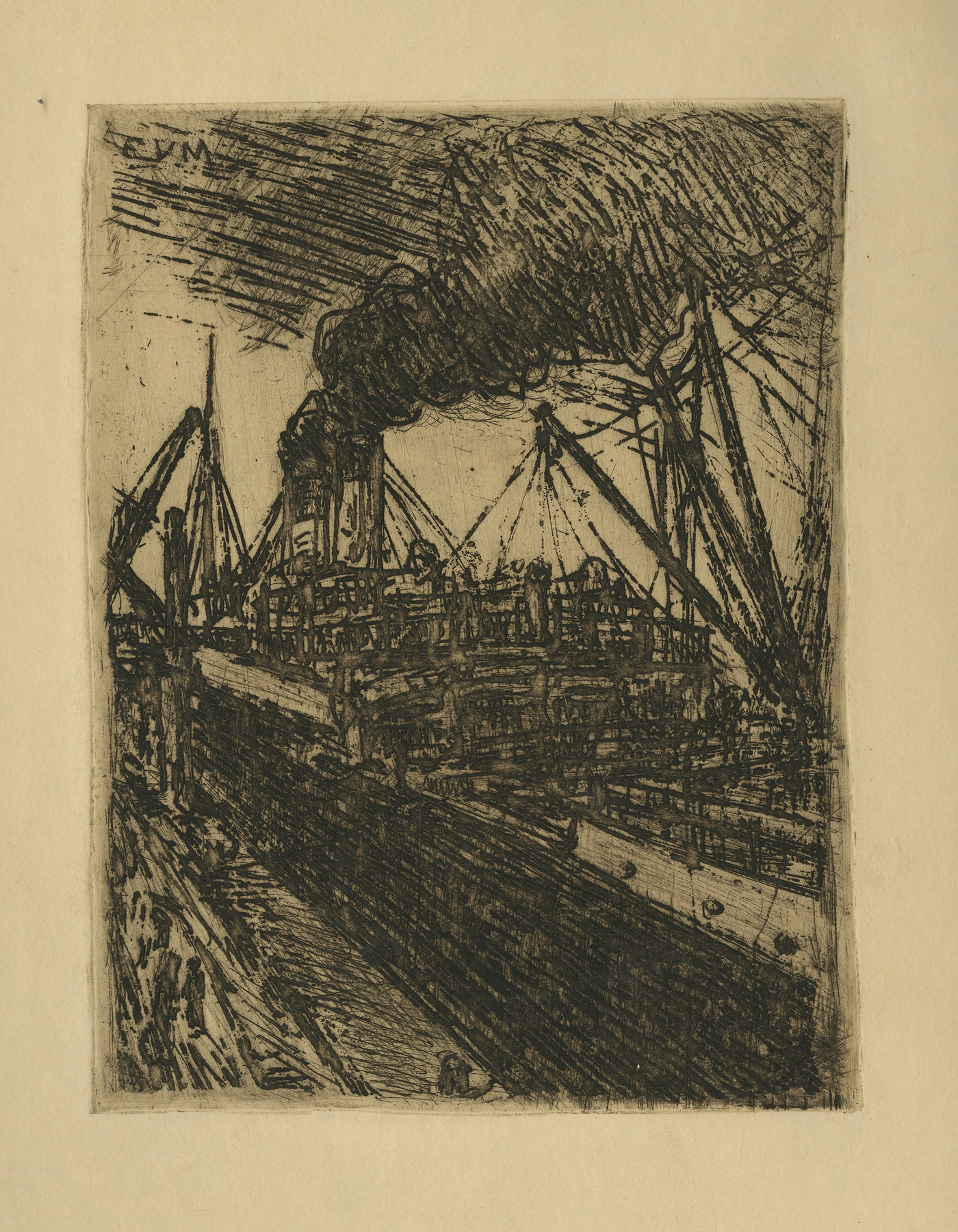
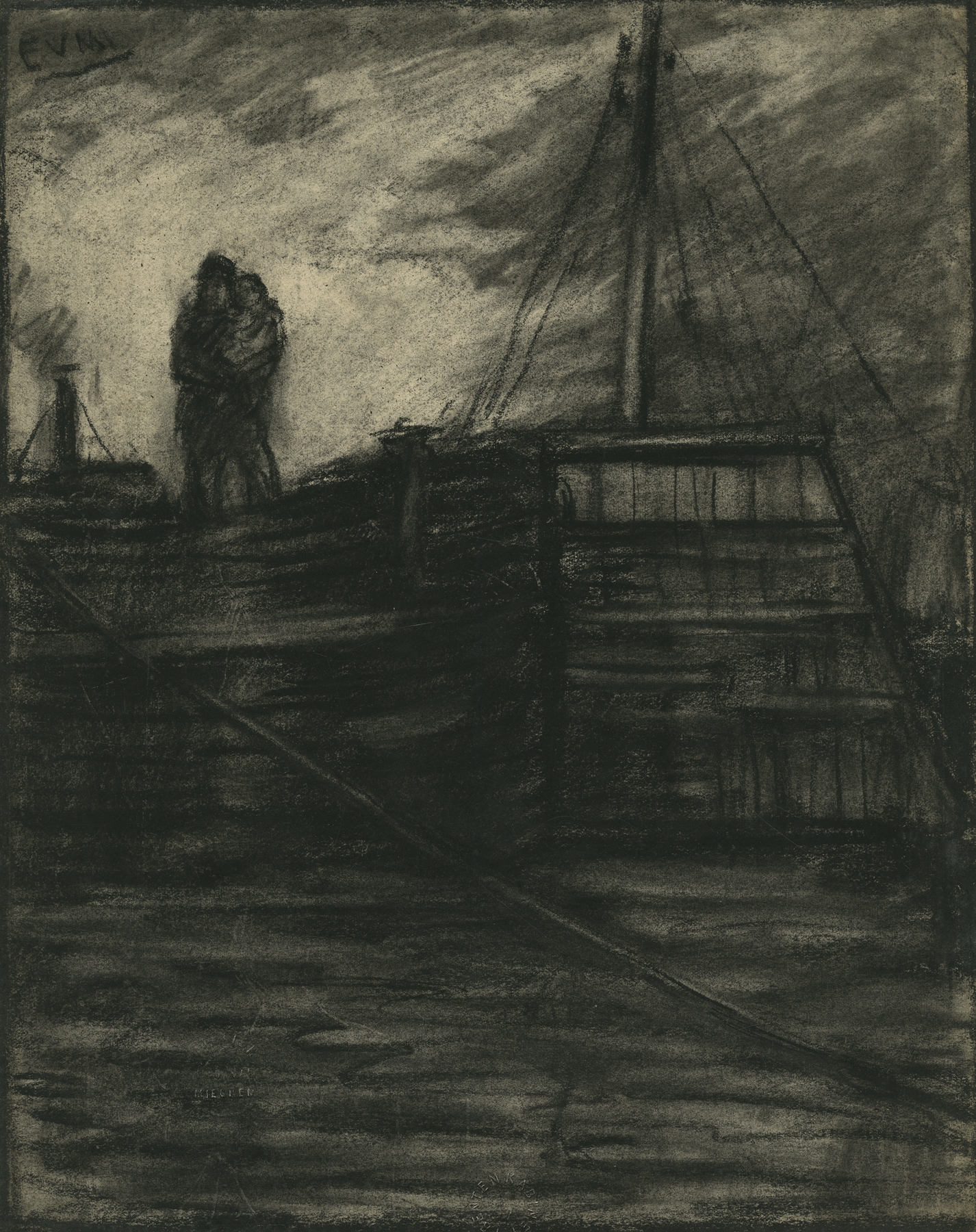
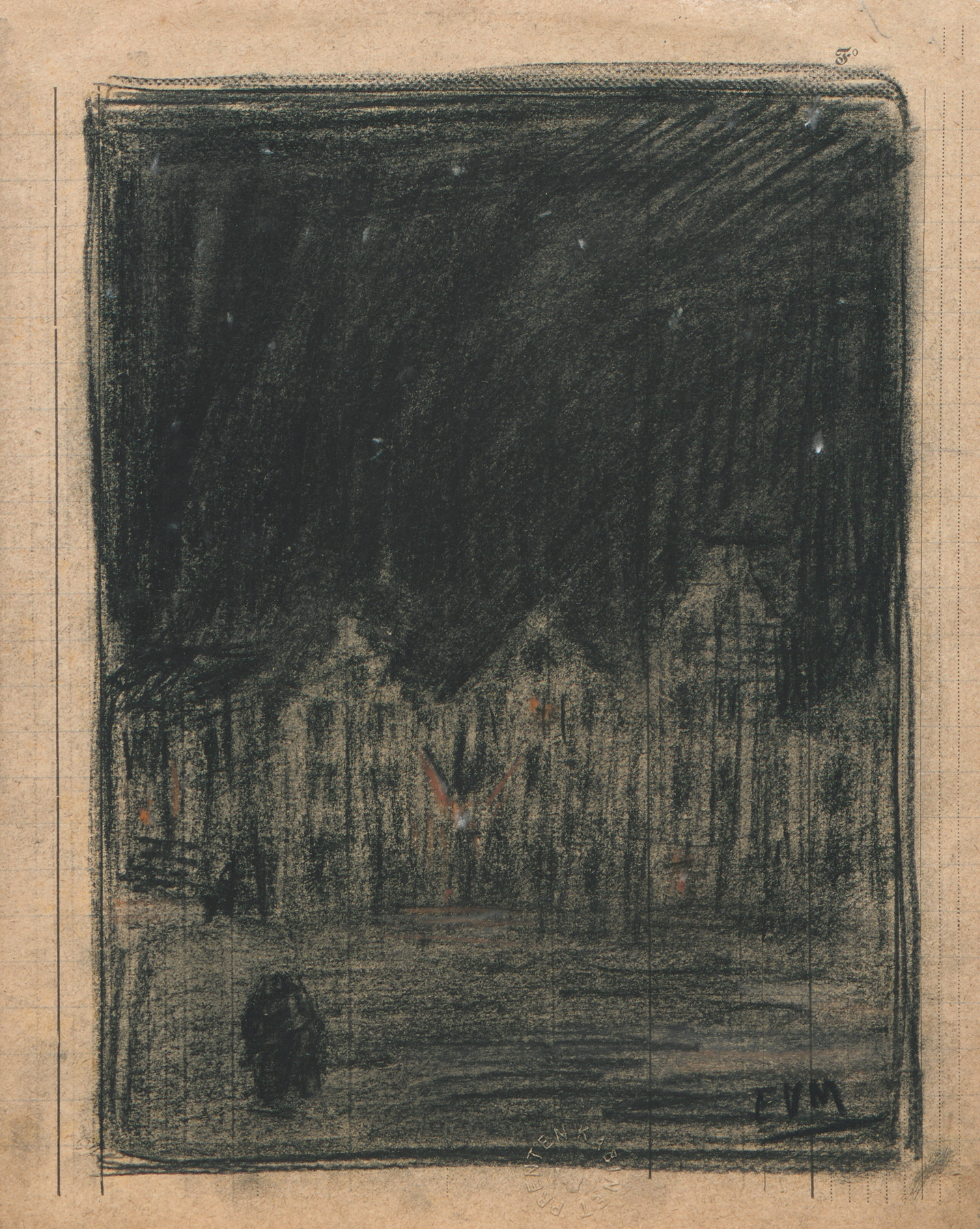
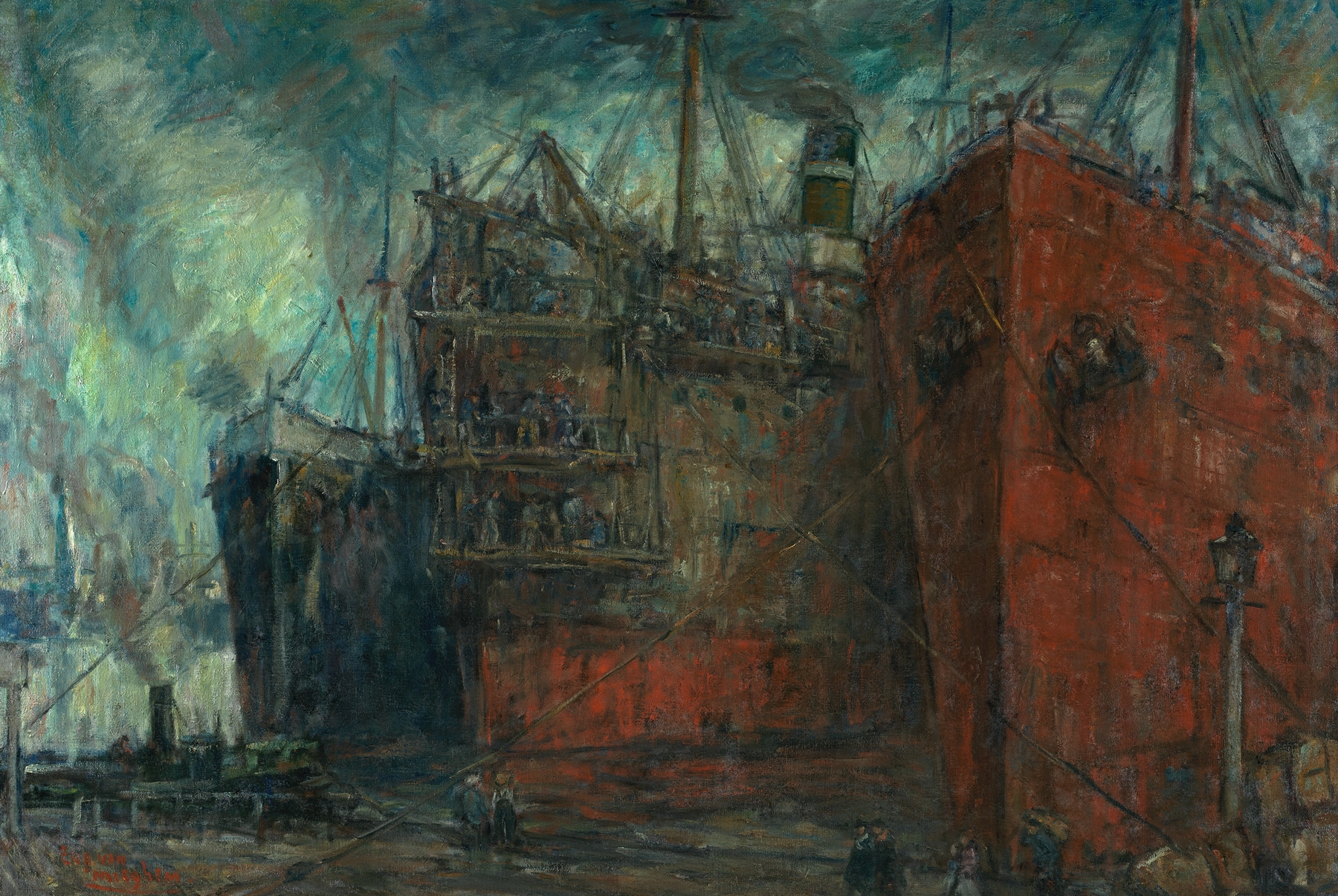
What if silence could speak through light? In Winter op de St.-Aldegondiskaai, muted tones whisper the narrative of a cold city landscape, inviting viewers to listen closely to the unvoiced stories of the people within it. The painting captures a moment where tranquility reigns, yet the chill of winter permeates every corner, urging us to reflect on our own solitude amidst the vibrancy of life. Look to the center, where a narrow canal winds between buildings. Notice how the icy blue and gray hues dominate the scene, lending it an air of stillness.
The stark contrast of white snow against the darkened façades of the structures draws your eye, while soft, golden accents peek through the windows, suggesting warmth and life hidden indoors. The brushwork is loose yet deliberate; the artist's technique evokes a sense of movement in the otherwise static atmosphere, as if the very air is heavy with the promise of a fleeting moment. Delve deeper into the subtle interplay of light and shadow that composes the scene. The cool palette not only signifies the biting cold but speaks to the emotional weight of winter—a time of introspection and pause. The figures, shrouded in layers, exude an air of detachment, symbolizing both unity and isolation within the urban tapestry.
Each stroke invites contemplation on the human condition, evoking the bittersweet beauty found in solitude. Created in 1912, this work emerged during a pivotal period for Eugeen Van Mieghem, who was deeply influenced by the social changes and urban development in Belgium. Living in Antwerp, he captured the essence of city life, reflecting the struggles and resilience of its inhabitants. This painting stands as a testament to a time when artistic expression was merging with the realities of modern existence, rendering poignant the interplay of color and emotion in a world on the cusp of transformation.