Havengezicht met schepen en sleepboten — History & Analysis
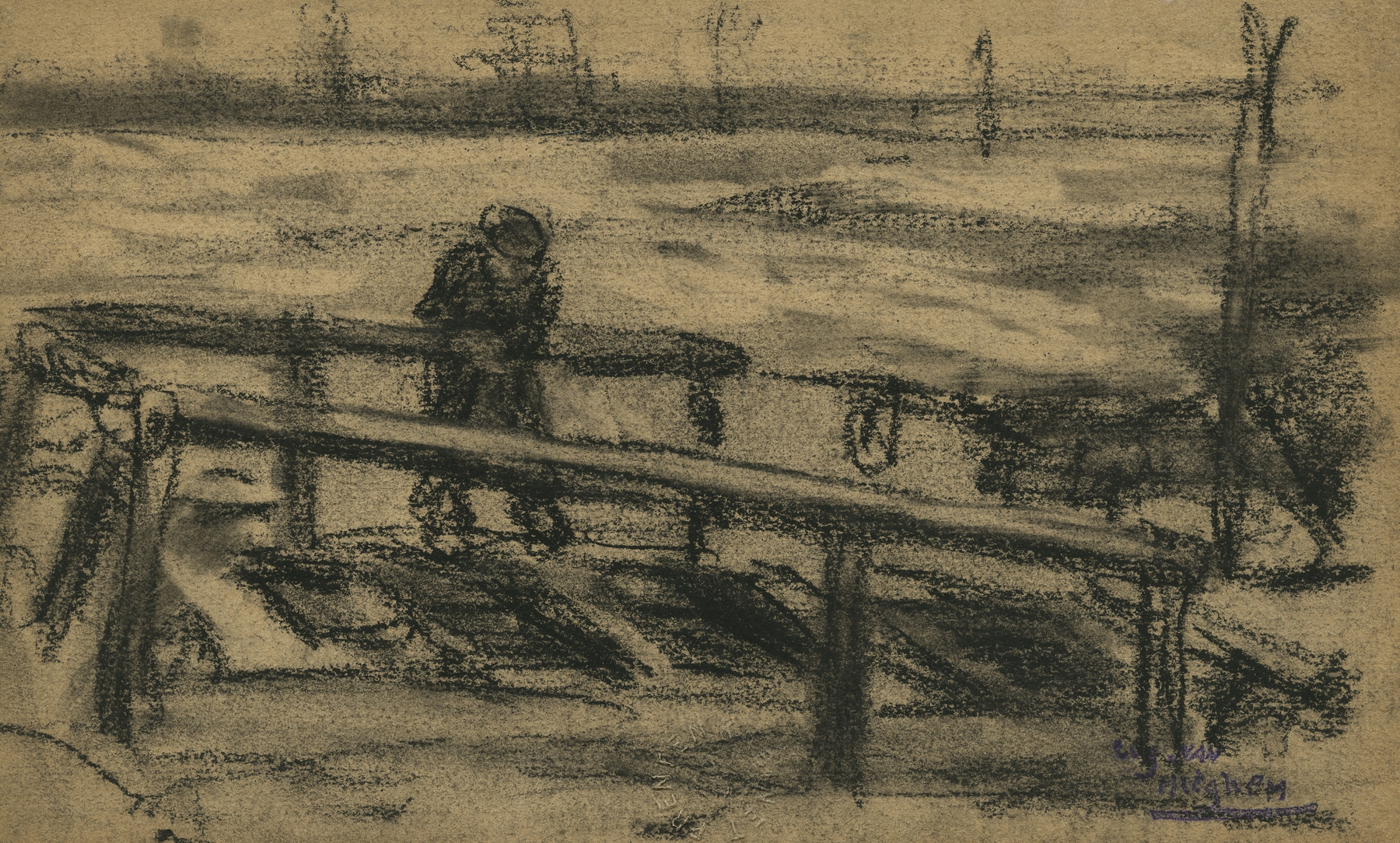
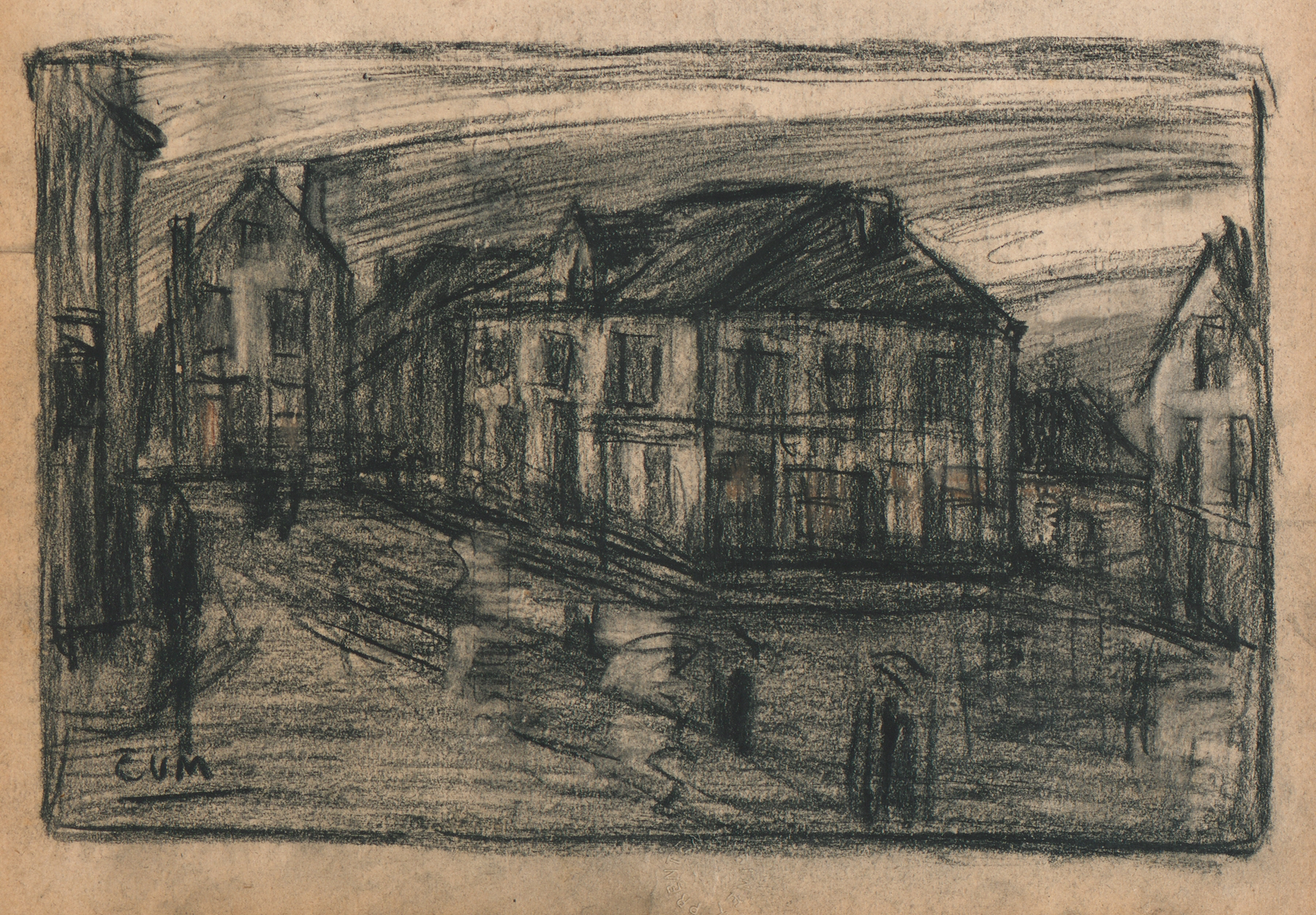
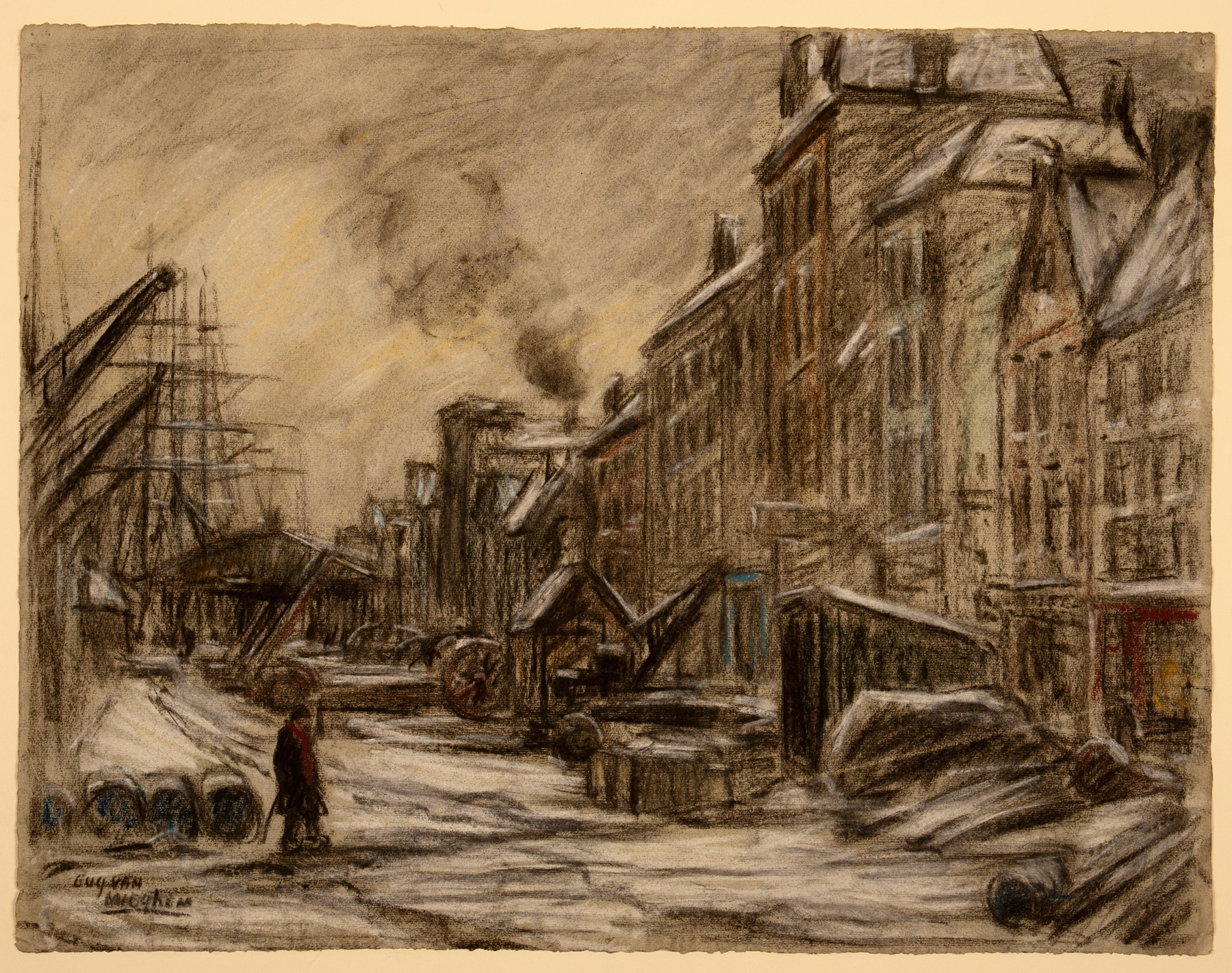
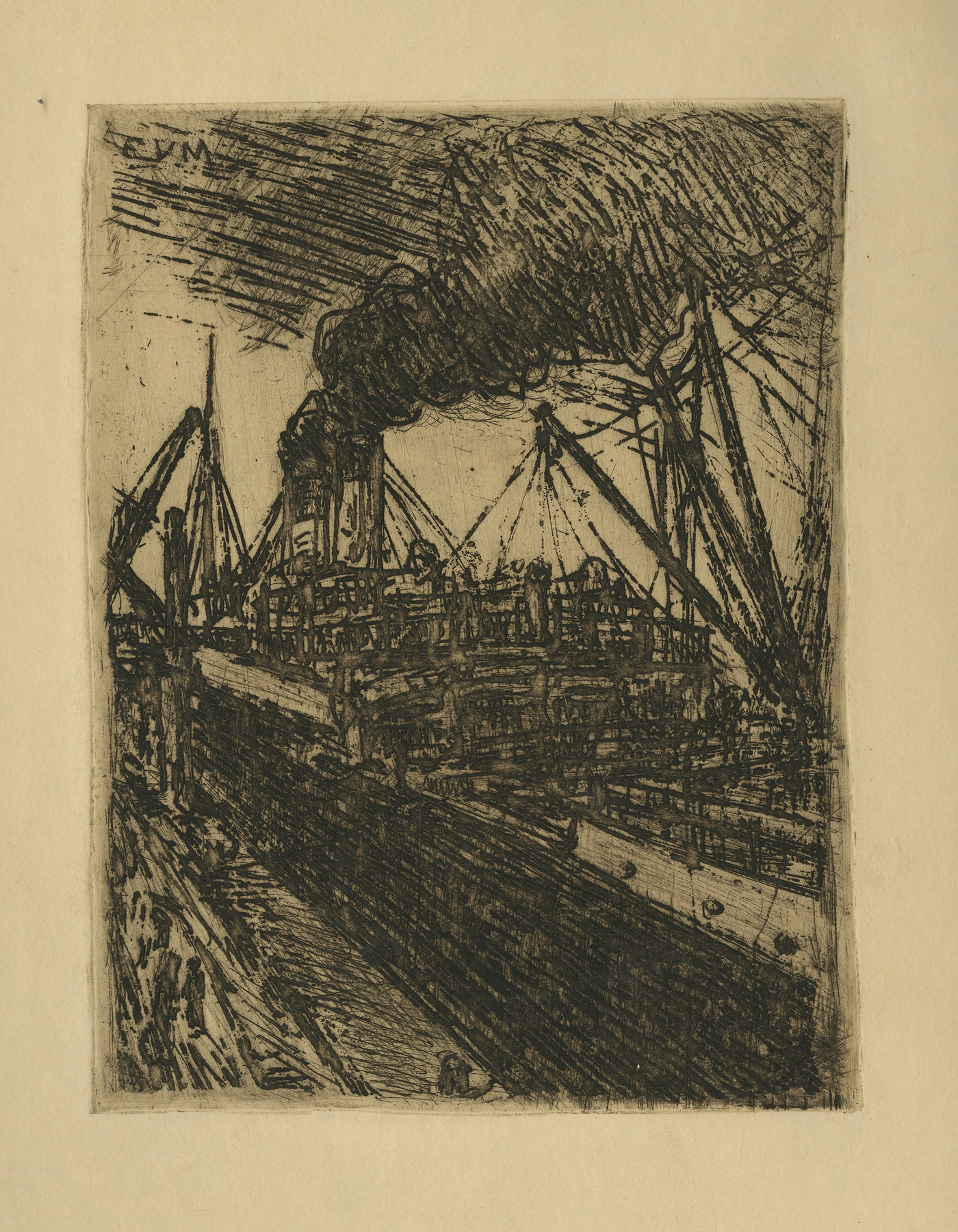
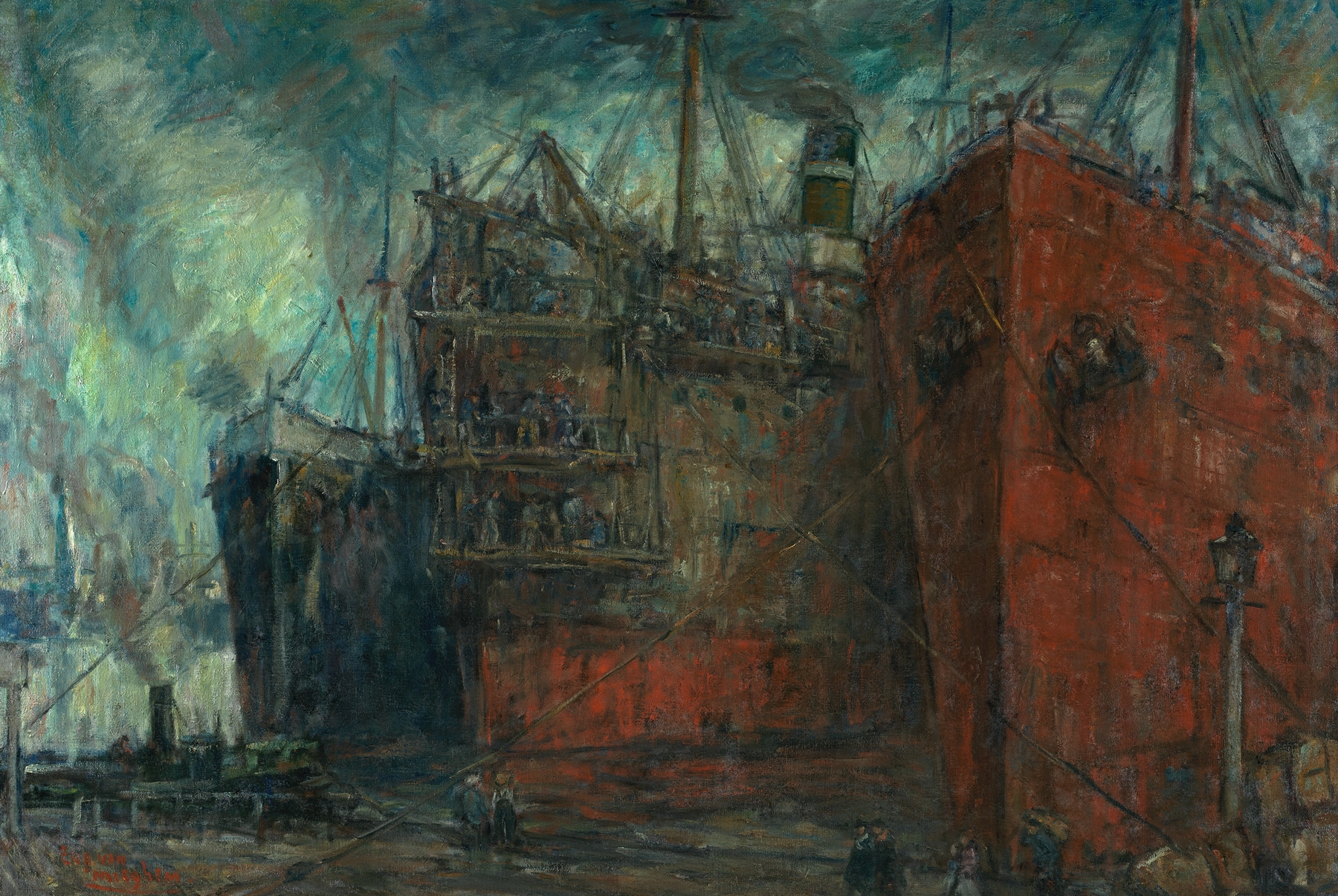
Can beauty exist without sorrow? In the depths of our struggles, often we discover the delicate threads of rebirth woven into the fabric of life. Look to the left at the fleet of ships, their silhouettes merging with the horizon where sea and sky collide in muted blues and grays. The soft brushstrokes evoke a sense of calm while hinting at the hidden turbulence beneath the surface.
Notice how the light plays across the water's surface, casting glimmers that reflect both hope and uncertainty, leading your gaze toward the industrious tugs that steadfastly navigate through the movement of waves. As you explore further, consider the contrast between the graceful vessels and the robust tugboats. This juxtaposition speaks to the duality of existence — the aspirational nature of beauty versus the gritty reality of labor. Each ship tells a story of journeys taken and battles fought, while the muted palette suggests an underlying melancholy.
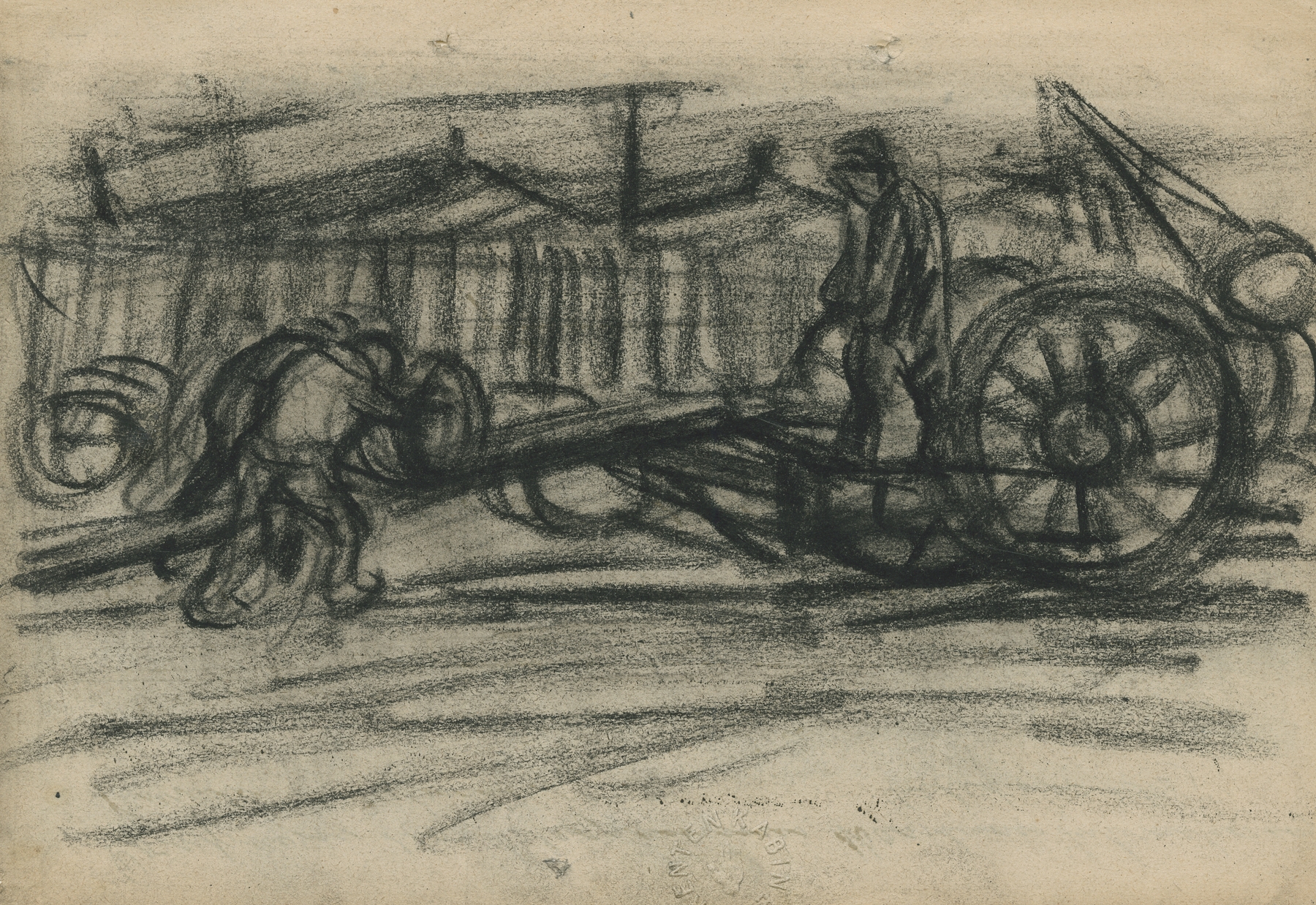
The scene encapsulates the essence of rebirth: through toil and struggle, life renews itself, even amidst the weight of sorrow. Eugeen Van Mieghem painted this work during a time of personal and social upheaval, likely in the early 20th century. Living in Antwerp, he was influenced by the industrial landscape and the lives of the working class, often capturing their struggles against the backdrop of society's changes. This painting reflects his commitment to portraying the human condition, merging the beauty of maritime life with the realities faced by those in his community.