Huwelijk van Medoro en Angelica — History & Analysis
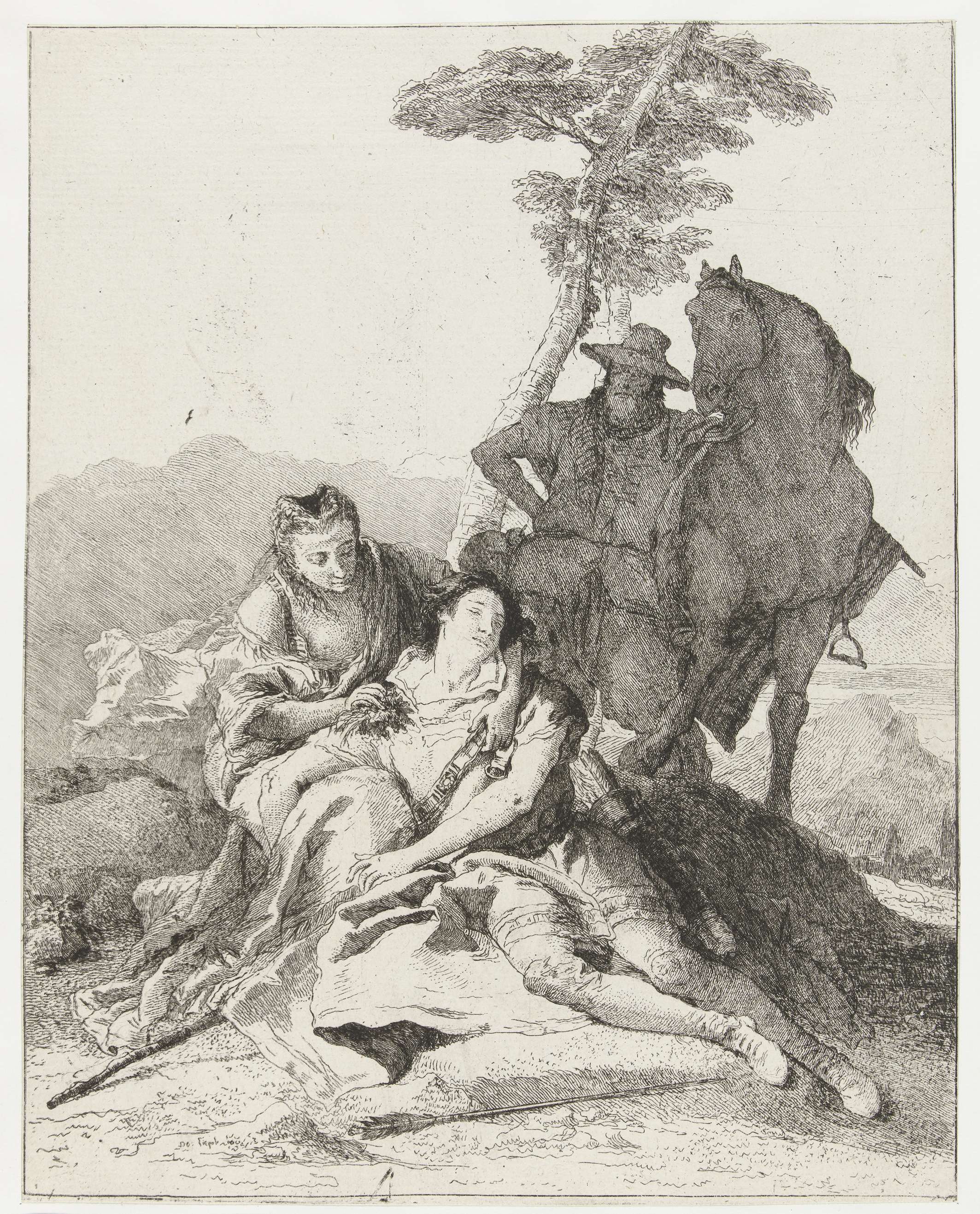
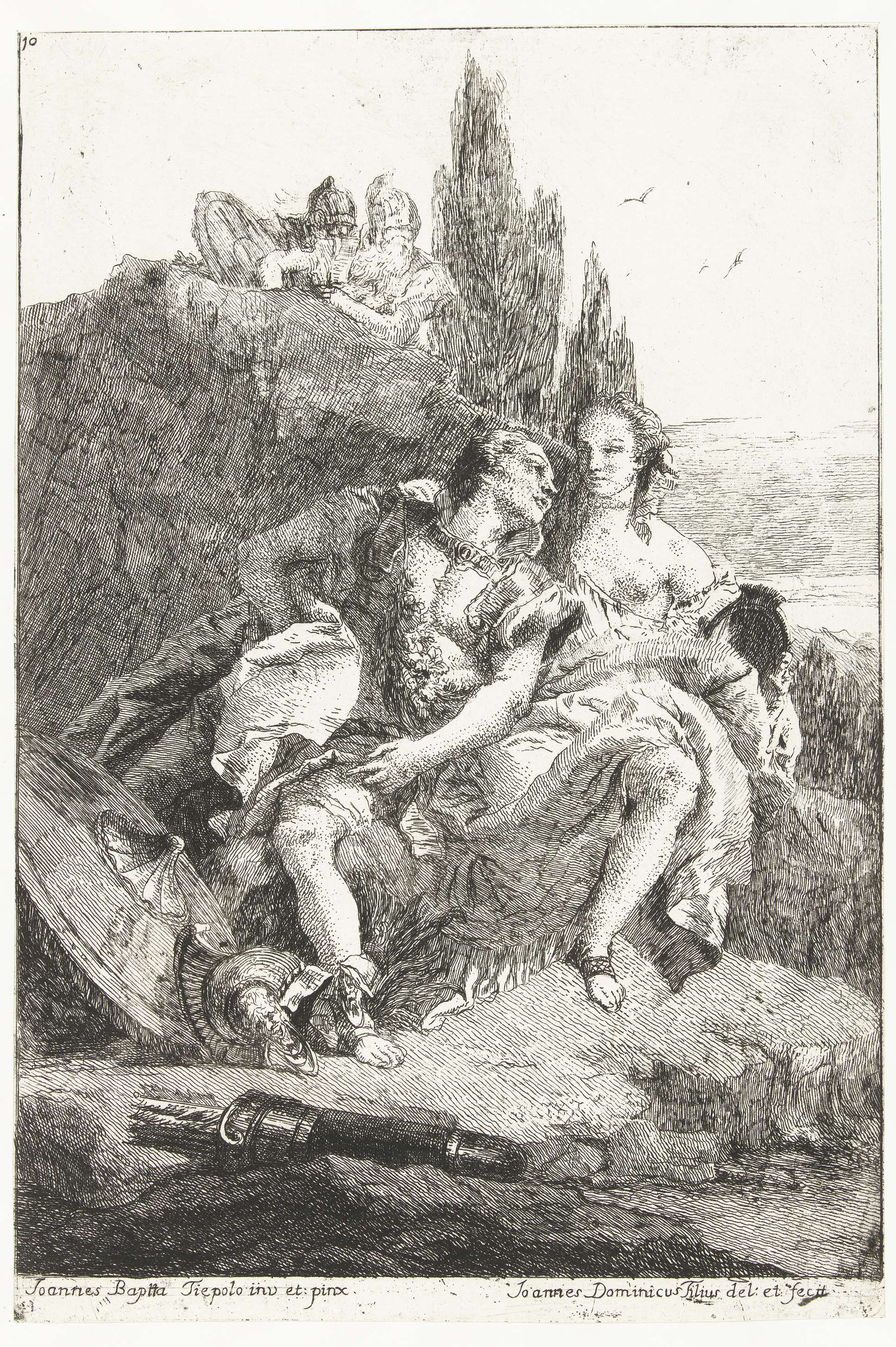
“Every silence here is a confession.” In the delicate embrace of innocence, love unfolds in the most unexpected ways, revealing hidden truths in the hearts of its beholders. Focus first on the central couple, where the radiant bride and her joyful groom stand amid a cascade of gentle colors — soft pinks and warm golds create an atmosphere of serene celebration. The figures are arranged in a harmonious composition, drawing the eye towards their entwined hands, an intimate gesture that speaks of trust and unity. Notice how light dances around them, illuminating their faces while casting gentle shadows that enhance the richness of their attire, emblematic of both status and the purity of their love.
Look closely at the surrounding figures — friends and family gathered in a tableau of joy and support, yet their varied expressions hint at deeper stories, perhaps jealousy or longing. The lush greenery in the background, interspersed with architectural details, signifies both growth and the stability of tradition. This juxtaposition of youthful exuberance with the weight of expectation offers a glimpse into the complexities of love, as innocence dances on the precipice of societal norms.
Tiepolo painted this work between 1757 and 1760 in Venice, a city pulsating with artistic innovation and cultural celebration. During this time, he was engaging in a shift toward more intimate subject matter, moving away from grand historical narratives to focus on personal relationships. This period marked a significant evolution in his style, as he sought to capture the delicate interplay of emotions through lighter compositions and tender interactions.