Inside the forest in the moonlight — History & Analysis
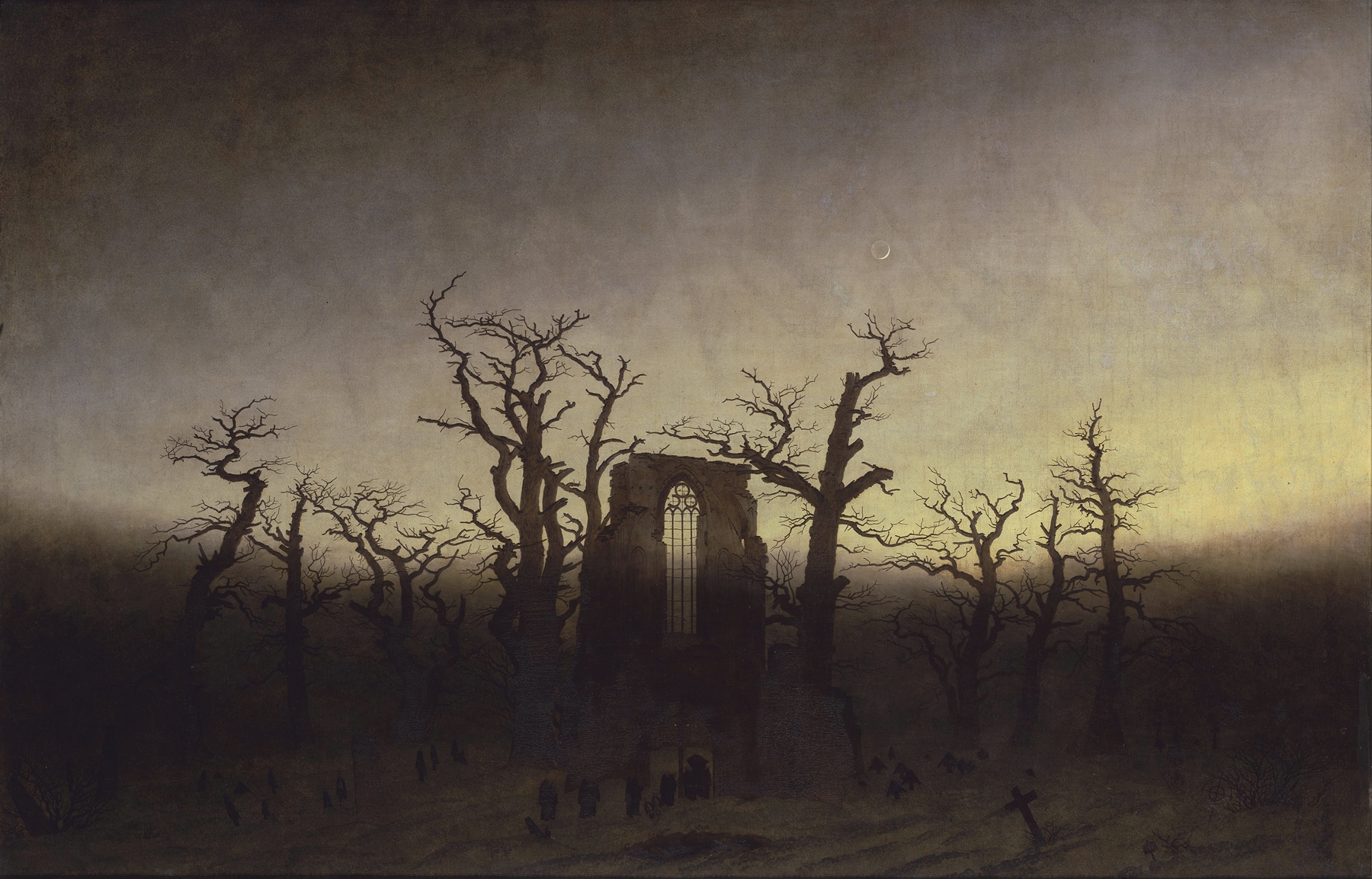
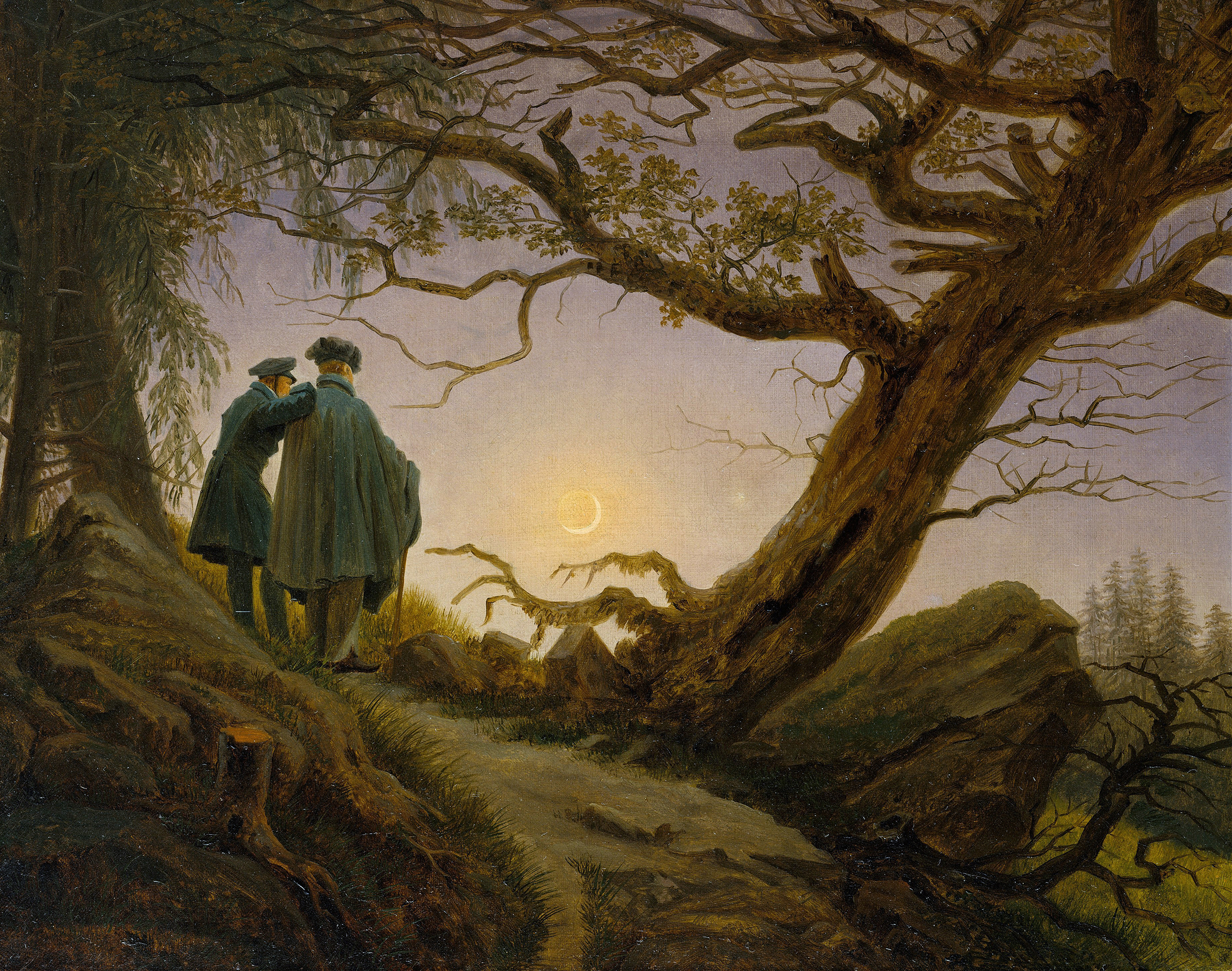
“To paint is to remember what time wants us to forget.” In the realm of nature’s embrace, fear lurks just beneath the veil of beauty, waiting to be unveiled. Look to the center of the canvas, where a shimmering moonlight pierces through the dense canopy. The silvery glow contrasts starkly with the deep greens and browns, illuminating the path that seems both inviting and treacherous. The trees stand tall and almost sentient, their twisted forms creating a labyrinth of shadows that beckon exploration yet warn of danger.
Notice how the brushwork varies: the smooth strokes in the moonlit areas against the jagged textures of the dark foliage evoke a palpable tension, a dichotomy between serenity and dread. As the viewer’s gaze wanders deeper into the forest, hidden meanings emerge. The moonlight serves not only as illumination but as a reminder of the fleeting nature of life, casting long shadows that suggest the presence of unseen threats. The stillness of the scene suggests an uncomfortable silence, where the beauty of the natural world entwines with the fear of the unknown.
Every tree stands as a sentinel, keeping secrets of the night, while the path ahead is both a journey into the self and a confrontation with our primal instincts. Created in 1823, this piece reflects Caspar David Friedrich’s deep engagement with Romanticism, a movement preoccupied with nature, the sublime, and human emotion. At this time, he was grappling with his own personal losses and the broader existential themes shaping Europe. The artwork emerges from a period of introspection, a moment when the artist sought to capture not just the landscape, but the human psyche’s interplay with the mysteries of the world.