Interior of a Church — History & Analysis
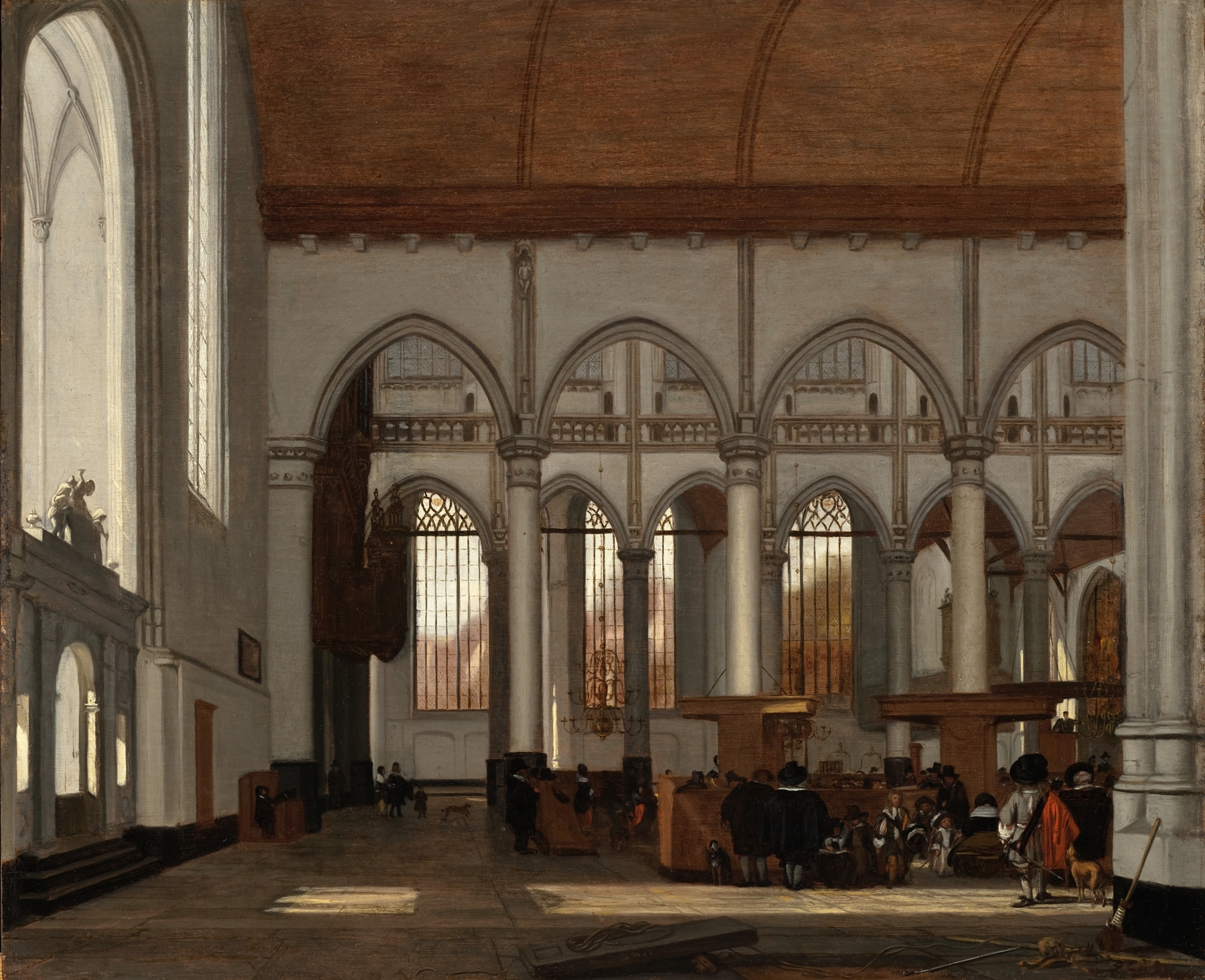
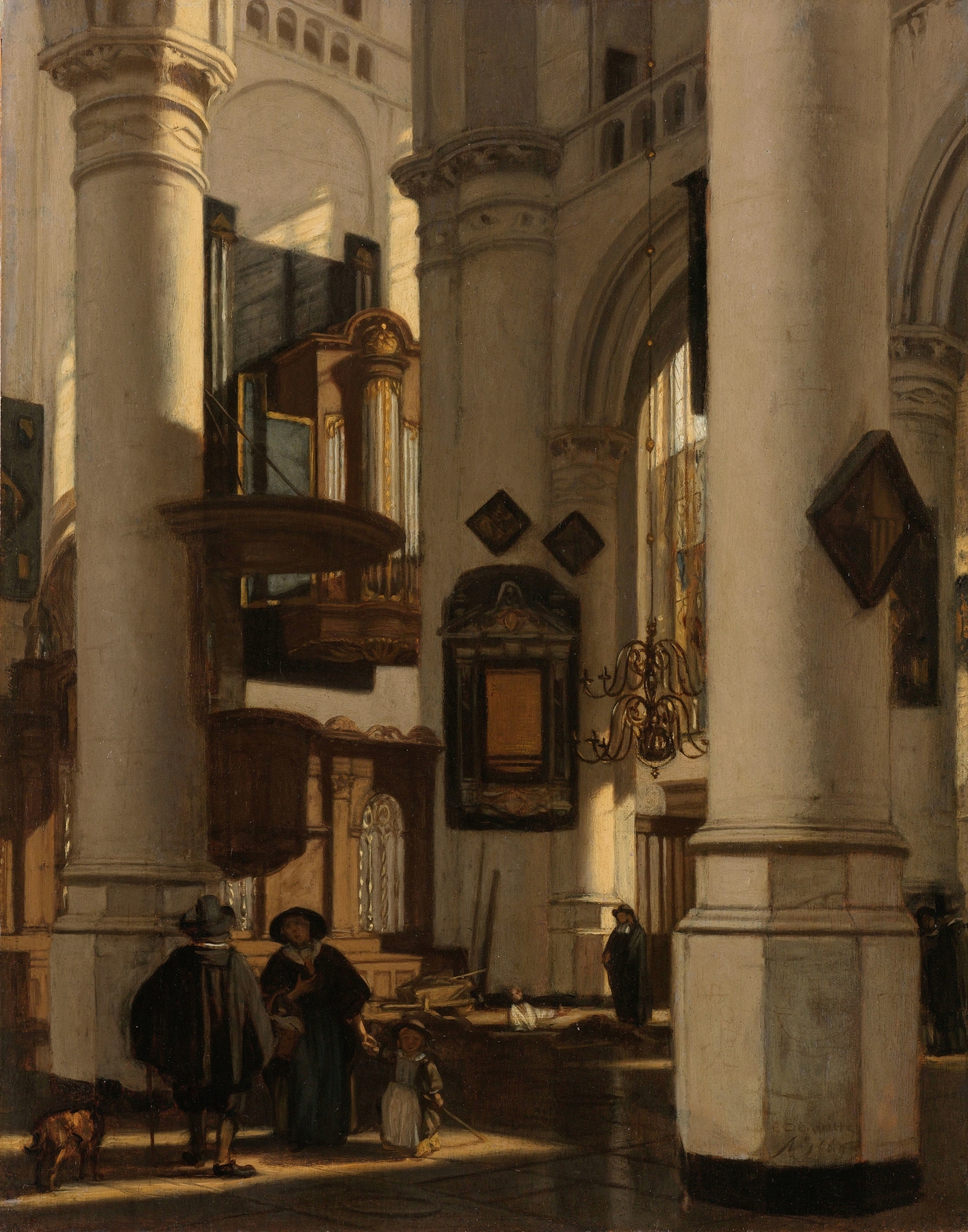
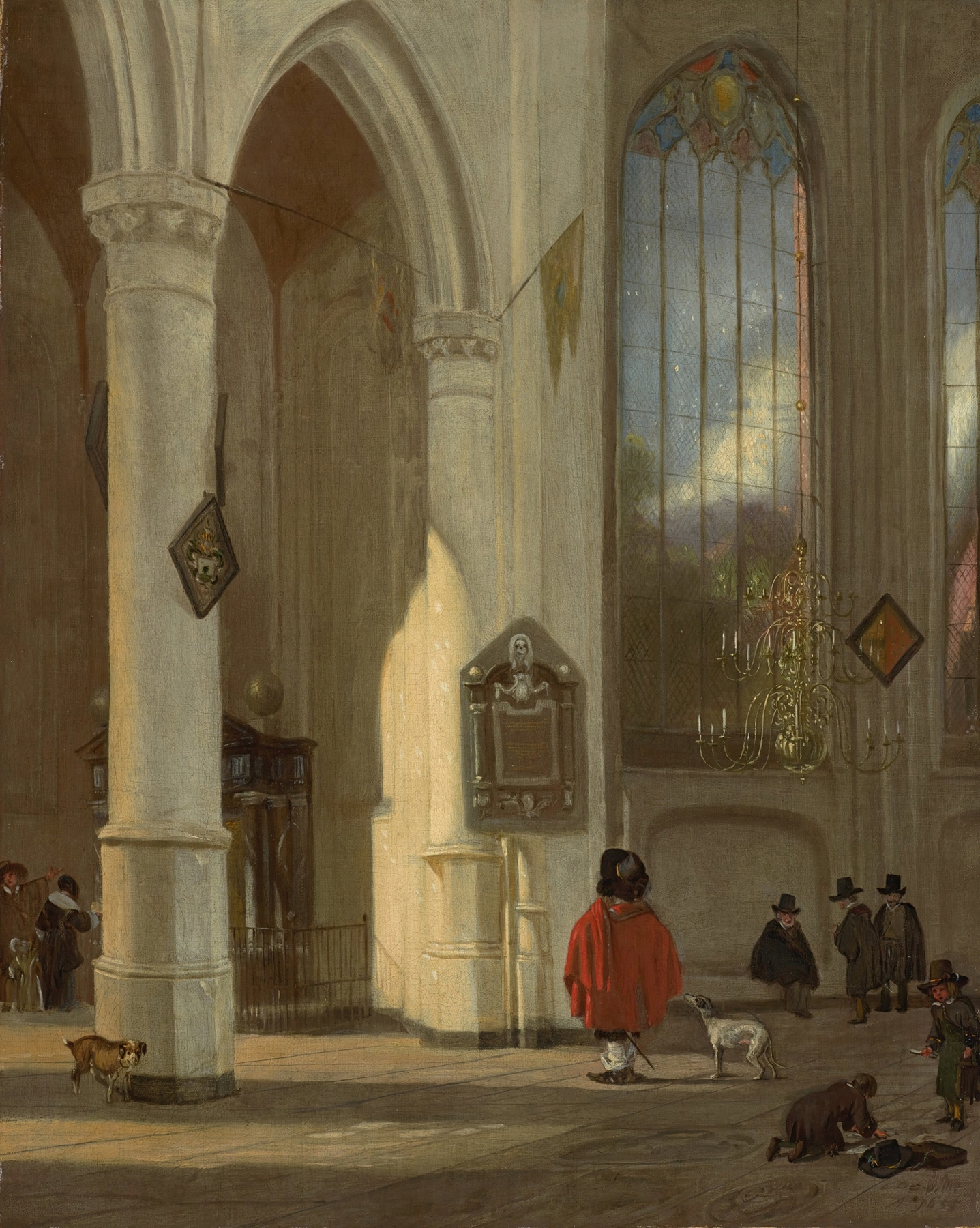
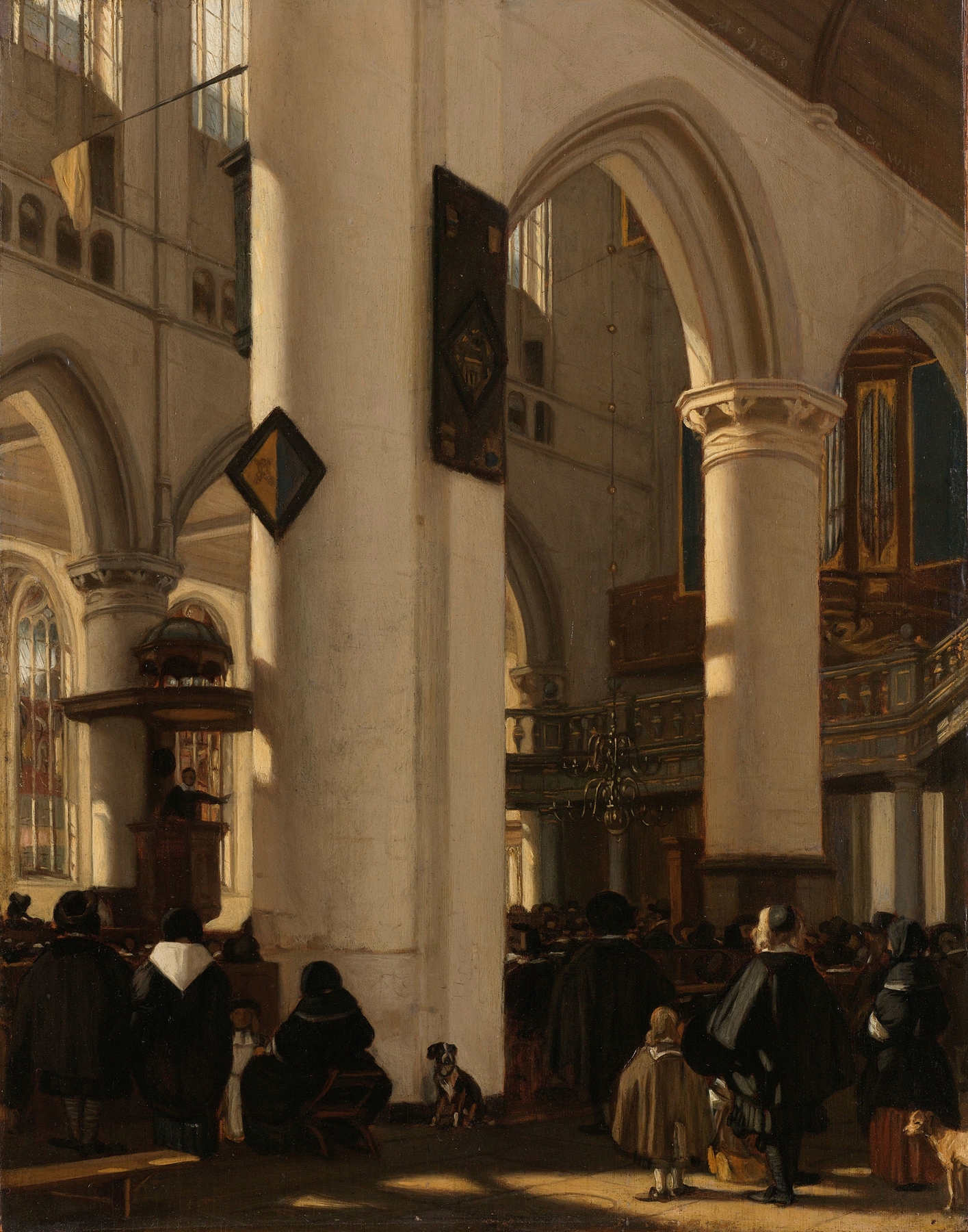
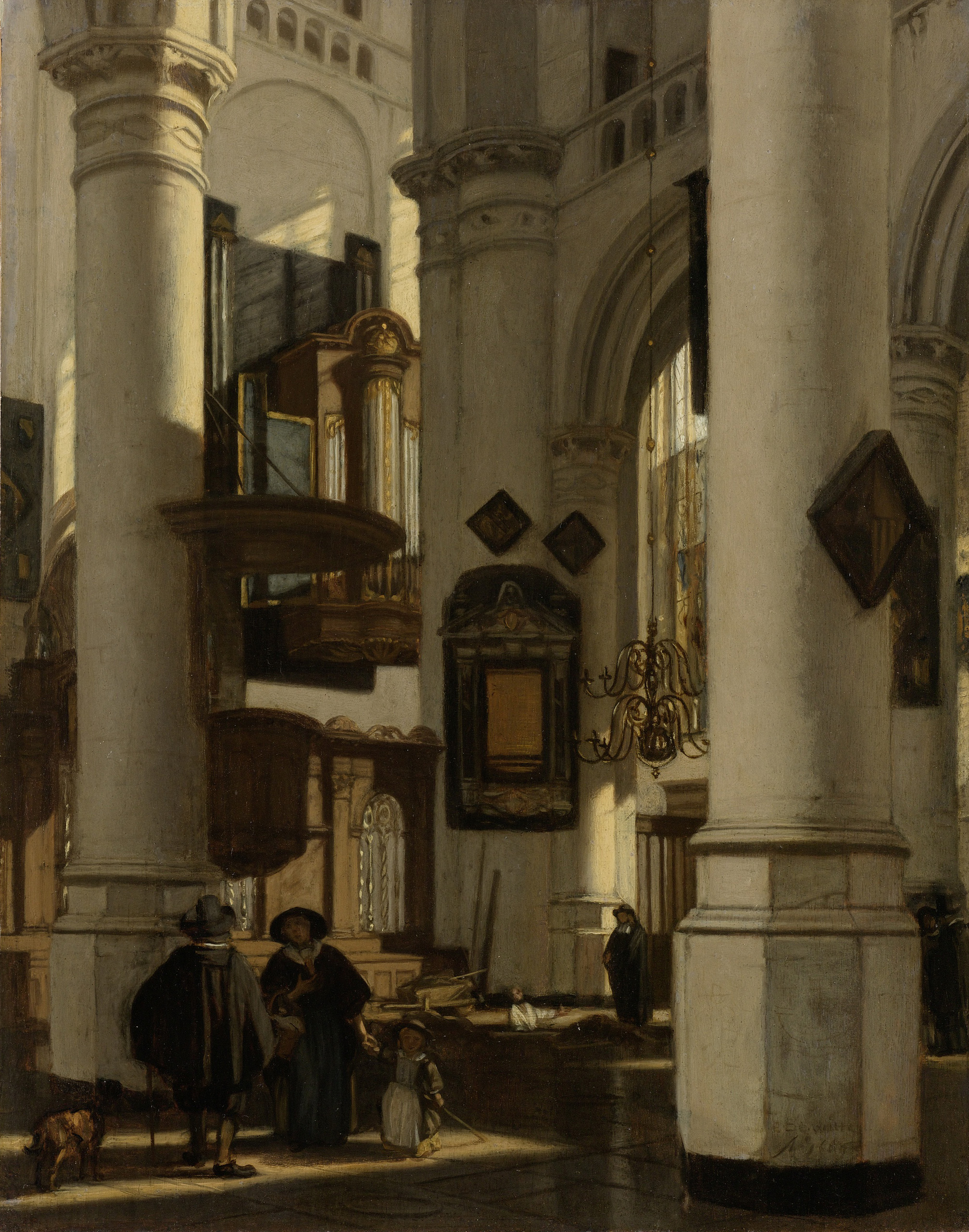
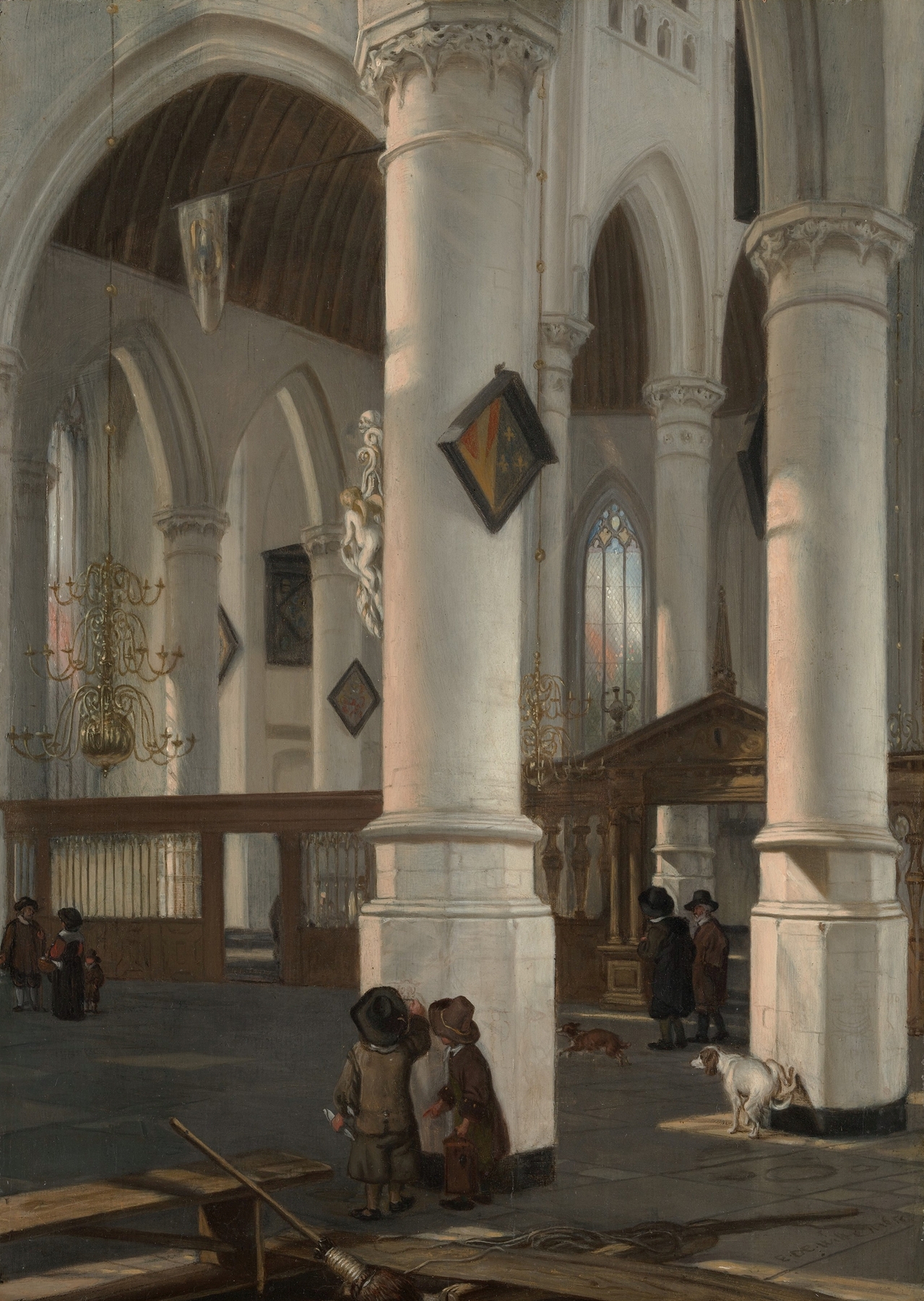
Could a single brushstroke hold eternity? Emanuel de Witte’s Interior of a Church invites viewers to explore the profound depths of memory and reverence woven within its serene confines. Look to the left at the gentle interplay of light filtering through the tall, ornate windows, casting delicate shadows upon the cool stone floor. Notice how the muted palette of earthy browns and soft grays encapsulates both warmth and solemnity, creating a timeless atmosphere.
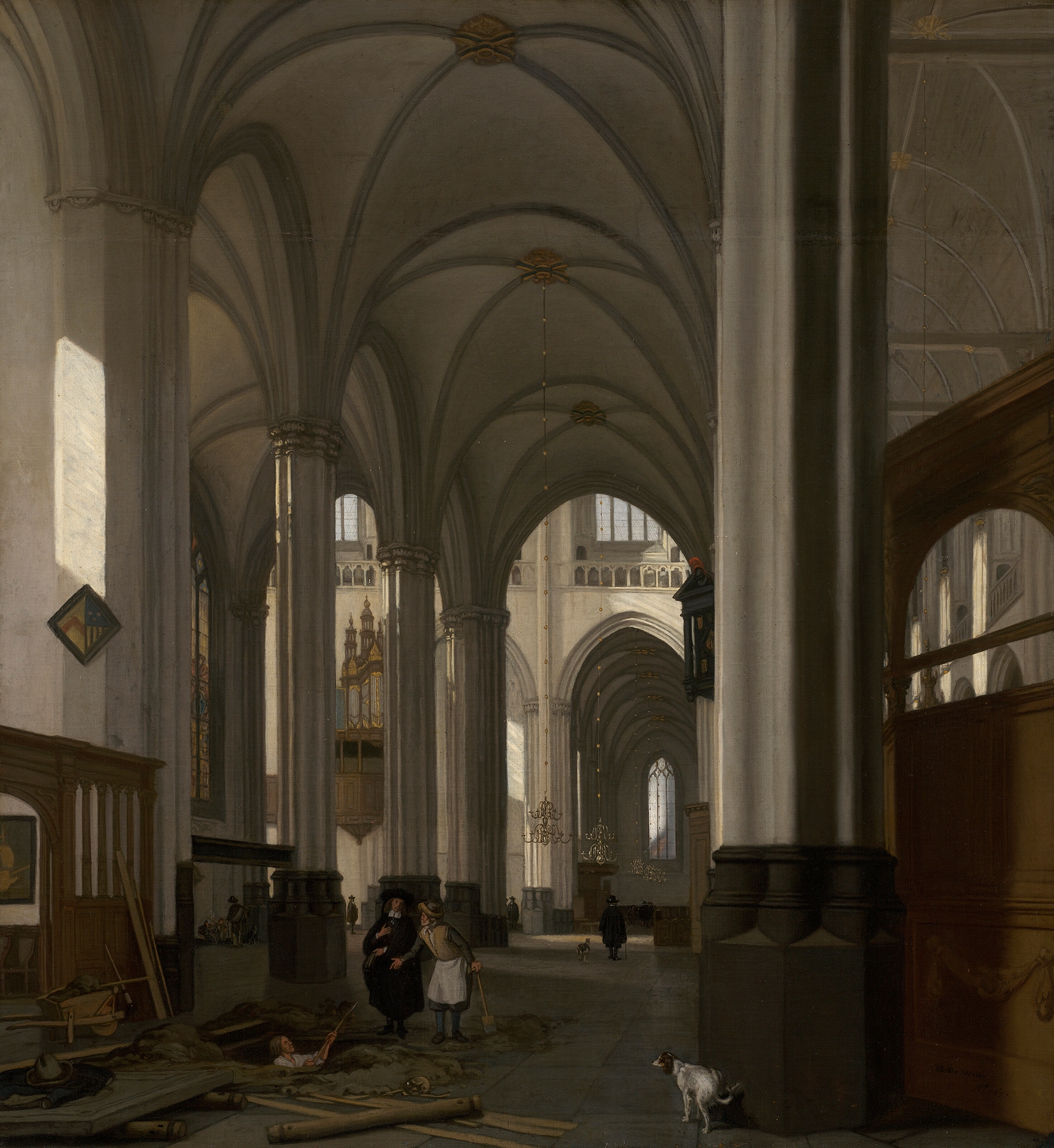
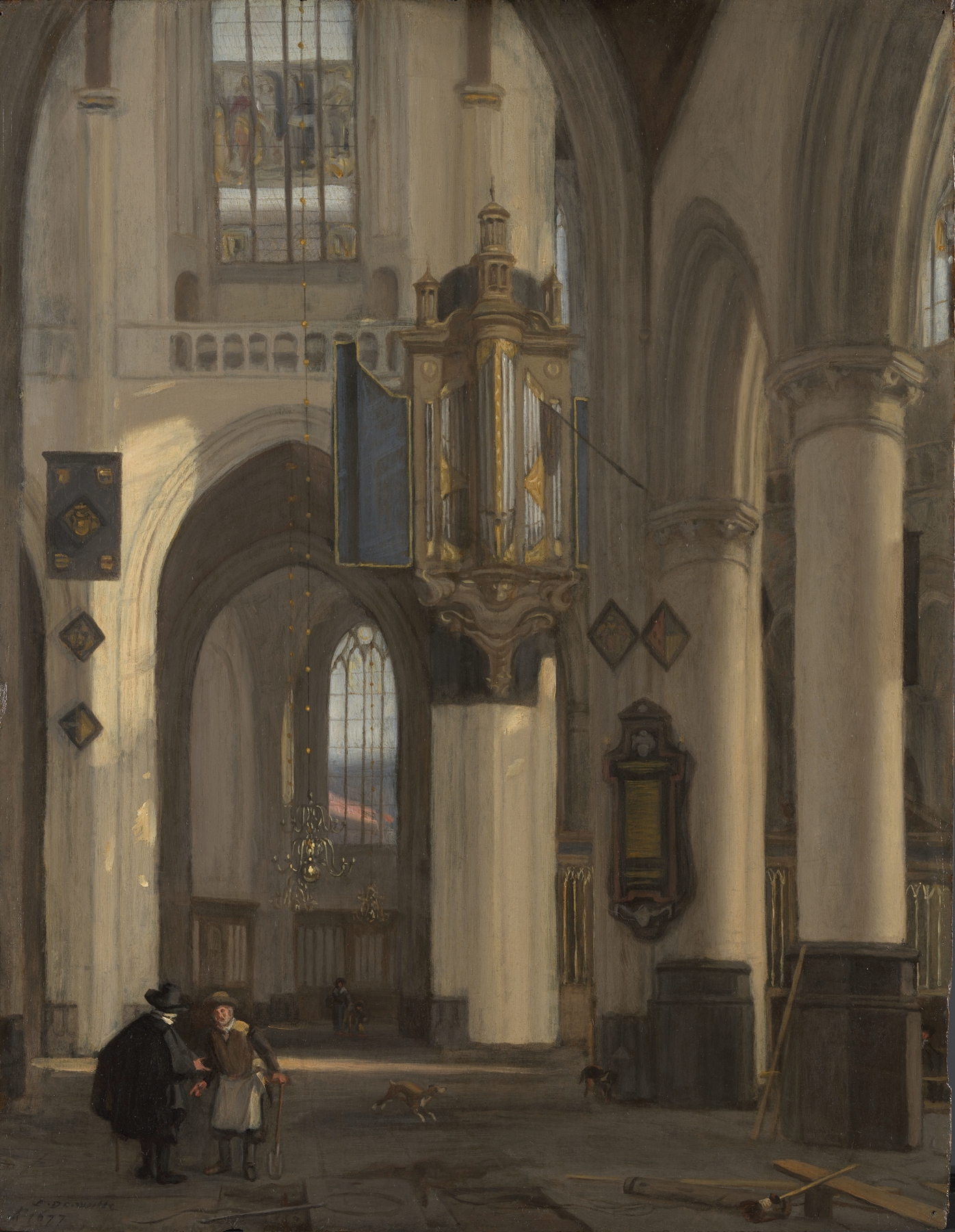
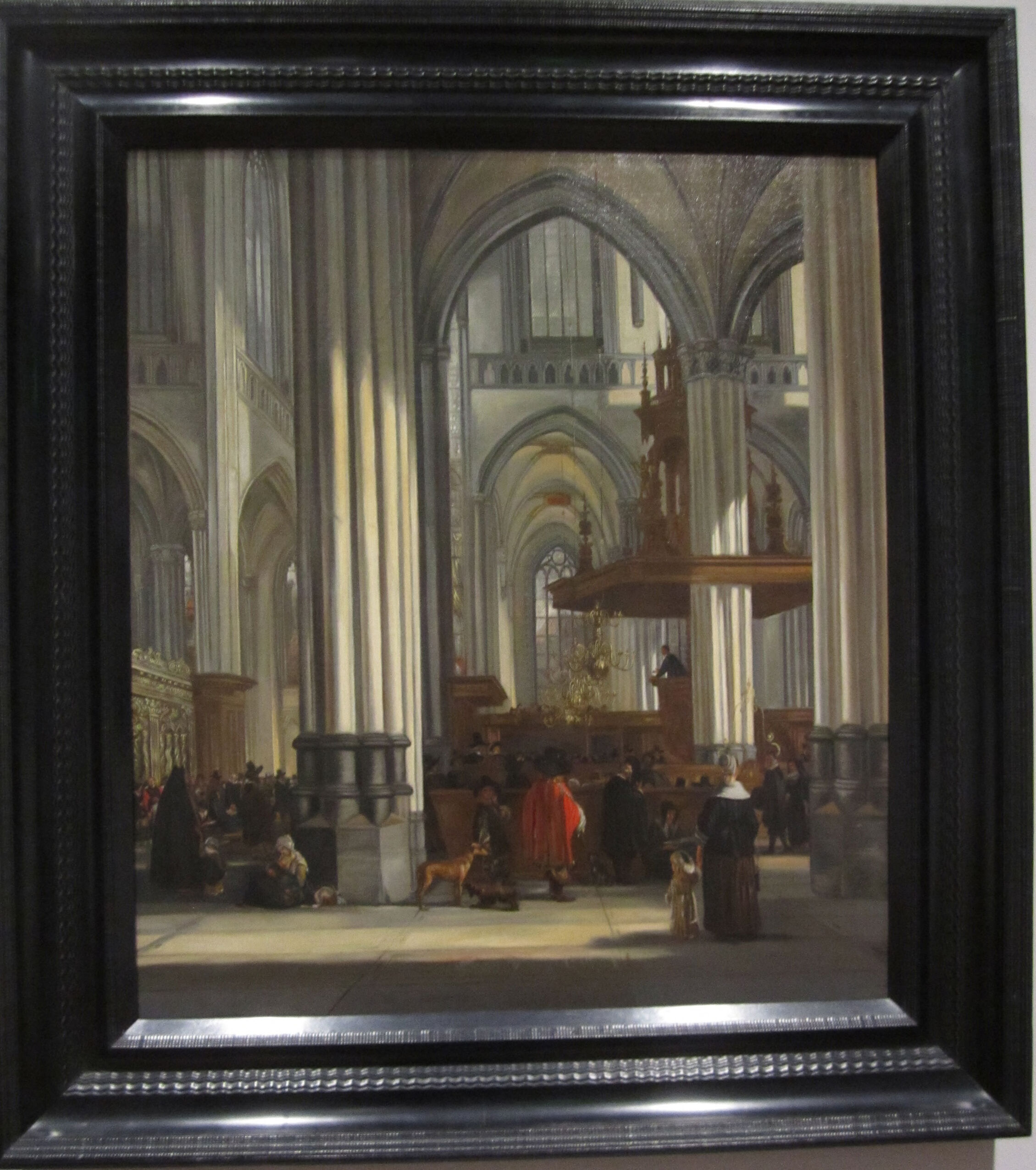
The meticulous details of the church’s architecture draw you in, from the intricate carvings of the altar to the quiet interplay of figures lost in contemplation—each element serving as a testament to the sanctuary’s sacred purpose. Delve deeper into the scene, and you'll uncover a poignant contrast between the stillness of the interior and the bustling life beyond its walls. The quiet figures, absorbed in their thoughts and prayers, embody a collective nostalgia for a simpler time, evoking a sense of tranquility that transcends the chaos of everyday life. The warm glow of candlelight flickering against the stone surfaces further emphasizes this intimate moment of reflection, suggesting a connection between the earthly and the divine.
Emanuel de Witte painted this masterful work in the Dutch Golden Age, a period marked by a flourishing of art and culture. Although the exact date remains unknown, he was likely influenced by the Protestant Reformation, which shaped his focus on church interiors. During a time when Dutch artists began to explore everyday life and spirituality, de Witte’s precision in capturing the essence of sacred spaces resonated deeply with contemporary audiences, solidifying his legacy as a profound observer of the human experience.