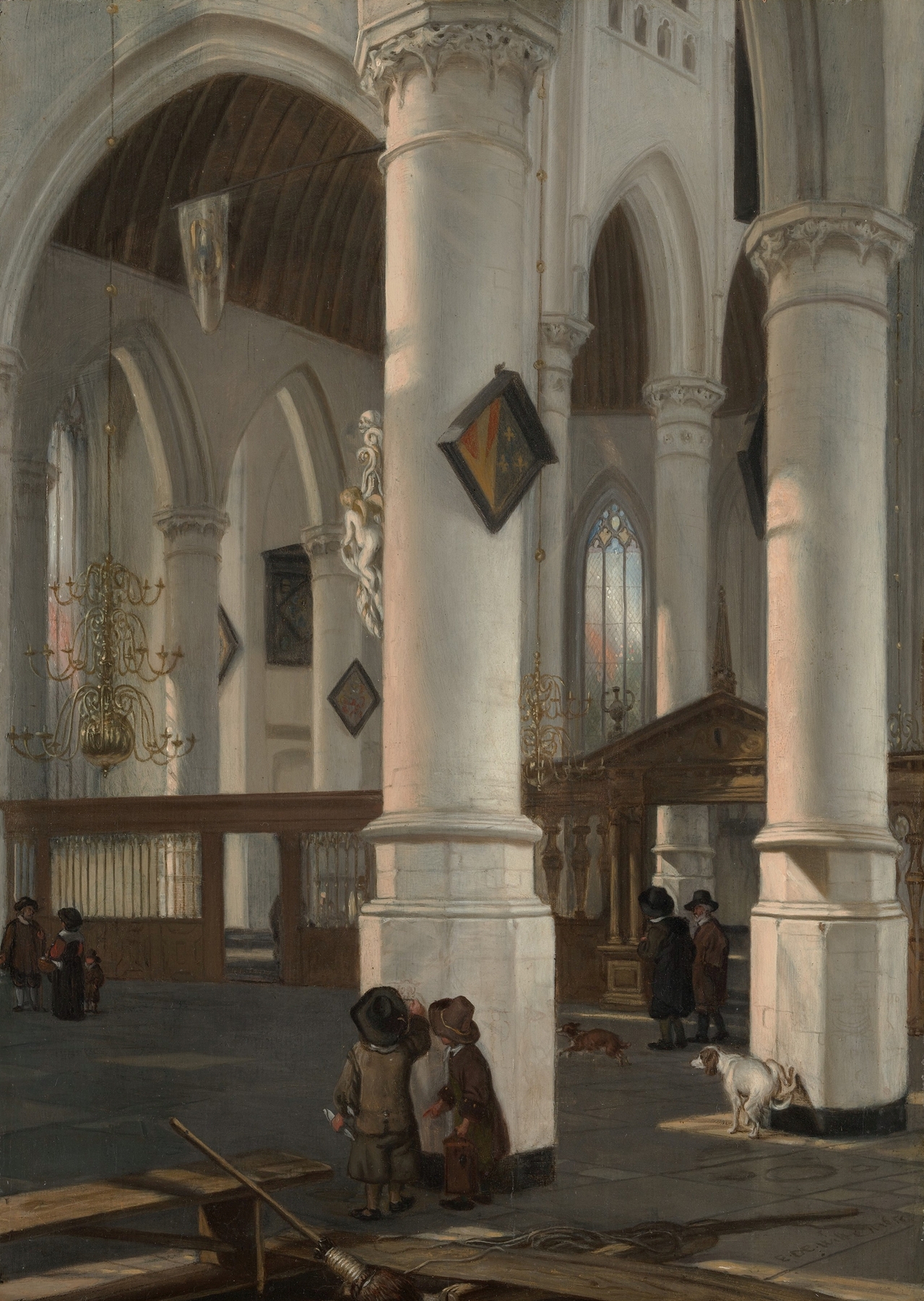
Interior of a Protestant, Gothic Church during a Service — History & Analysis
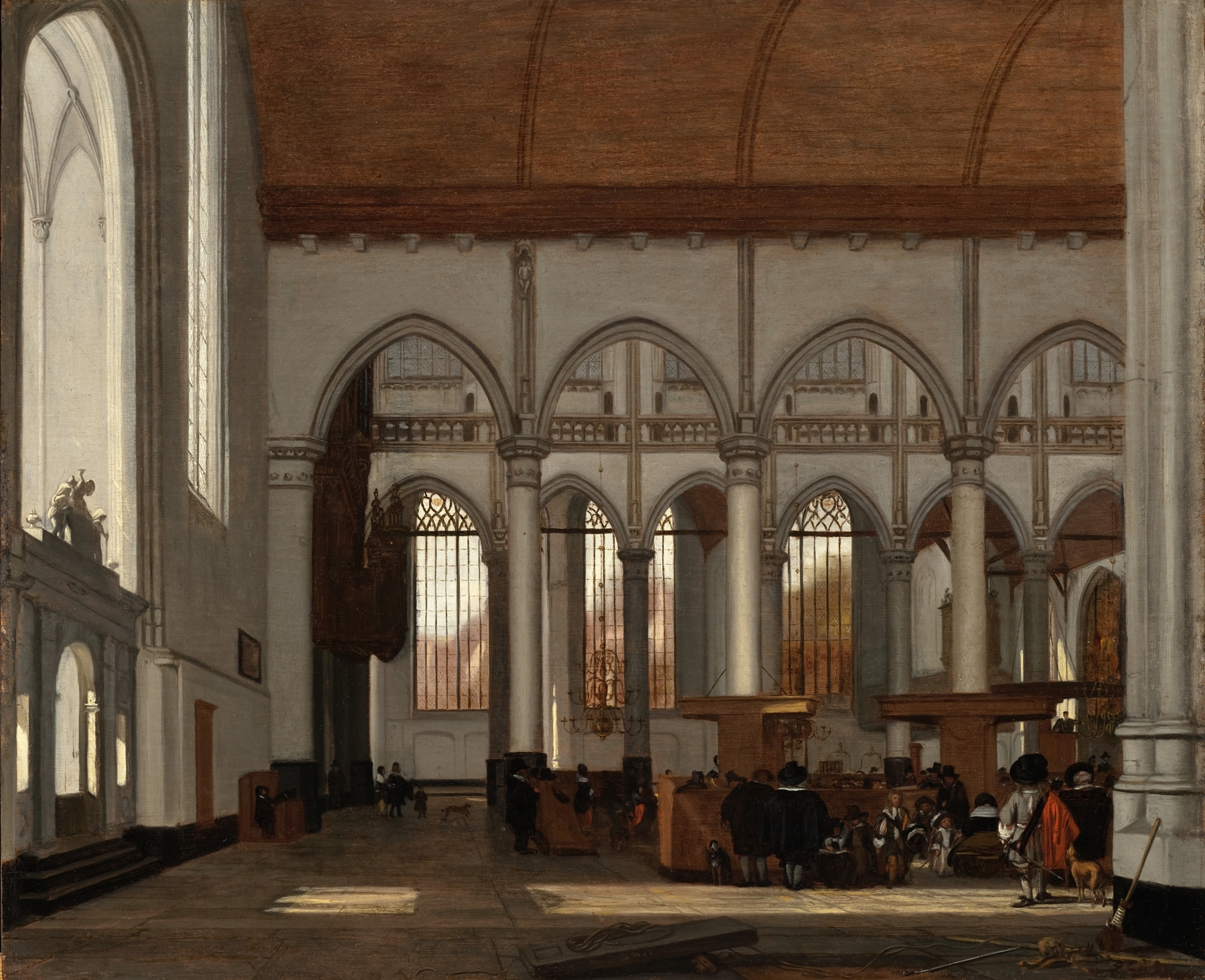
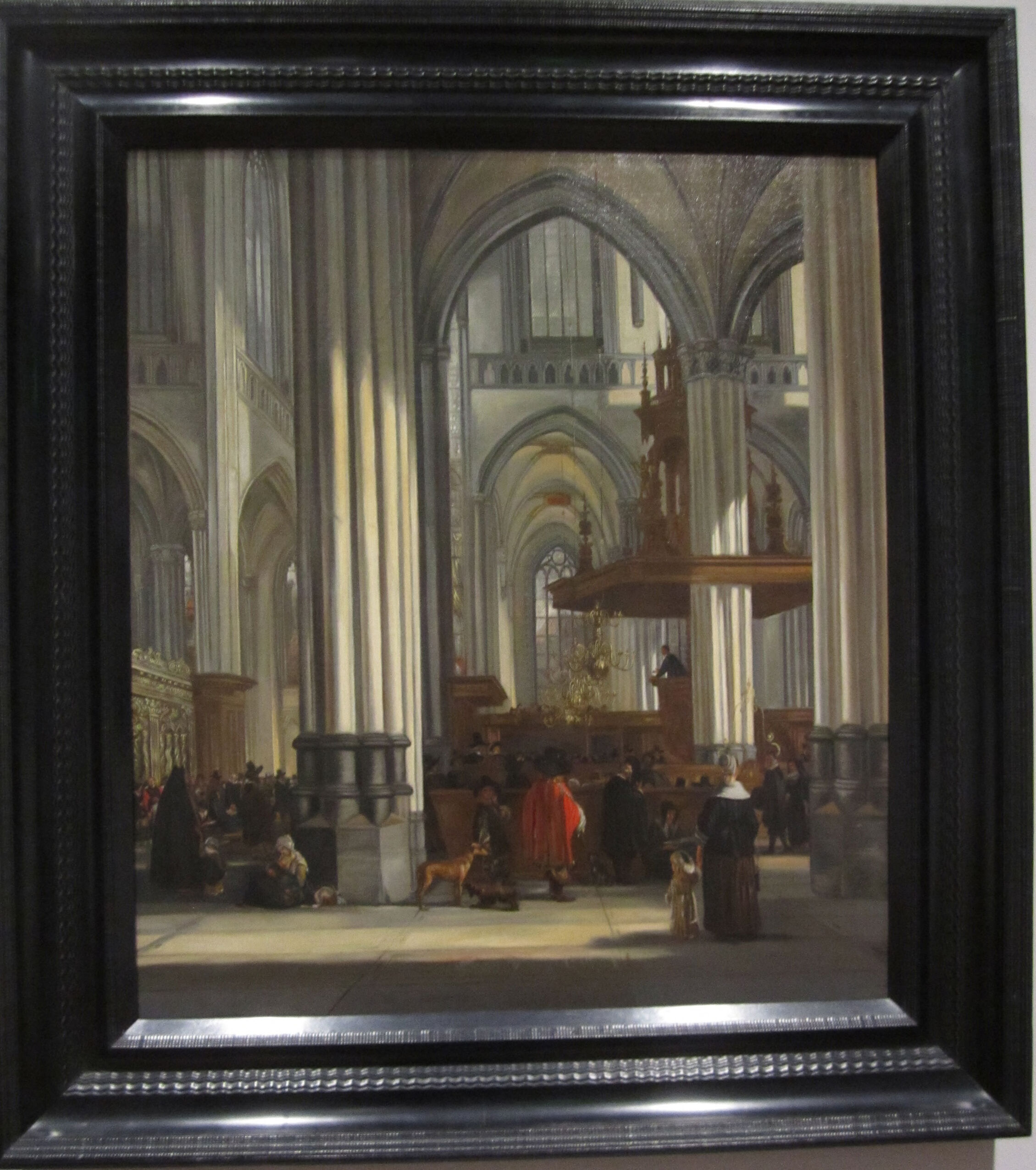
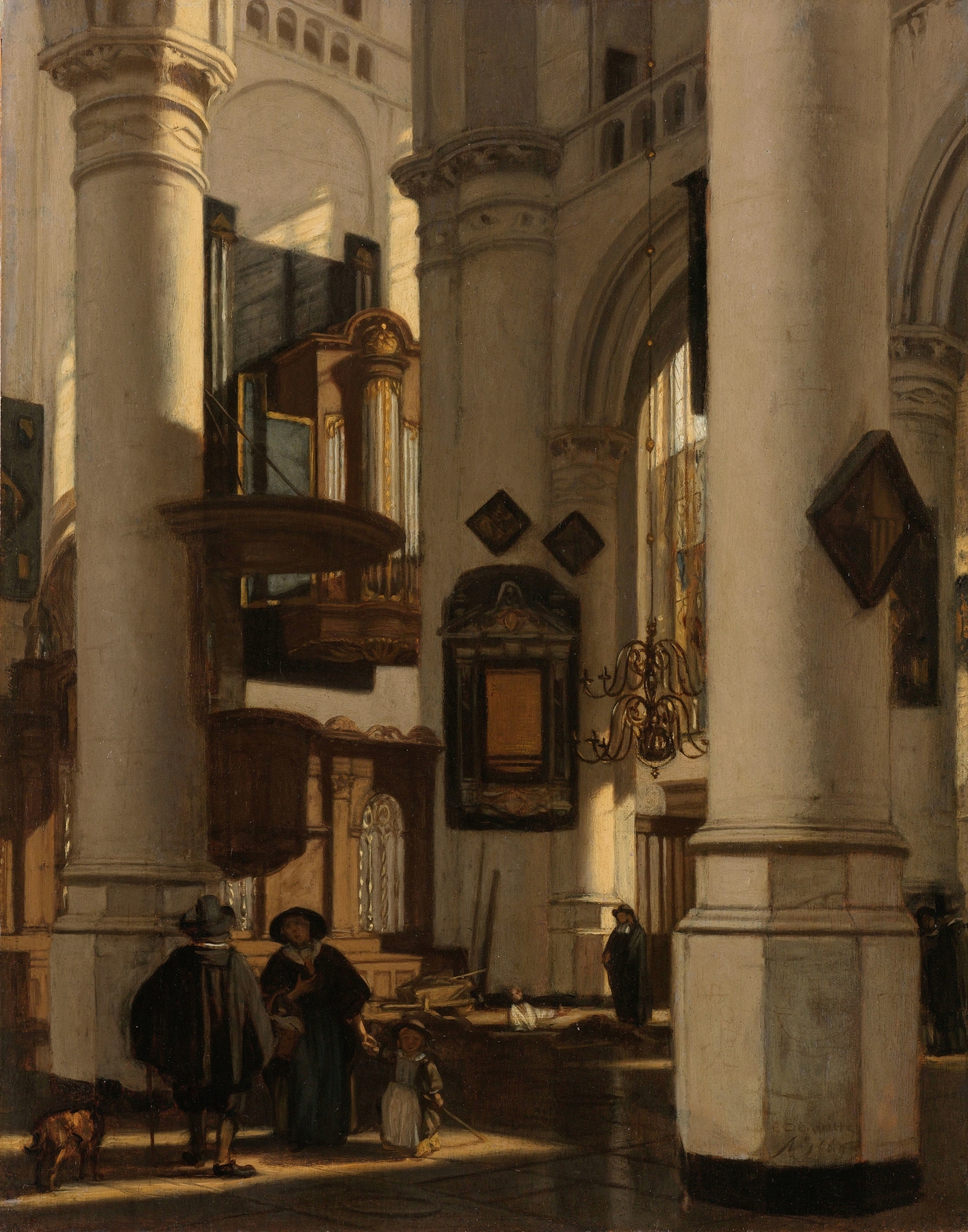
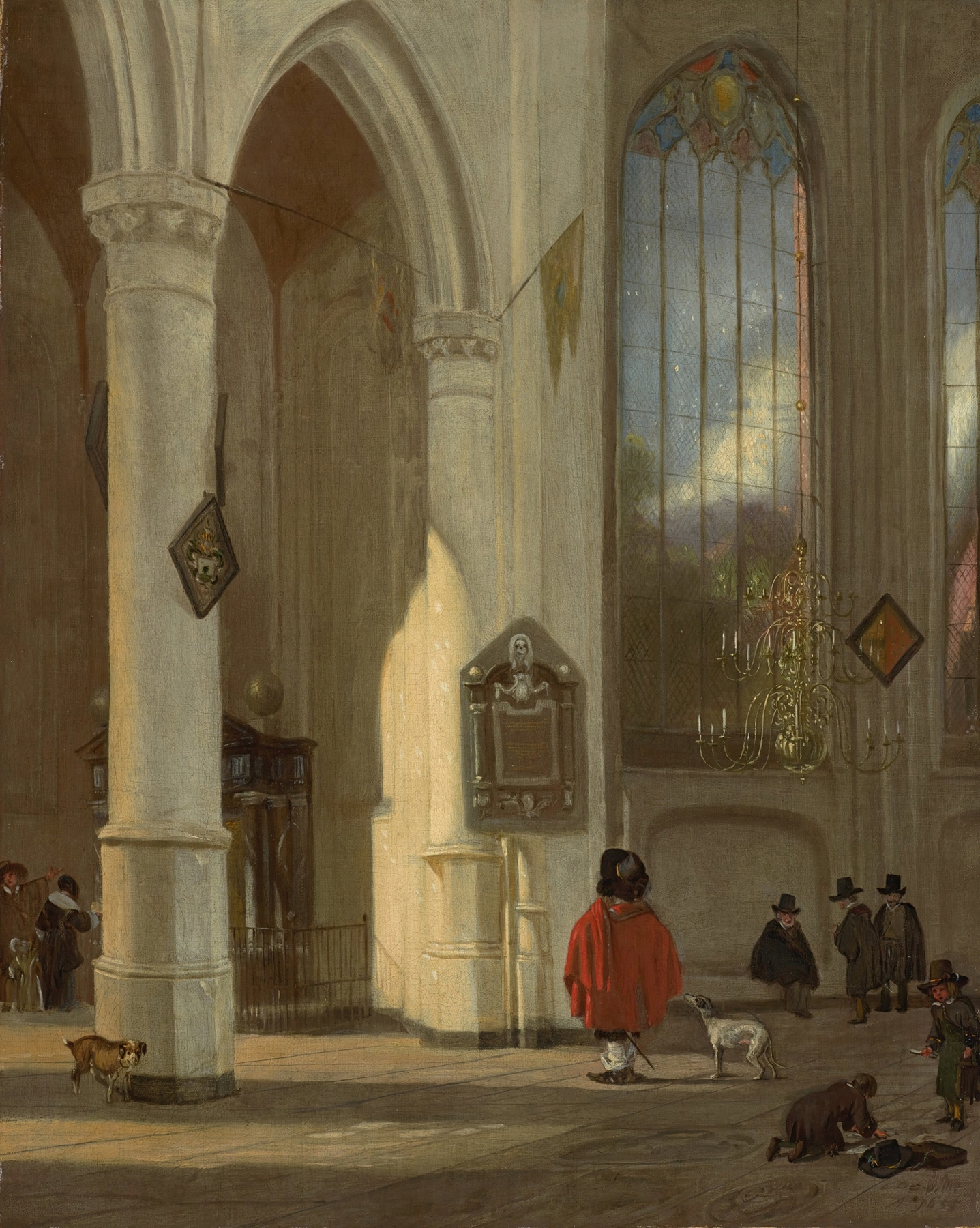
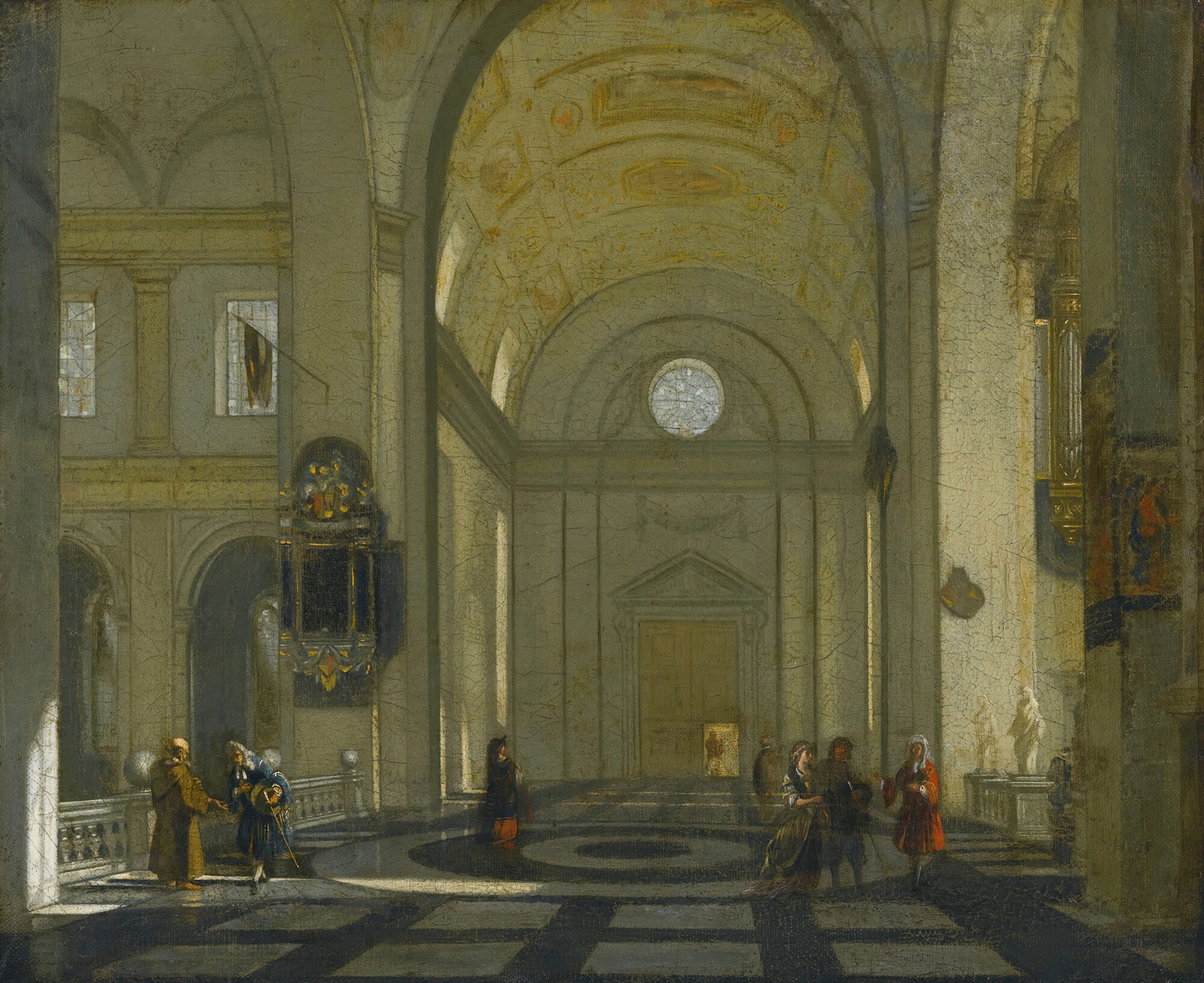
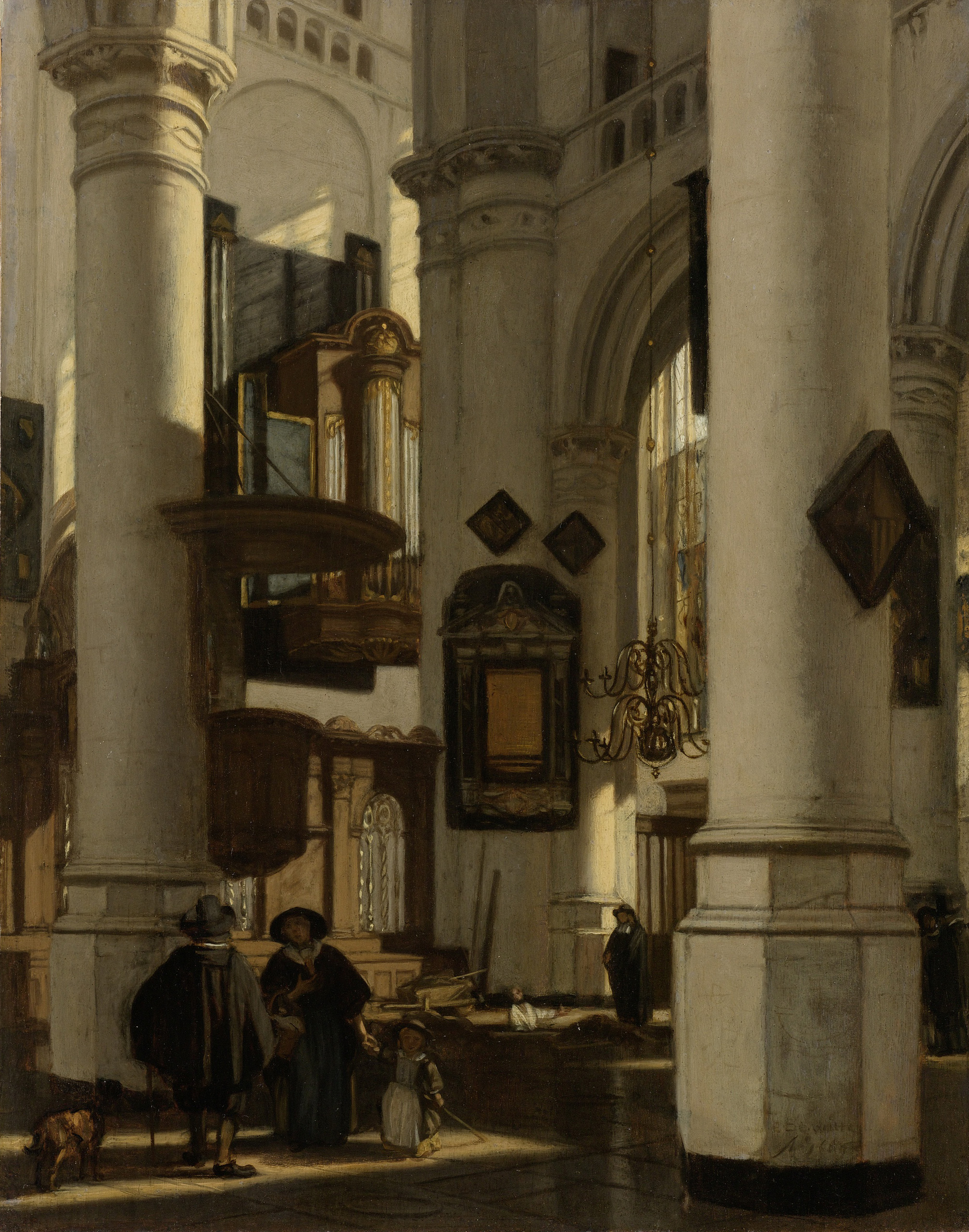
“To paint is to remember what time wants us to forget.” In the quiet sanctuary of a Gothic church, divinity mingles with the whispers of devotion, echoing through the arches and illuminating the sacred space. Look to the left at the congregation—figures both small and significant, absorbed in prayer beneath the soaring vaults. Notice how the interplay of light filters through stained glass, casting a kaleidoscope of colors that dances upon the worn stone floor. The soft luminosity defines the textures of the wooden pews and the rich fabrics of their garments, enveloping this moment in a serene yet vibrant atmosphere.
As you gaze deeper into the painting, a powerful contrast emerges between the bustling activity of the service and the stillness of the church’s architecture. The artist captures not just the physical gathering but the spiritual connection forged in shared worship. Each figure, though distinct in posture and demeanor, converges in a silent acknowledgment of the divine presence. This harmony between human and space speaks to the timeless nature of faith and the collective memory of worship.
Created in 1669, this work reflects Emanuel de Witte's immersion in the Dutch Golden Age, a period marked by a burgeoning interest in religious themes and interior scenes. Painting from within a Protestant context, he sought to depict the eloquence of the space rather than grand narratives. At this time, he was navigating personal challenges, yet through his brush, he immortalized the sacredness of community, entwining emotion and architecture with poignant clarity.