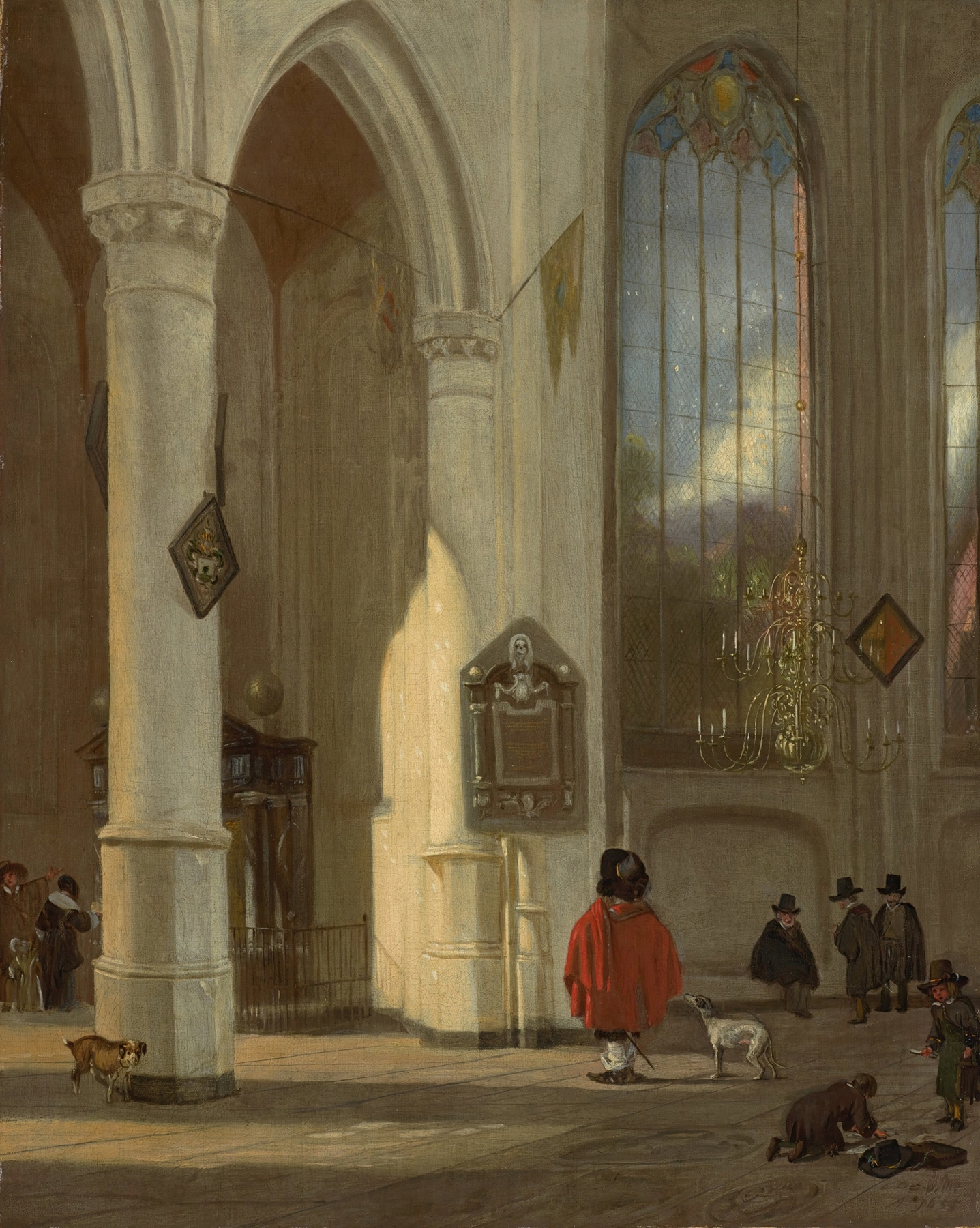
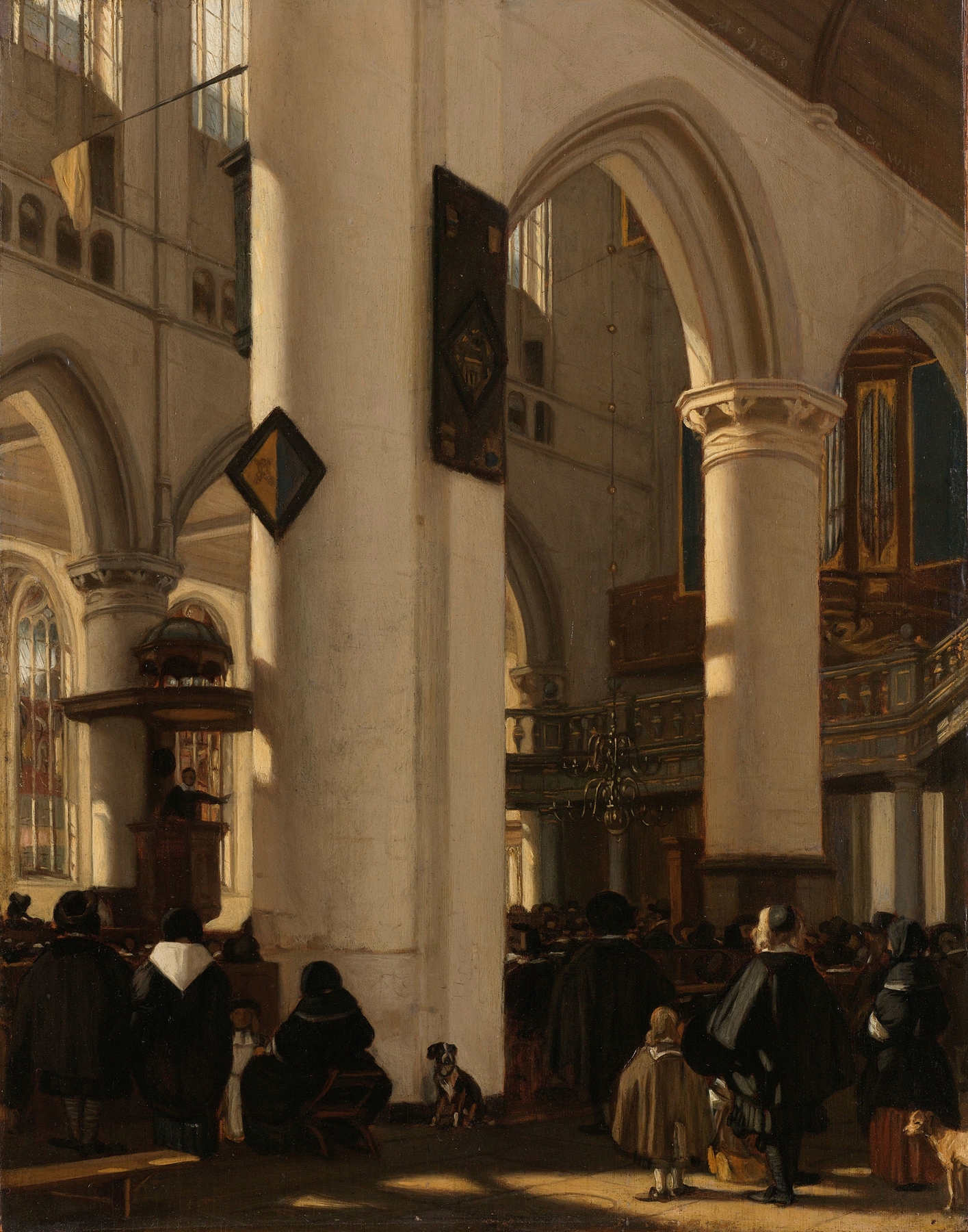
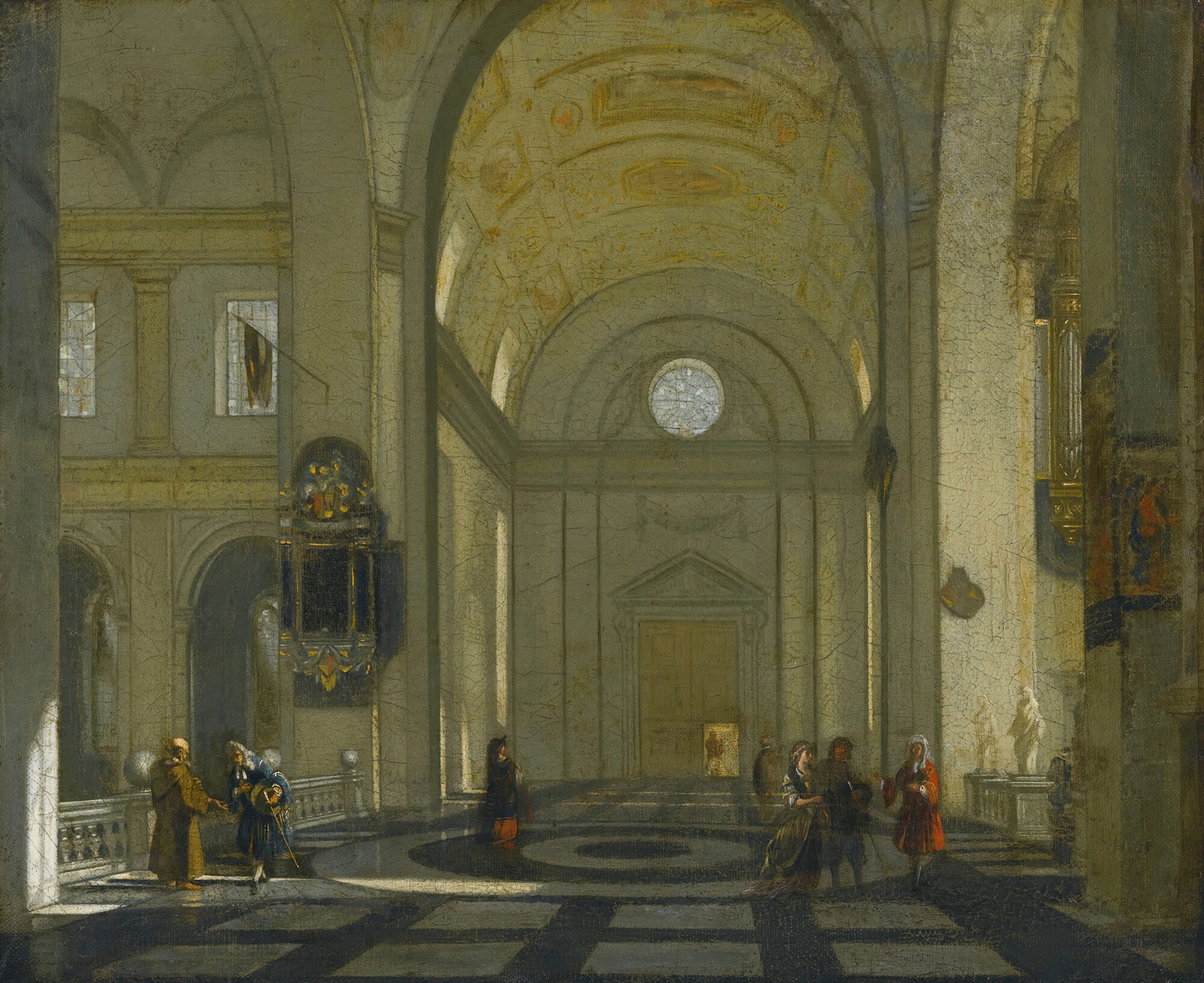
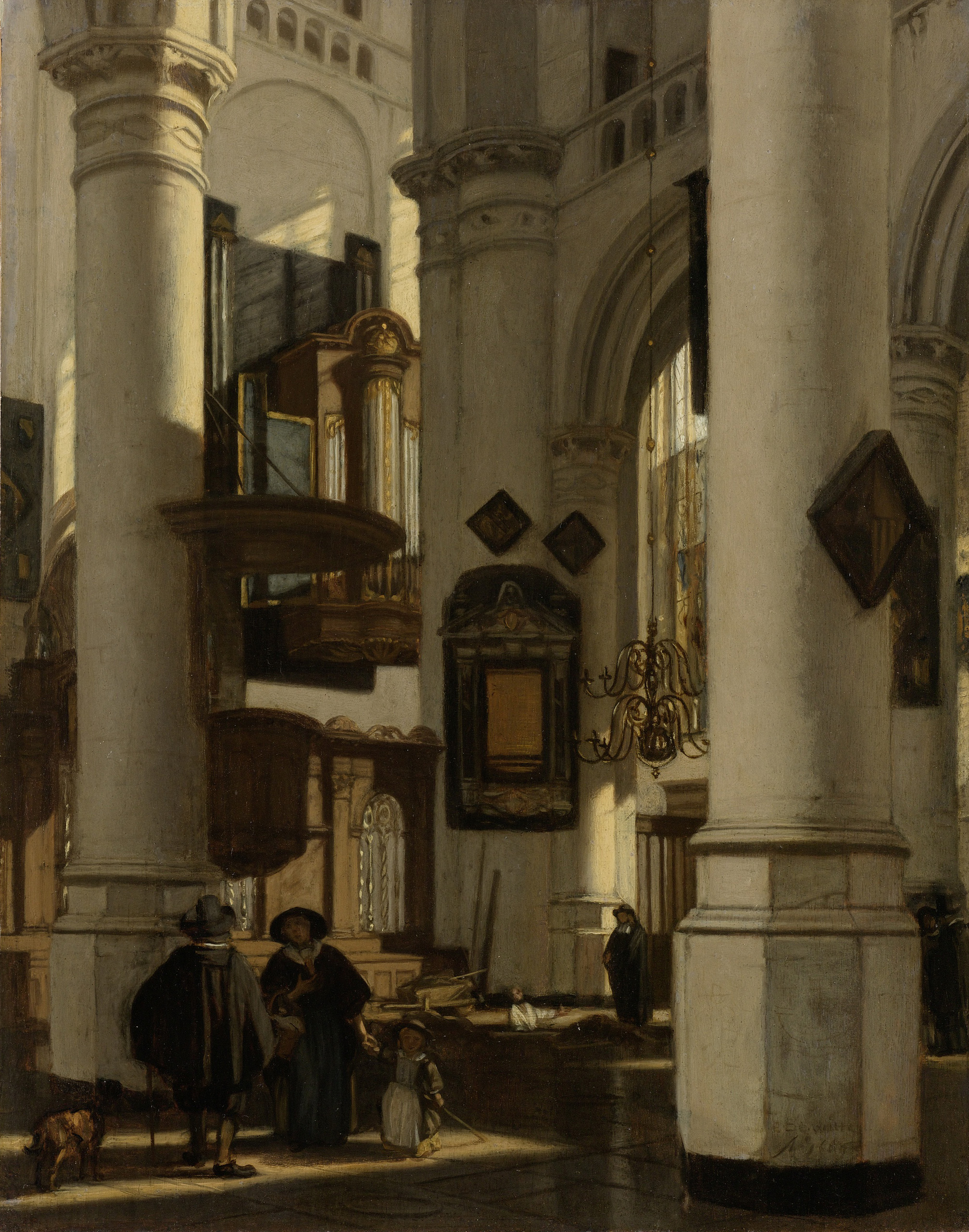
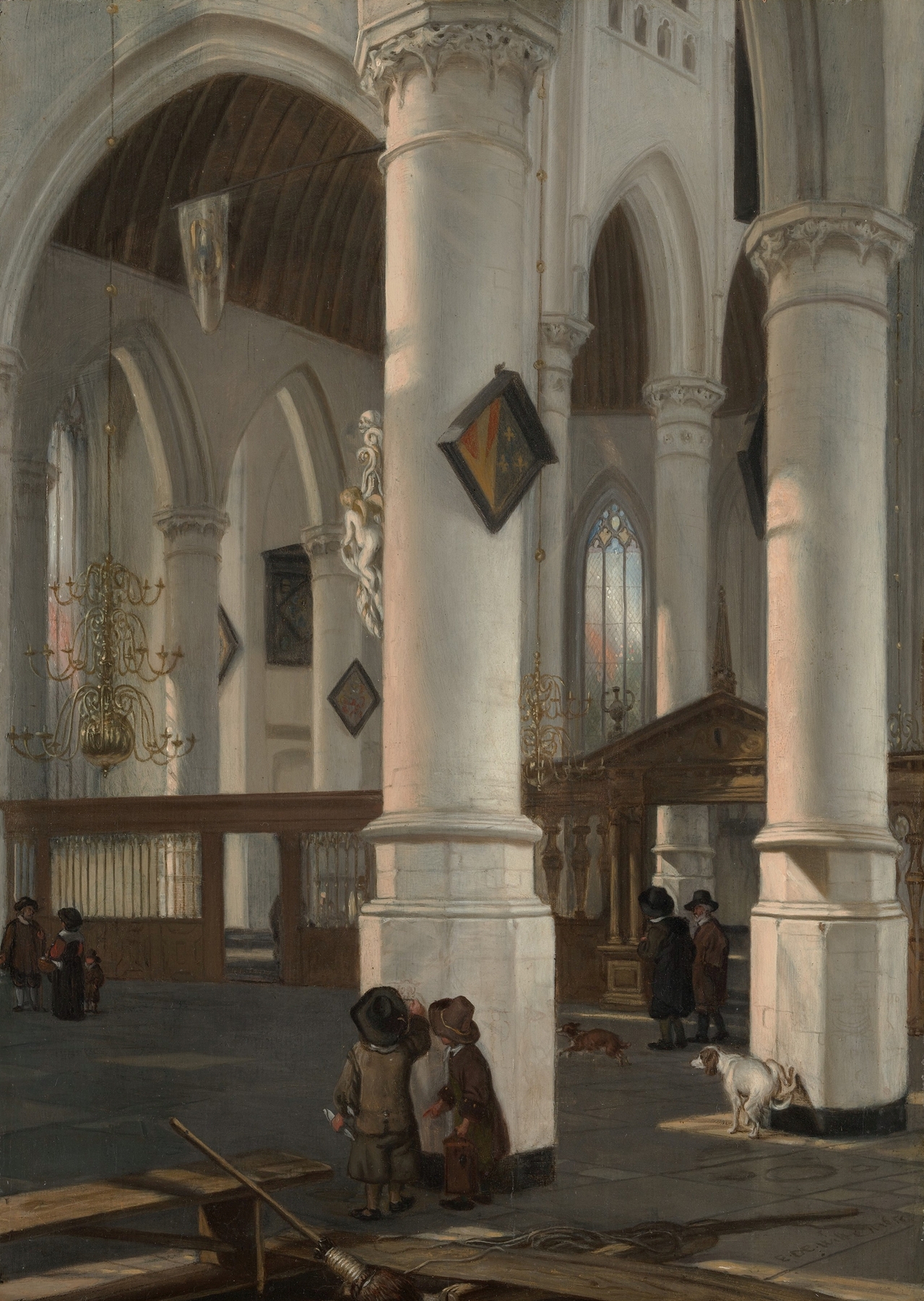
Interior of a Protestant Gothic Church with Motifs from the Oude and Nieuwe Kerk in Amsterdam — History & Analysis
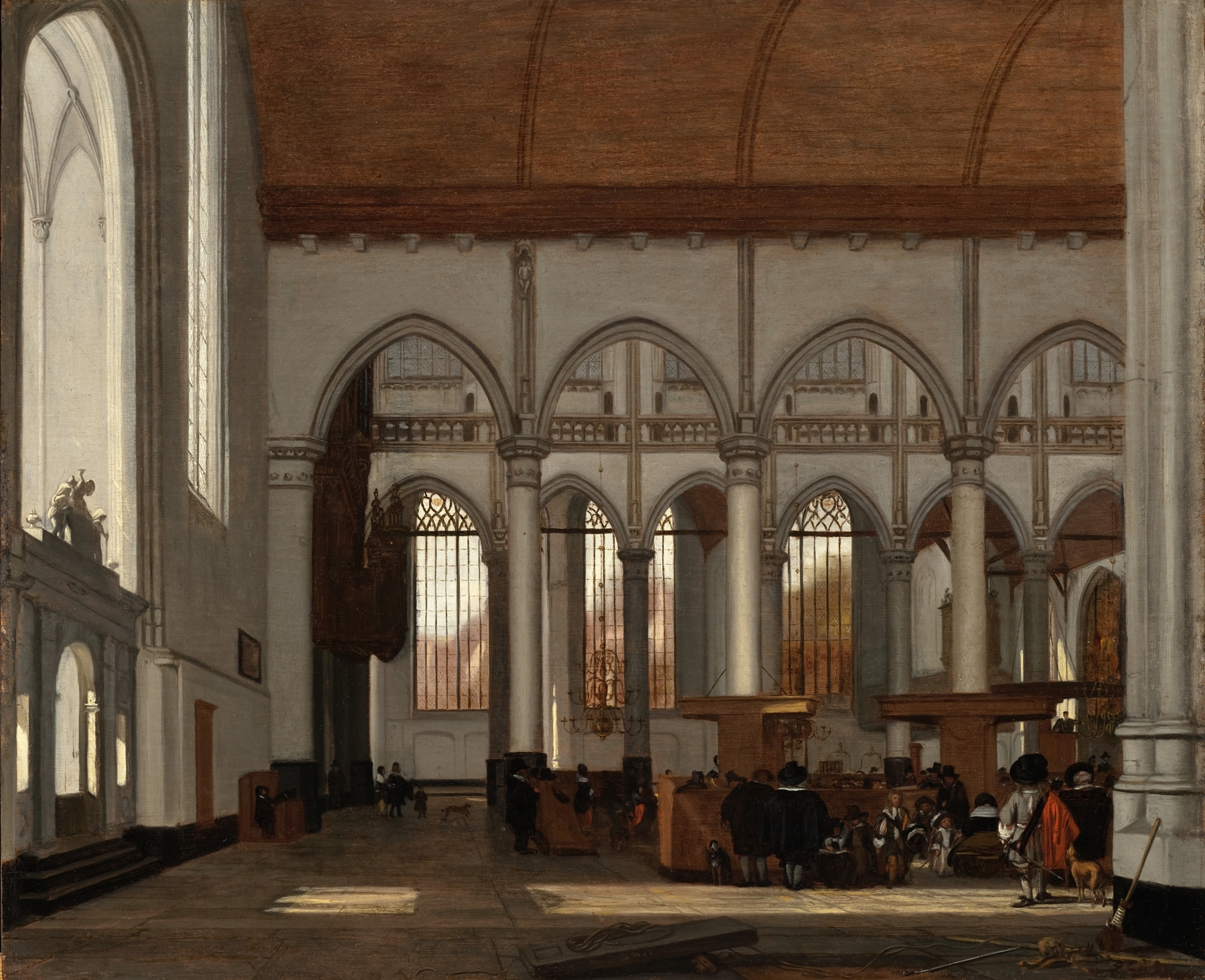
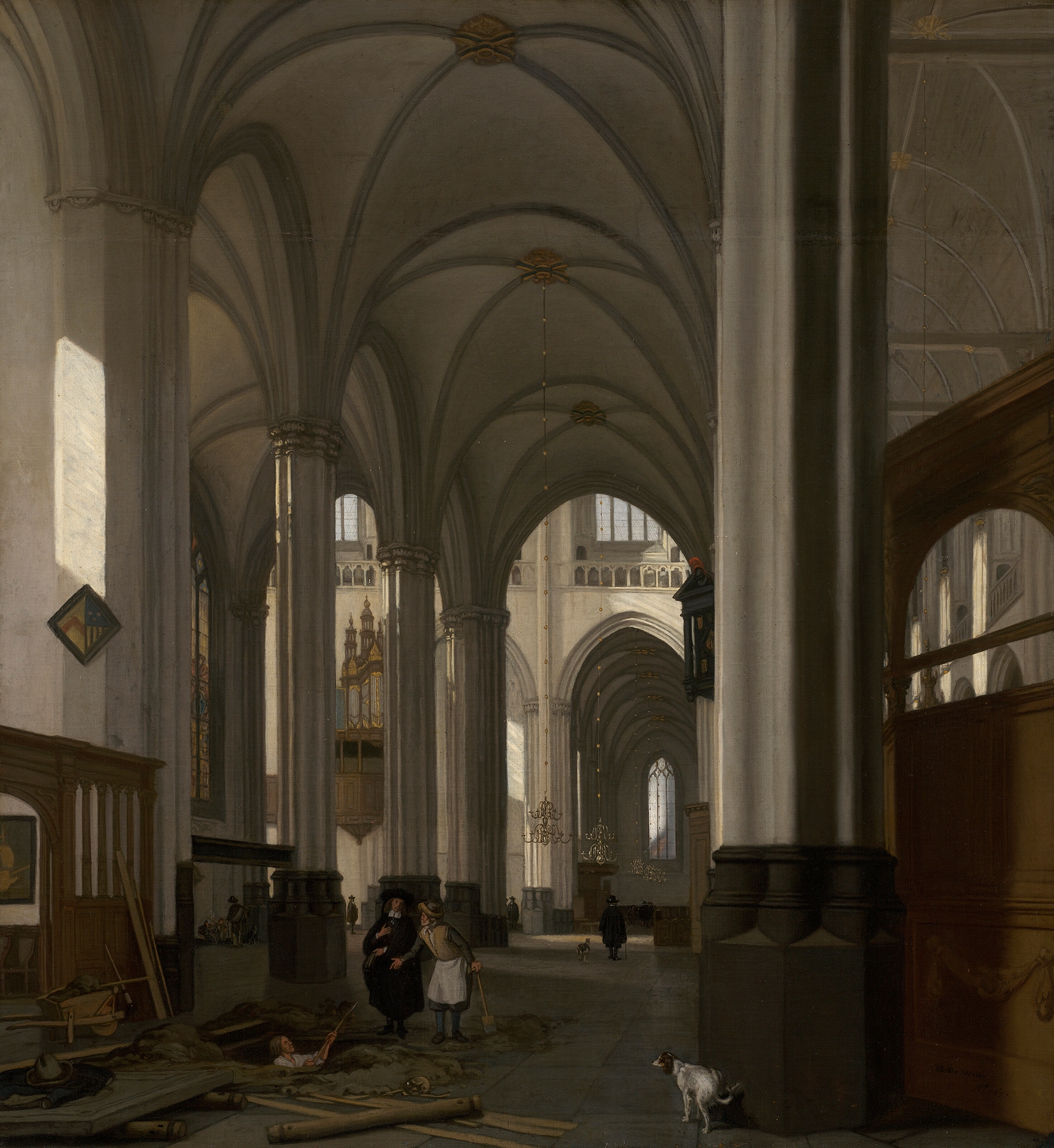
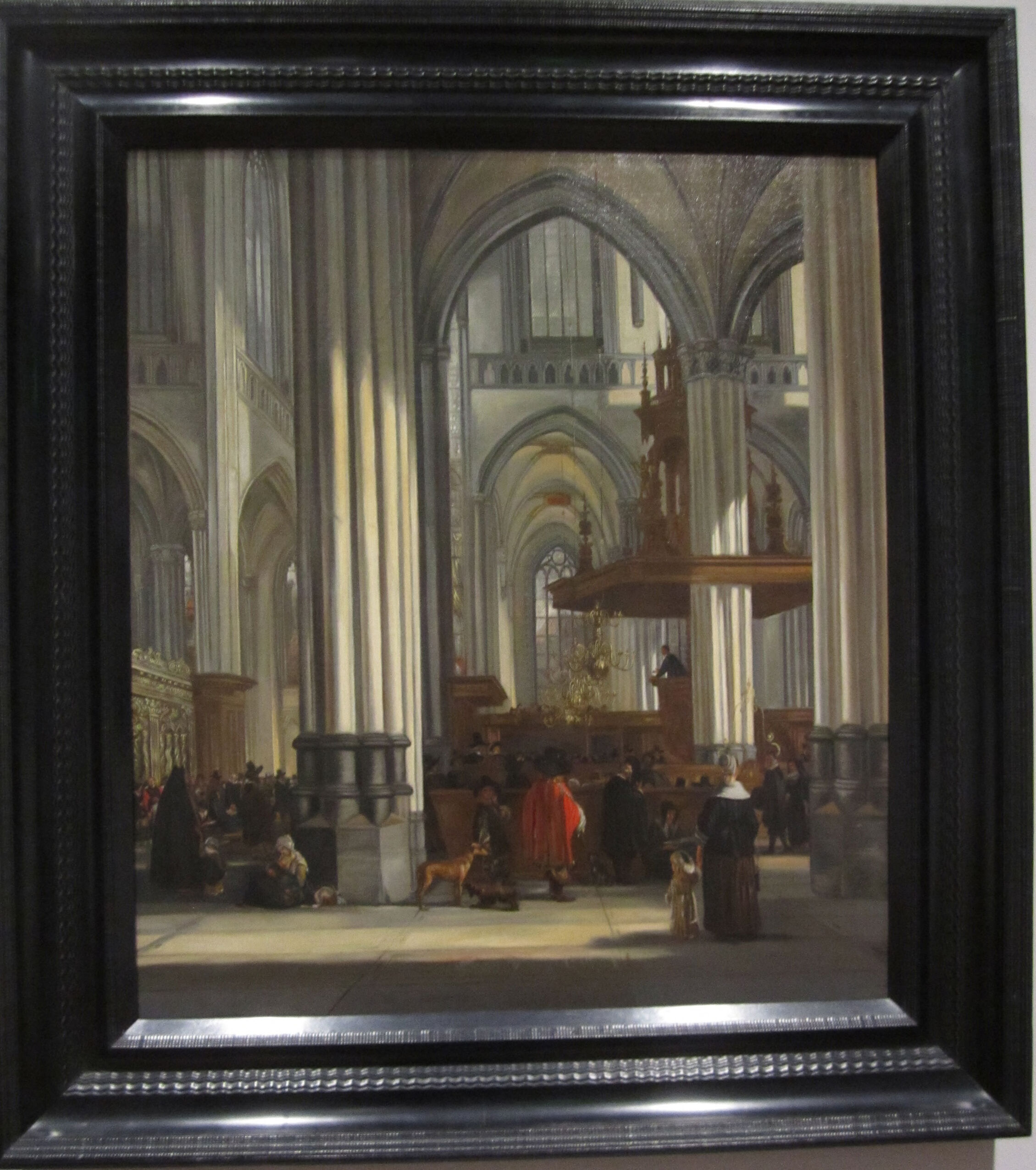
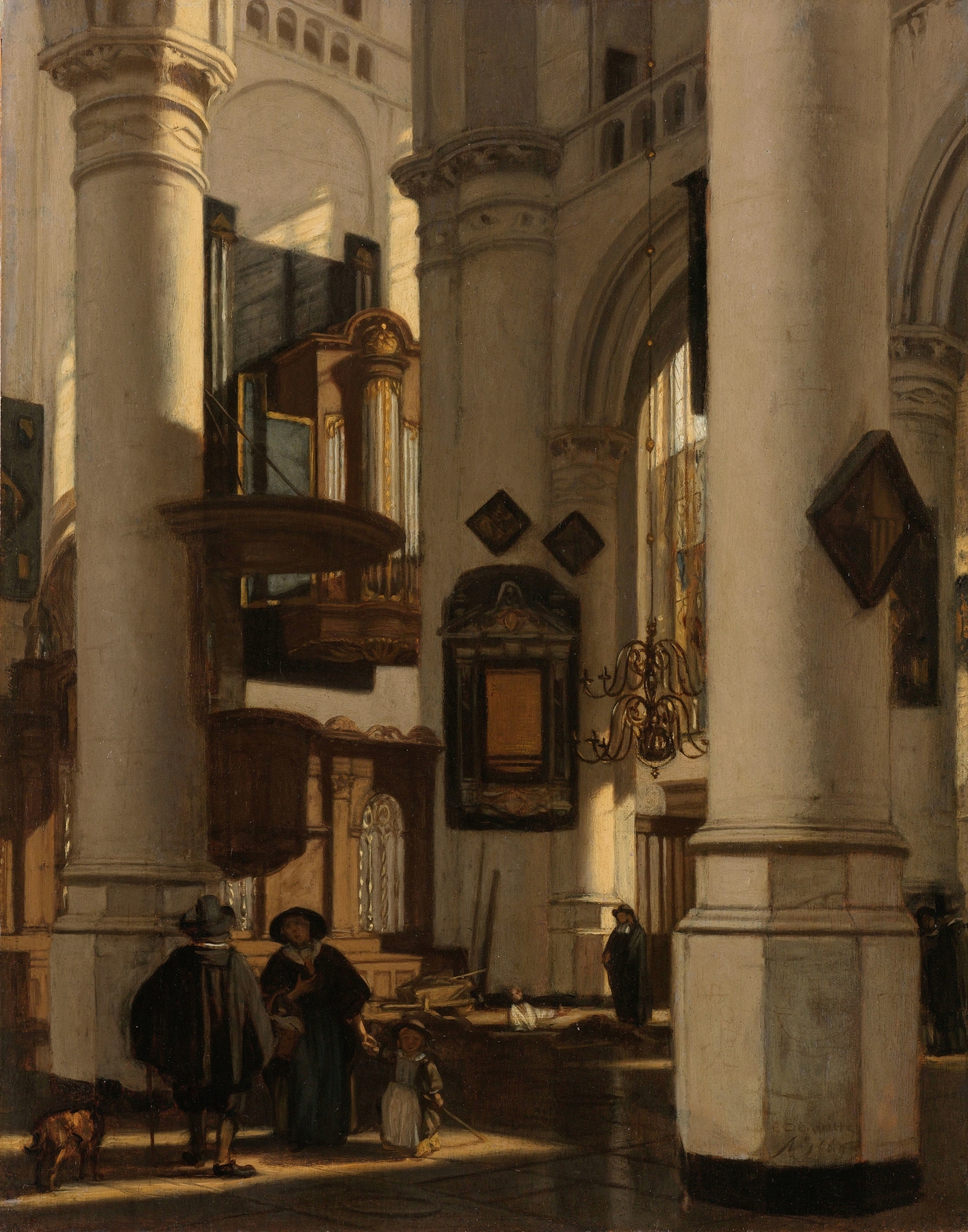
Did the painter know this moment would outlive them? In the flickering shadows of time, places like this church whisper stories of faith, artistry, and the unyielding passage of history. Look to the left at the soaring arches that cradle the dim light filtering through stained glass, casting a kaleidoscope of colors onto the stone floor. The intricate details of the wooden pews, polished to a warm glow, invite the viewer into the sacred space.
Notice how the artist employs a muted palette of earthy tones, emphasizing the solemnity of the moment, while the interplay of light and shadow creates a profound sense of depth and serenity. The painting encapsulates not just a physical structure but the emotional weight of belief and community. Each brushstroke hints at the spiritual reverence permeating the air; the beams of light symbolize divine presence, illuminating the hidden corners of doubt and hope that coexist within the walls. The juxtaposition of the stillness of the church and the vibrant life outside suggests that faith is both a refuge and a catalyst for legacy.
Emanuel de Witte created this work in 1677, during a period of transition in the Netherlands known for its flourishing artistic movements and religious discourse. Living in Amsterdam, he was immersed in the dynamic interplay of Baroque art and Protestant ideals, a backdrop that informed his exploration of sacred spaces. This painting stands as a testament to the enduring nature of faith and the artist's desire to capture the transcendent essence of worship, forever echoing through the centuries.