Interior of the Oude Kerk in Delft — History & Analysis
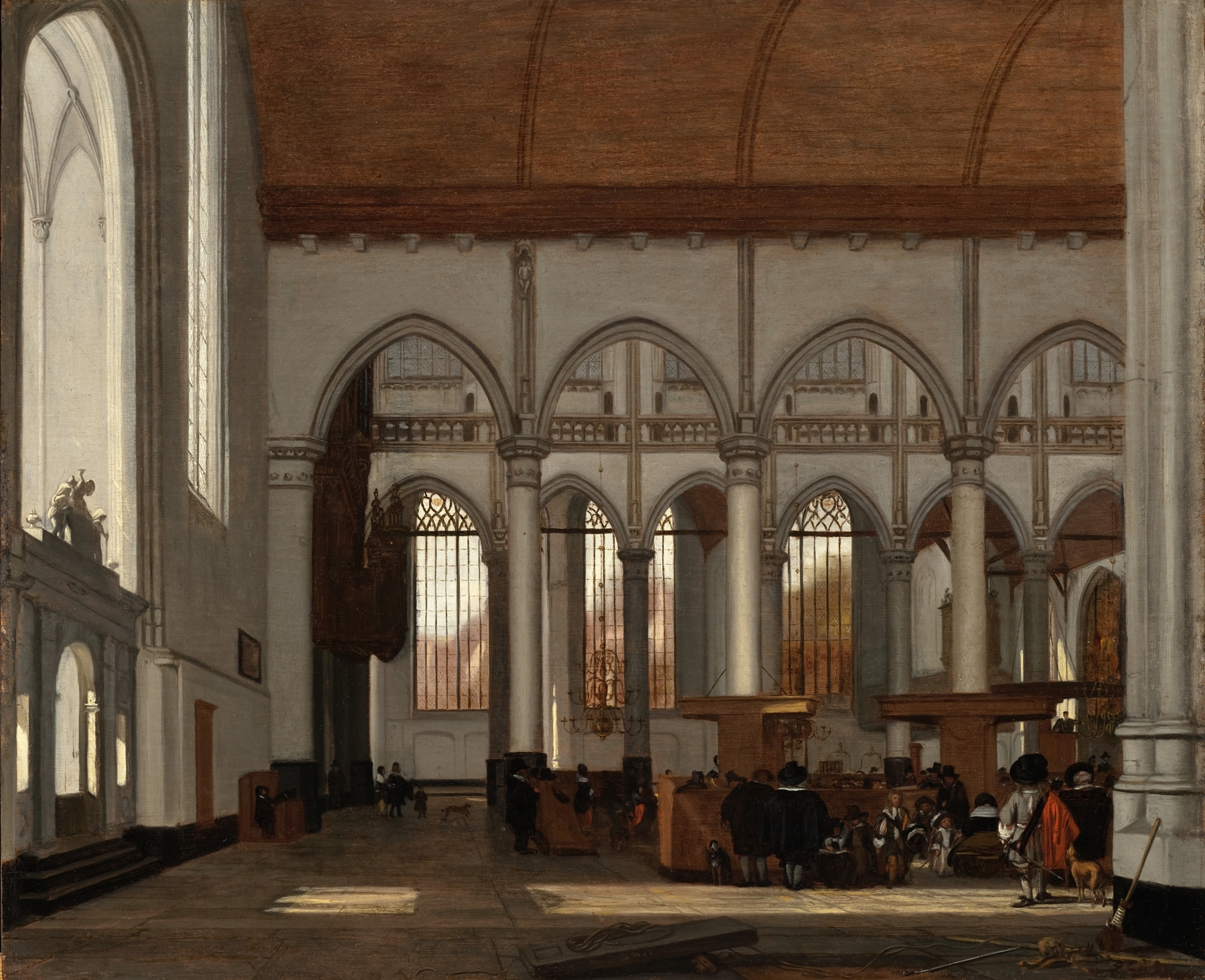
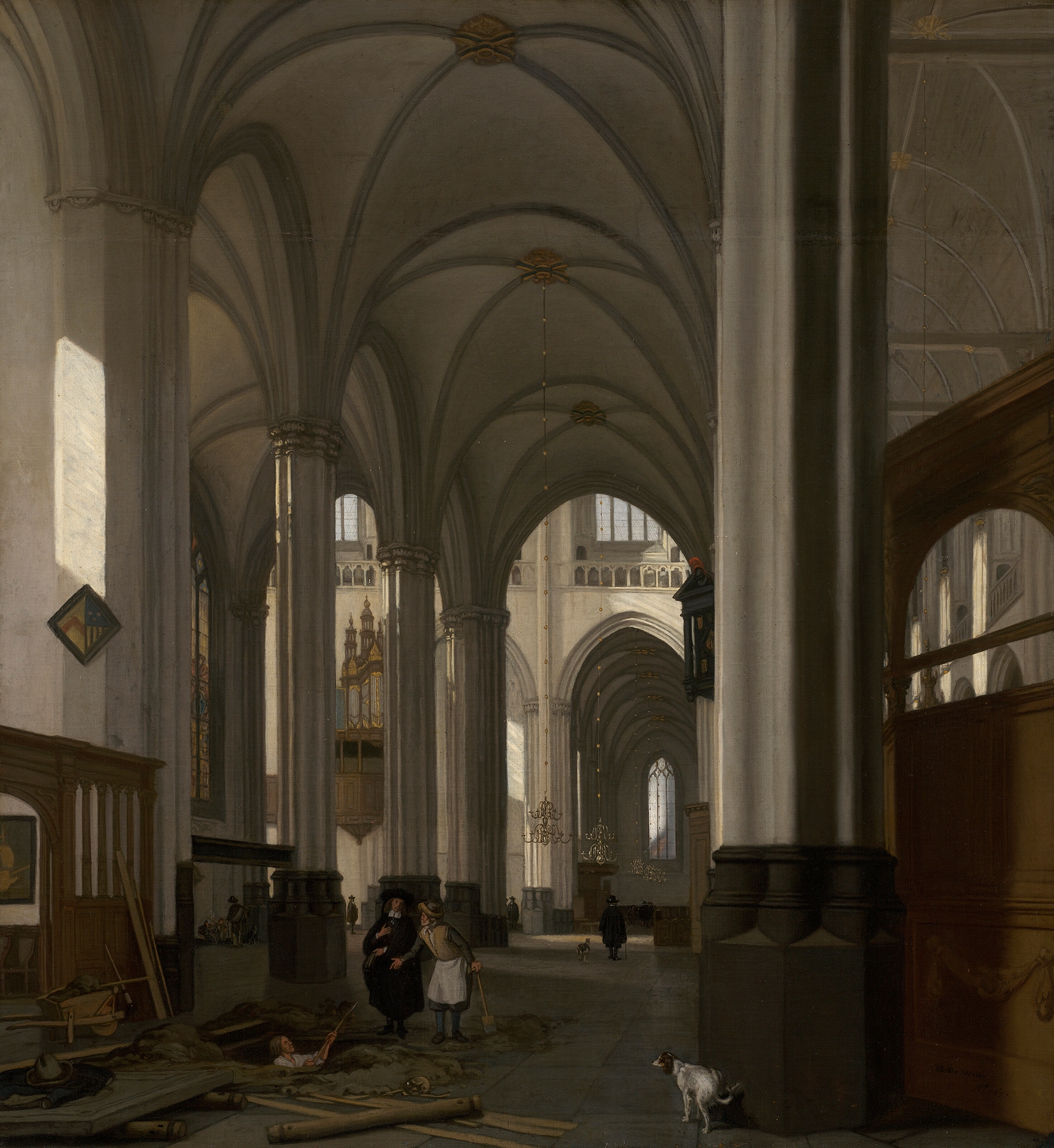
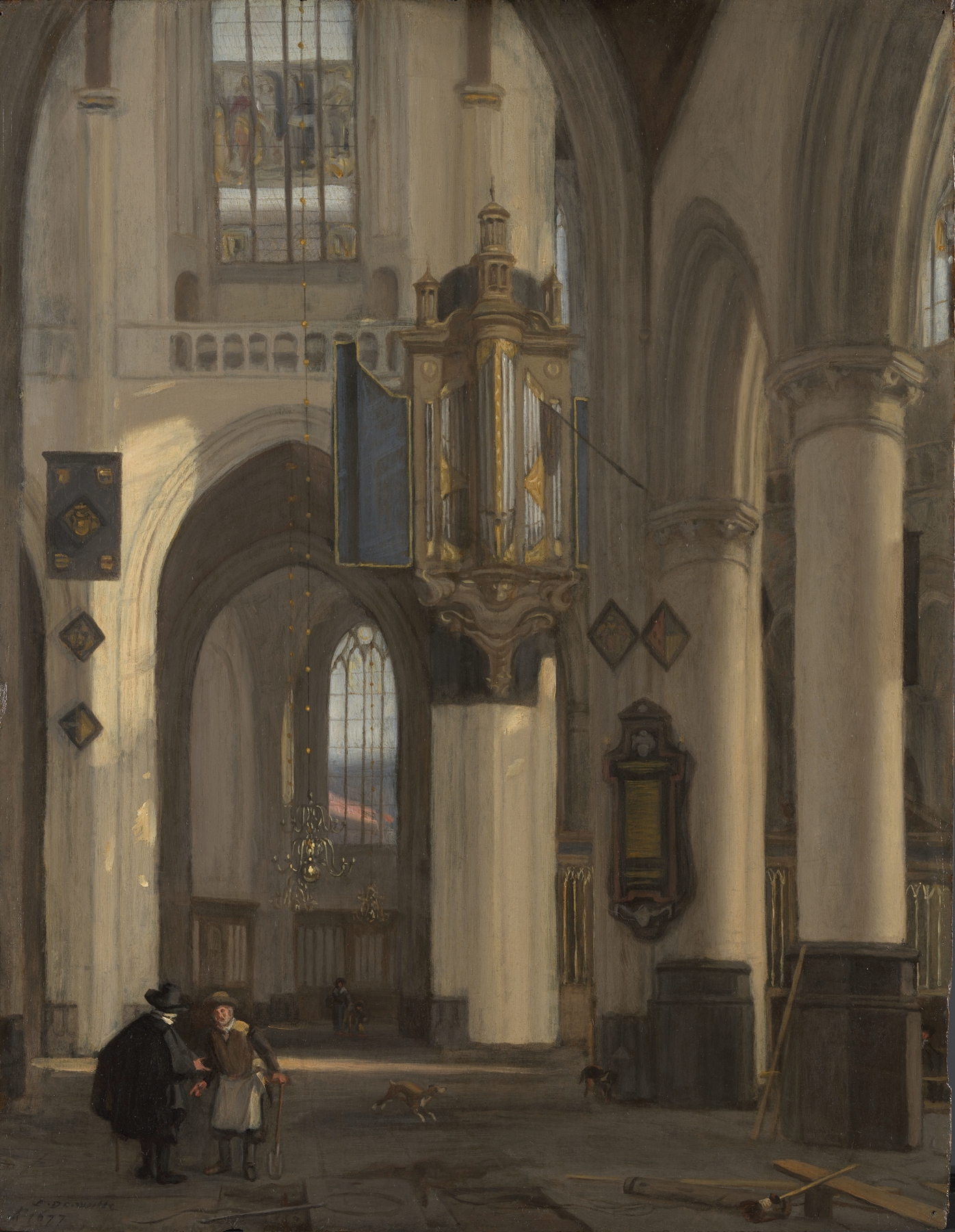
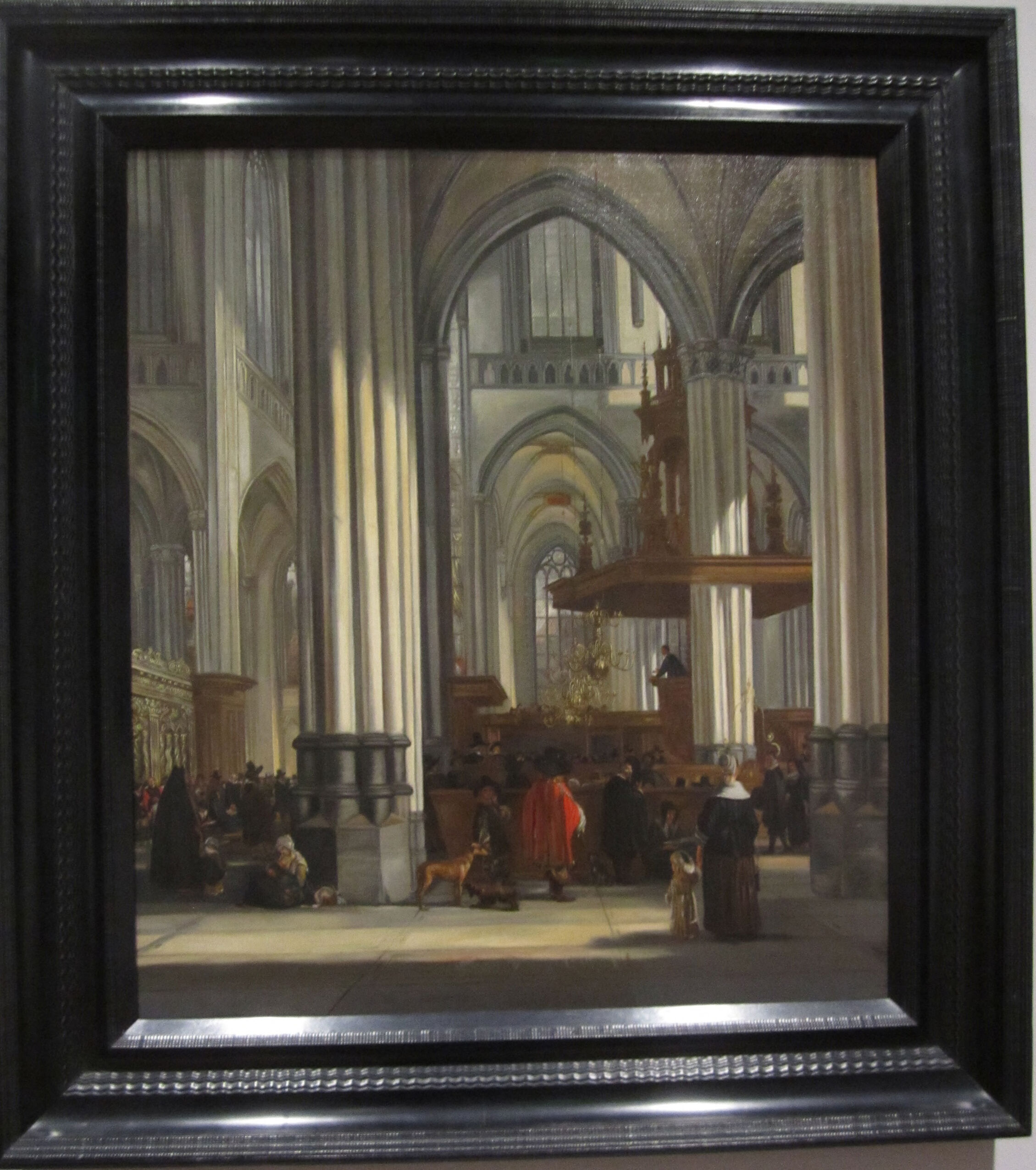
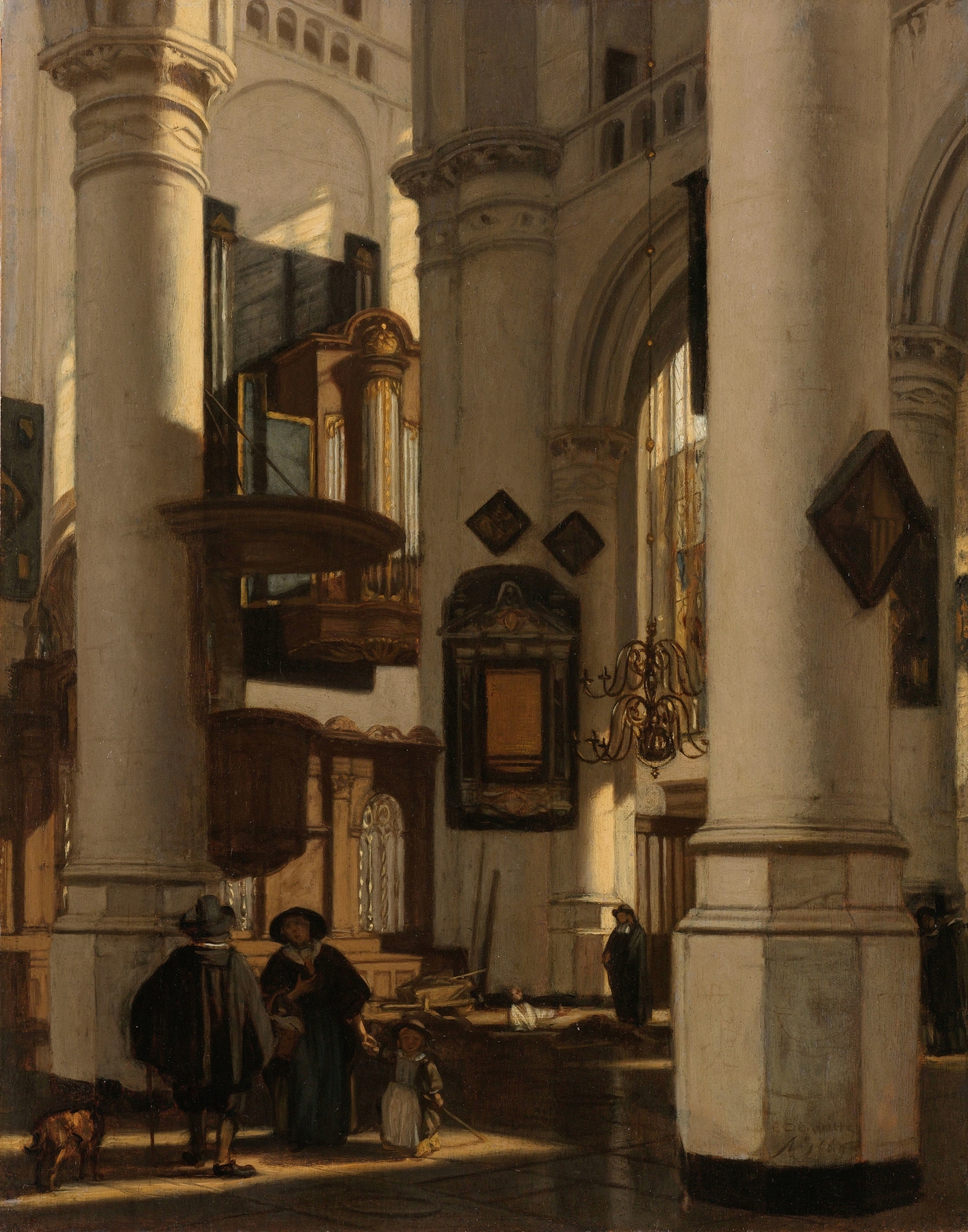
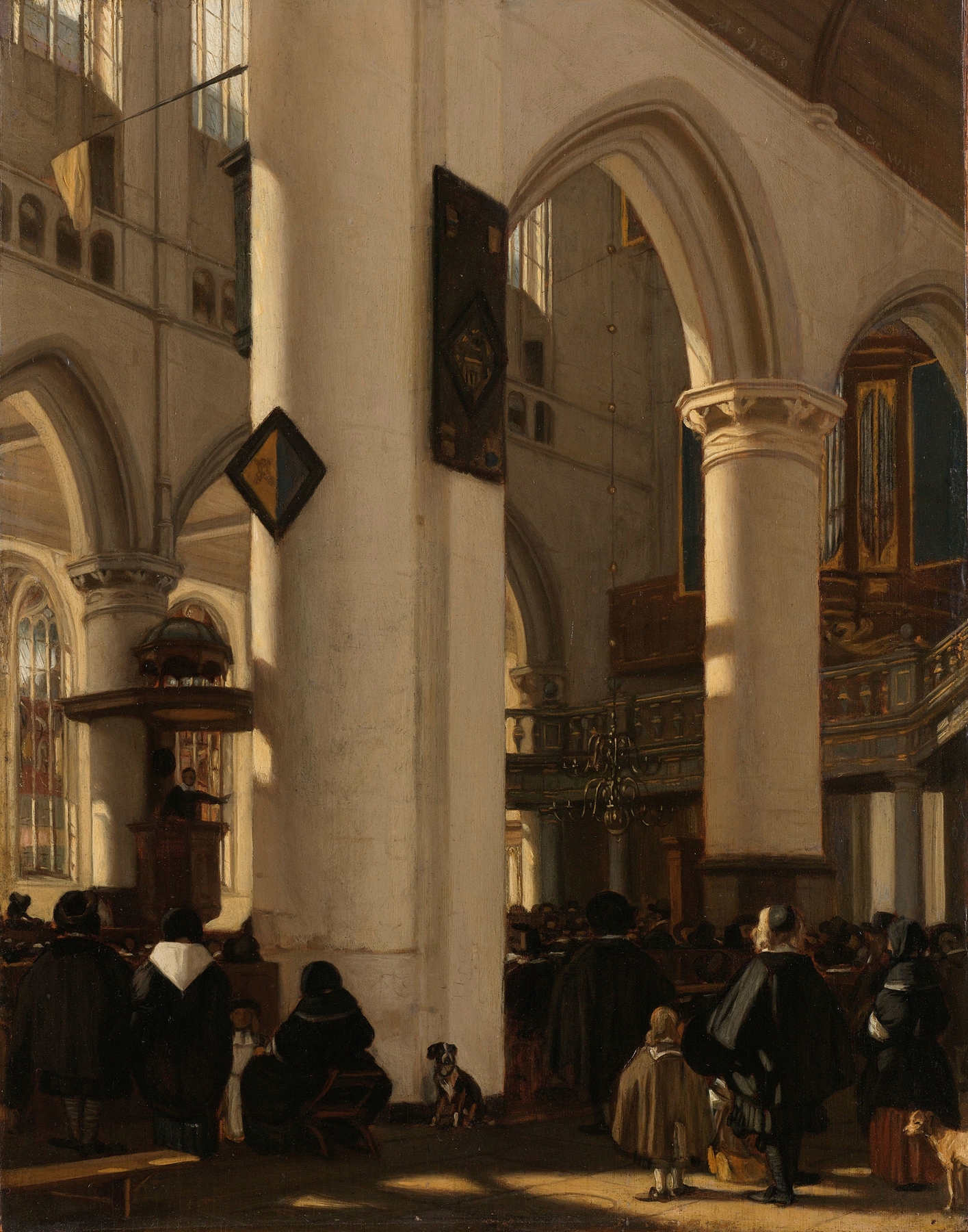
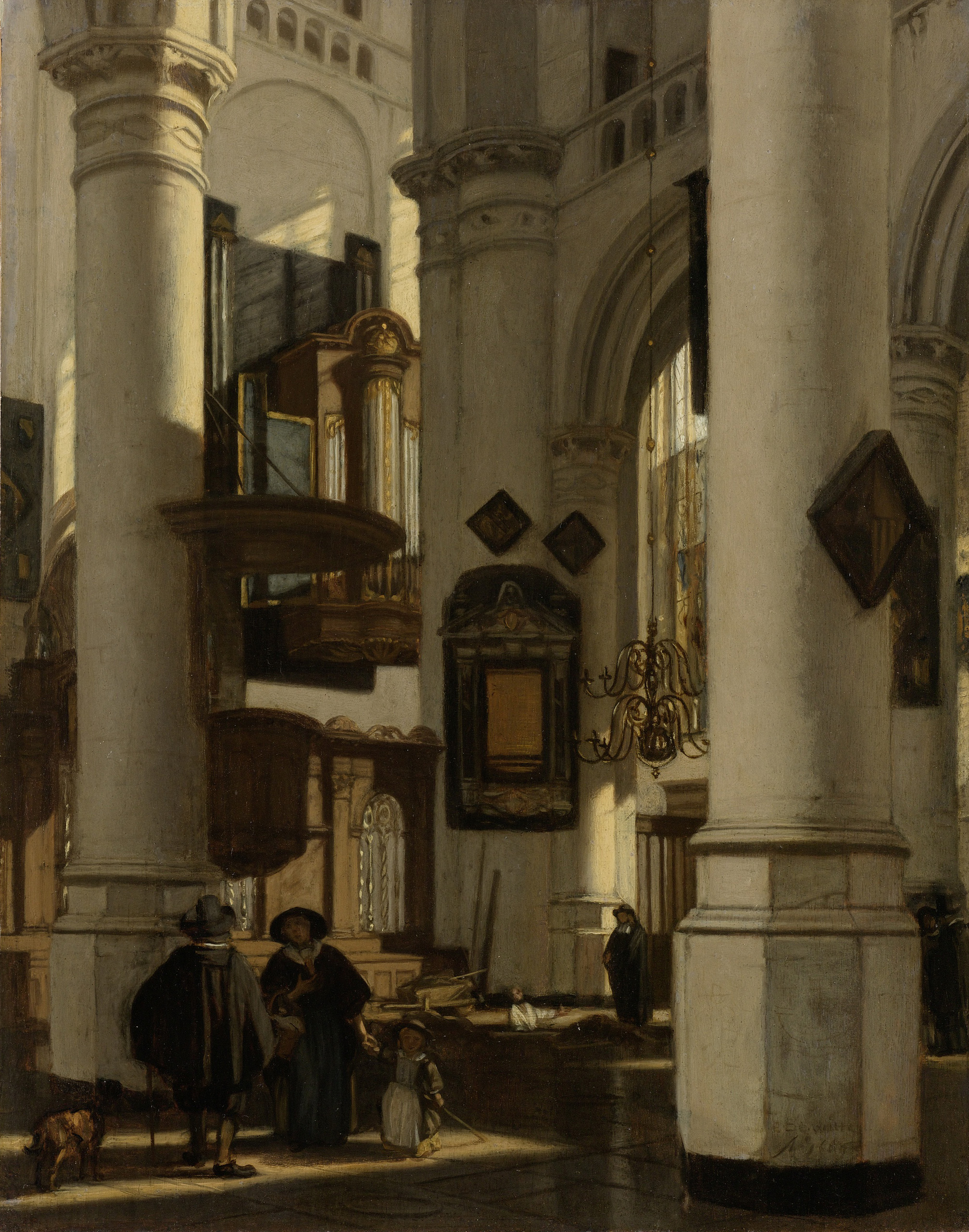
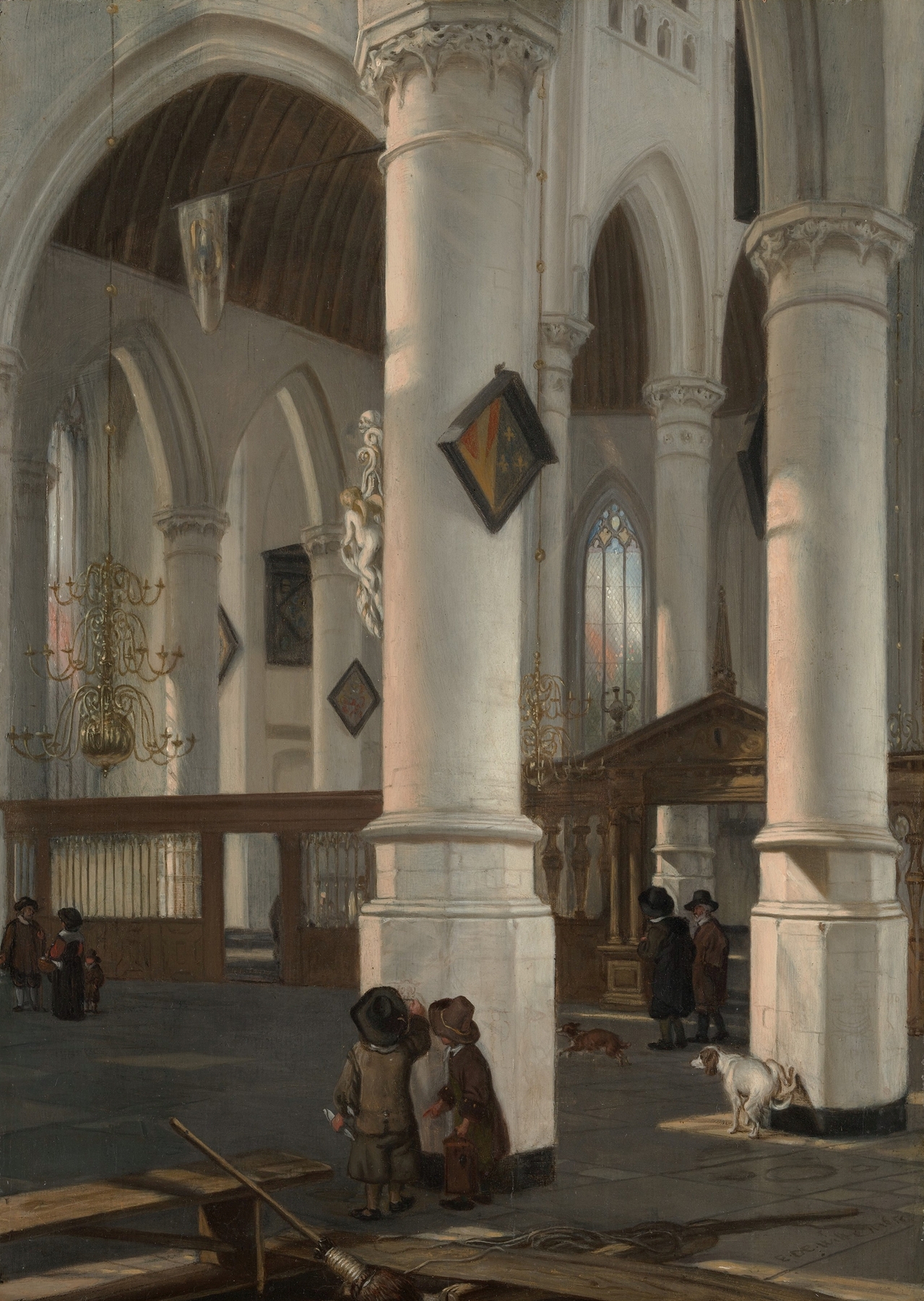
What if beauty was never meant to be finished? In Interior of the Oude Kerk in Delft, the viewer is invited into a sacred space where divinity breathes through the architecture, yet remains eternally elusive. Look to the left at the intricate arches that stretch upward, drawing your gaze toward the soaring ceiling. Notice how the light filters through the stained glass, casting colorful patterns upon the stone floor, illuminating the quiet reverence of the scene.
The painter's deft use of chiaroscuro enhances the architectural forms, emphasizing the interplay between light and shadow while inviting contemplation of the spiritual realm. Beneath the surface, tension simmers in the contrast between the elaborate details of the church's interior and the solitude of the solitary figures, lost in reflection. Each person seems to be engaged in a personal dialogue with the divine, suggesting that beauty, like faith, is a deeply individual experience. The muted color palette reinforces the quiet stillness, drawing attention to the sacred space rather than the people within it, reinforcing the idea that divinity is often found in moments of solitude.
In 1655, Emanuel de Witte was at the height of his career as a painter in Delft, a city known for its rich artistic community. He focused on interior scenes that revealed the beauty of everyday life intertwined with spirituality, reflecting the broader Baroque movement's emphasis on light and drama. During this period, the Protestant Reformation had influenced the depiction of religious spaces, encouraging a more personal and contemplative approach to spirituality, which resonates profoundly in this work.