Interior of Conway Castle — History & Analysis
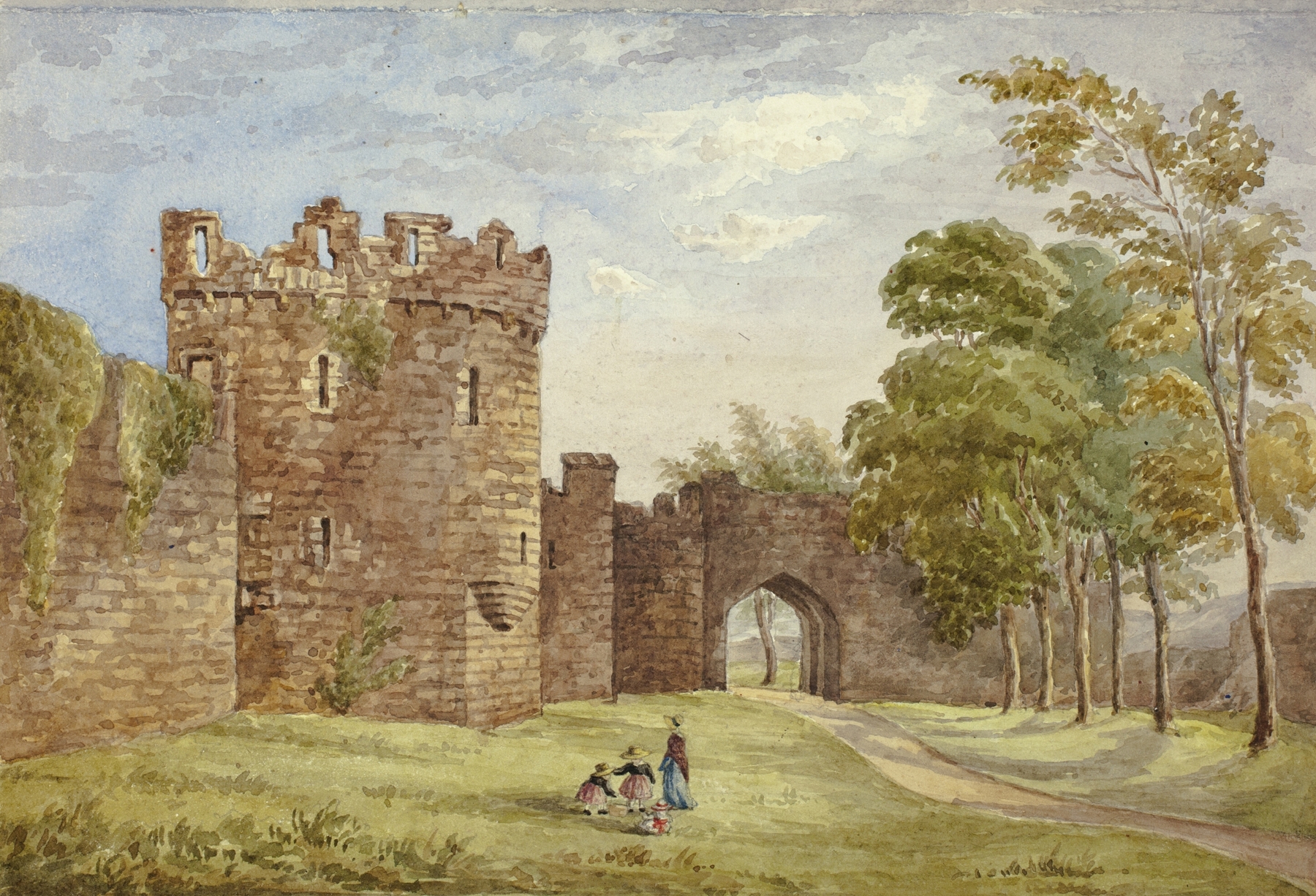
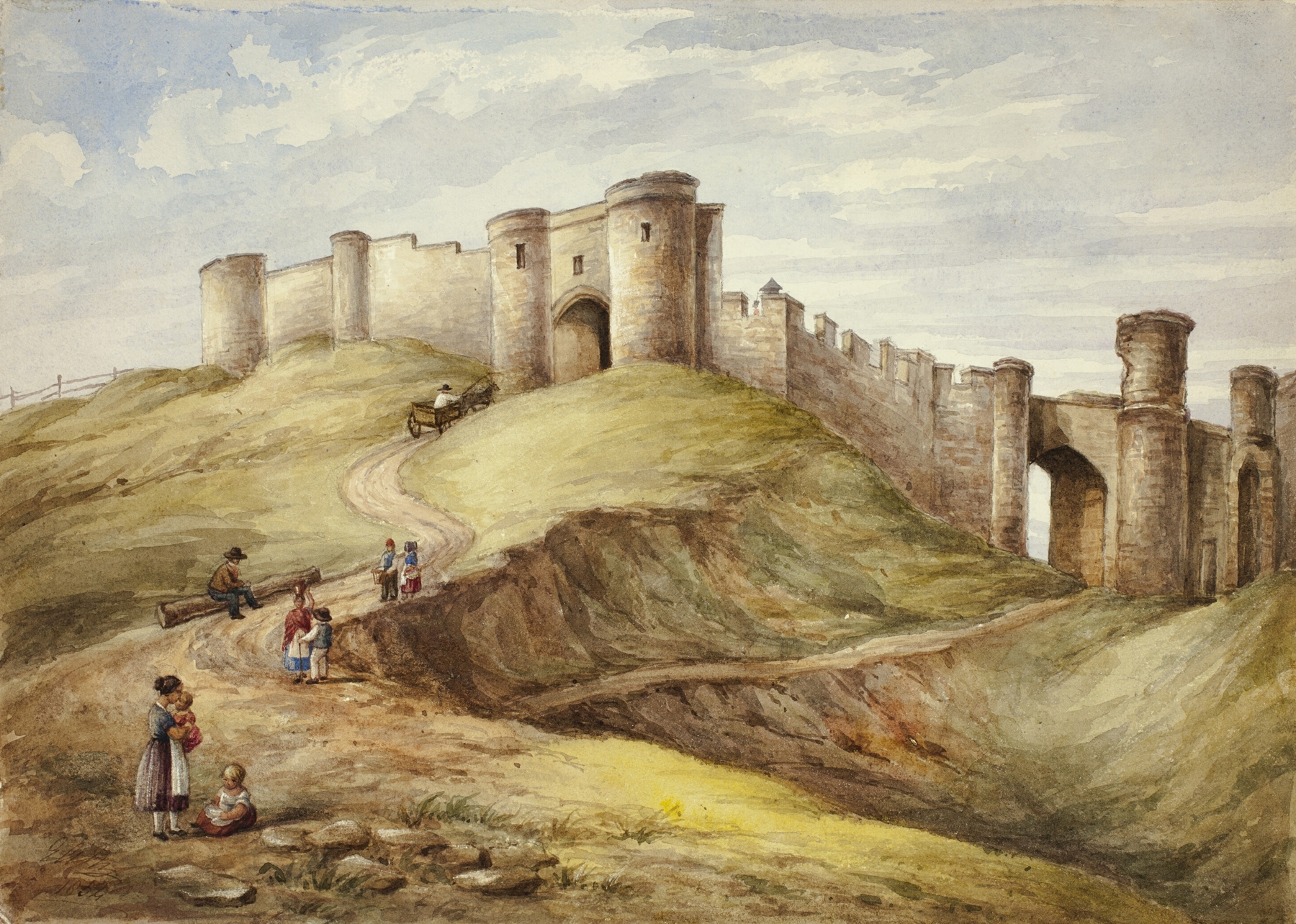
“Sometimes beauty is just pain, disguised in gold.” Memory lingers in the corners of quiet spaces, haunted by echoes of the past. It swells like a tide, washing over us, reminding us of what once was and what can never be again. Focus first on the intricate stonework framing the doorway at the center of the canvas, where shadows and light dance in a delicate interplay. The muted earth tones of the walls amplify the warmth of sunlight filtering through the windows, creating a serene ambiance. Notice the way the soft fabrics of the furnishings invite the eye to linger, encouraging a sense of intimacy and nostalgia.
Each brushstroke recounts a history, while vibrant highlights in the gold accents suggest a grandeur that contrasts with the underlying melancholy. Within the warm embrace of the interior, there lies an unspoken tension—the blend of comfort and abandonment. The grandeur of the castle, with its lavish detail, hints at past glory, yet the empty spaces evoke solitude and longing. The juxtaposition of light and shadow speaks to the duality of memory; beauty intertwined with sorrow creates a haunting resonance, inviting viewers to reflect on their own histories.
This is a space filled with stories and silences, where the echoes of laughter may linger but are ultimately replaced by an enduring stillness. In 1845, Elizabeth Murray painted this scene during a period of personal upheaval and artistic exploration. Living in a time when the Romantic movement was in full bloom, she sought to capture the essence of both nature and architecture, striving to evoke emotion through her landscapes and interiors. Her work embodies a transitional phase in art, where the beauty of the picturesque blended with deeper, more introspective themes, reflecting both her personal struggles and a broader cultural shift towards Romanticism.