
Isles of Shoals — History & Facts
Who listens when art speaks of silence? In Isles of Shoals, a haunting stillness envelops the scene, drawing the viewer into a contemplative solitude that echoes far beyond the canvas. Look to the left at the gentle shoreline, where muted colors blend seamlessly — soft grays and blues whisper of an overcast sky. The horizon, a mere suggestion of the meeting point between sea and sky, holds a delicate balance of light and shadow. Notice the texture of the brushstrokes, which evoke the rippling waves and the quiet melancholy of the landscape.
The figures are few and far between, diminutive against nature’s vastness, inviting you to focus on the interplay of isolation and beauty. Beneath this surface lies a poignant exploration of loneliness. The solitary figures, perhaps lost in thought or waiting for a boat that may never arrive, personify a yearning for connection amid vast expanses. The muted palette reflects not only the physical landscape but also an emotional depth, as if the artist is capturing the essence of solitude itself.
The absence of vibrant color translates into a stark reminder of the quiet moments often overlooked. In 1899, Childe Hassam painted Isles of Shoals during a period of shifting artistic movements. Living in New England, he was deeply influenced by Impressionism, which was reshaping the art world. At this time, he was exploring landscapes that inspired introspection, with a growing desire to convey emotion through natural settings, as he grappled with his own thoughts on solitude and the human experience.
More Artworks by Childe Hassam

The Avenue in the Rain
Childe Hassam

Washington Arch, Spring
Childe Hassam

Beach at Newport
Childe Hassam
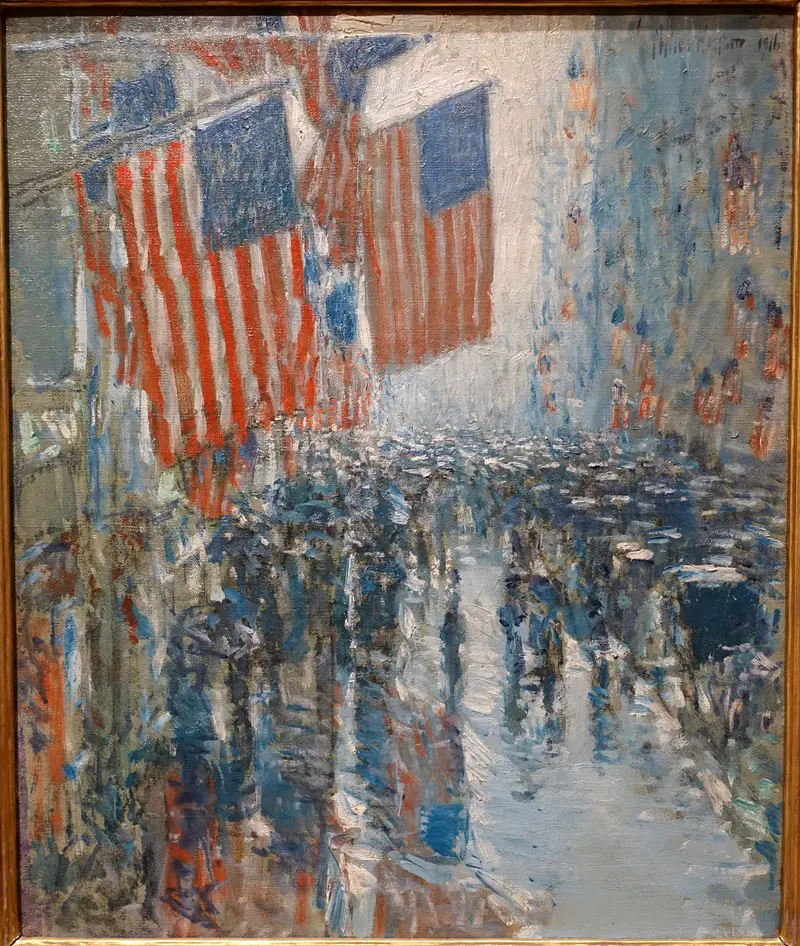
Rainy Day, Fifth Avenue
Childe Hassam
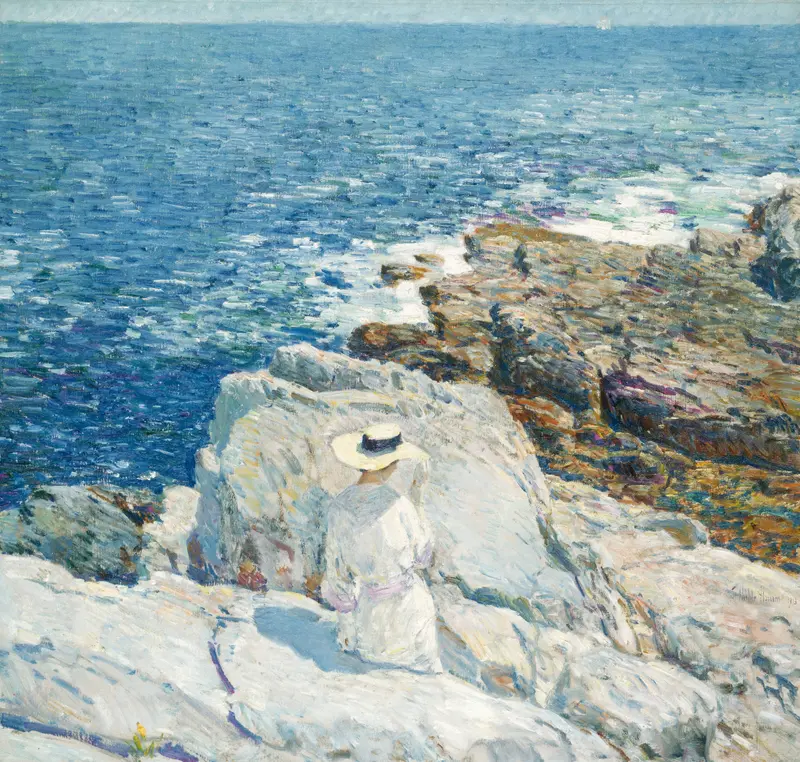
The South Ledges, Appledore
Childe Hassam
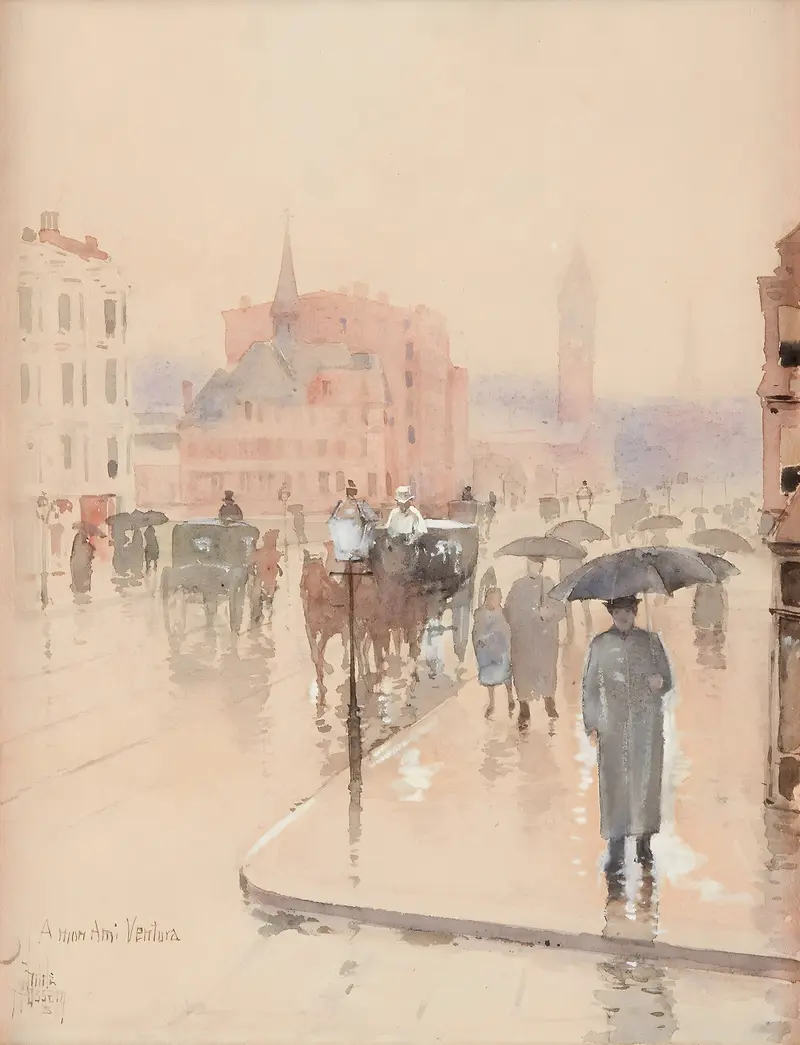
Rainy Day, Columbus Avenue, Boston
Childe Hassam
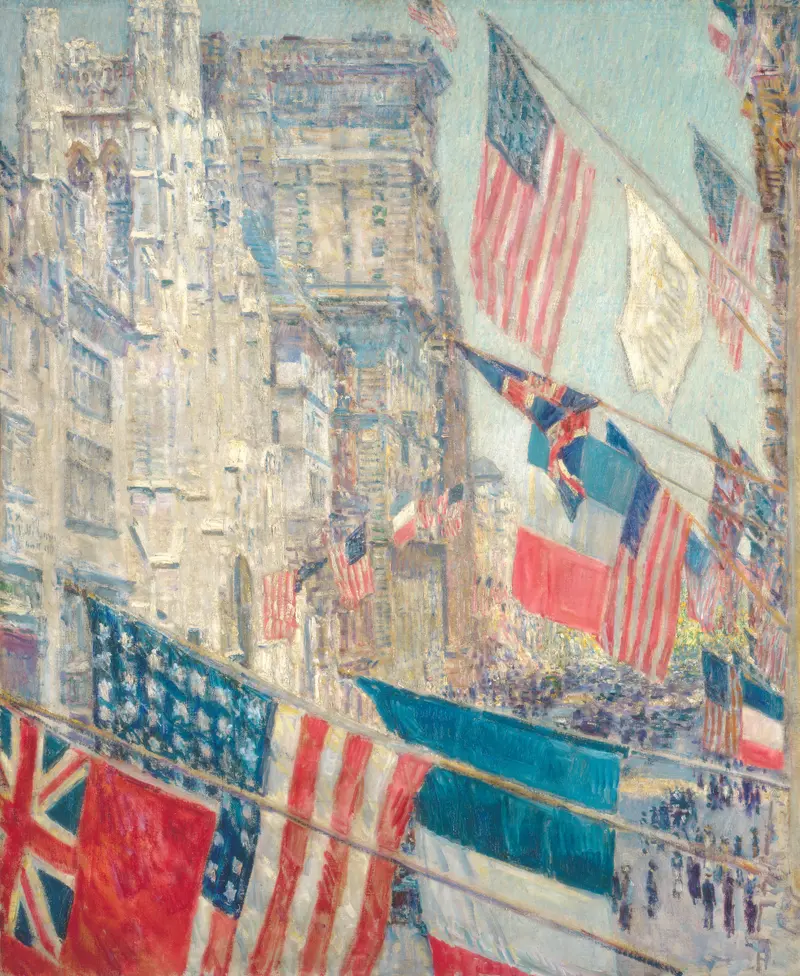
Allies Day, May 1917
Childe Hassam
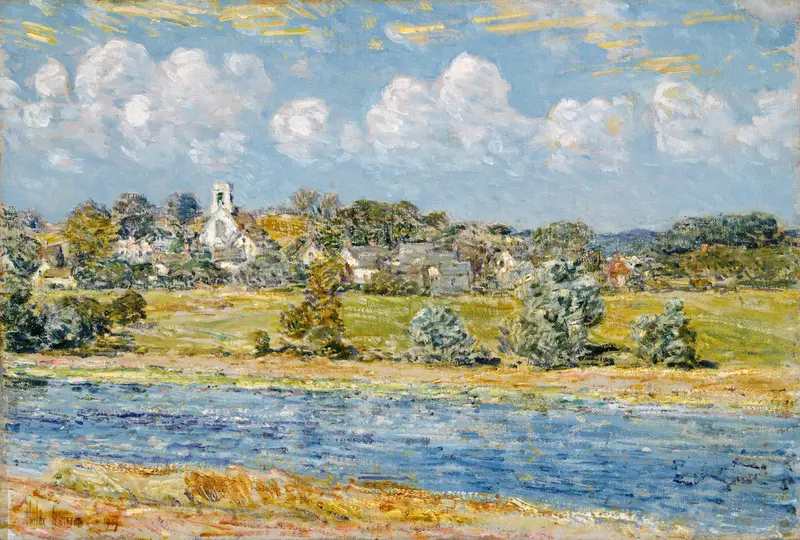
Landscape at Newfields, New Hampshire
Childe Hassam
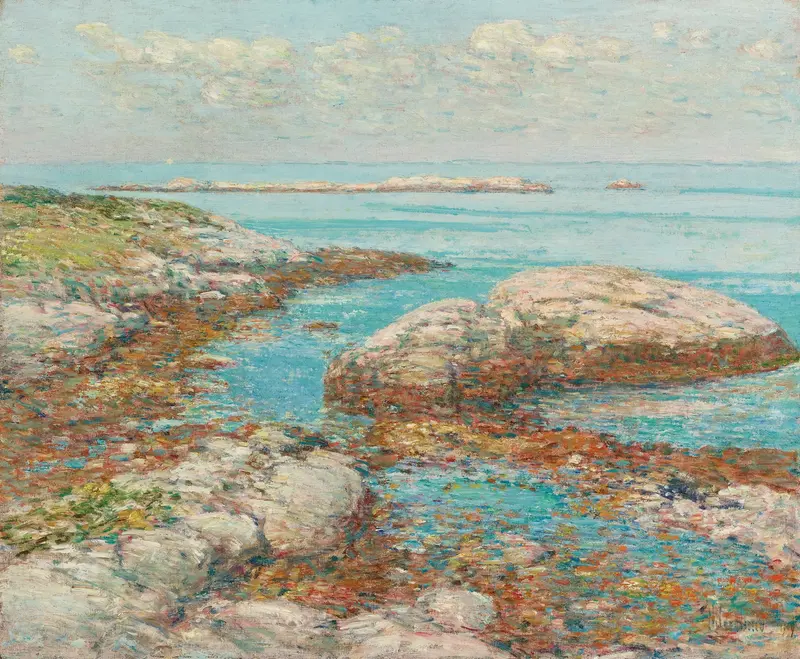
Rocks At Appledore, Morning
Childe Hassam
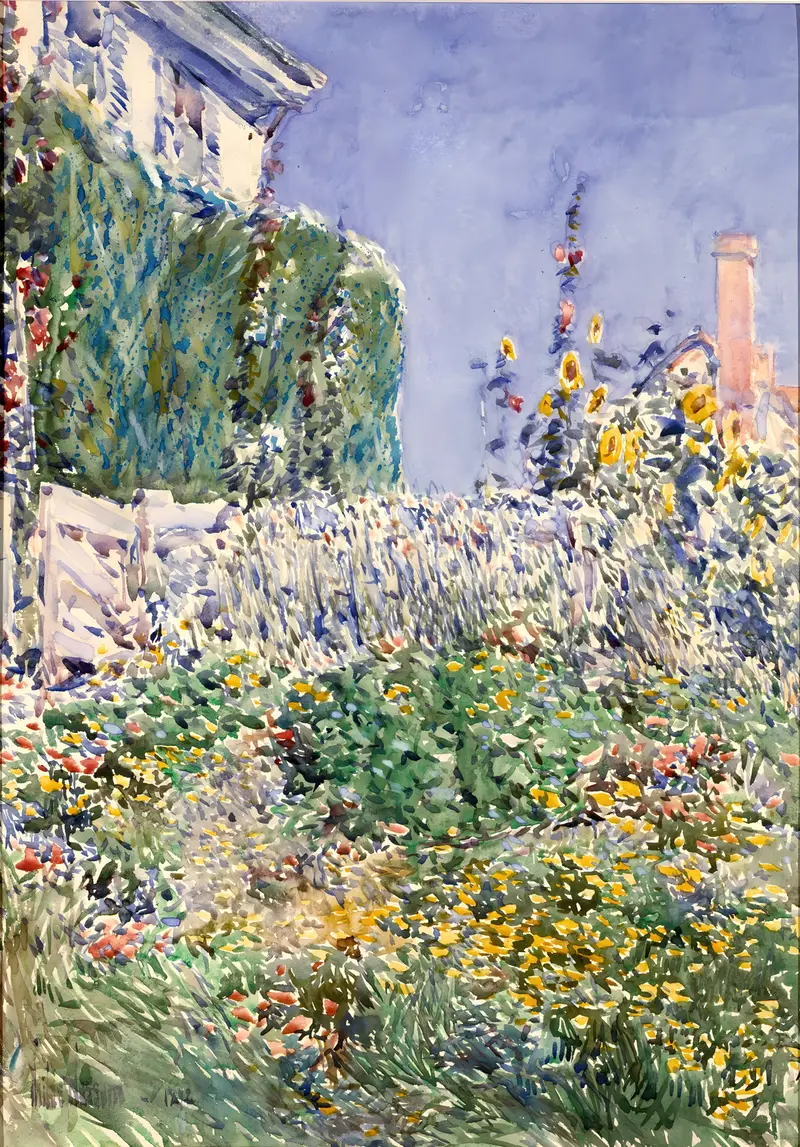
Thaxter’s Garden
Childe Hassam





