Kezar Lake, Autumn Evening — History & Analysis
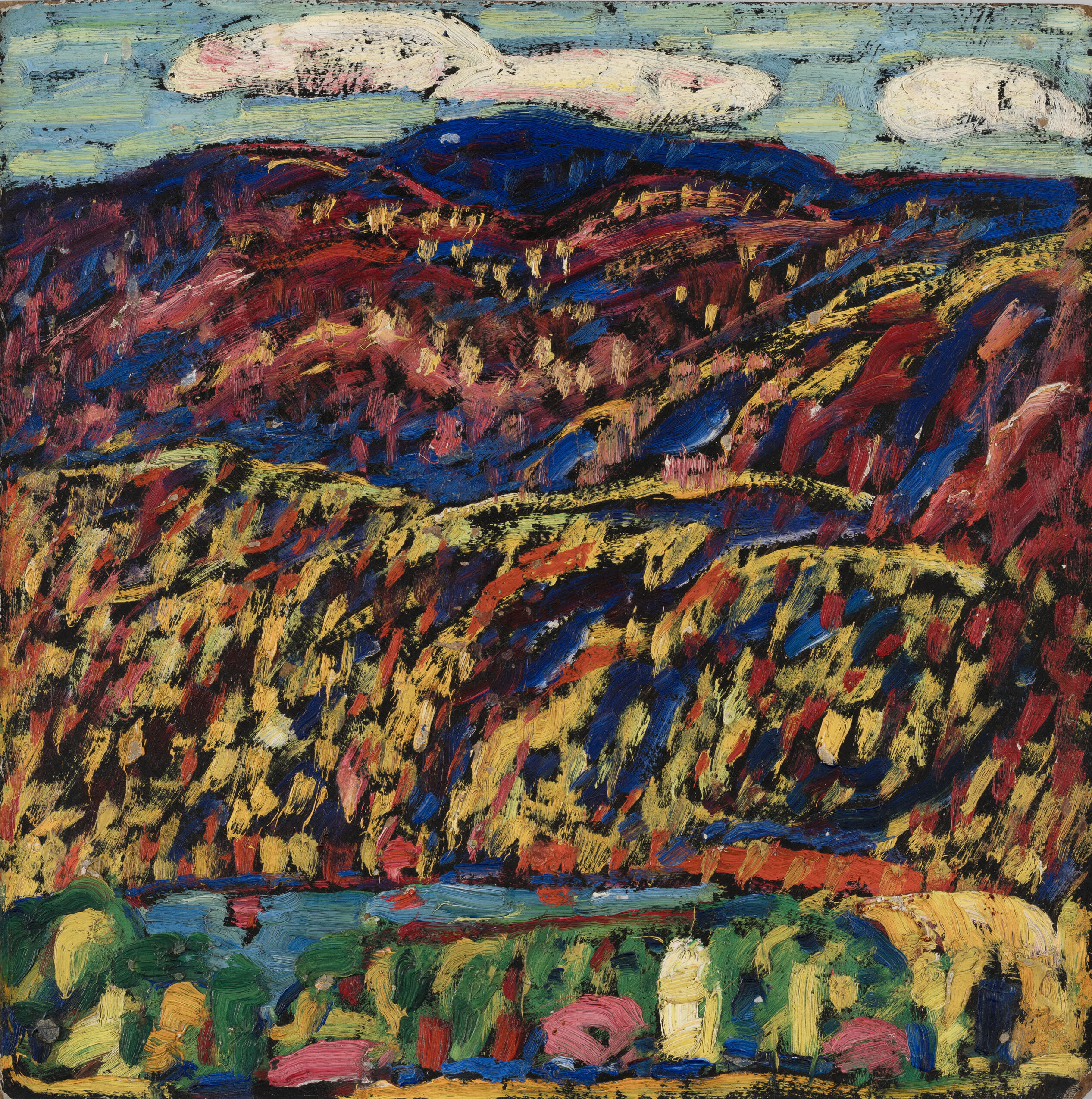
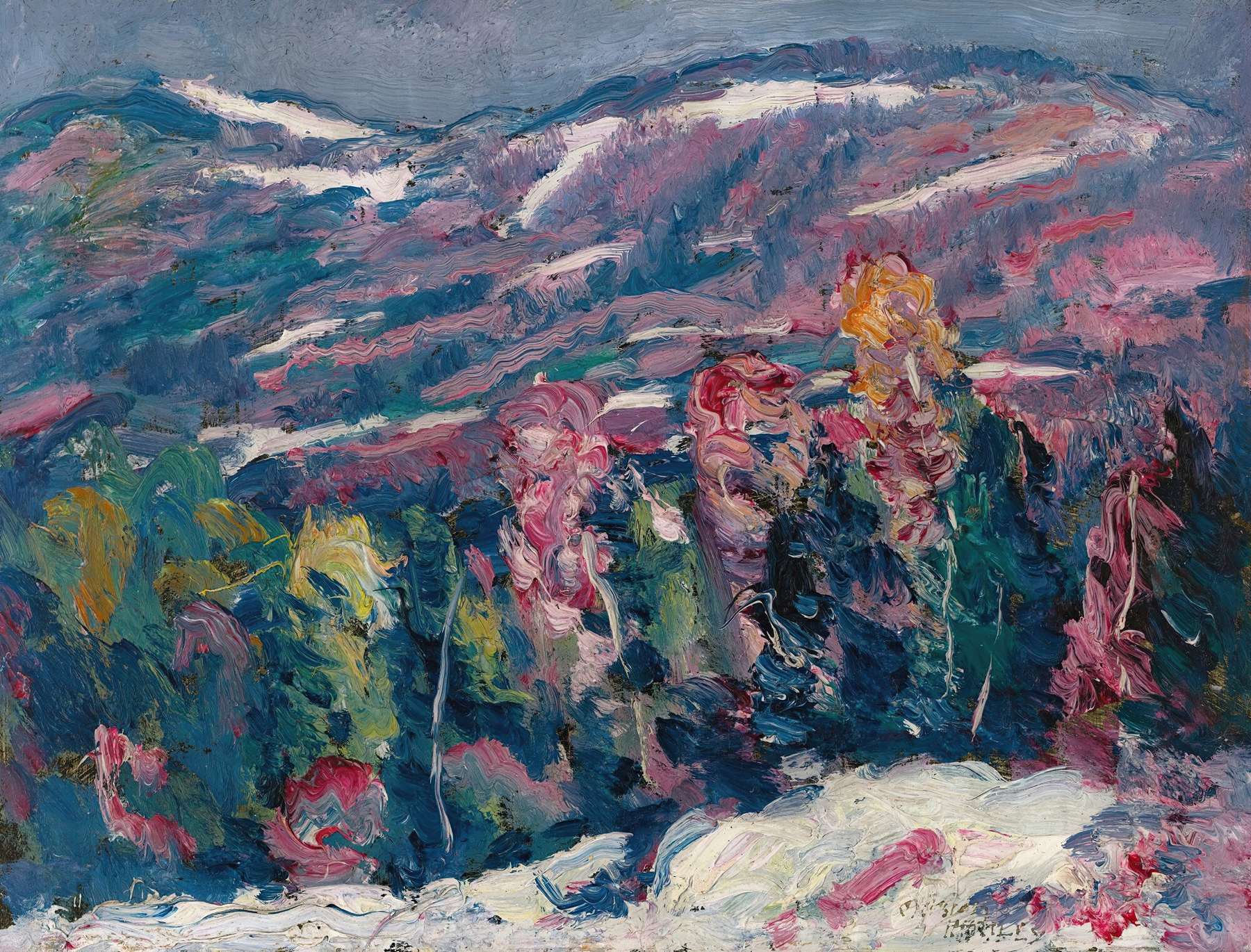
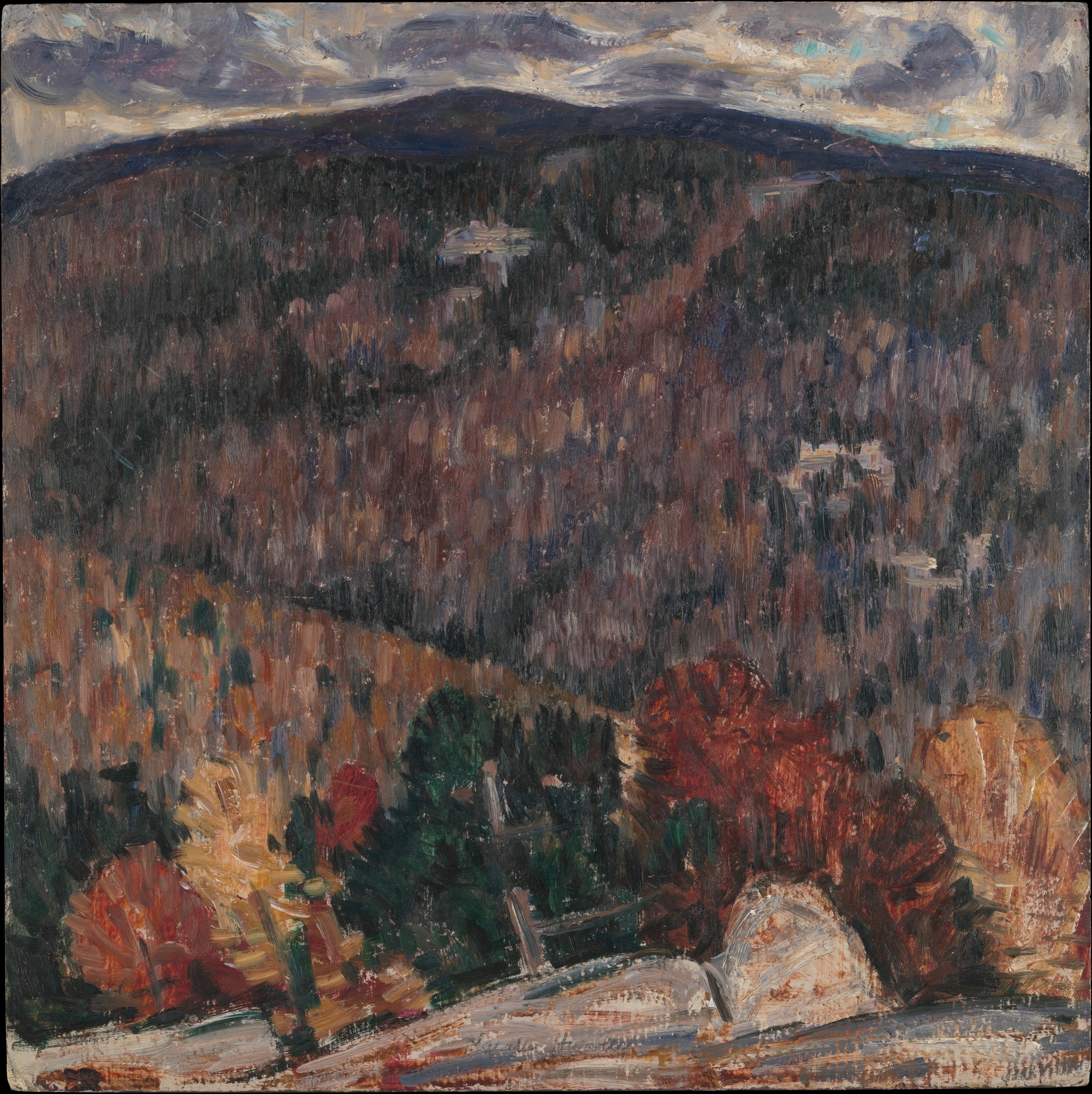
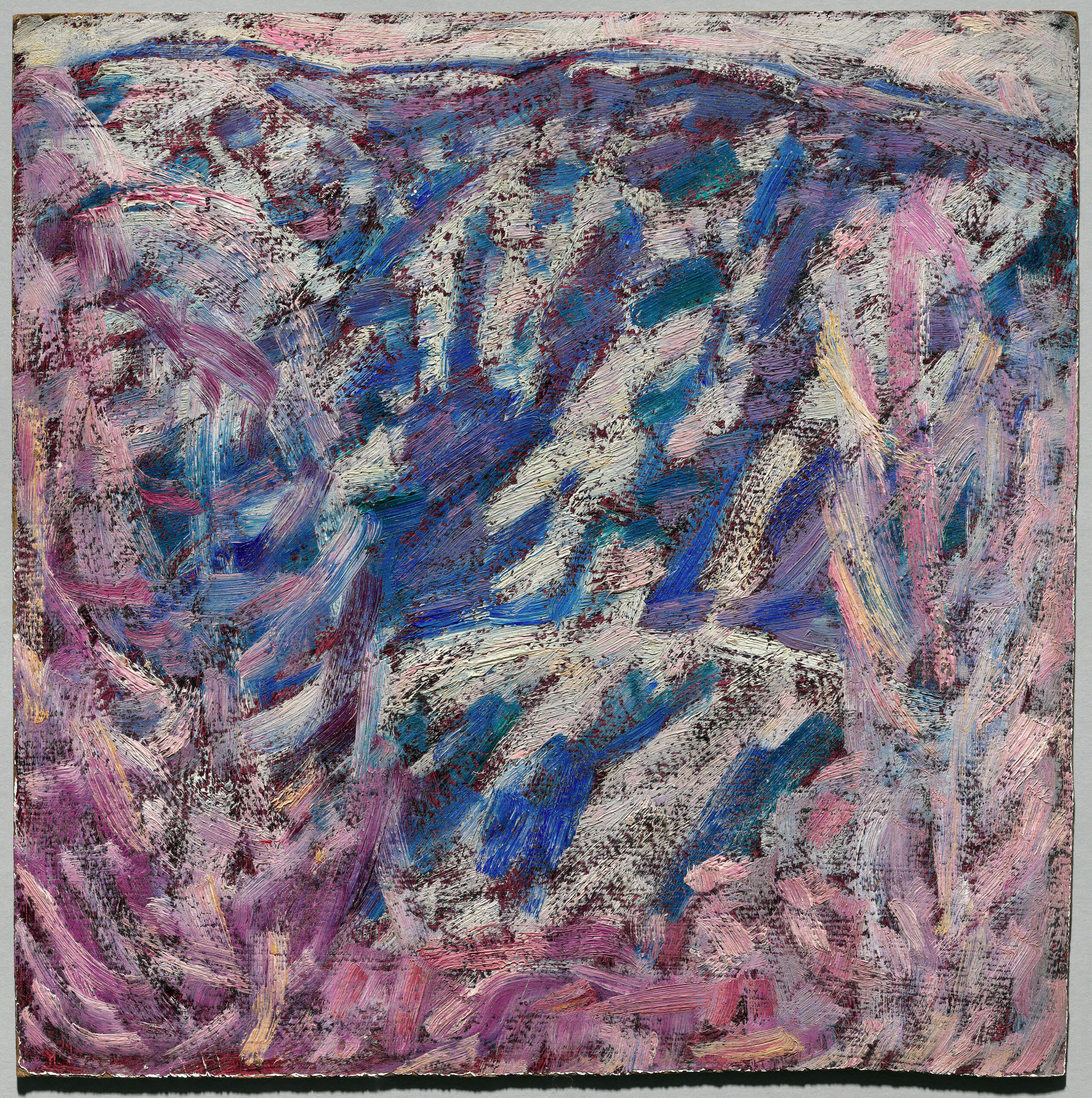
What secret hides in the quiet of the canvas? In Kezar Lake, Autumn Evening, the stillness of nature invites contemplation, suggesting a world untouched and innocent, where every leaf tells a story. Focus on the varying hues that sweep across the canvas, echoing the essence of an autumn twilight. The deep reds and burnt oranges dance together, drawing your eye to the tranquil surface of the lake, which mirrors the riot of colors above.
Notice how the gentle brush strokes blend seamlessly, creating an ethereal quality; it feels as if time has paused, allowing the viewer to breathe in the crisp evening air. The horizon line, low and expansive, emphasizes the vastness of the lake, while delicate trees frame the scene, standing sentinel in quiet majesty. Beneath the surface aesthetic, this scene radiates a deeper emotional tension—the tension between silence and memory, between the ephemeral beauty of nature and its inevitable passage. The fading light can be seen as a metaphor for innocence lost, inviting reflection on what lies beneath the placid exterior of life.
The juxtaposition of the vibrant colors against the tranquil water encapsulates both the beauty and the fragility of fleeting moments. Painted around 1910, when Hartley was immersed in the American landscape, Kezar Lake reflects his deep appreciation for nature and a searching spirit. At this time, he was exploring the themes of identity and place, influenced by both the burgeoning American art scene and his personal experiences. In the backdrop of a rapidly changing world, this work captures a moment of serene respite, inviting viewers to uncover the secrets held within its calm embrace.