The Last of New England—The Beginning of New Mexico — History & Analysis
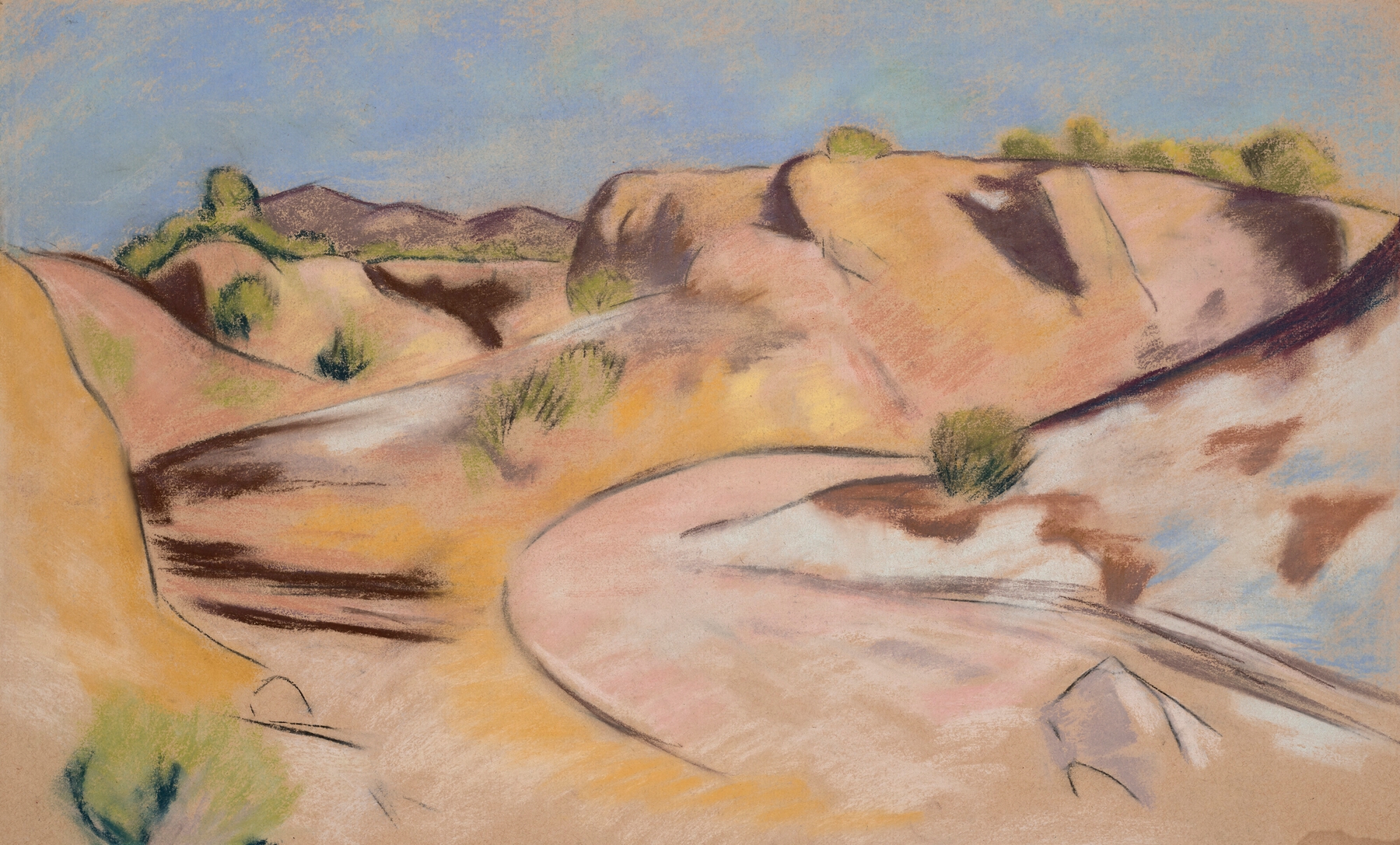
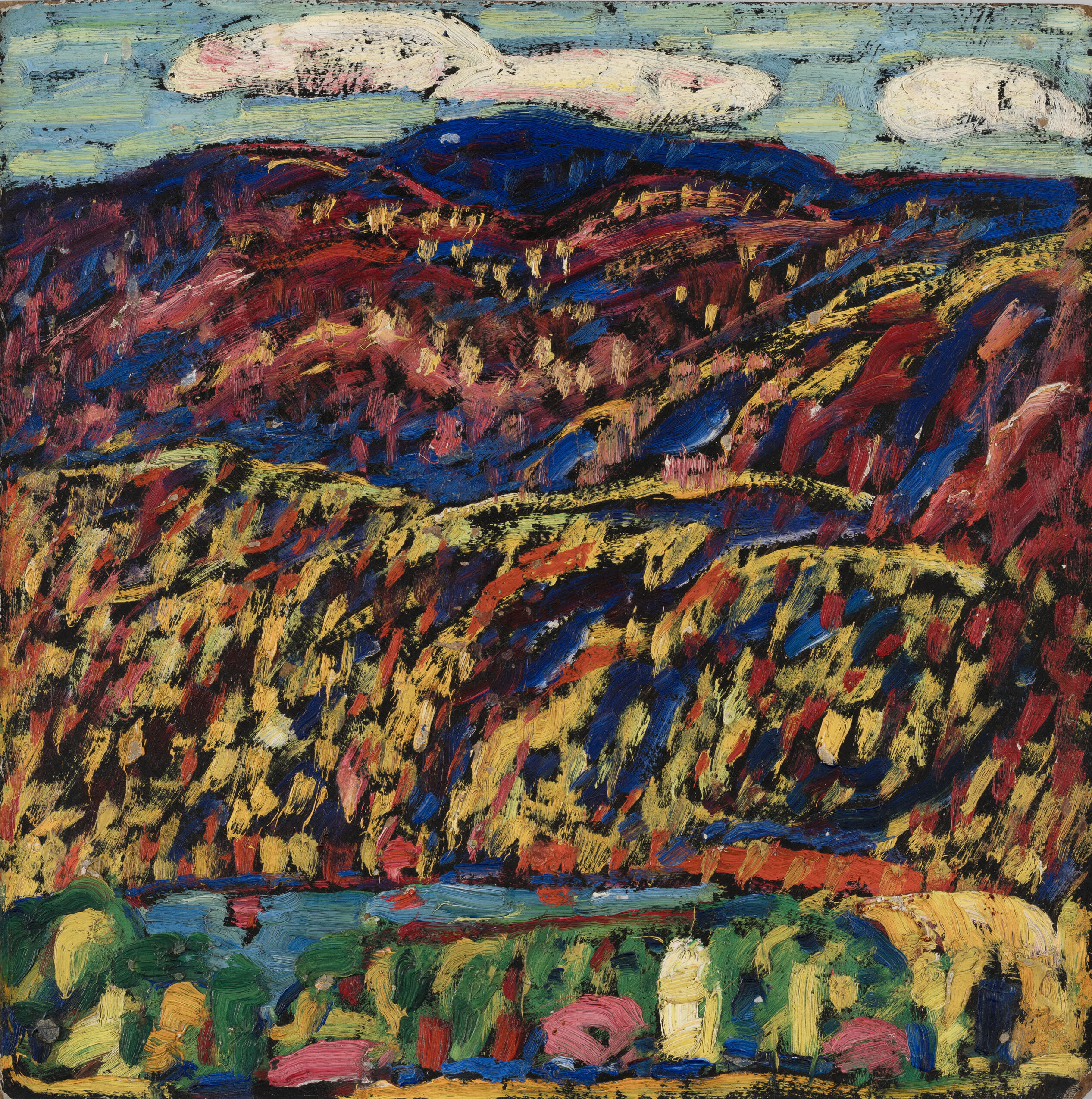
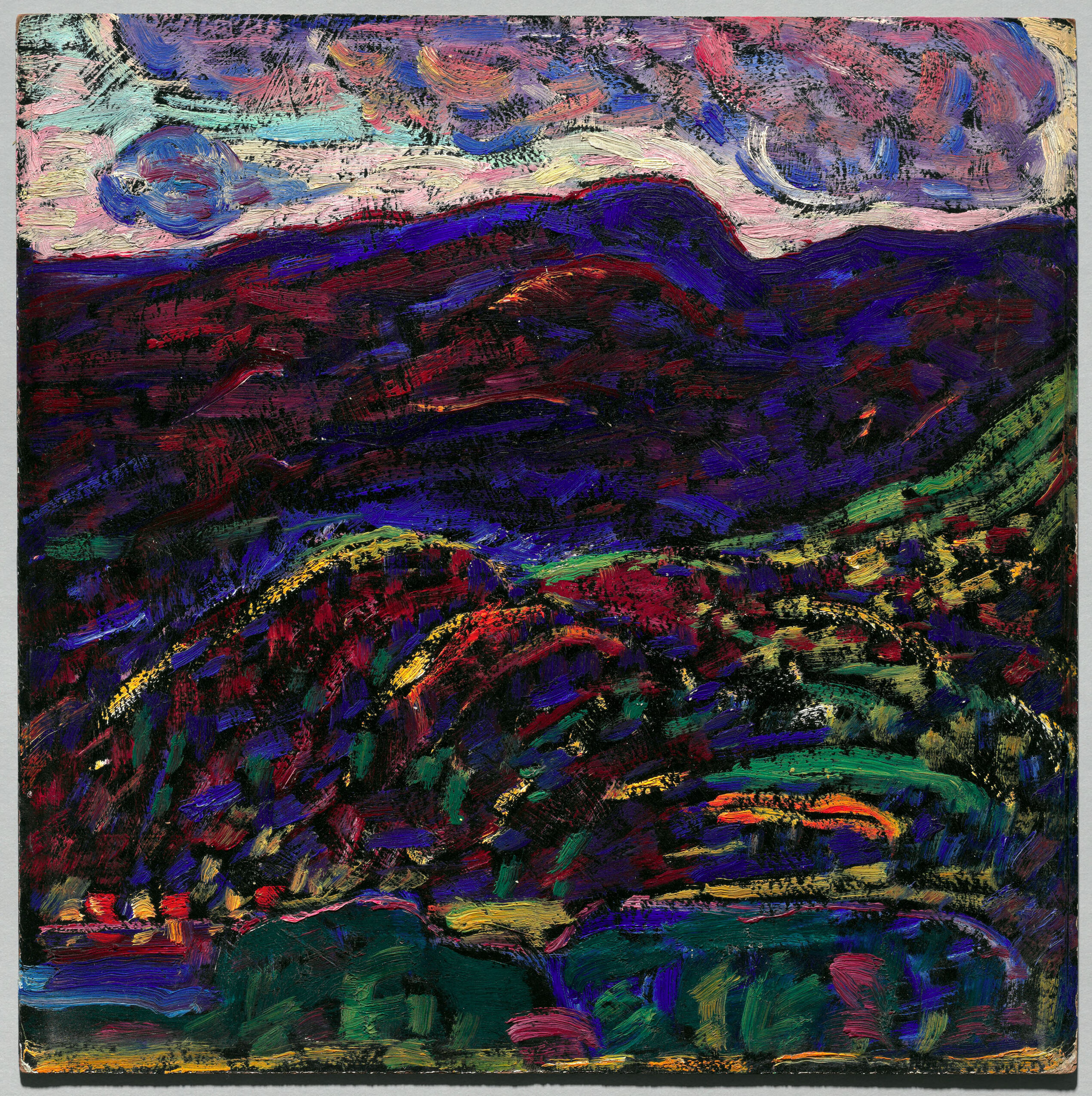
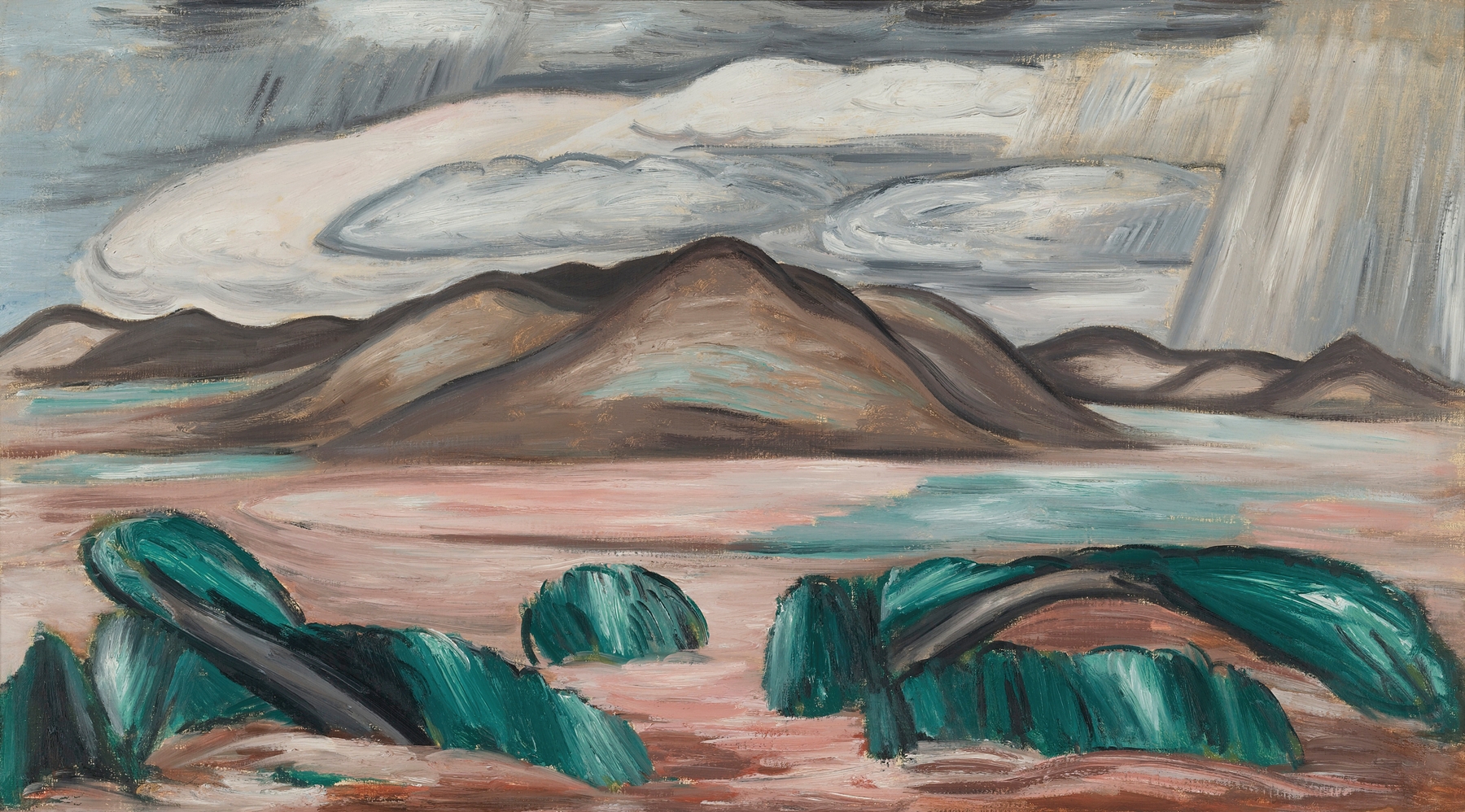
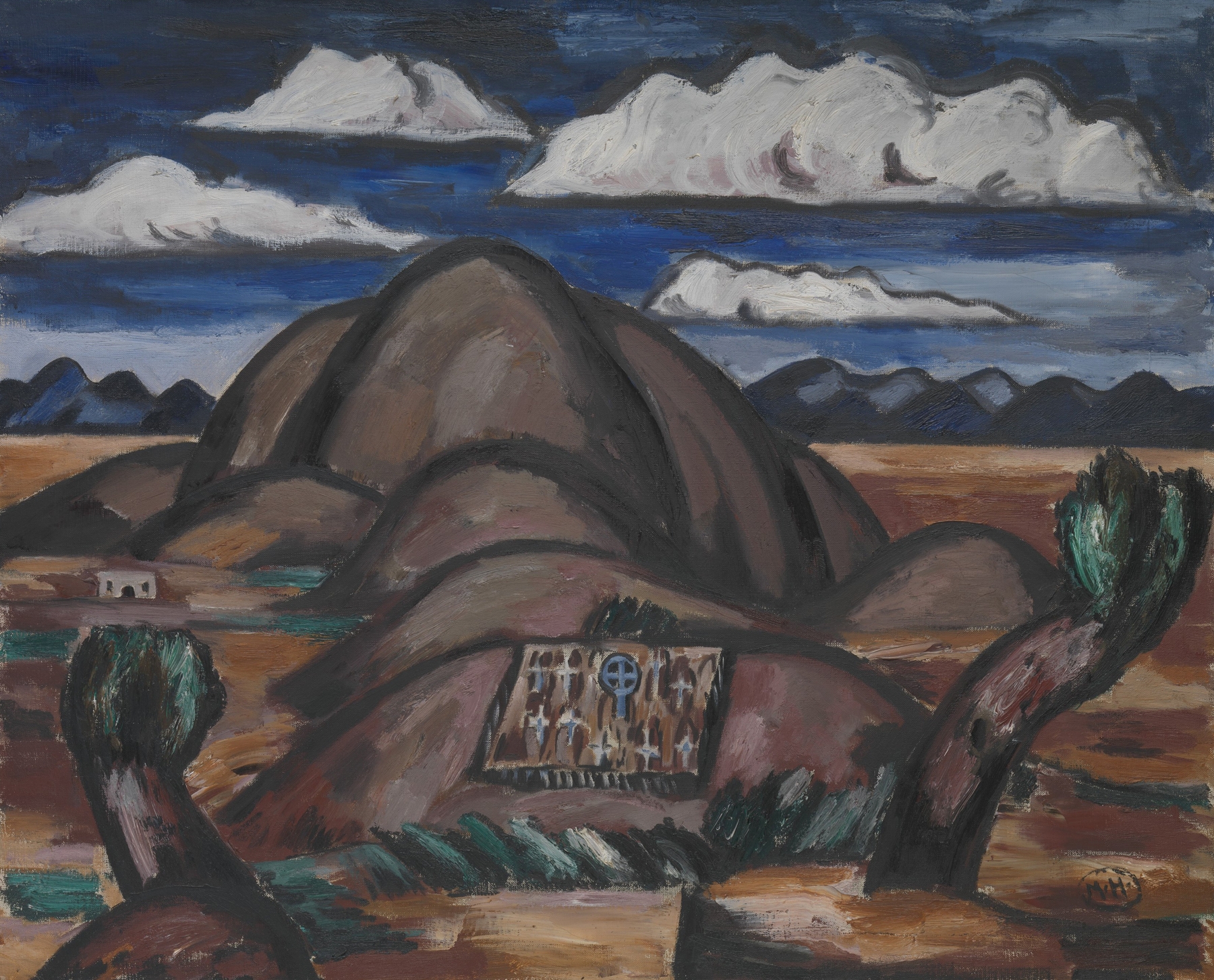
“Sometimes beauty is just pain, disguised in gold.” The interplay of light and color can evoke a spectrum of emotions, often revealing truths beneath the surface. In The Last of New England—The Beginning of New Mexico, that delicate balance between melancholy and hope is captured with exquisite depth. Look to the vibrant shades of ochre and deep blue that dominate the canvas, harmoniously interwoven to reflect the tension of transition. The composition draws your eye to the horizon, where the distant mountains meet an expansive sky, inviting contemplation of what lies beyond.
Notice how the brushwork conveys a sense of movement, creating an almost rhythmic pulse that breathes life into the stillness of the scene. Delve deeper into the layers of meaning embedded in the texture. The juxtaposition of rugged landscapes against ethereal skies symbolizes not only the physical migration from one place to another but also speaks to the emotional journey of leaving behind the familiar for the unknown. The golden hues may suggest a glimmer of hope, yet they also hint at the pain of sacrifice, a duality that resonates with the viewer on a profound level.
During the years 1918-1919, Marsden Hartley painted this work while grappling with personal loss and the turbulent aftermath of World War I. Having moved to New Mexico, he sought to reconcile his experiences in New England with the promise of new beginnings in the West. This period marked a transformative moment in Hartley’s career, as he began to redefine his artistic voice, embracing the vibrant landscapes that would come to define his legacy.