Landscape no. 26 — History & Analysis
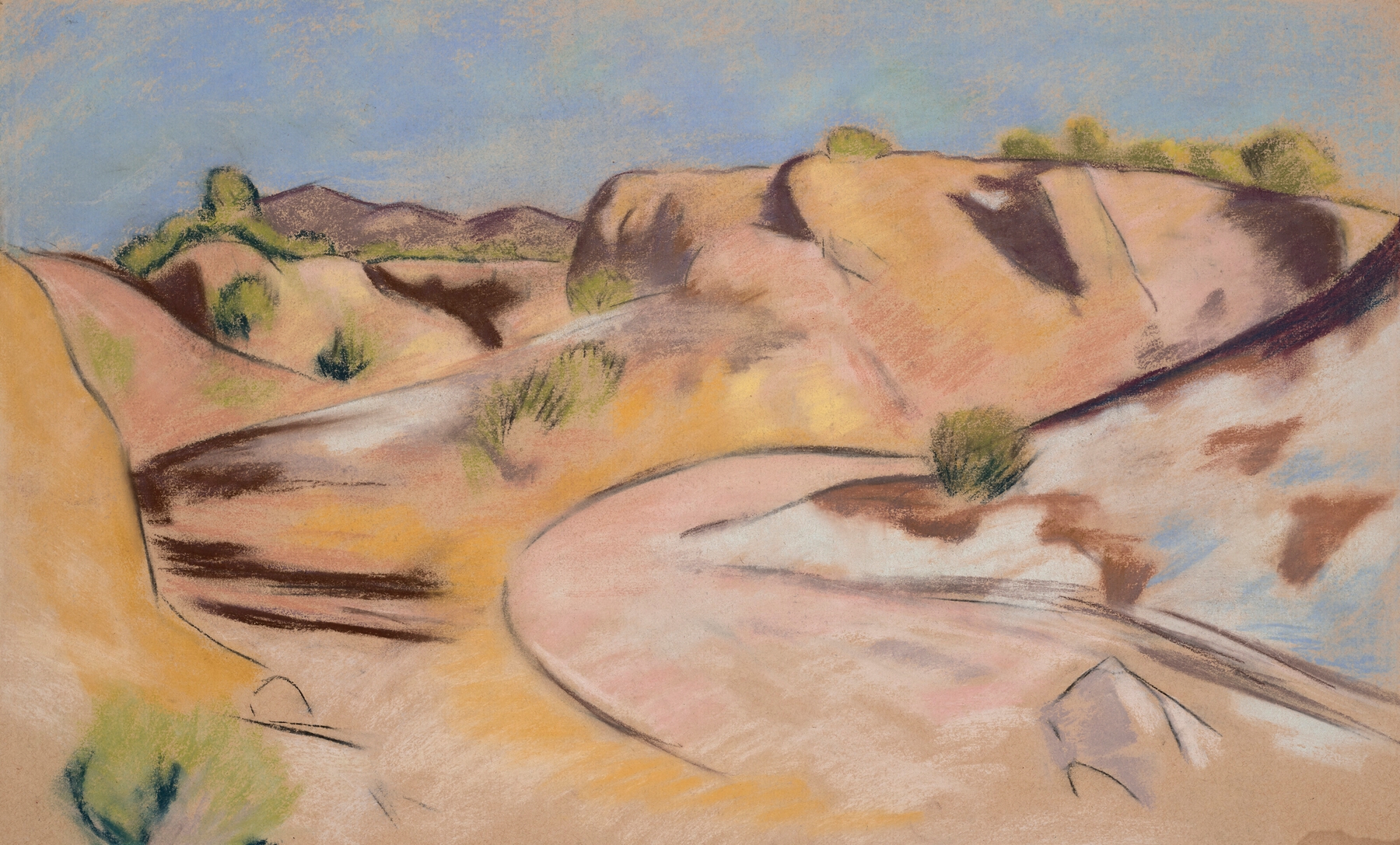
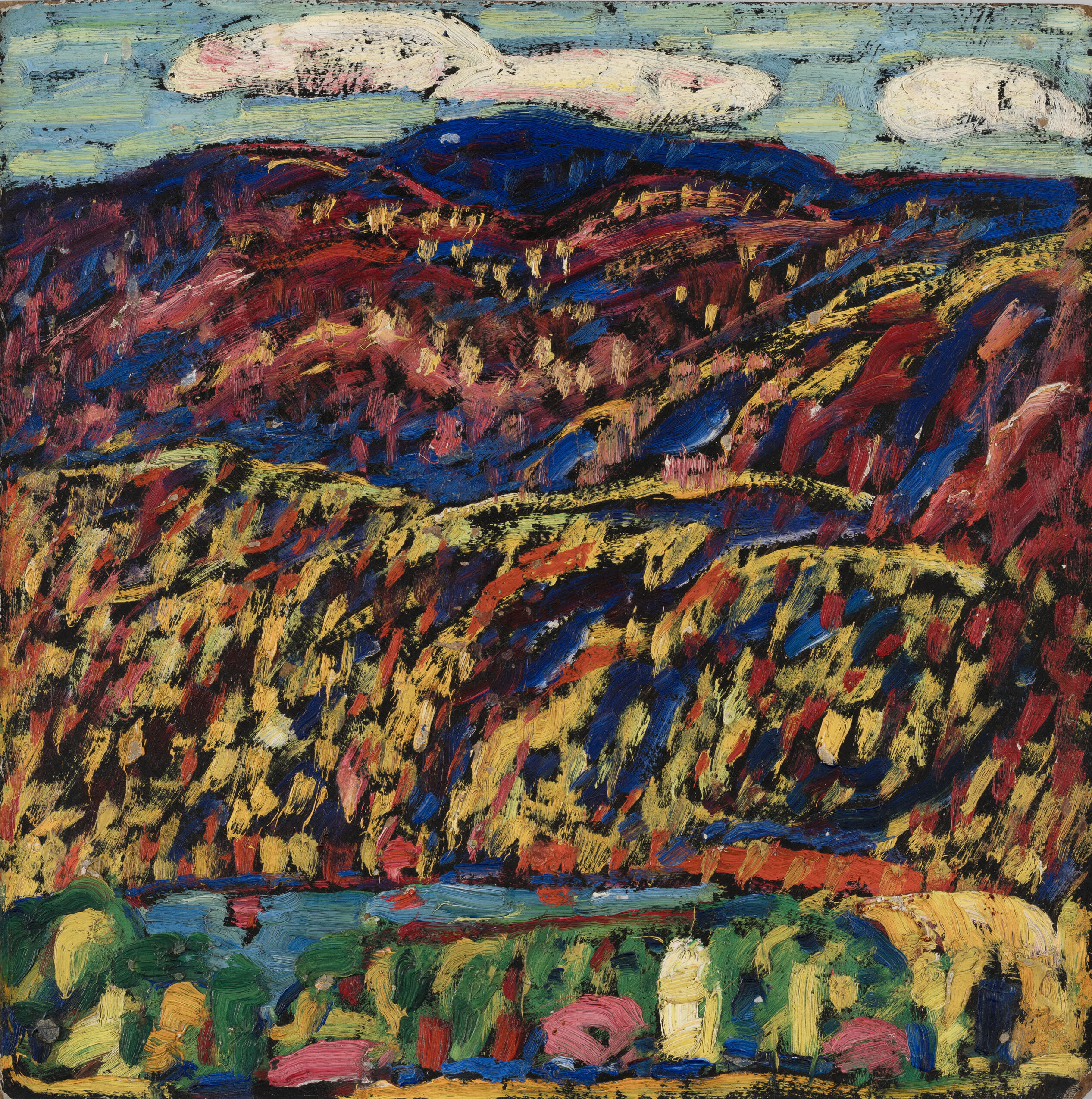
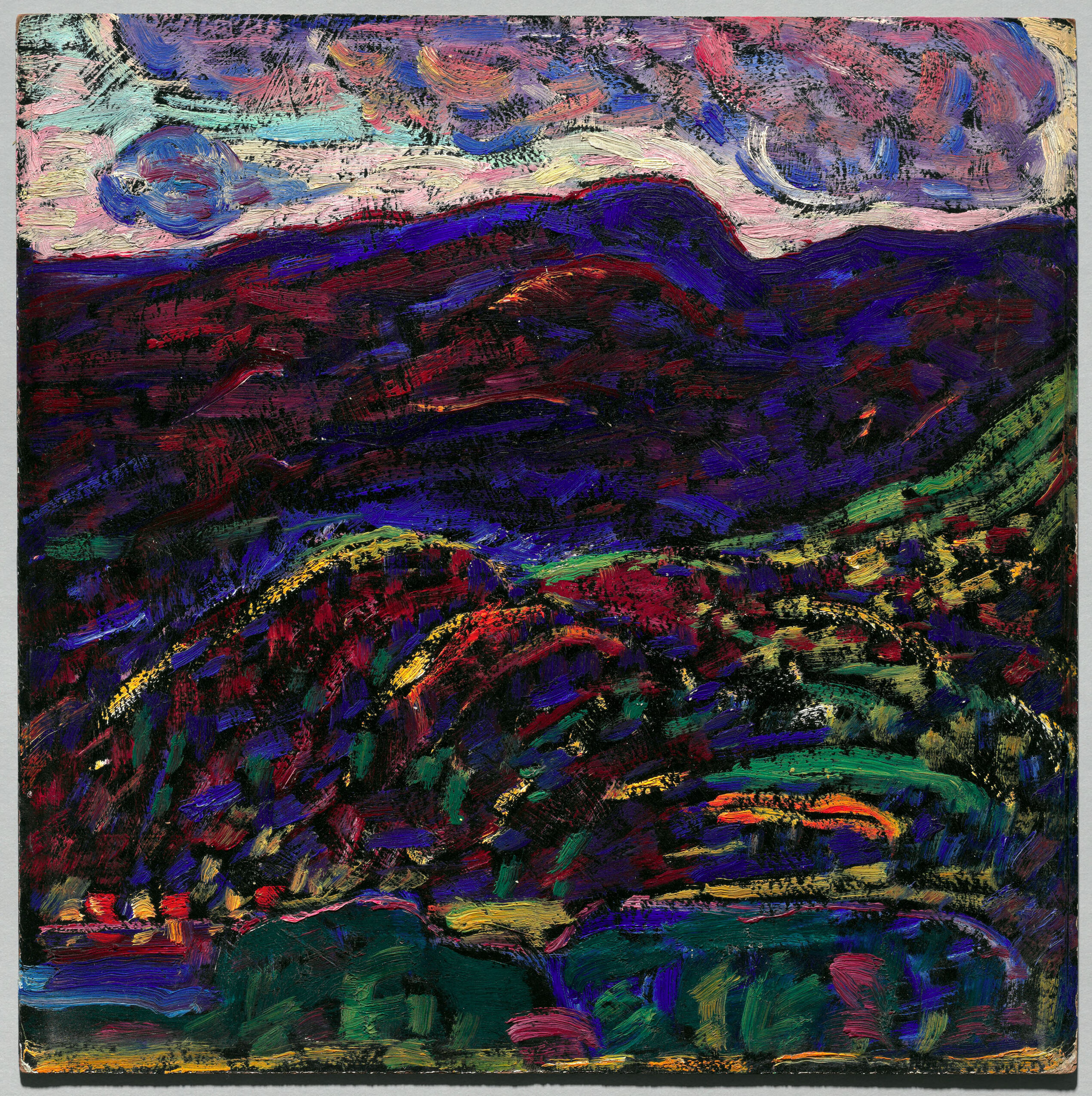
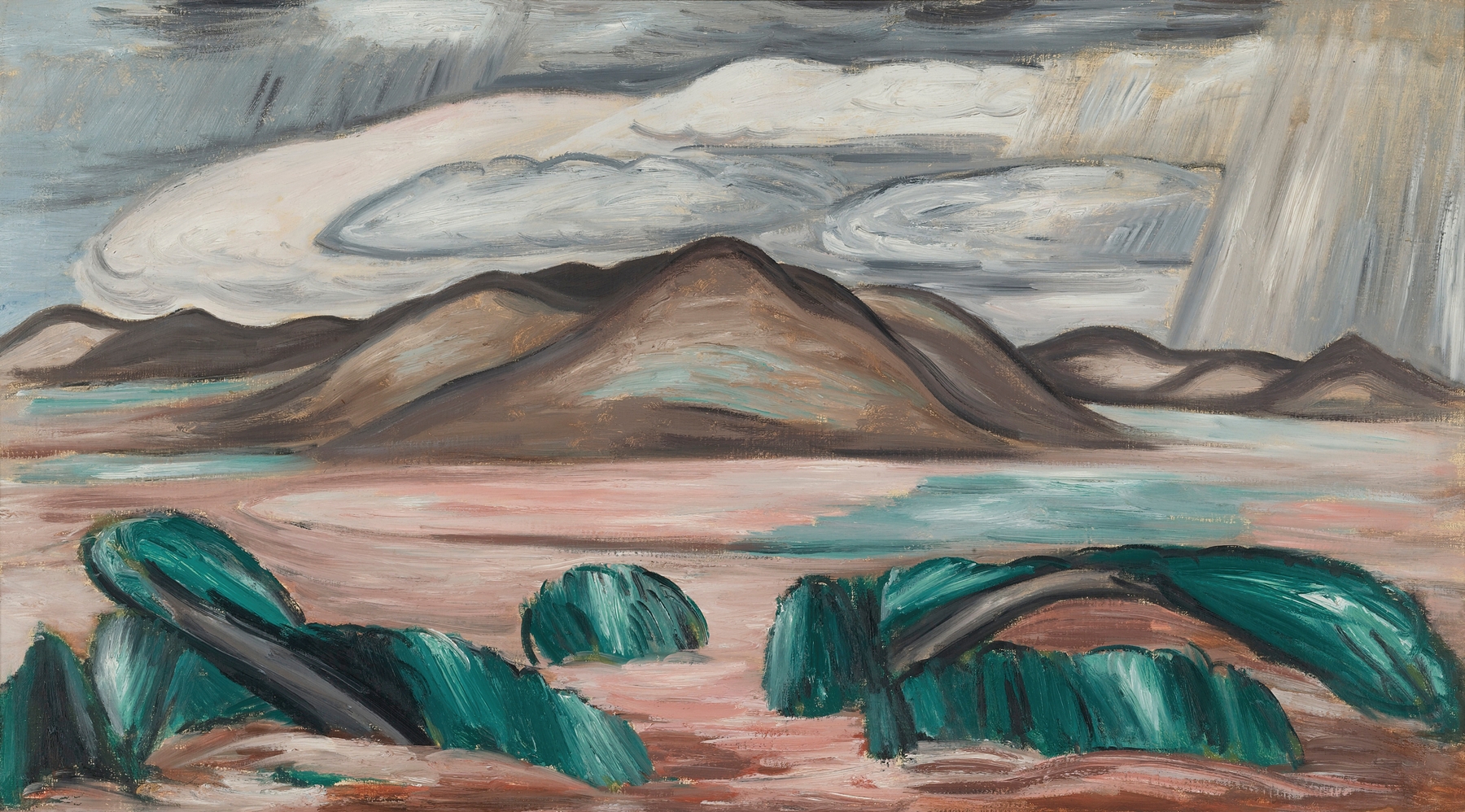
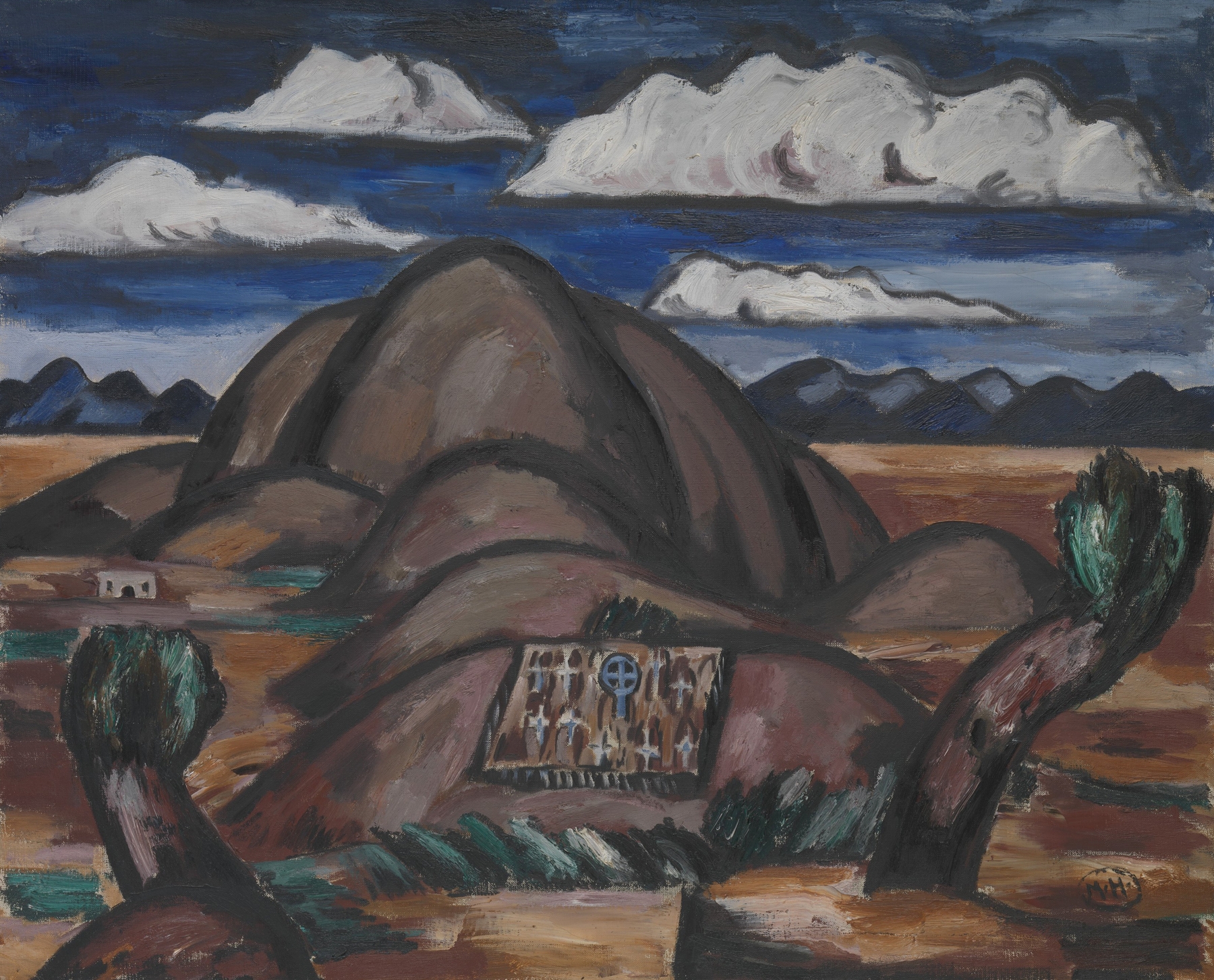
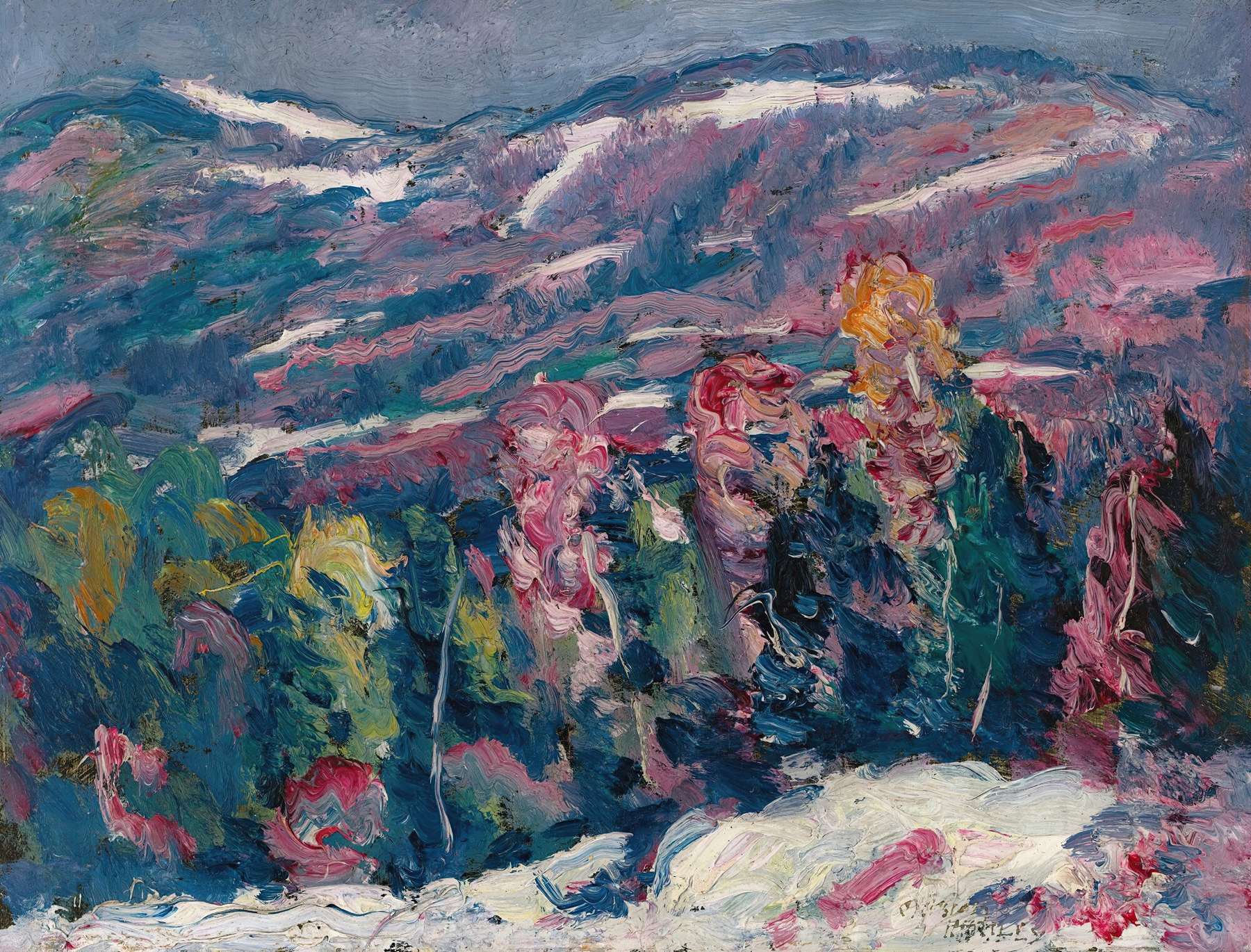
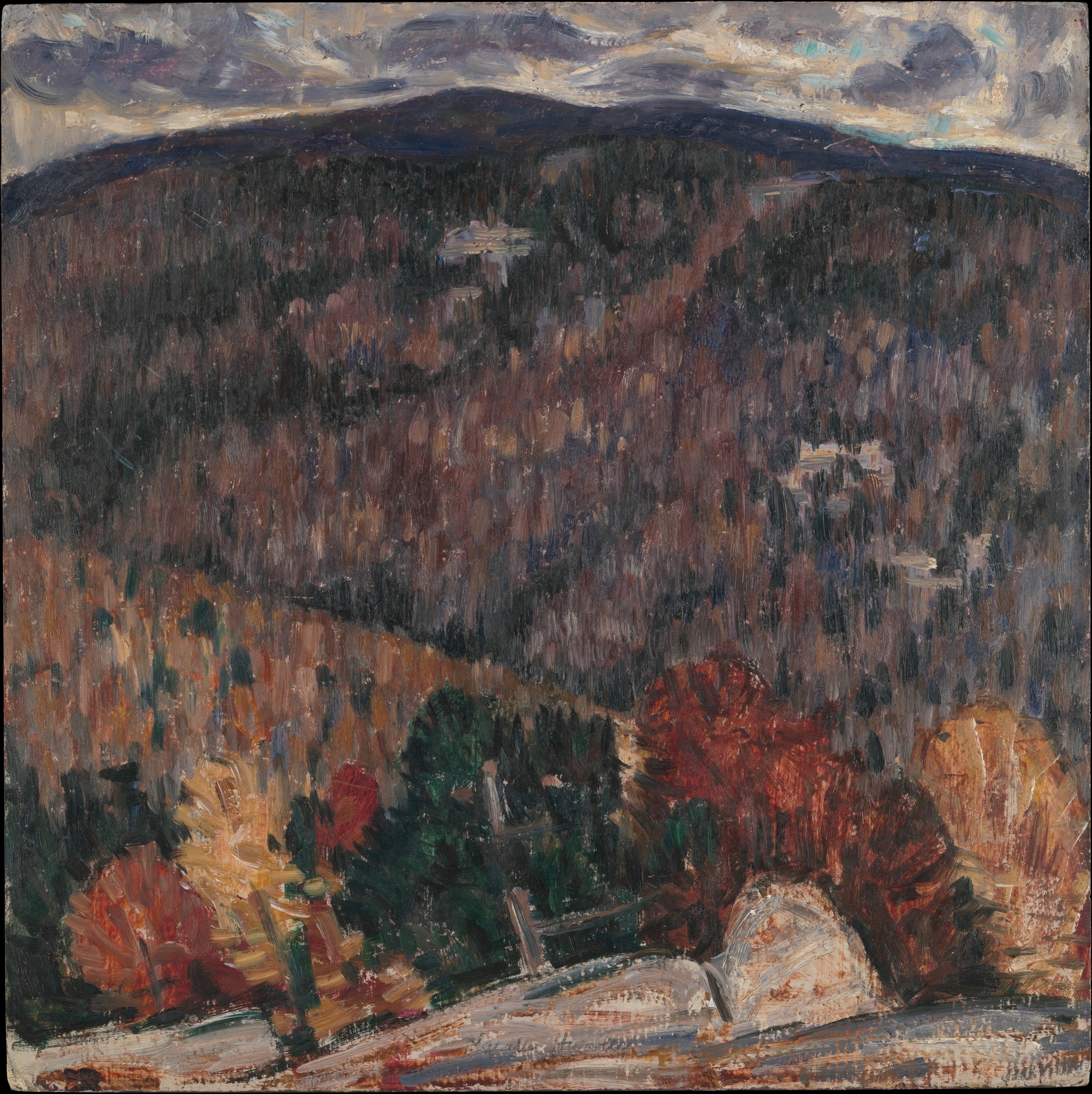
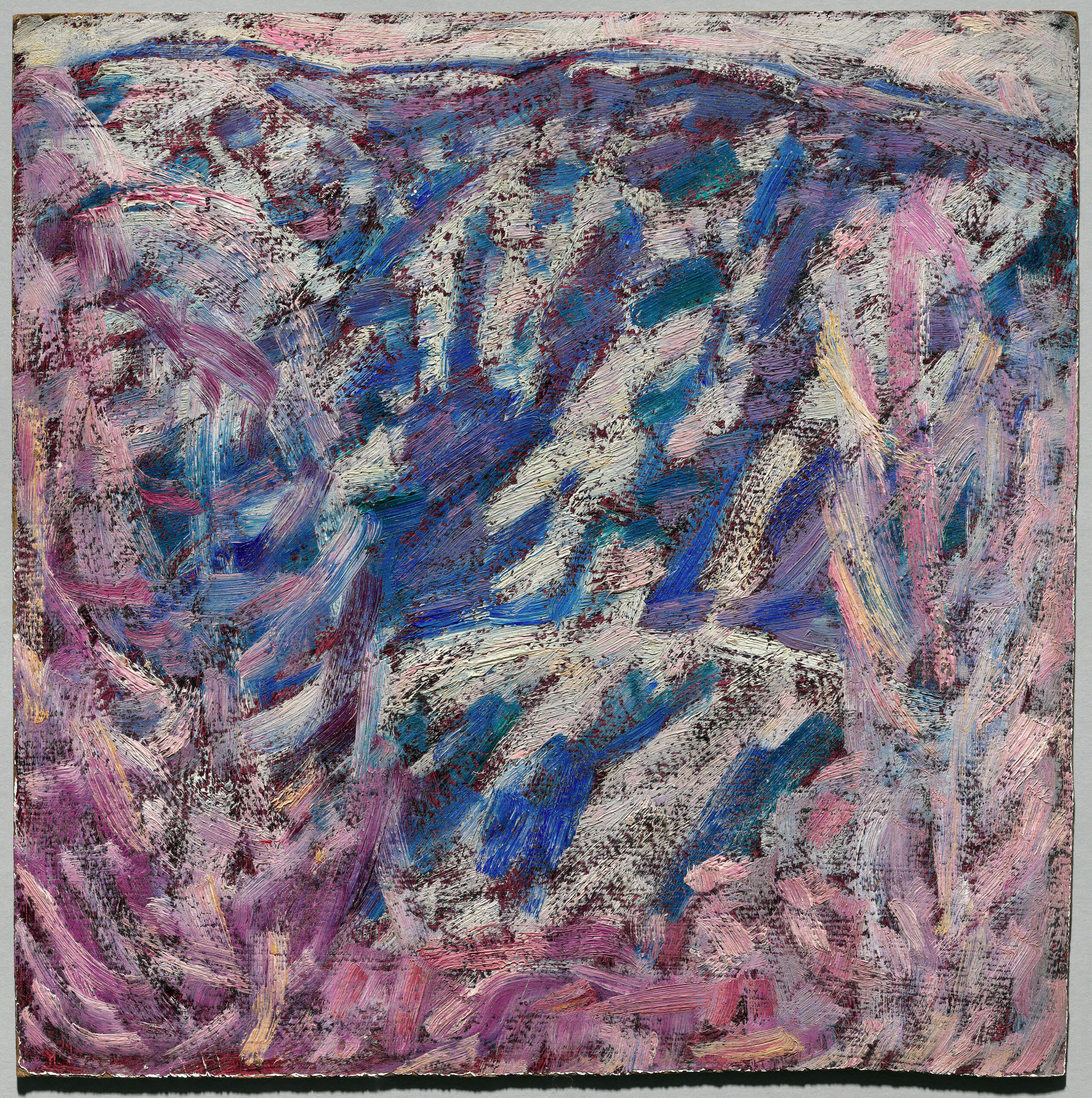
“Between color and silence, truth hides.” In Landscape no. 26, an unsettling tension emerges, suggesting that beneath the vibrant hues lies a narrative of betrayal waiting to be unearthed. Look to the left where vivid strokes of greens and blues collide, establishing a rolling landscape that feels both familiar and foreign. The artist’s brushwork is vigorous, revealing thick applications of paint—a technique that lends a palpable texture and energy to the scene.
Notice how the colors transition from bold ceruleans of the sky to the earthy tones of the earth below, creating a harmonious yet dissonant atmosphere that captures the viewer's attention and evokes a sense of disquiet. Delve deeper into the painting and observe the contrasting elements: the wild, free-flowing lines juxtaposed against the underlying grid-like structures that hint at order amidst chaos. This tension speaks to the complexities of emotion, where beauty wrestles with a feeling of abandonment. Each color choice is deliberate, a cipher for the unspoken stories that resonate with the notion of betrayal, whether it be of nature, oneself, or relationships.
In 1909–10, while creating this piece, the artist was navigating a pivotal transition in his artistic journey in the United States, heavily influenced by European modernism. He found himself torn between established traditions and an emerging avant-garde sensibility, reflecting the broader shifts in the art world. This exploration of emotional depth and vivid expressionism marked his commitment to pushing boundaries, ultimately leading to a redefined understanding of landscape art.