Movement No. 10 — History & Analysis
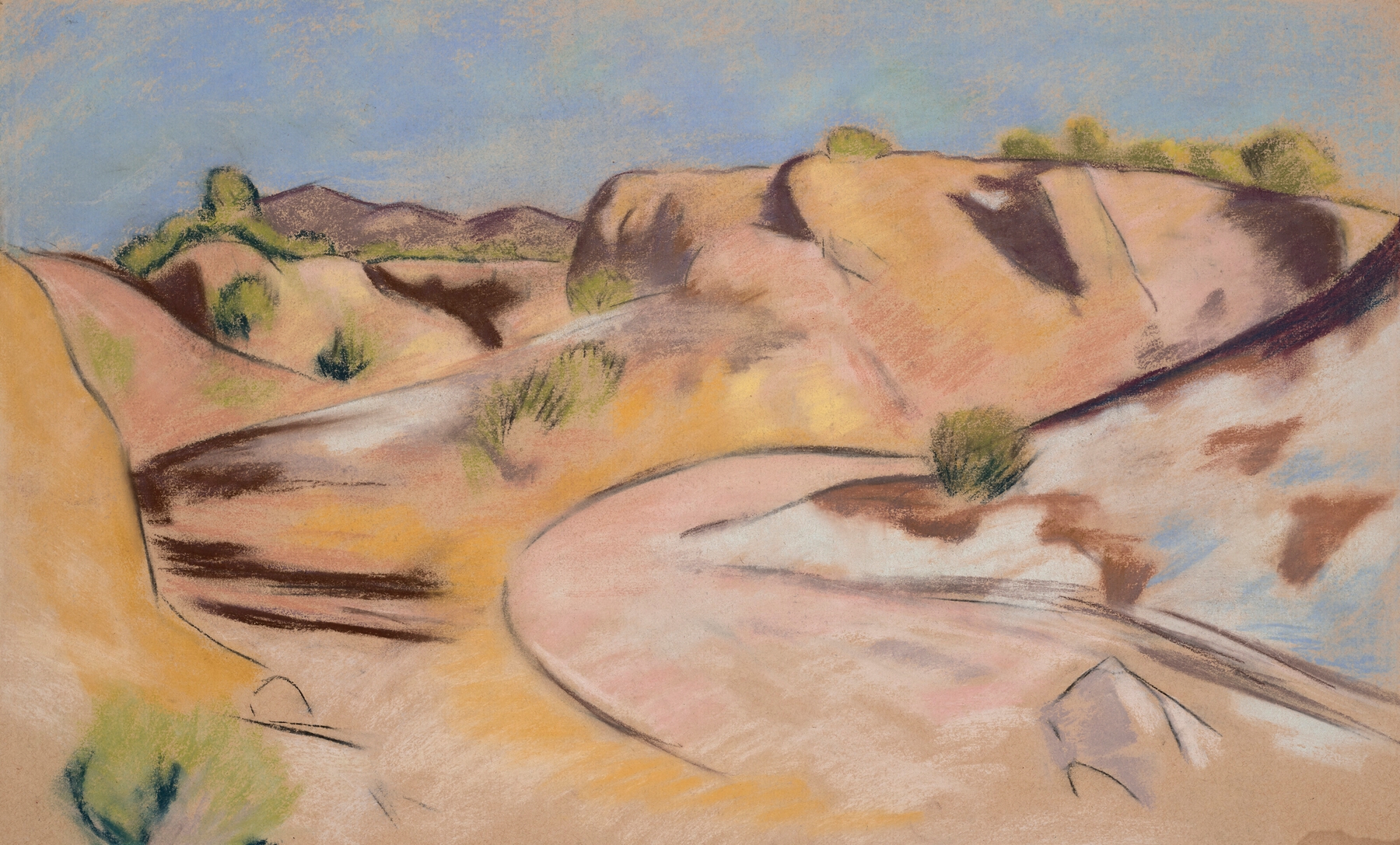
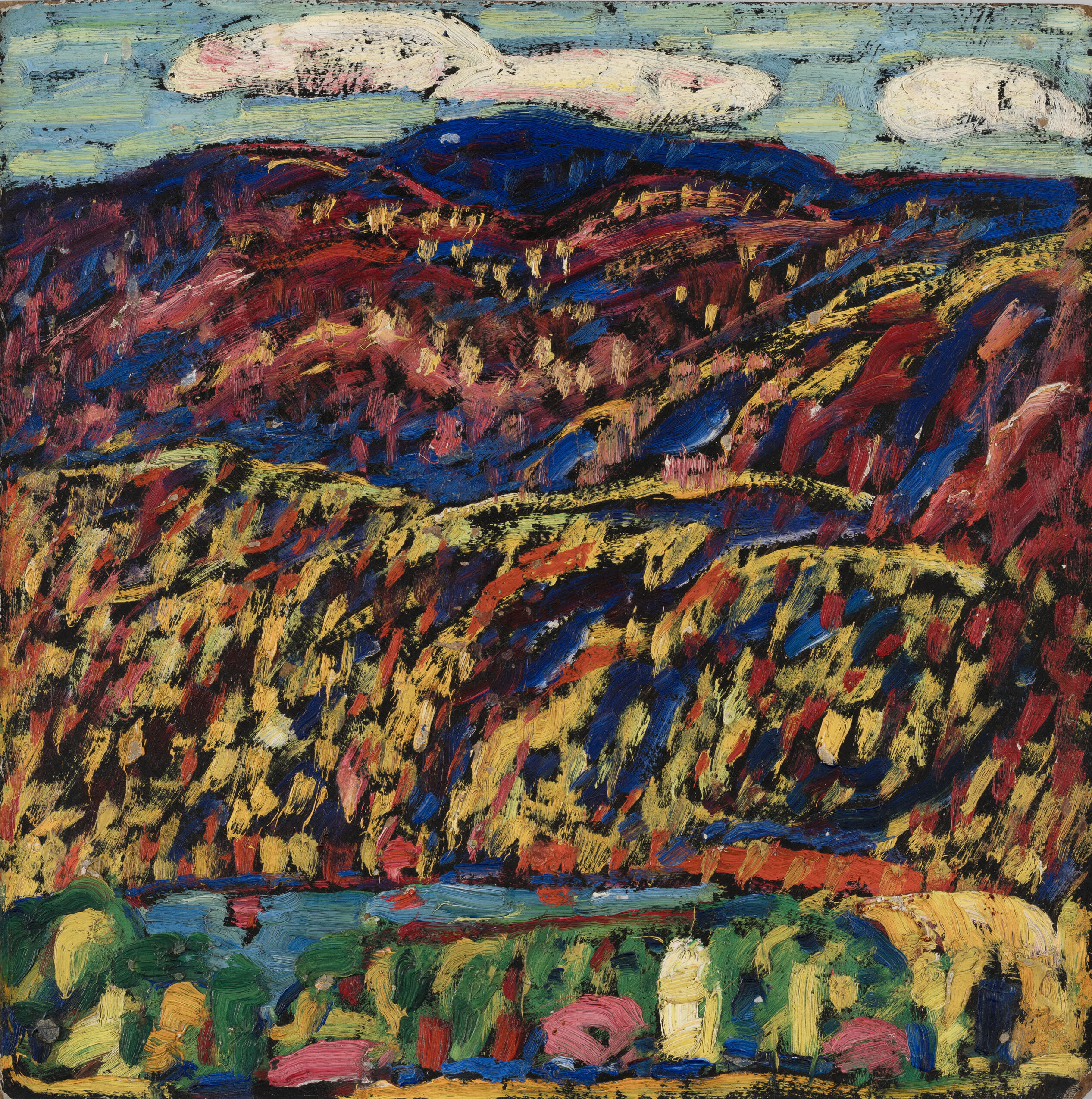
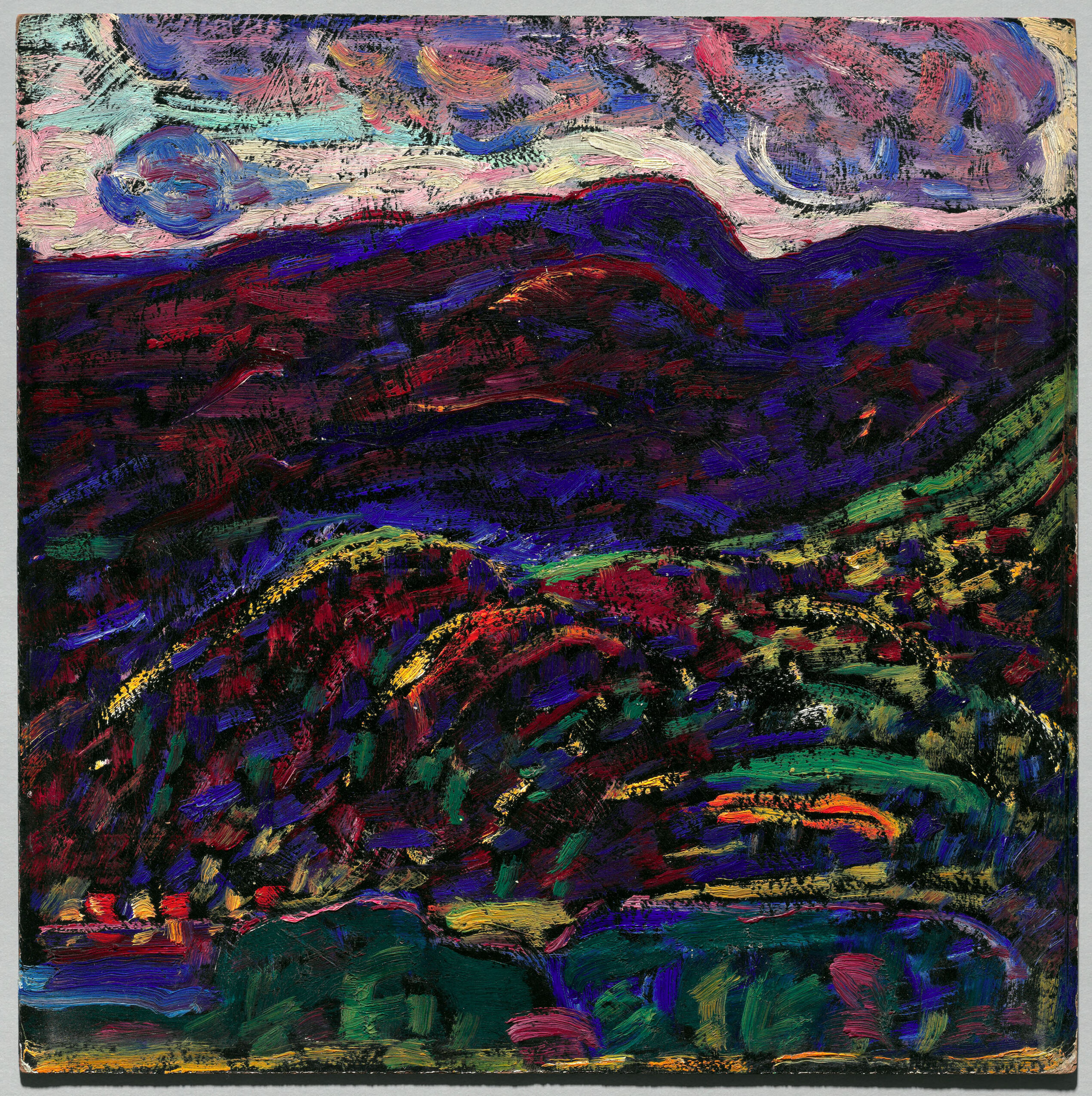
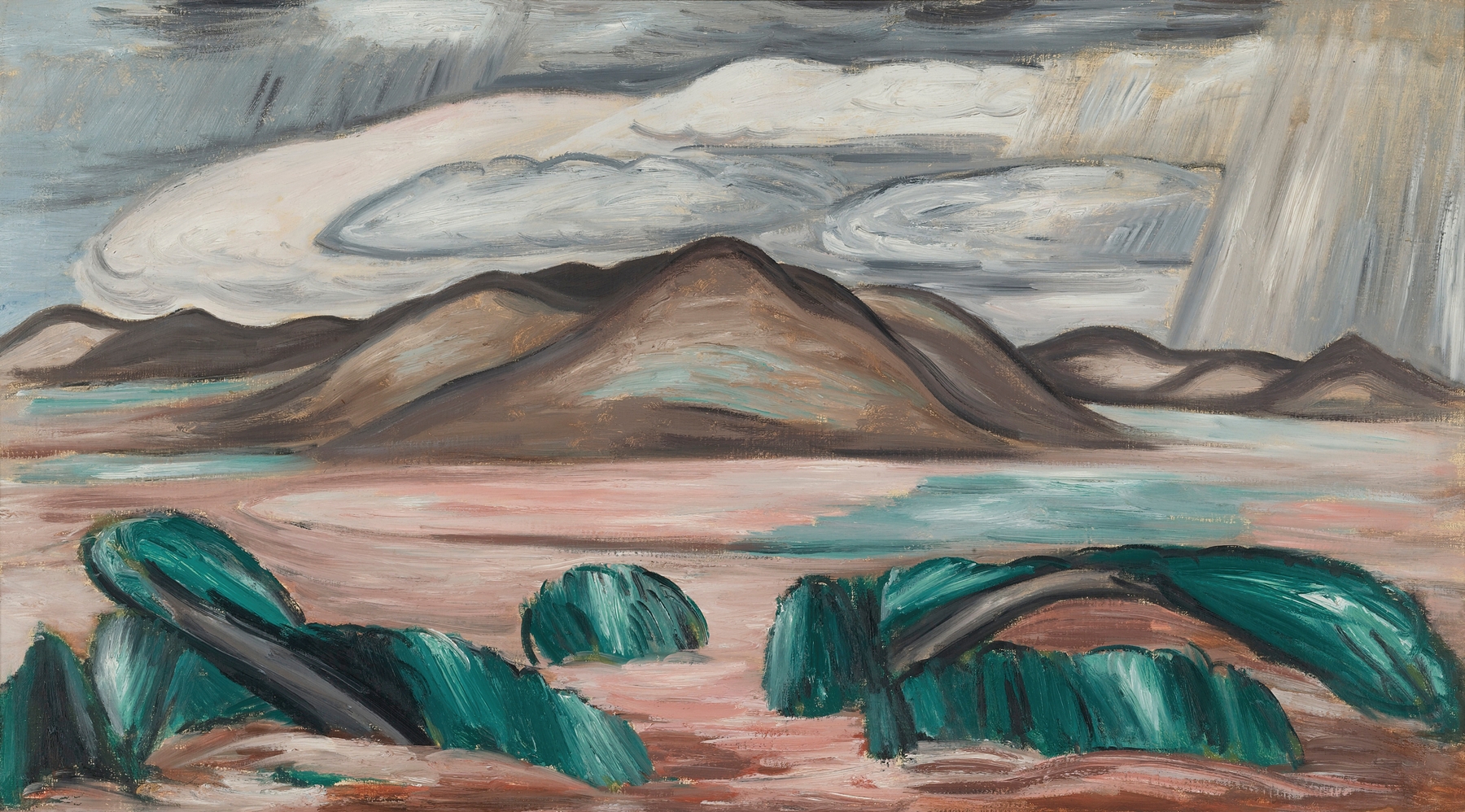
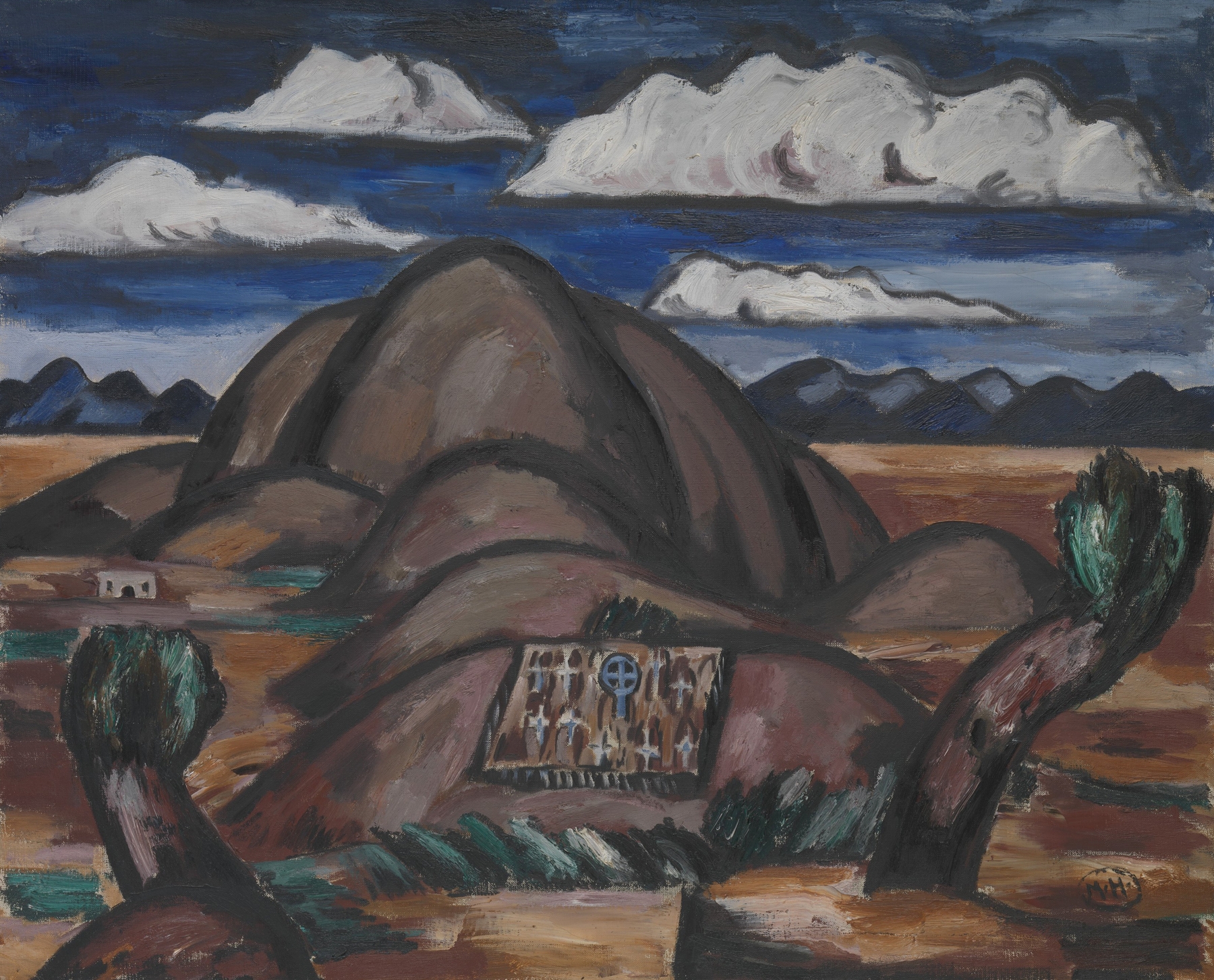
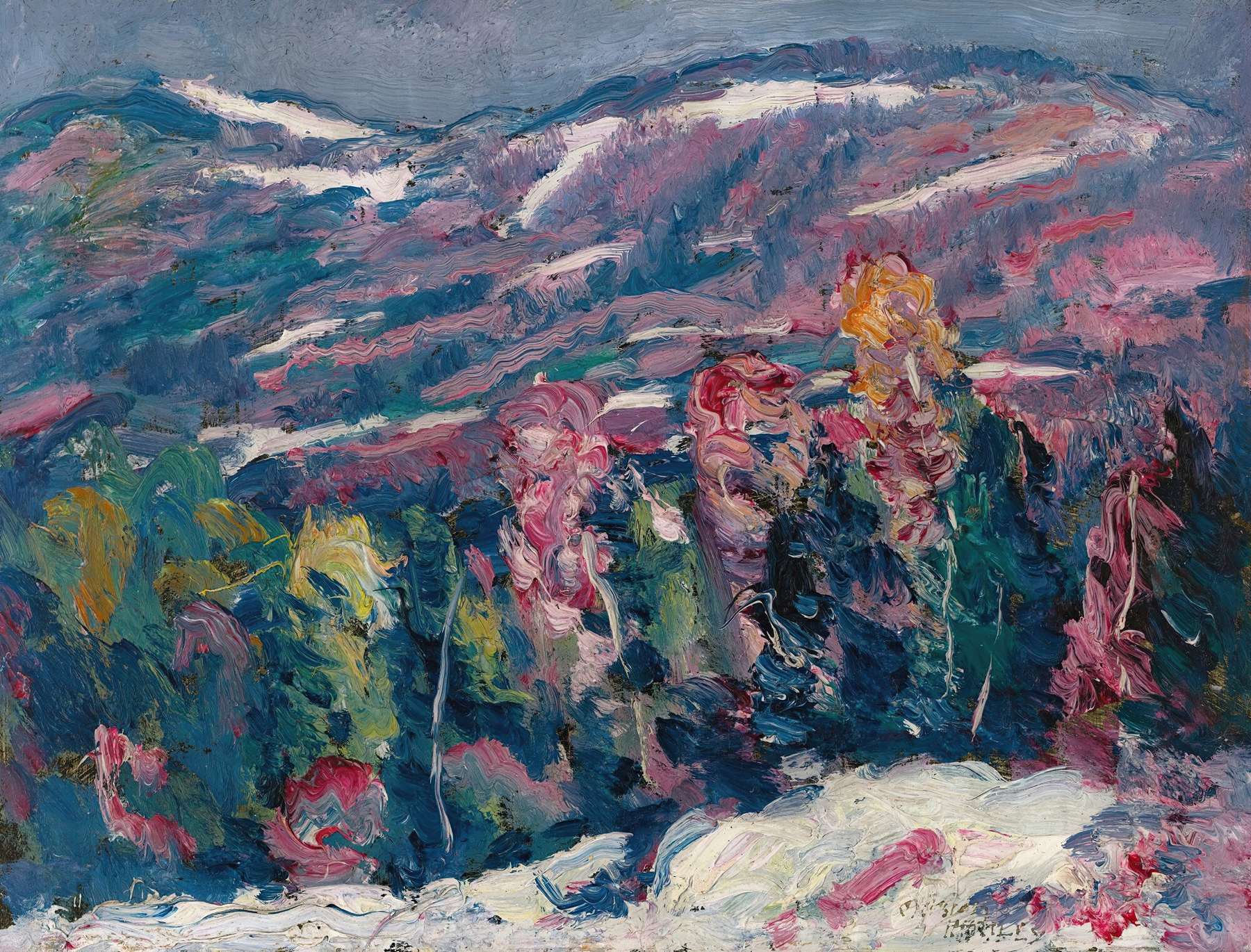
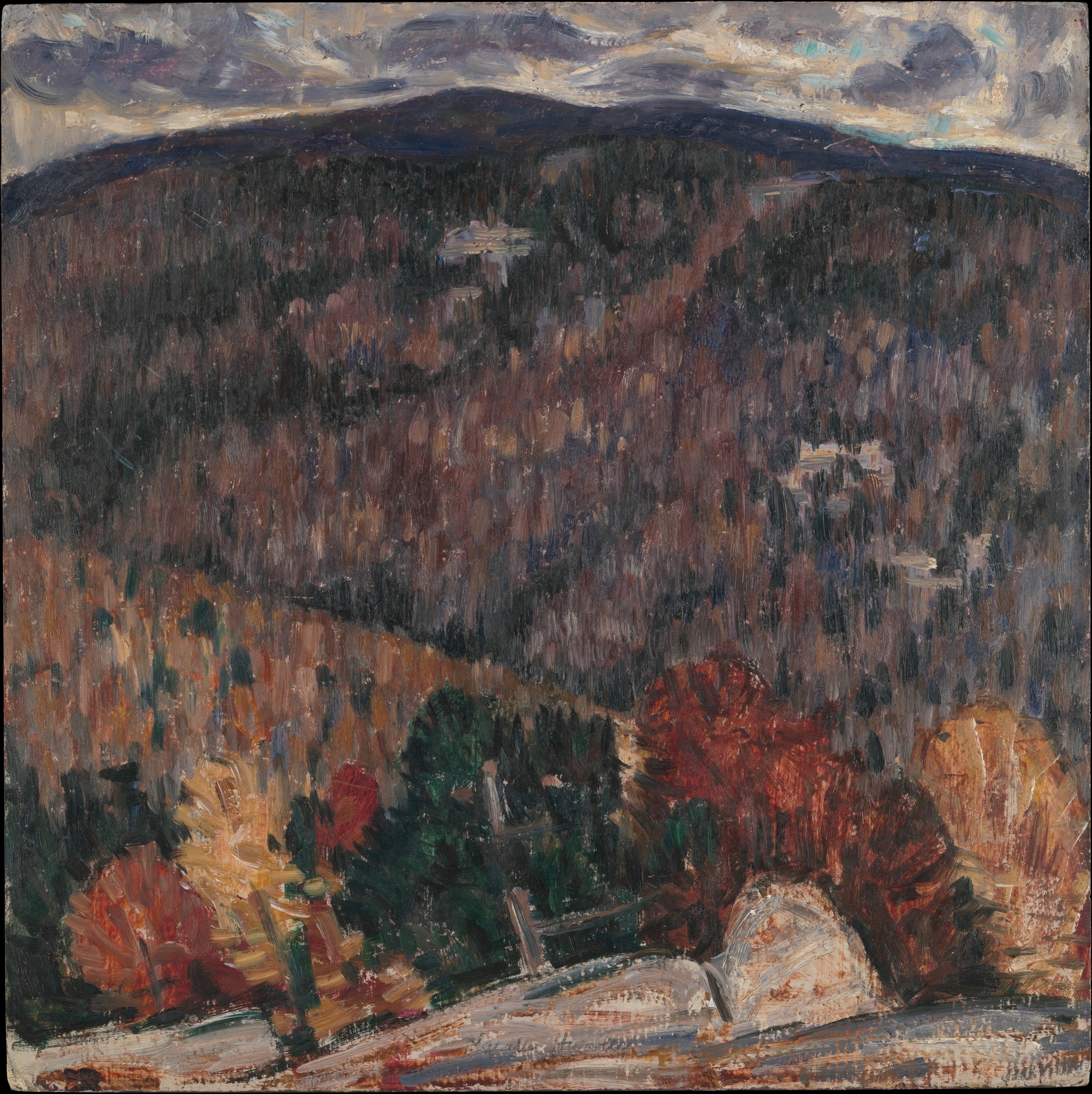
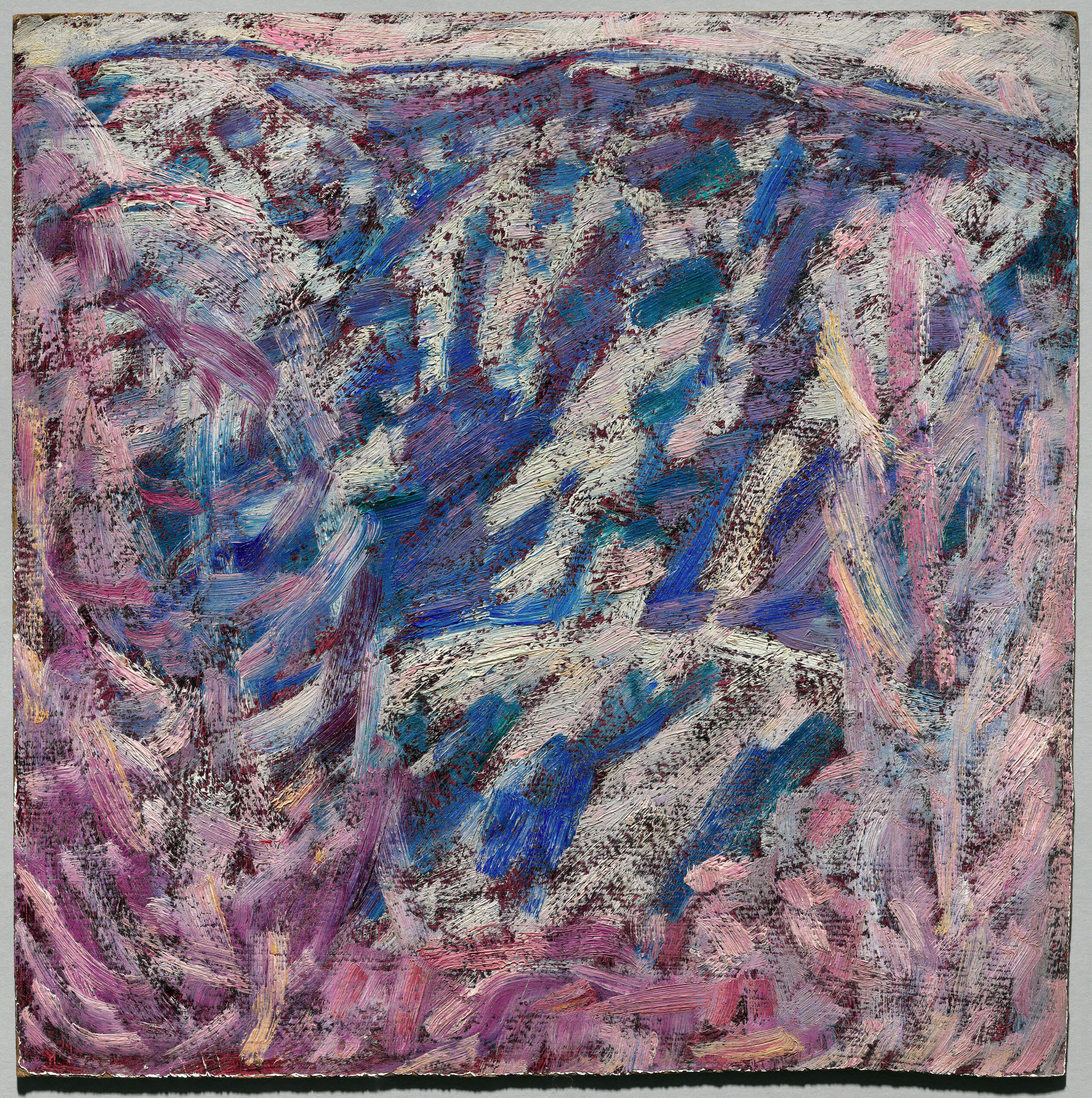
“Sometimes beauty is just pain, disguised in gold.” This notion echoes through the vibrant chaos of color, offering a glimpse into the delicate dance between creation and turmoil. Look to the center of the canvas, where bold strokes of blue and earthy browns converge, creating a tumultuous yet harmonious composition. The layers of paint swirl and collide, drawing the eye to a focal point that pulsates with energy. Notice how the contrasting hues play against each other, embodying both struggle and tranquility, while the gold accents shimmer like fleeting moments of clarity amidst the chaos.
Hidden within this vivid expression lies a profound exploration of balance—between the tumult of existence and the moments of peace that punctuate it. The tension between sharp angles and soft curves reflects a deeper emotional landscape, suggesting a journey through vulnerability. Each brushstroke carries weight, embodying the artist's inner conflict and reconciliation, inviting viewers to contemplate their own experiences of beauty and pain.
Created in 1917, this work emerged during a time of personal and global upheaval for its creator. Hartley, then living in New York, grappled with his identity and the impact of World War I on the world around him. The art scene was shifting, influenced by modernism and abstraction, yet he remained committed to infusing his pieces with emotional depth and symbolism, striving to capture the essence of life’s contradictions.