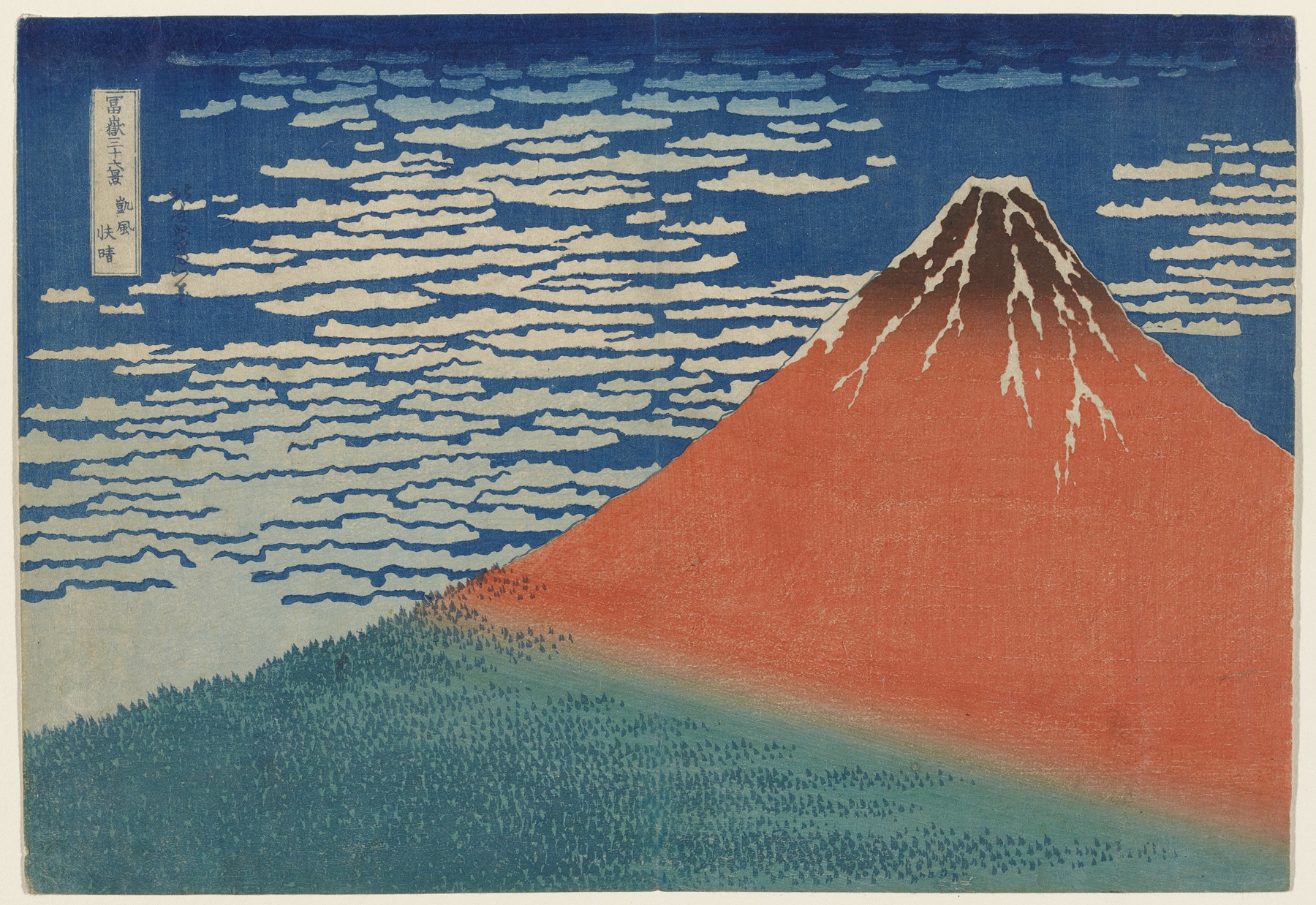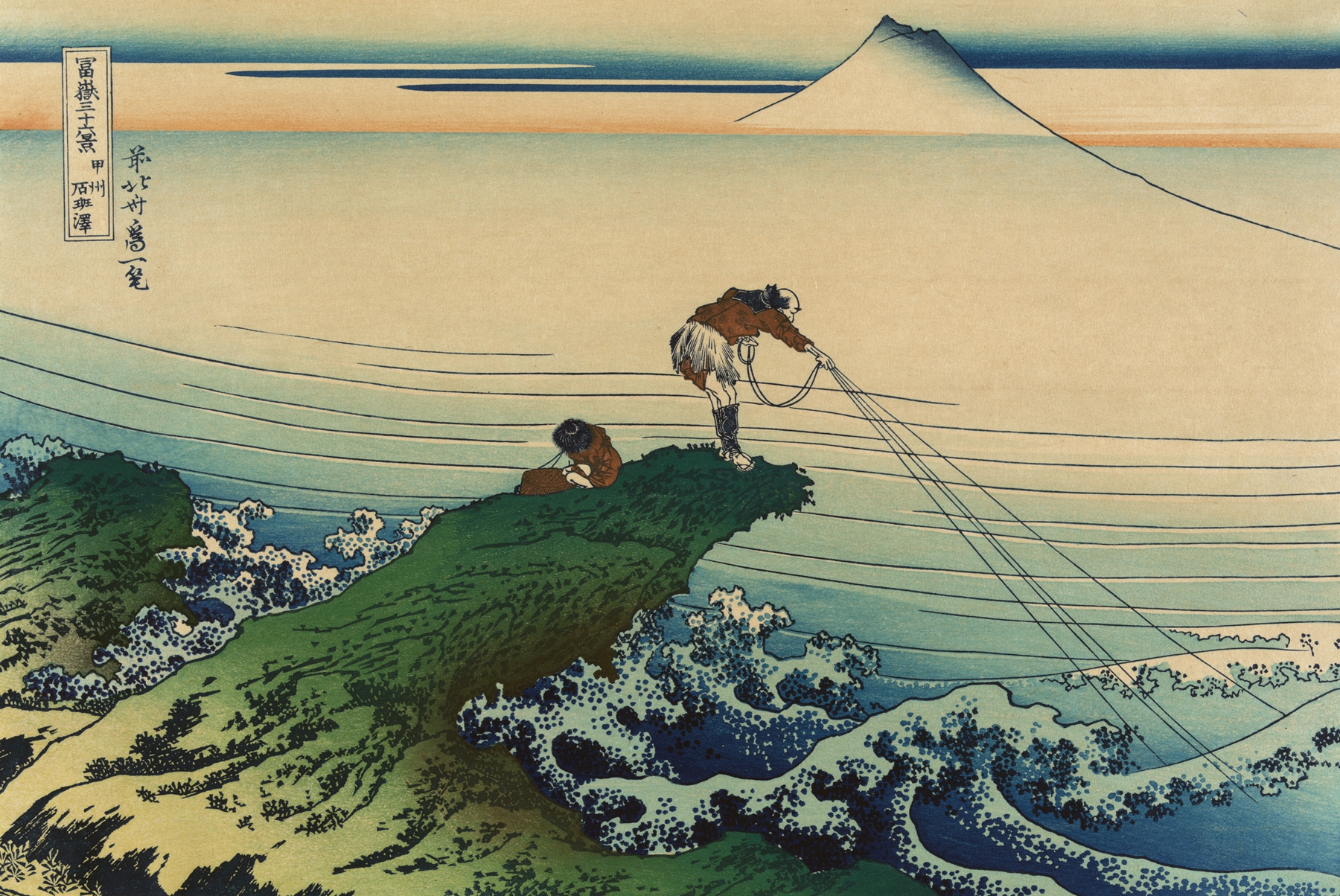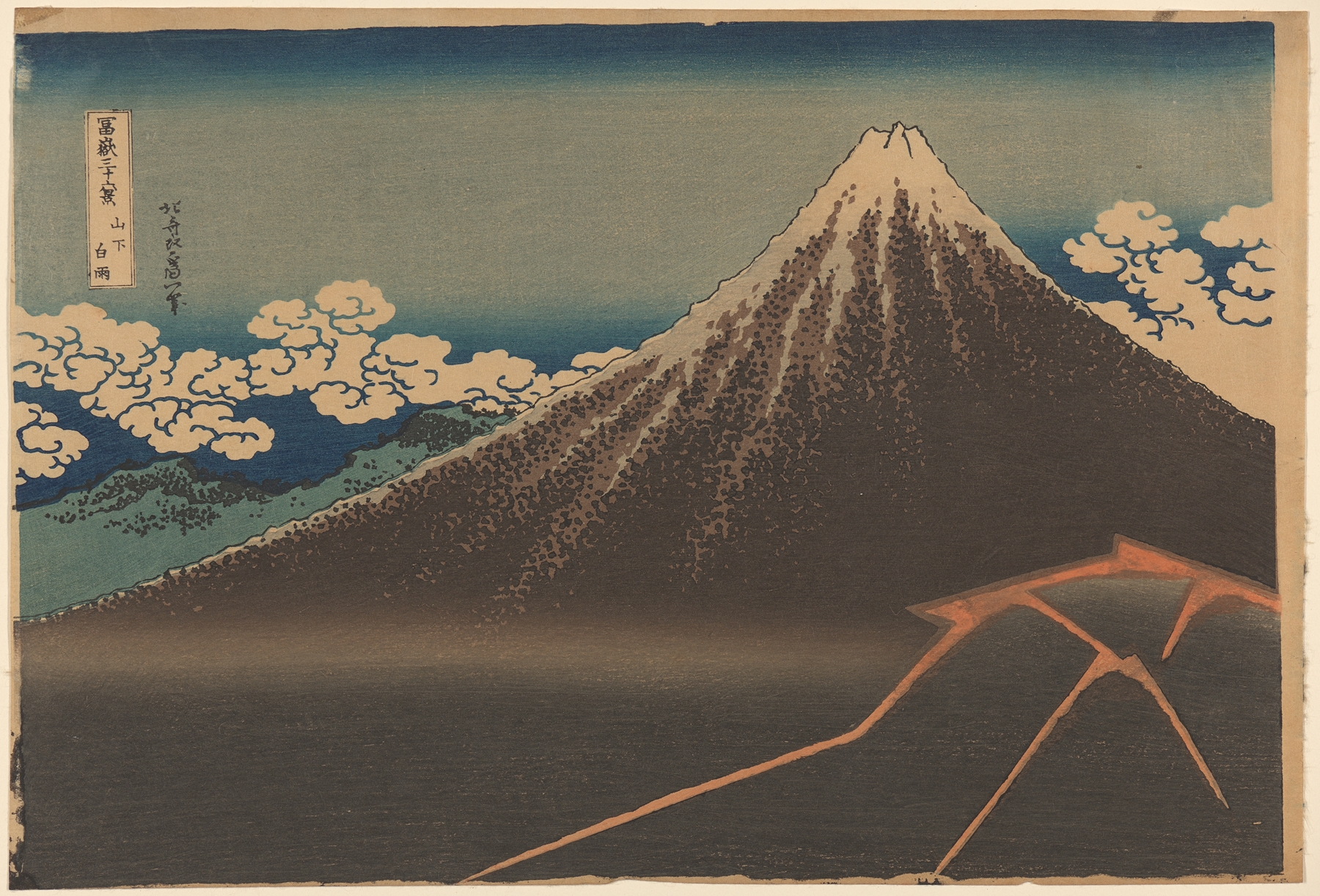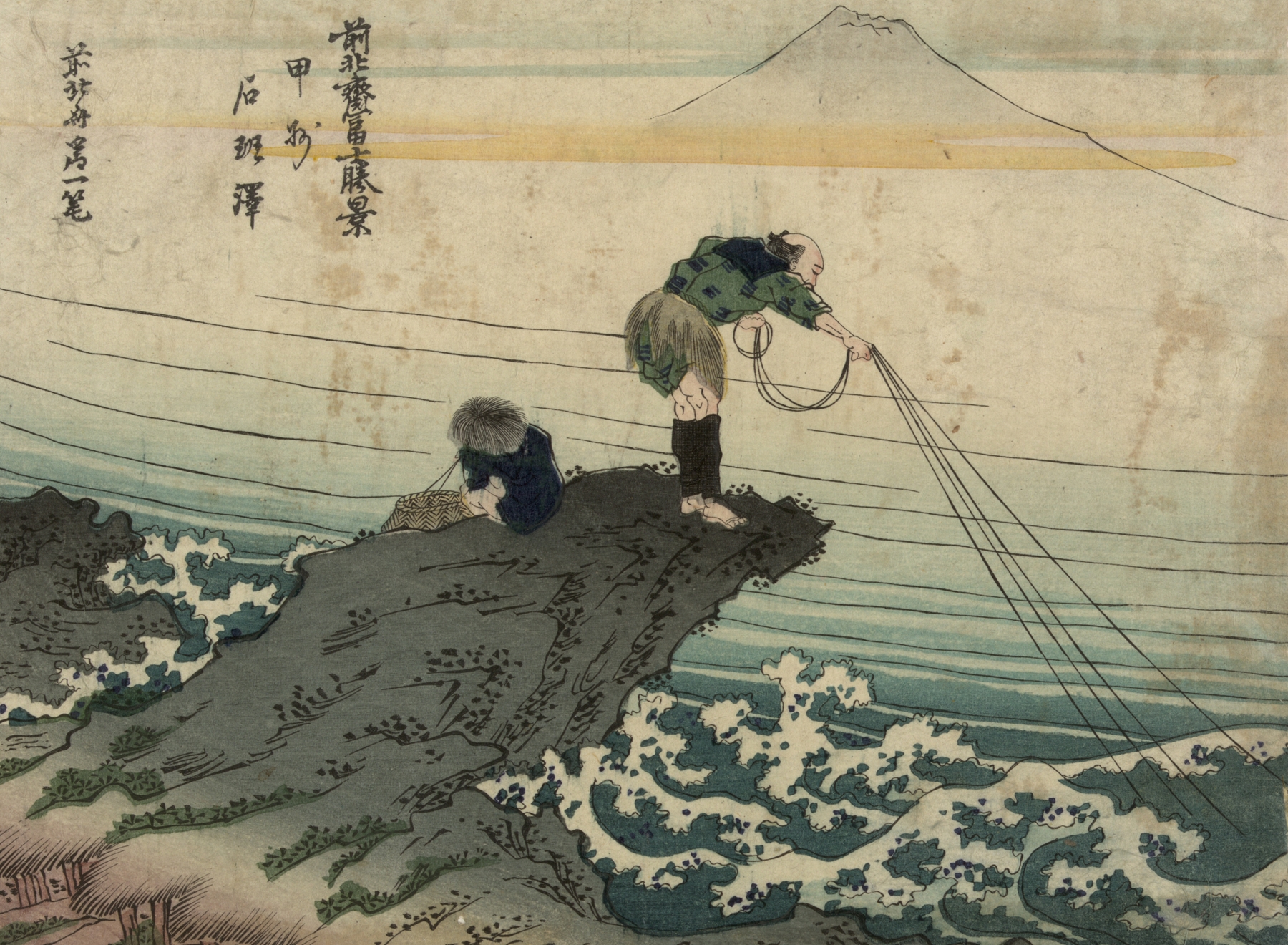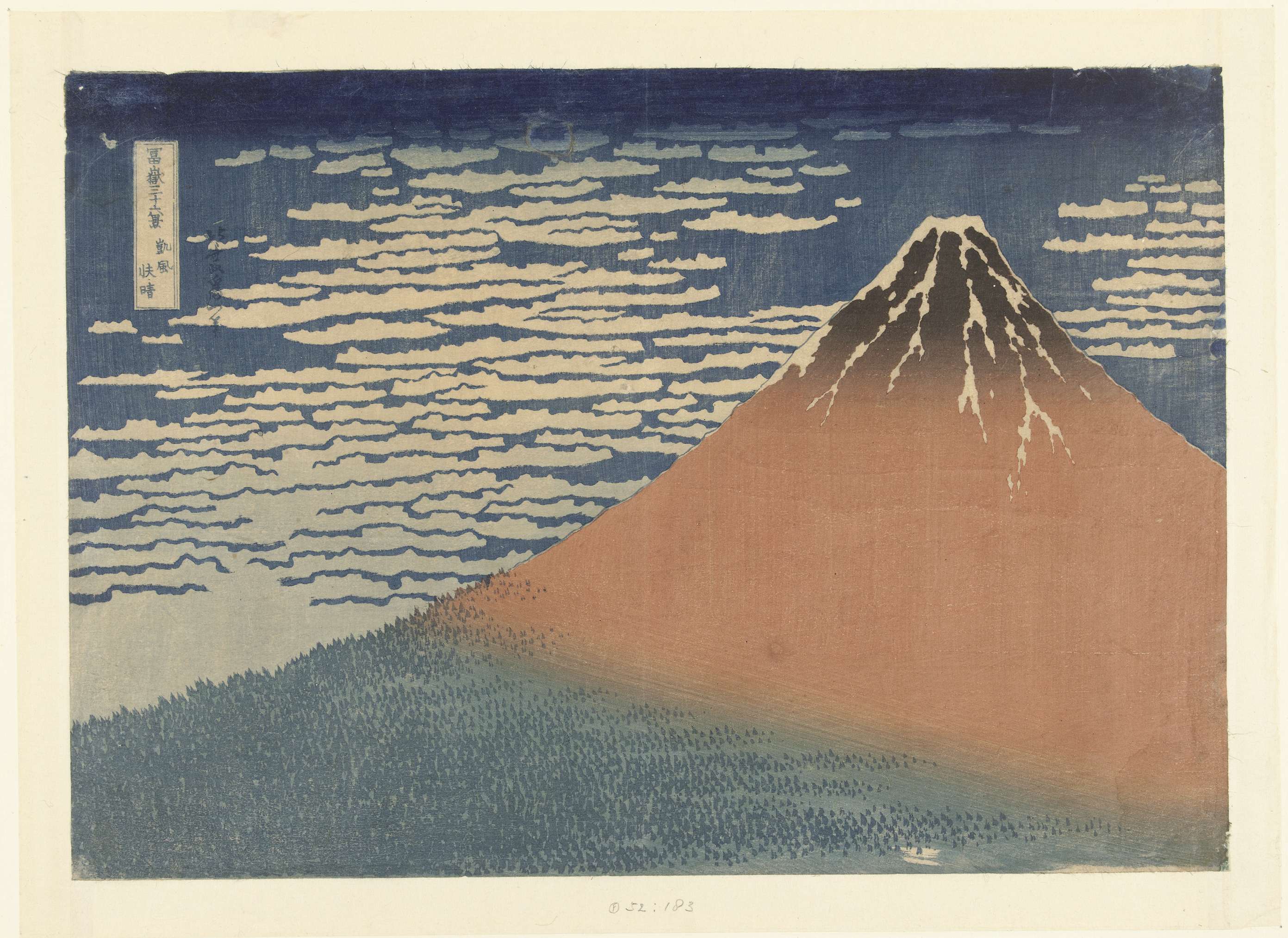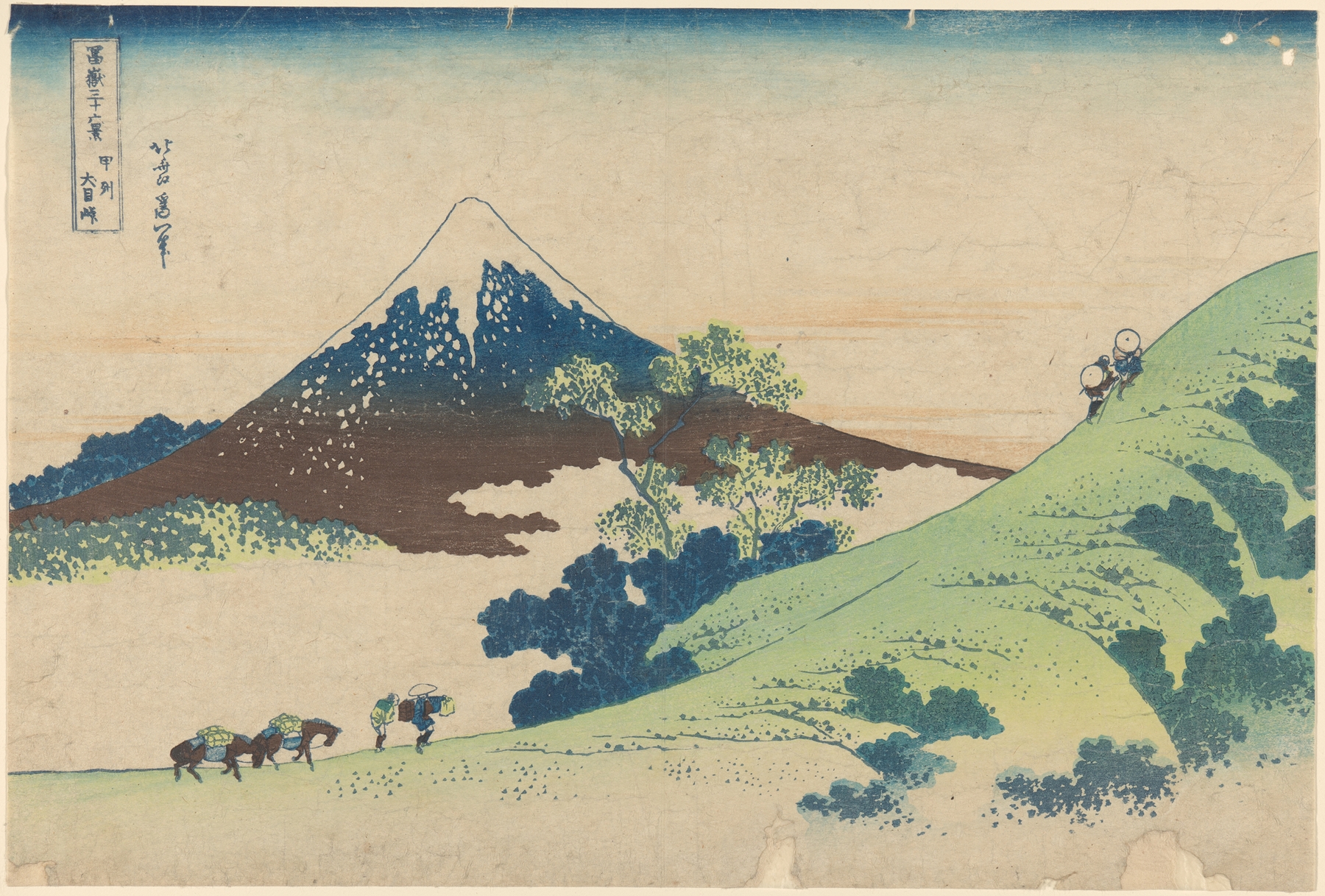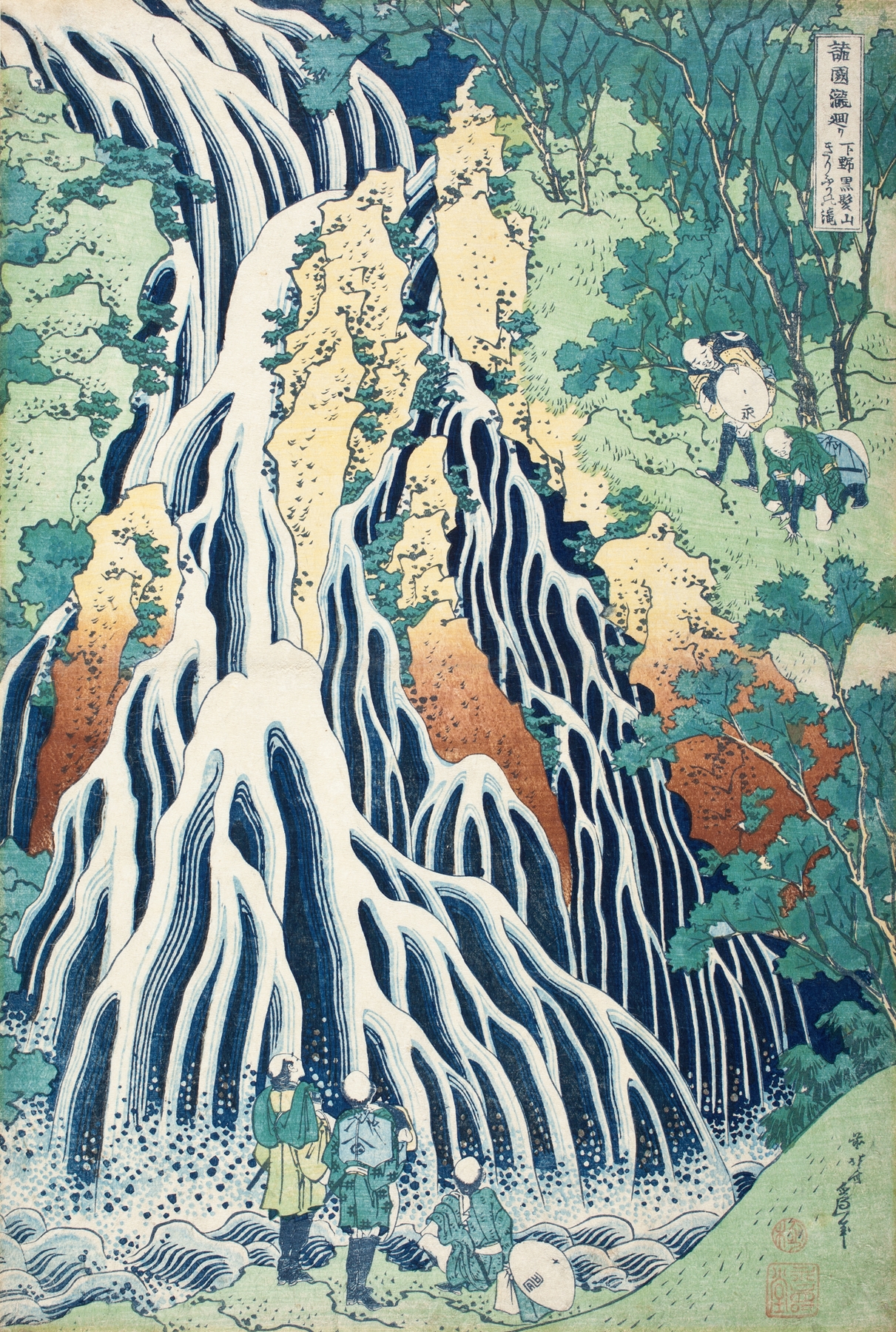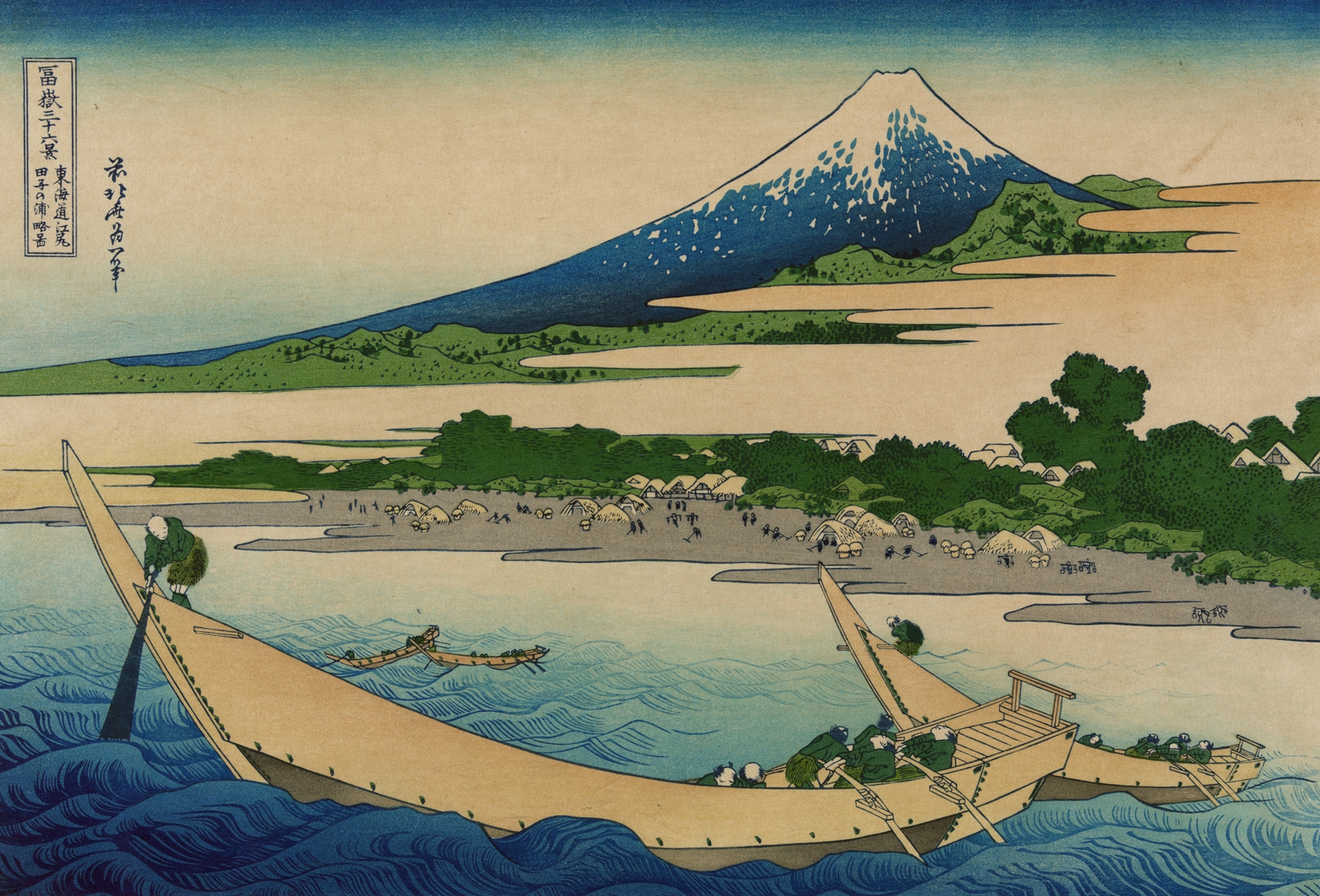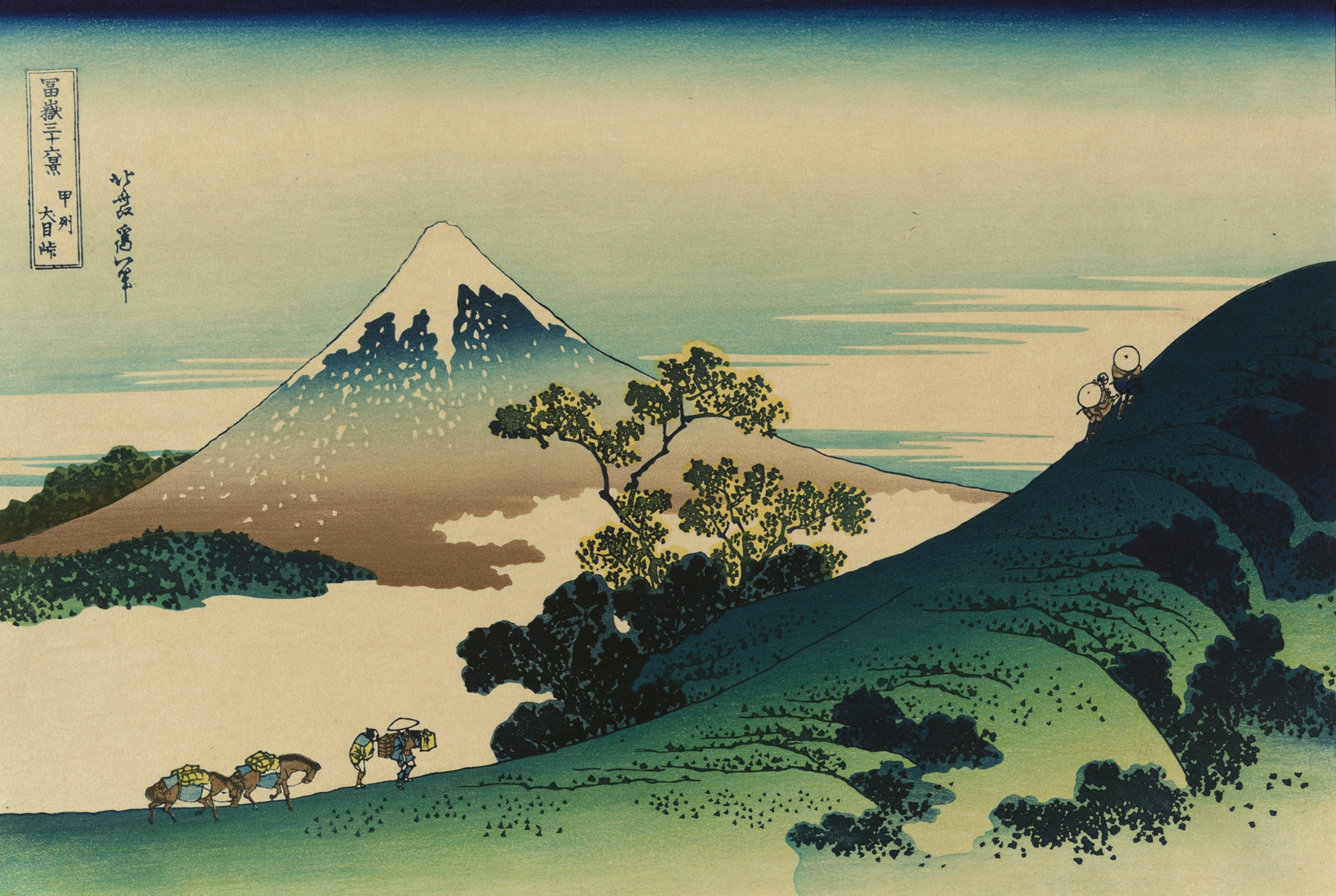
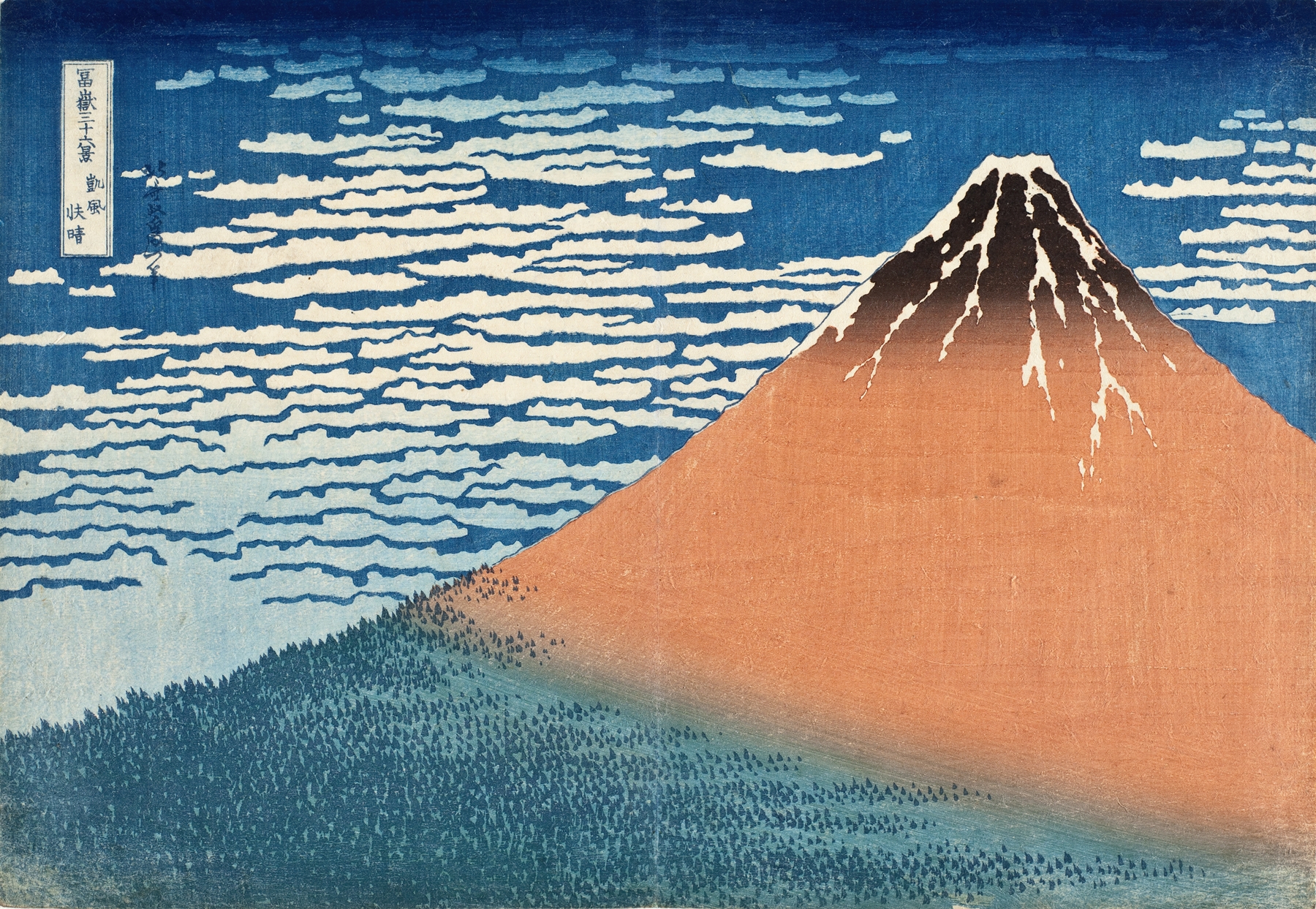
Can beauty exist without sorrow? In a world where dreams and realities intertwine, the essence of longing seeps through every brushstroke. Look to the serene landscape, where delicate mountains rise against a gradient sky, a whisper of lavender melting into deepening indigo. Hokusai’s meticulous lines create a sense of rhythm, guiding the eye along the undulating hills and the soft contours of a hidden path. The subtle interplay of color reveals not only the charm of nature but also hints at the transient nature of life itself, as if each shade holds a memory of joy intertwined with melancholy. Within this composition, the viewer senses a profound stillness marked by the contrasts between light and shadow. The path meanders like a ribbon of possibility, yet its obscured ending evokes questions and unfulfilled desires. Each element, from the faint outline of distant mountains to the wispy clouds floating above, carries layers of meaning; they speak to the aspirations and the inevitable heartaches that accompany the journey of existence. Katsushika Hokusai created this enchanting piece during a vibrant period in Edo, Japan, likely in the late 18th or early 19th century. This was a time when ukiyo-e, the art of woodblock prints, flourished, and Hokusai was at the forefront of this movement, embracing new techniques and themes. As he captured the beauty of the natural world, he simultaneously reflected the complexities of human experience, weaving dreams into the fabric of his artistic legacy.