La Conquista del Chaco — History & Analysis
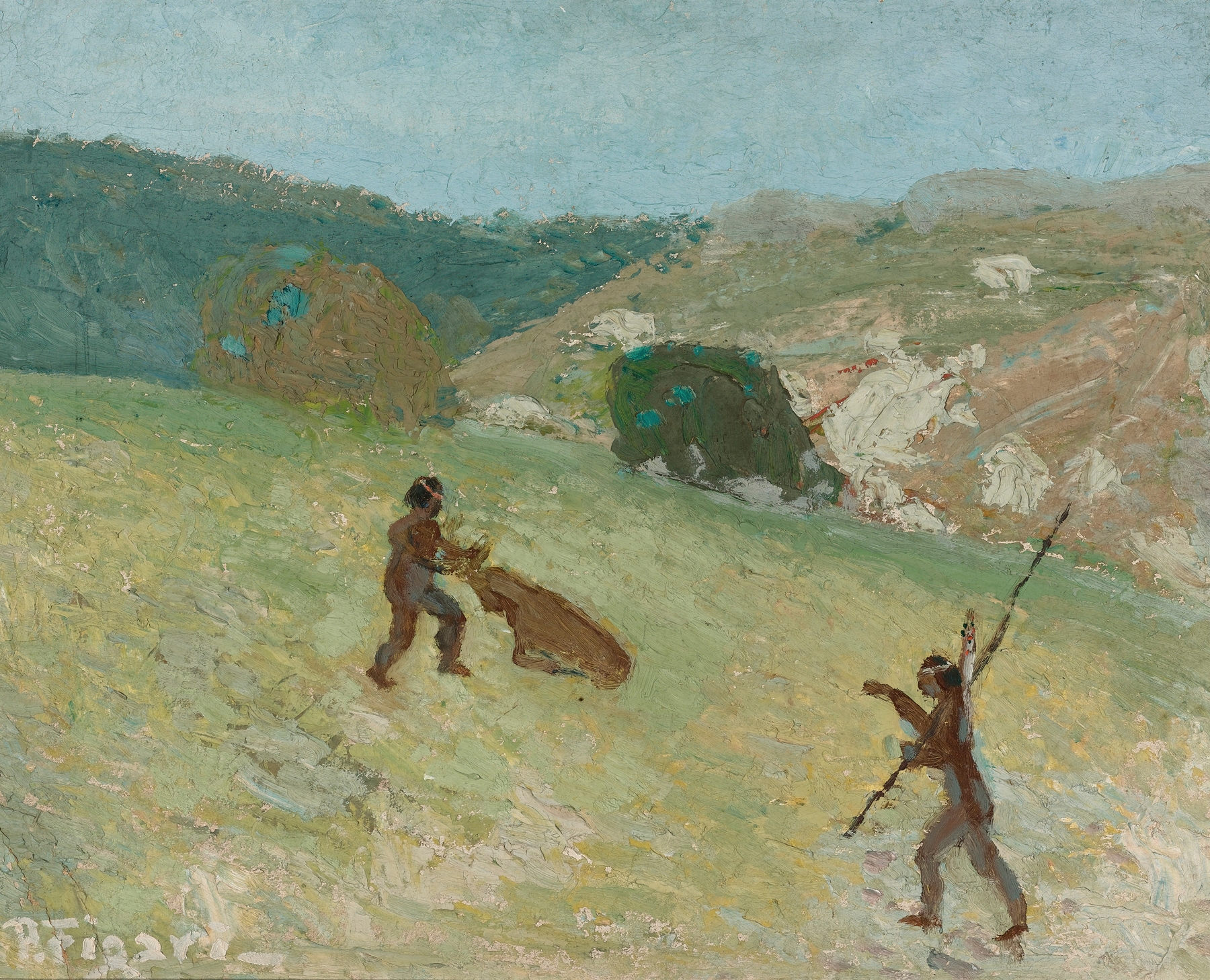
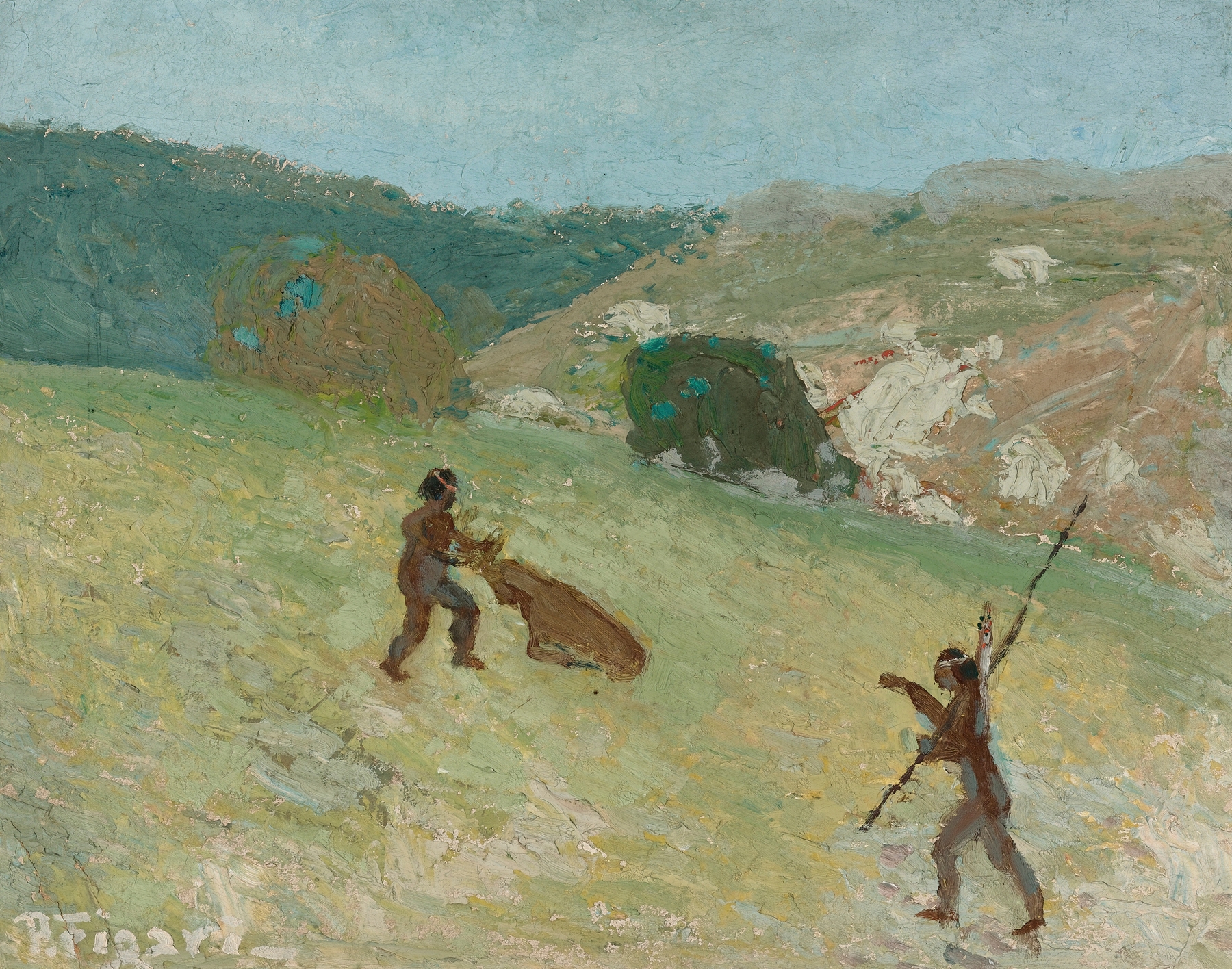
Did the painter know this moment would outlive them? In La Conquista del Chaco, the essence of emptiness is captured with haunting clarity, inviting viewers to ponder the weight of silence and absence. Look to the center of the painting, where the arid earth stretches endlessly, devoid of life yet brimming with potential. The muted browns and ochres of the landscape create a sense of desolation, emphasized by a softly diffused light that seems to radiate from an unseen sun. The figures—smaller and more subdued in tone—are interspersed throughout, their movements stilled by the vastness of their surroundings.
It’s a composition that draws the eye inward, urging you to contemplate not only the scene before you but the narratives buried within its layers. Notice the contrast between the vivid gestures of the figures and the stark emptiness surrounding them. Each stance and posture tells a story of struggle and resilience, yet they are dwarfed by the looming void. This juxtaposition highlights a profound tension: the yearning for connection against the backdrop of isolation.
The painting invites reflection on historical conquest, not just of land but of spirit—an exploration of what remains when the vibrant life of a culture is stripped away. In 1922, Figari created this work during a time when he was deeply engaged with his Uruguayan heritage and the broader Latin American discourse on identity and history. His focus on themes of marginalization and the richness of indigenous culture was particularly poignant against the backdrop of modernist movements that often overlooked these narratives. It was a period of personal introspection for the artist, blending his experiences with a vision that sought to elevate voices often lost in the echoes of conquest.