Pampa — History & Analysis
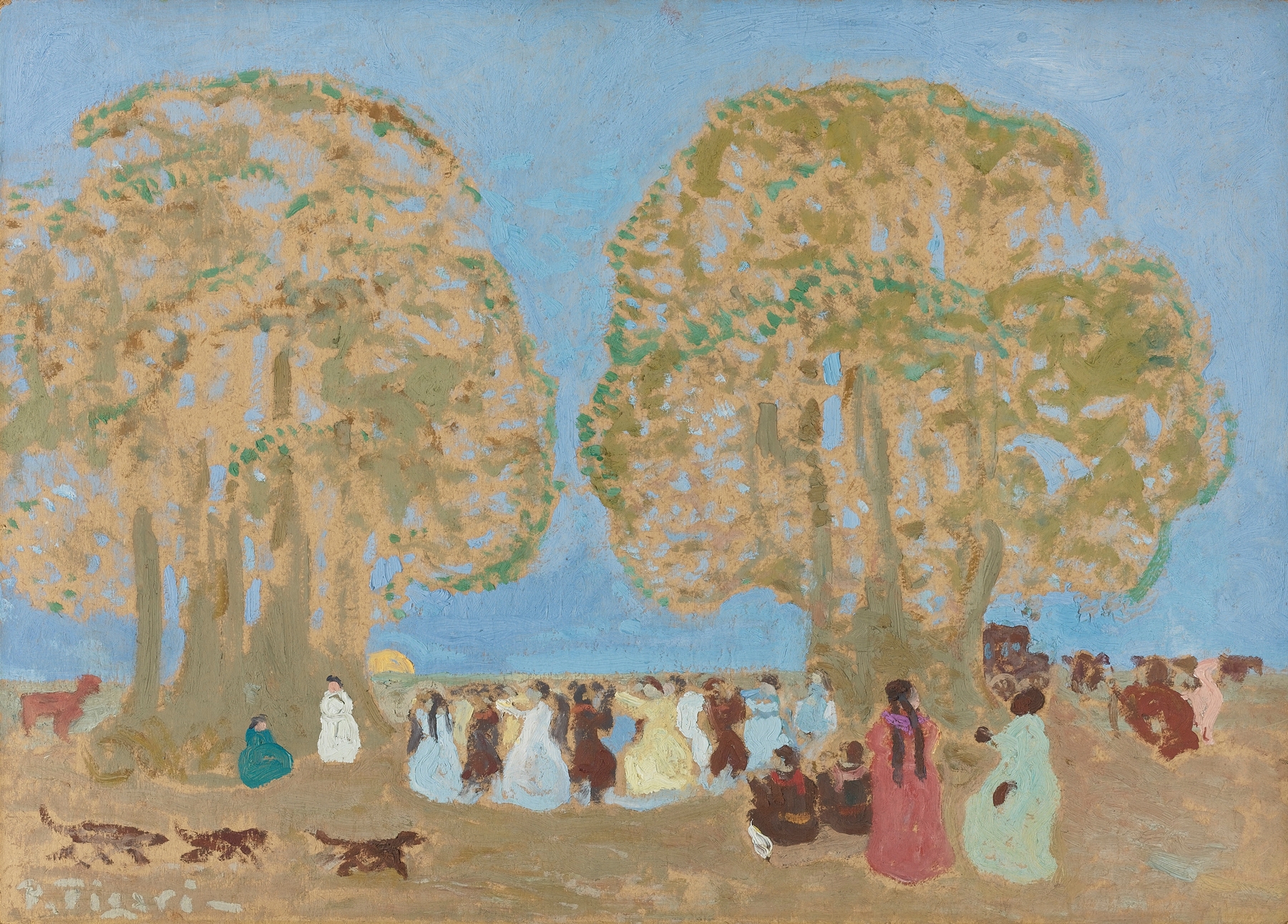
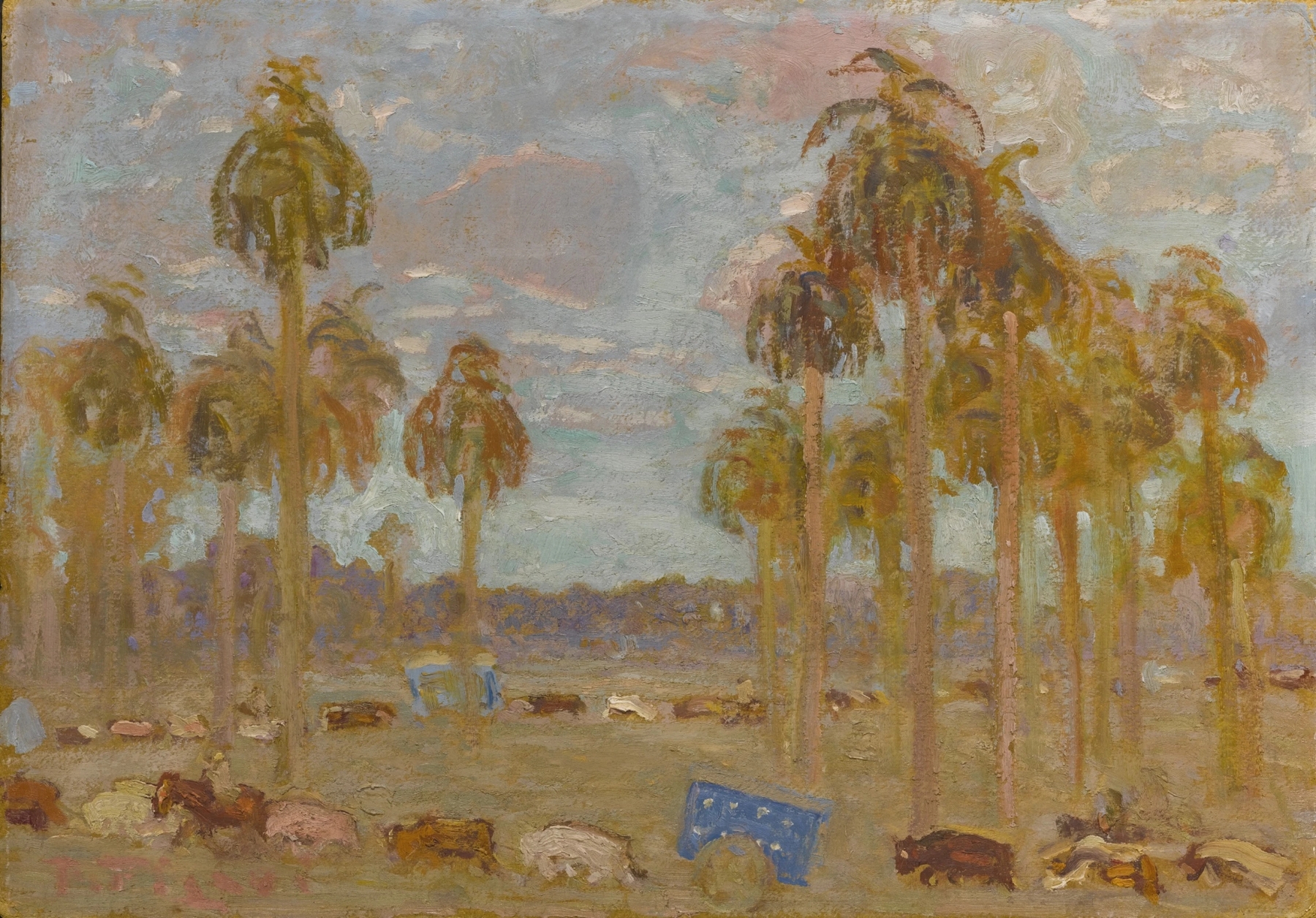
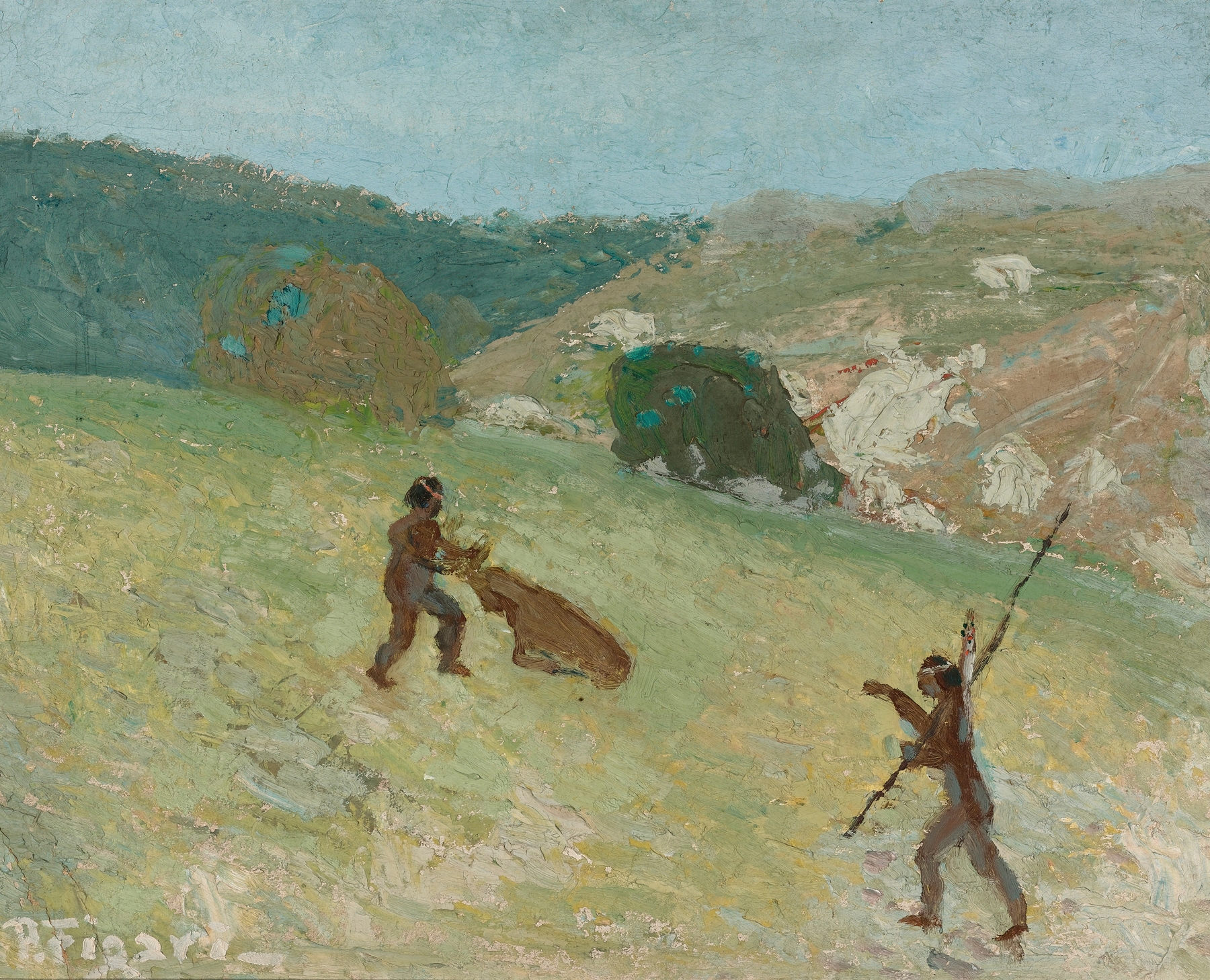
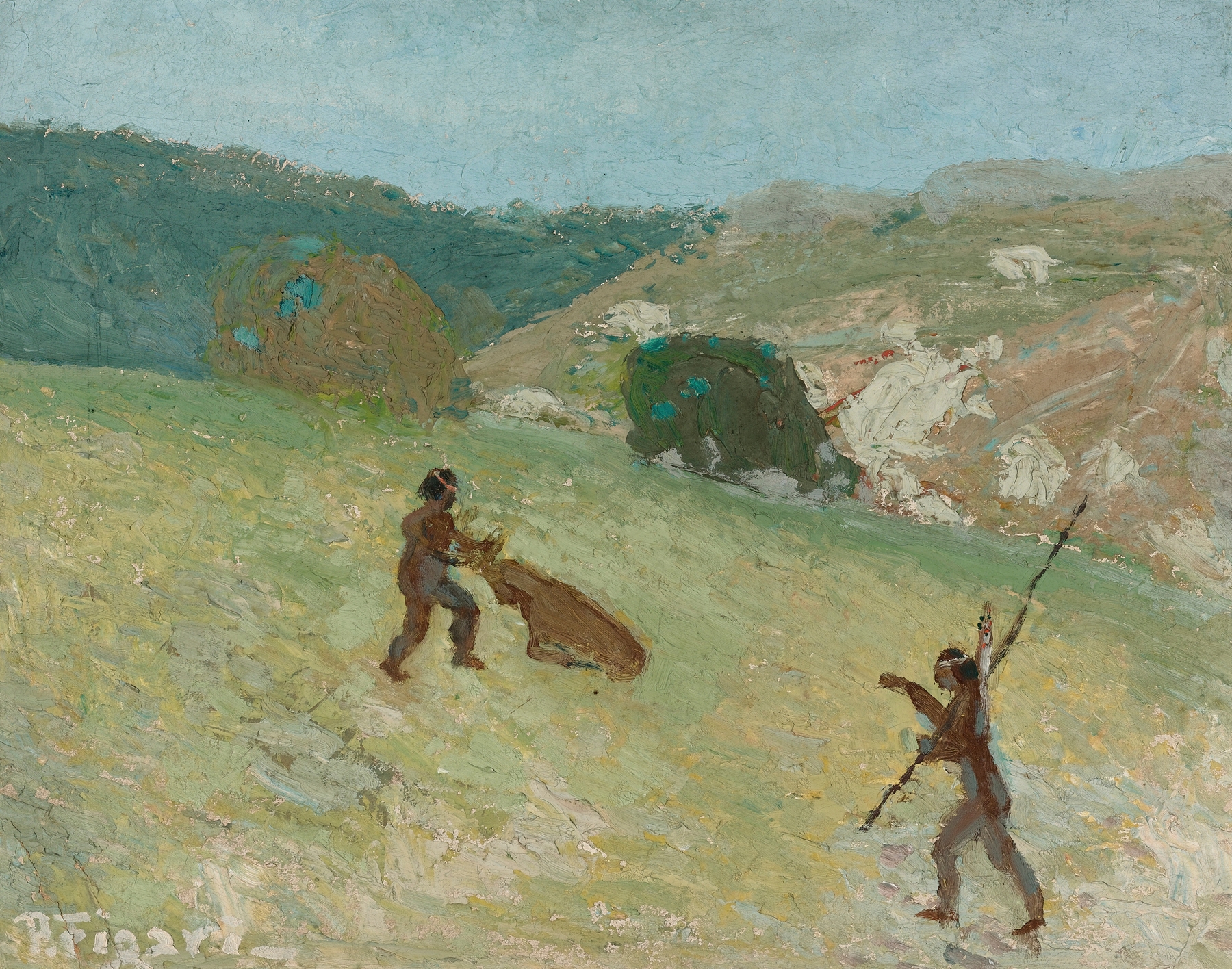
“The canvas doesn’t lie — it simply waits.” In a world filled with noise and conflict, the silent expanse of emptiness beckons us to confront our own solitude. Focus first on the vast, open fields stretching across the canvas, a golden-yellow expanse that evokes a sense of boundless possibility yet profound isolation. The horizon, a thin line where earth meets sky, creates an arresting contrast between the warm land and the cooler, muted tones of the sky. Notice how Figari’s brushstrokes convey both movement and stillness, the subtly textured surface inviting the viewer to linger in this moment of quiet reflection.
Delve deeper into the painting's emotional undercurrents, where the emptiness speaks volumes. The absence of figures suggests a haunting solitude, prompting contemplation about what remains unseen. Each brushstroke whispers the stories of a land untouched, while the muted palette juxtaposes vibrancy against the void, challenging the viewer to wrestle with their own feelings of isolation amidst the vastness.
Pedro Figari painted Pampa in a period marked by personal contemplation and shifting artistic tides in South America. From the late 19th century to the mid-20th, he explored themes of identity and culture, drawing inspiration from the Argentine landscape. This painting reflects not only his admiration for the Pampas but also a deeper understanding of existence in a rapidly changing world, where the quiet spaces hold as much significance as the bustling life around them.