Caza — History & Analysis
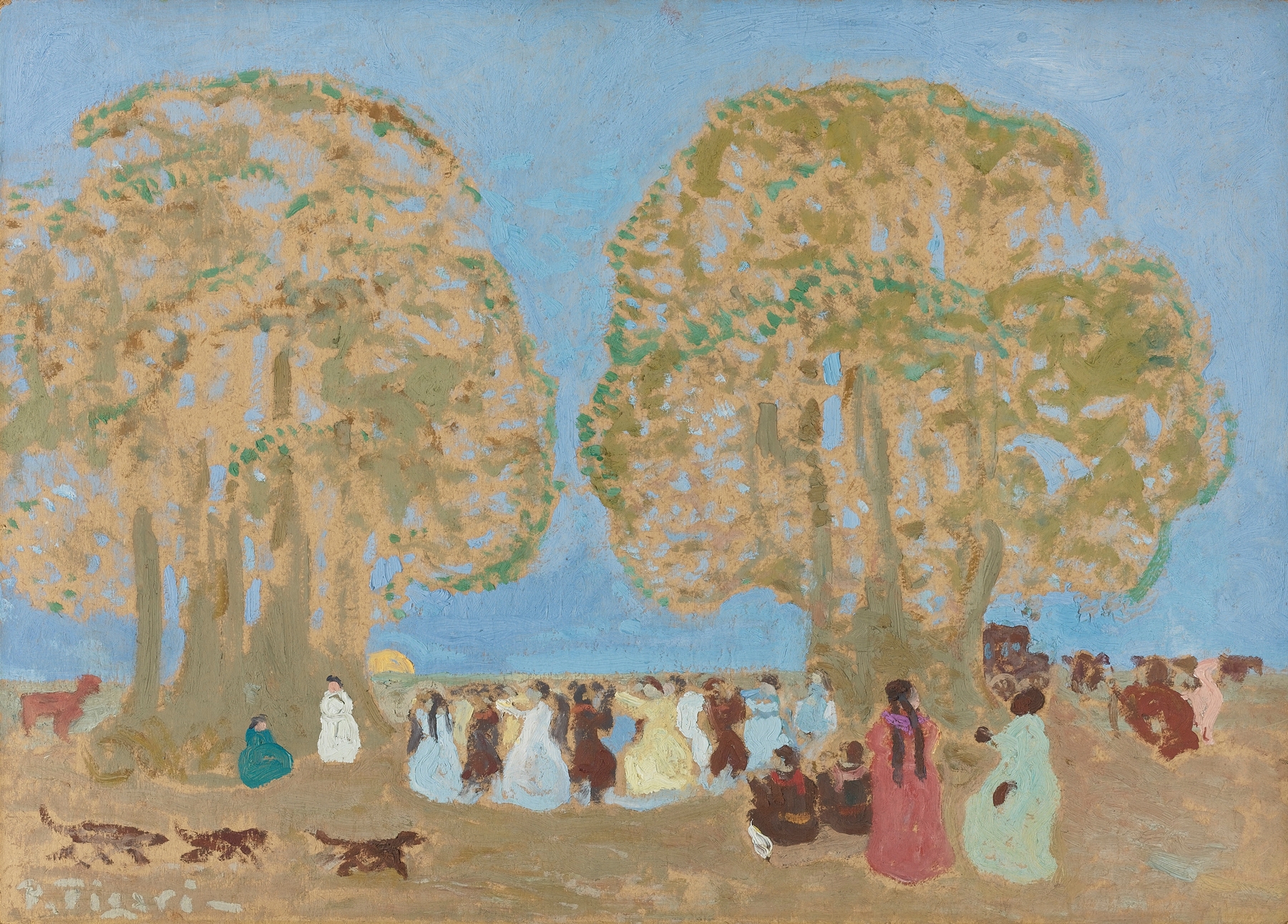
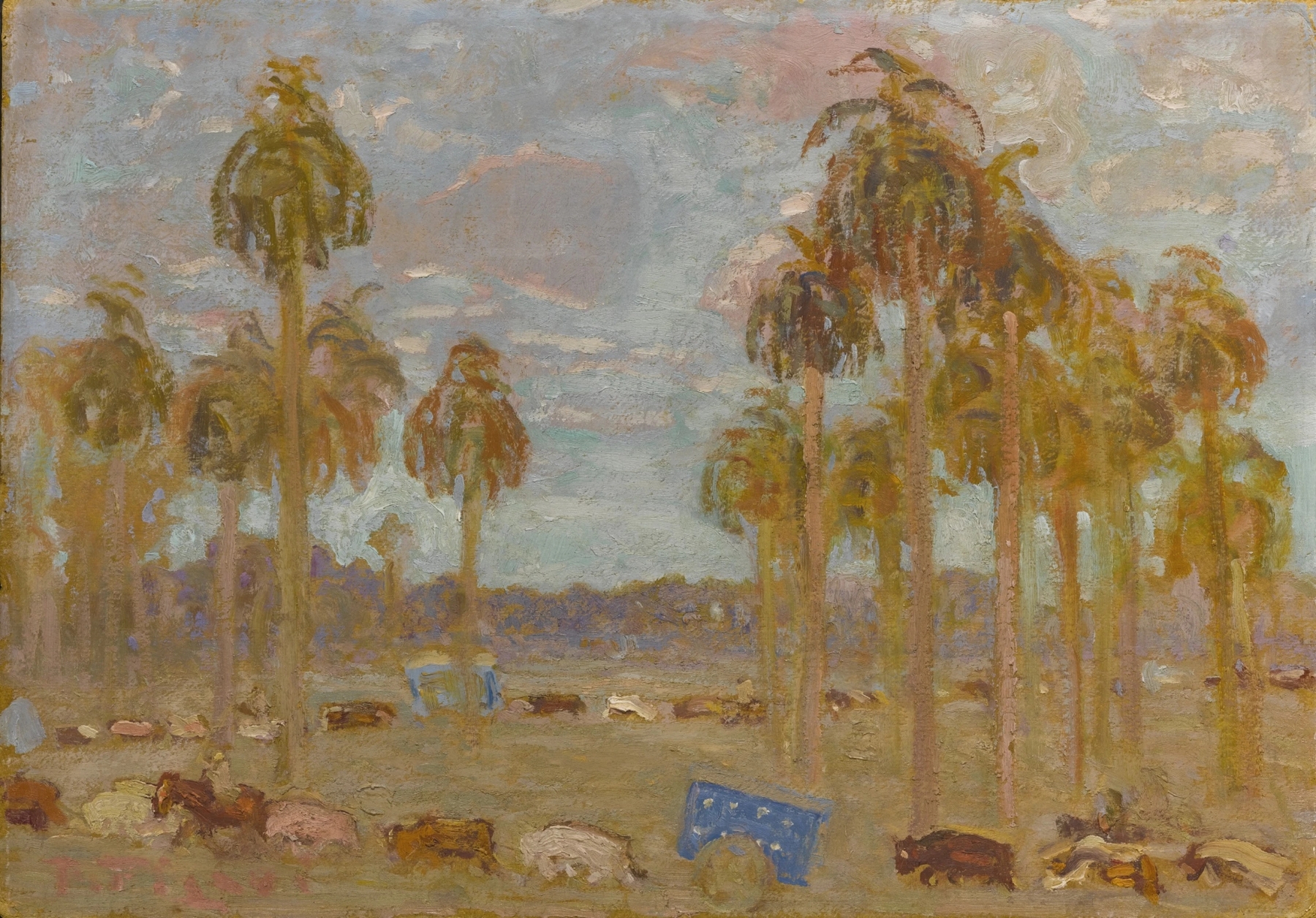
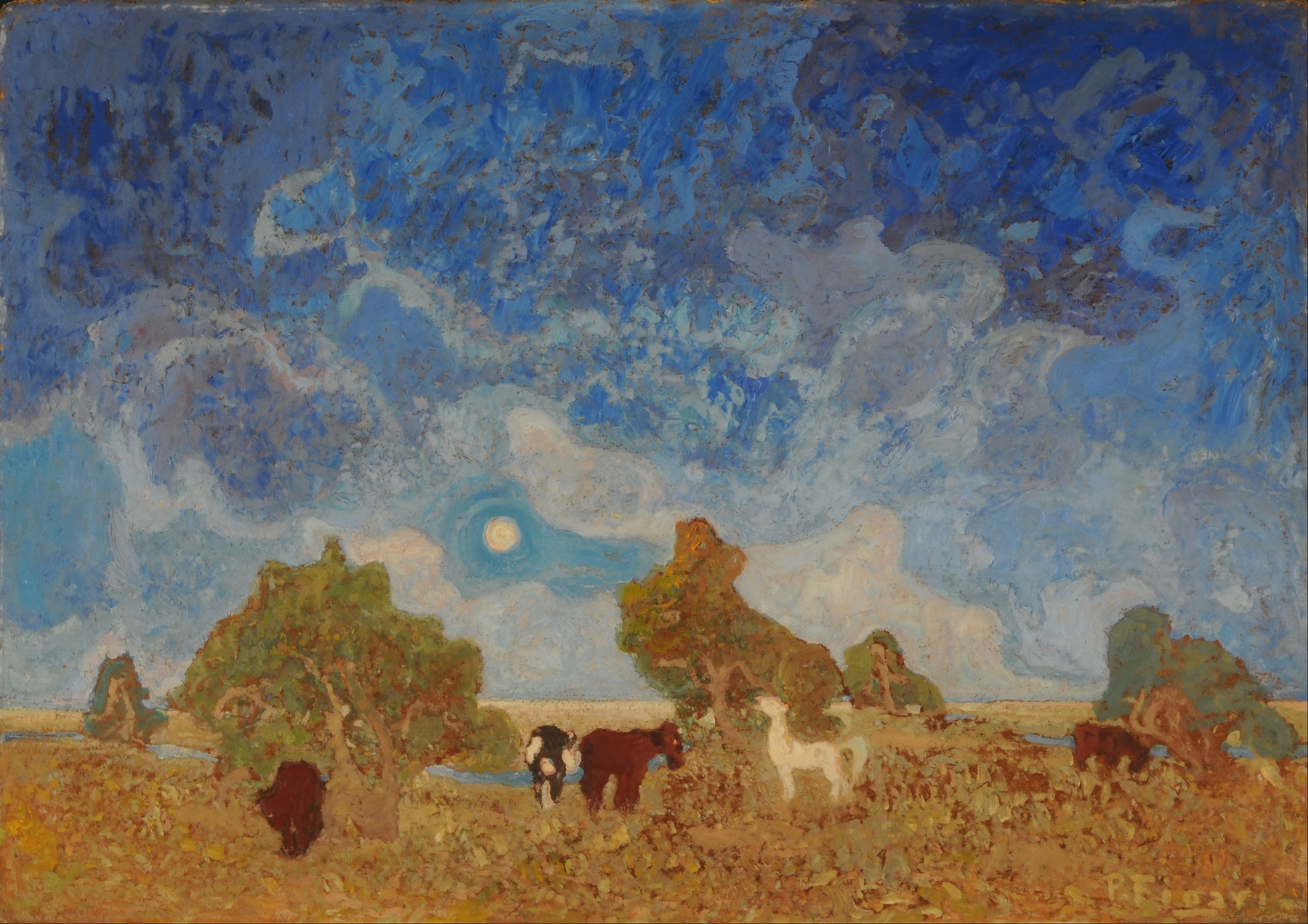
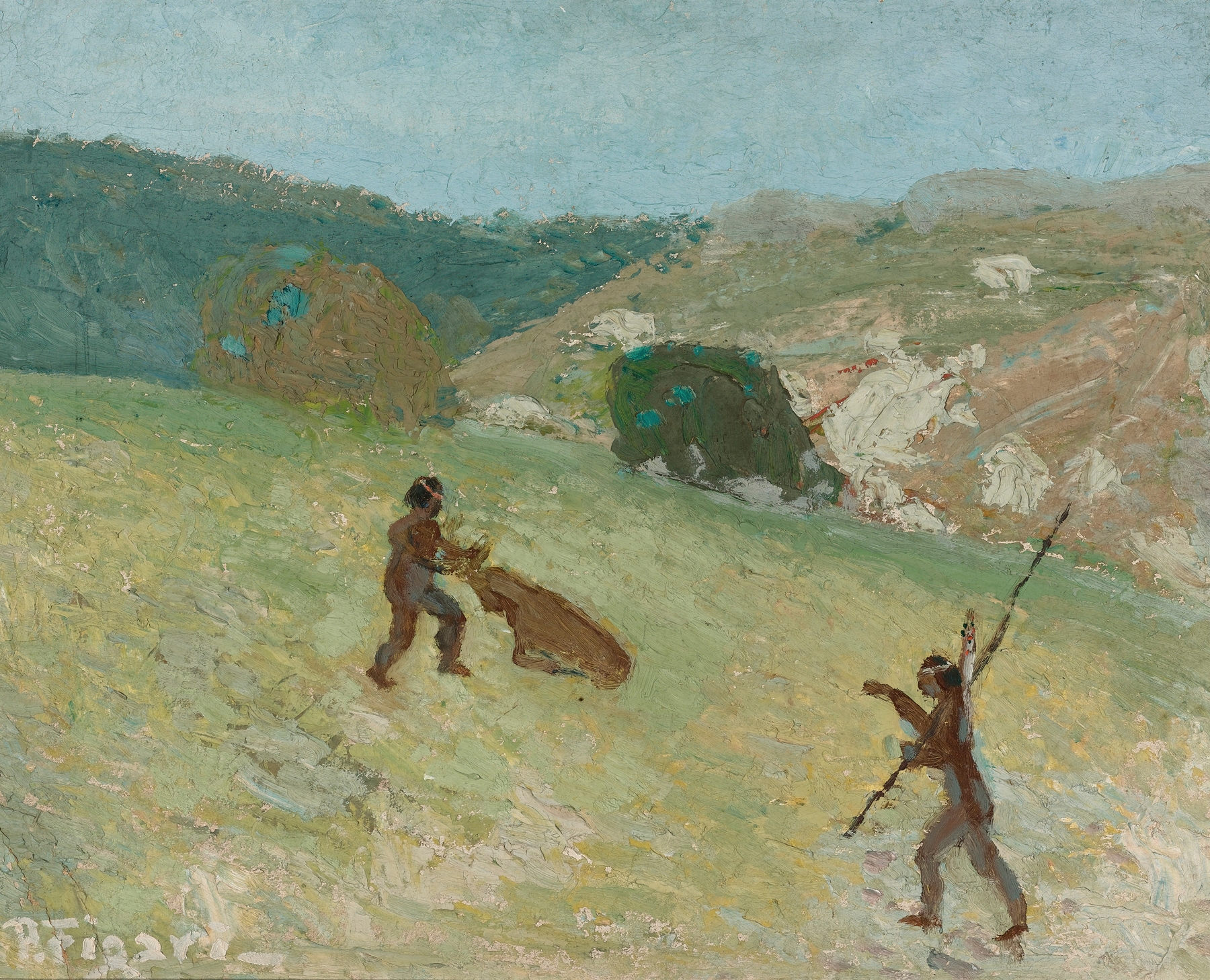
What secret hides in the quiet of the canvas? The stillness of Caza invites us into its world, where layers of color and texture weave together to tell a story of rebirth and transformation. Look to the center of the composition, where deep earth tones blend seamlessly into vibrant splashes of yellow and green. These colors pulse with life, drawing your gaze into the heart of the work. Notice how the brushstrokes are not just marks on a surface; they are gestures of energy, echoing the dance of nature and the spirit of renewal.
Framing the scene are abstract shapes that suggest life forms emerging from the ground, evoking a sense of growth and potential. Underneath the surface, there are tensions at play. The contrast between the muted background and the lively foreground hints at the struggle between stagnation and dynamism. Elements seem to hover in a state of transition, invoking feelings of anticipation and hope.
This tension becomes a metaphor for the cyclical nature of existence, a reminder that from the quiet, life can unfurl in unexpected ways. Pedro Figari painted Caza during a period of deep introspection in his career, around the early 20th century. Living in Montevideo, he was engaged with the evolving artistic landscape of Latin America, embracing modernism while remaining rooted in the cultural narratives of his homeland. This painting reflects his exploration of identity and the rebirth of cultural themes, positioning it as an essential piece within his broader oeuvre.