La Grève — History & Analysis
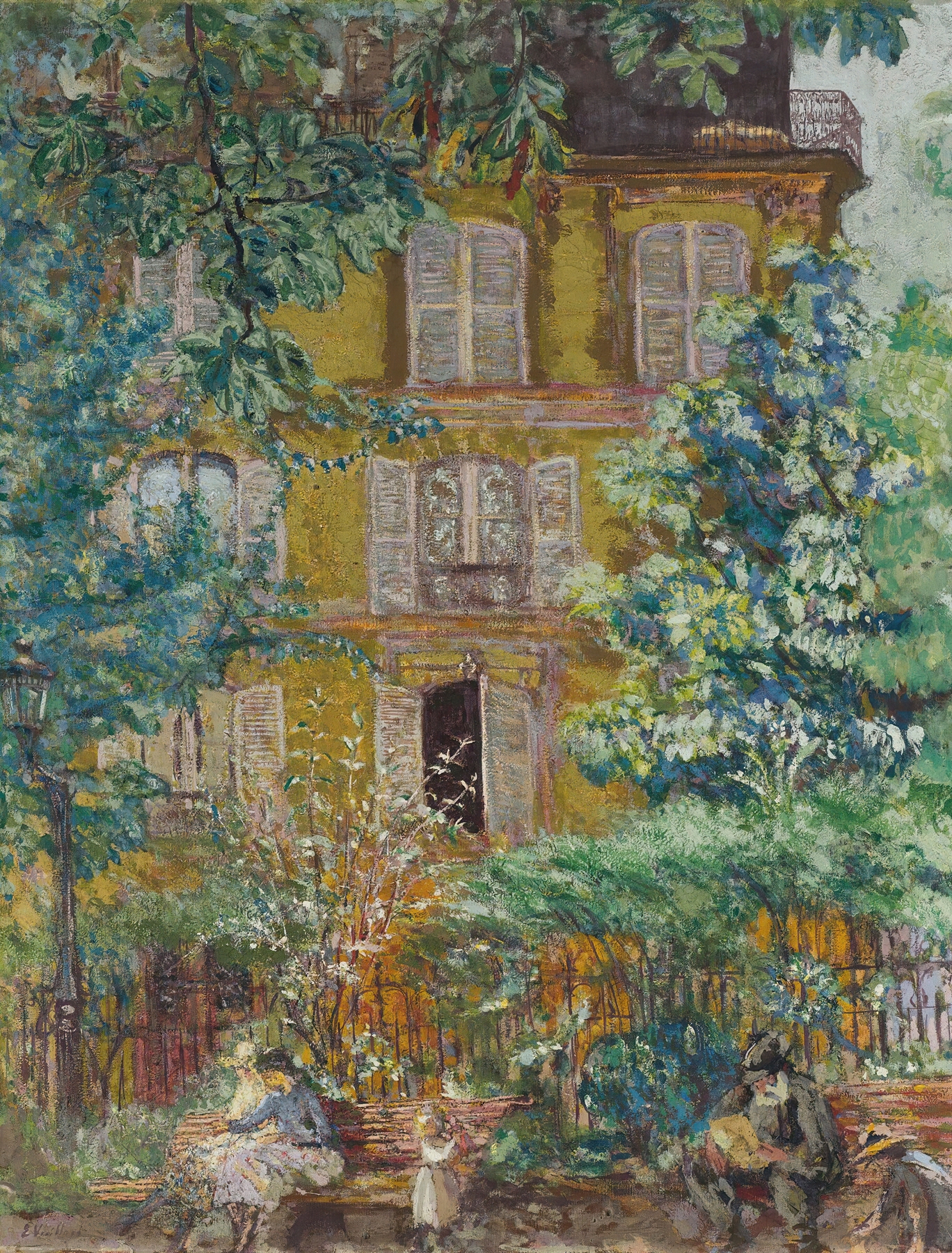
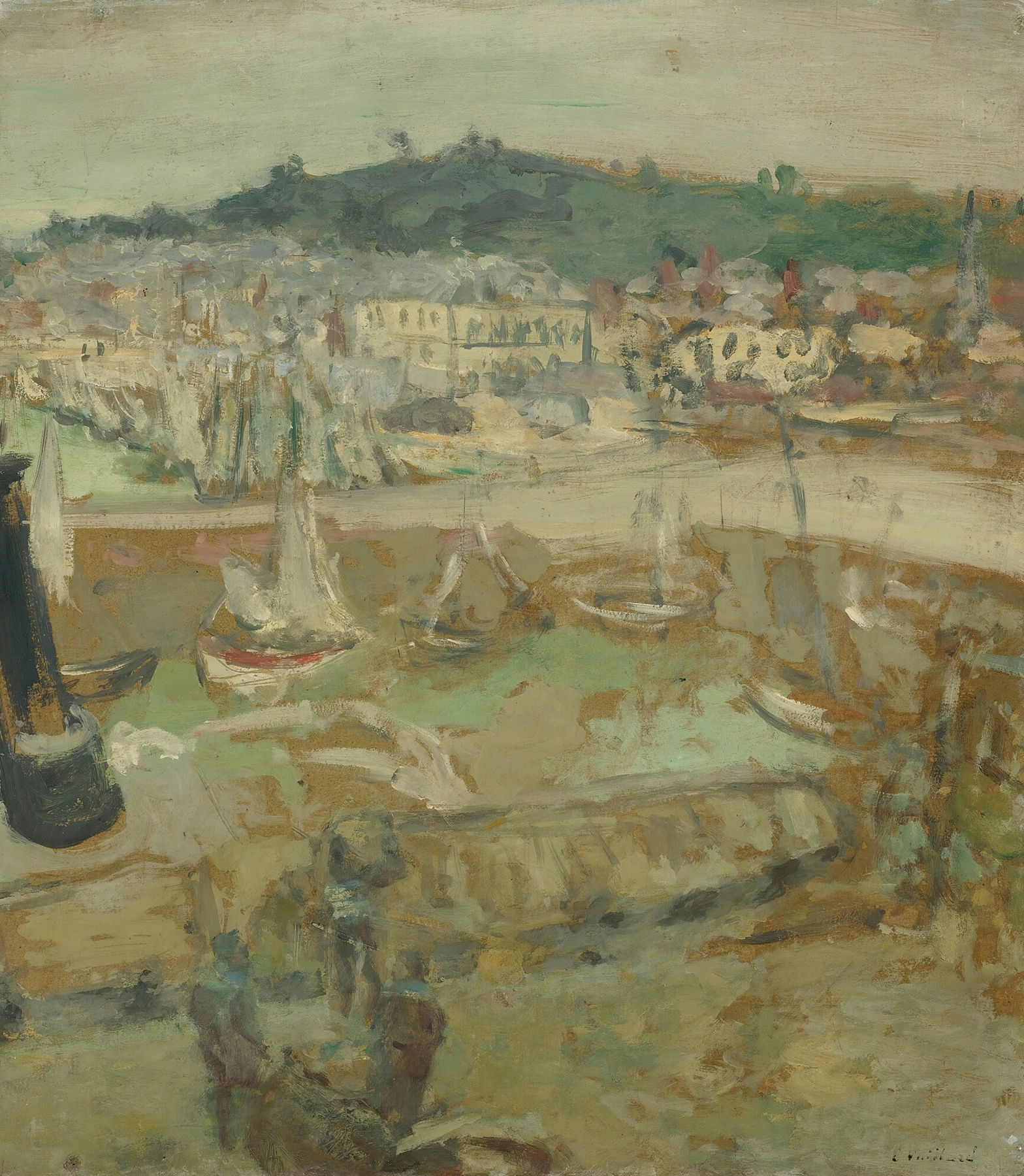
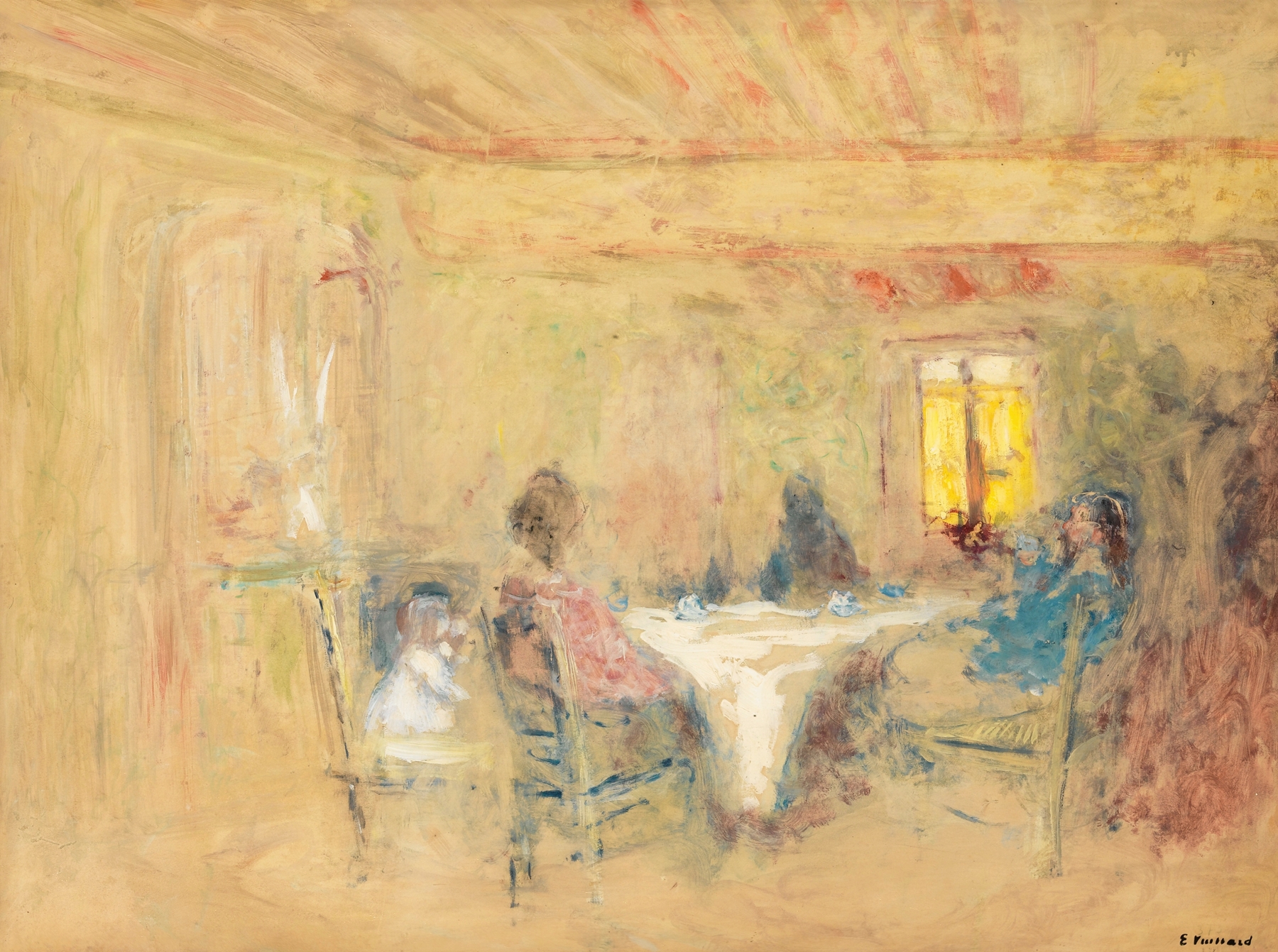
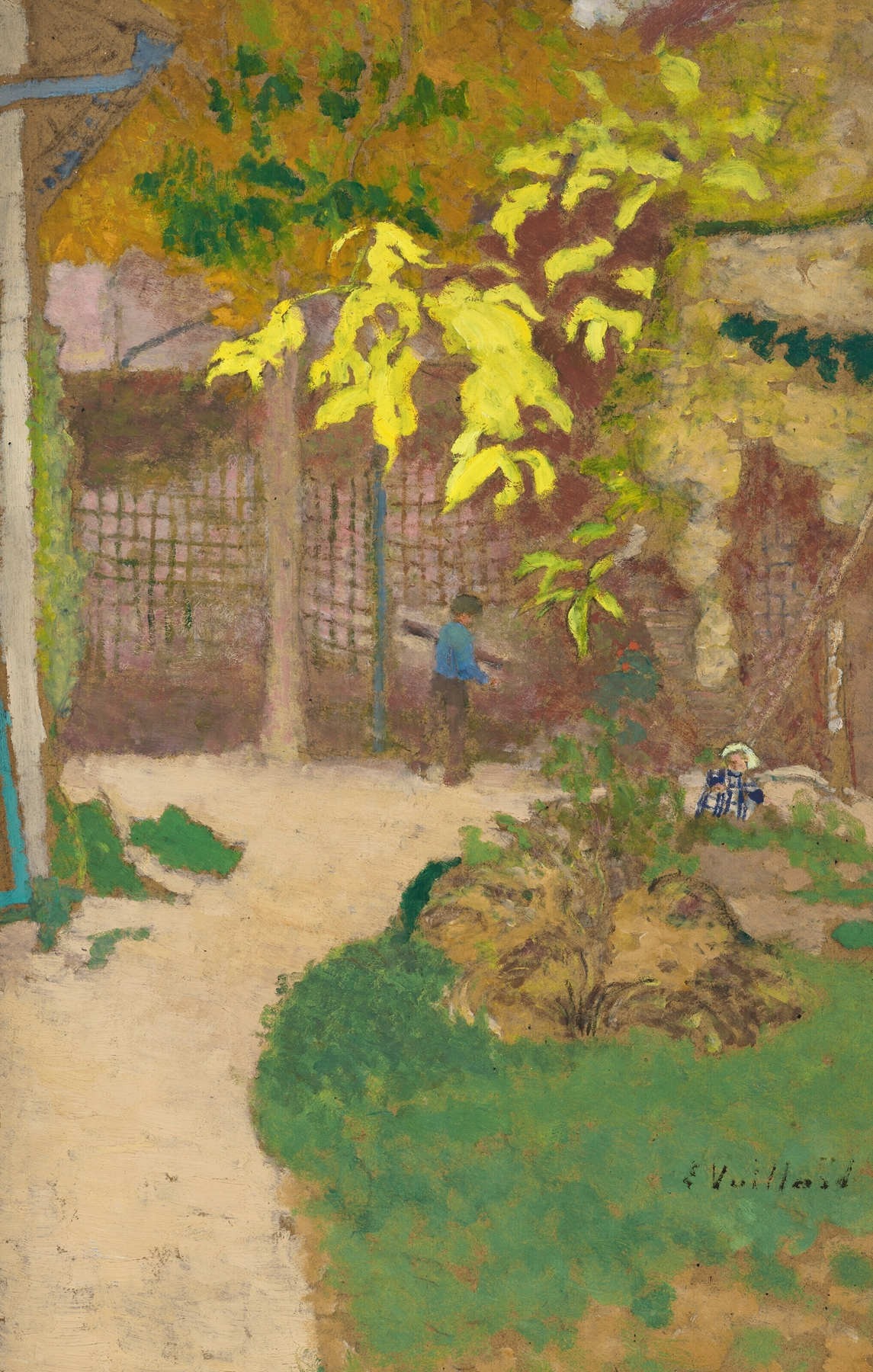
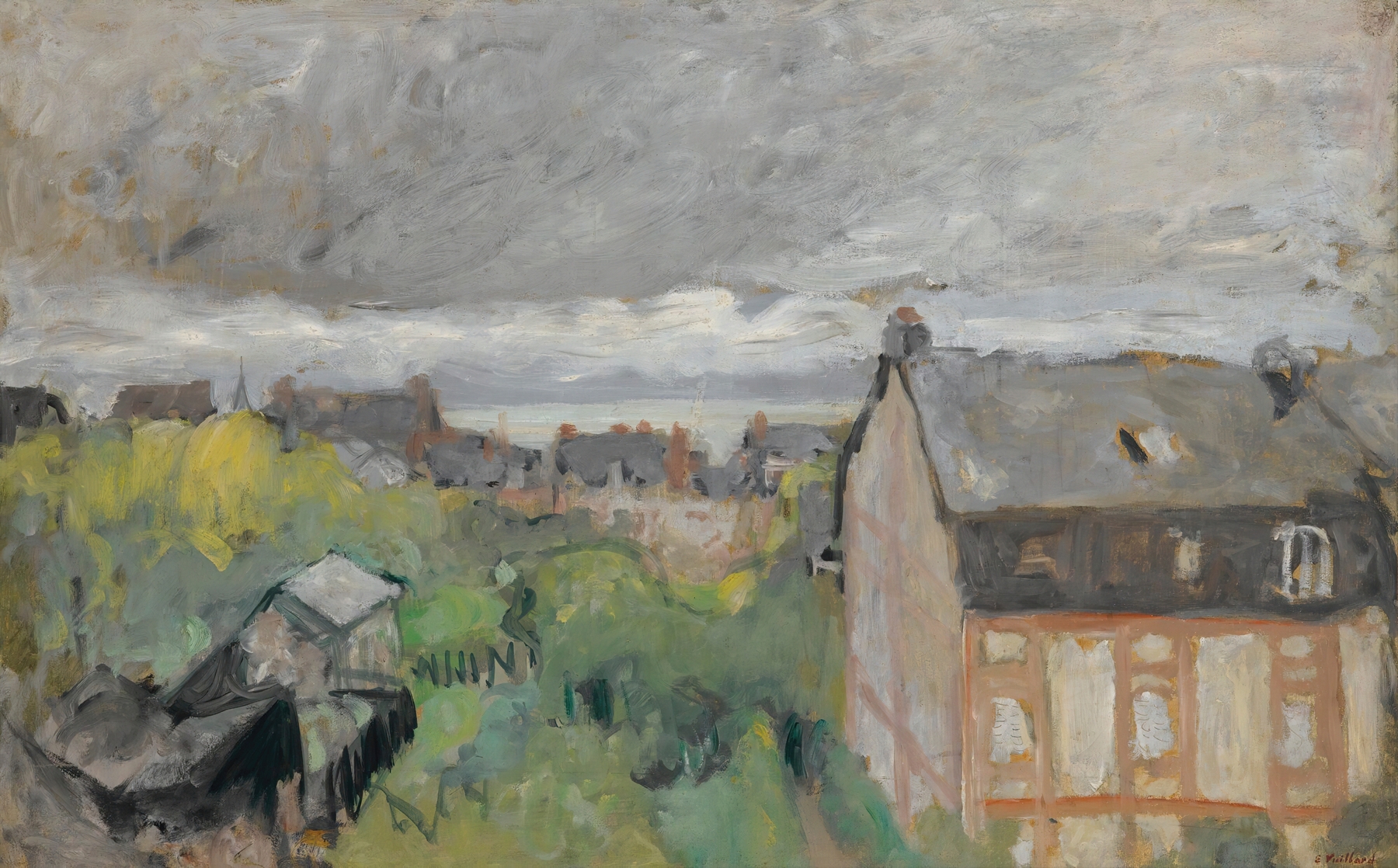
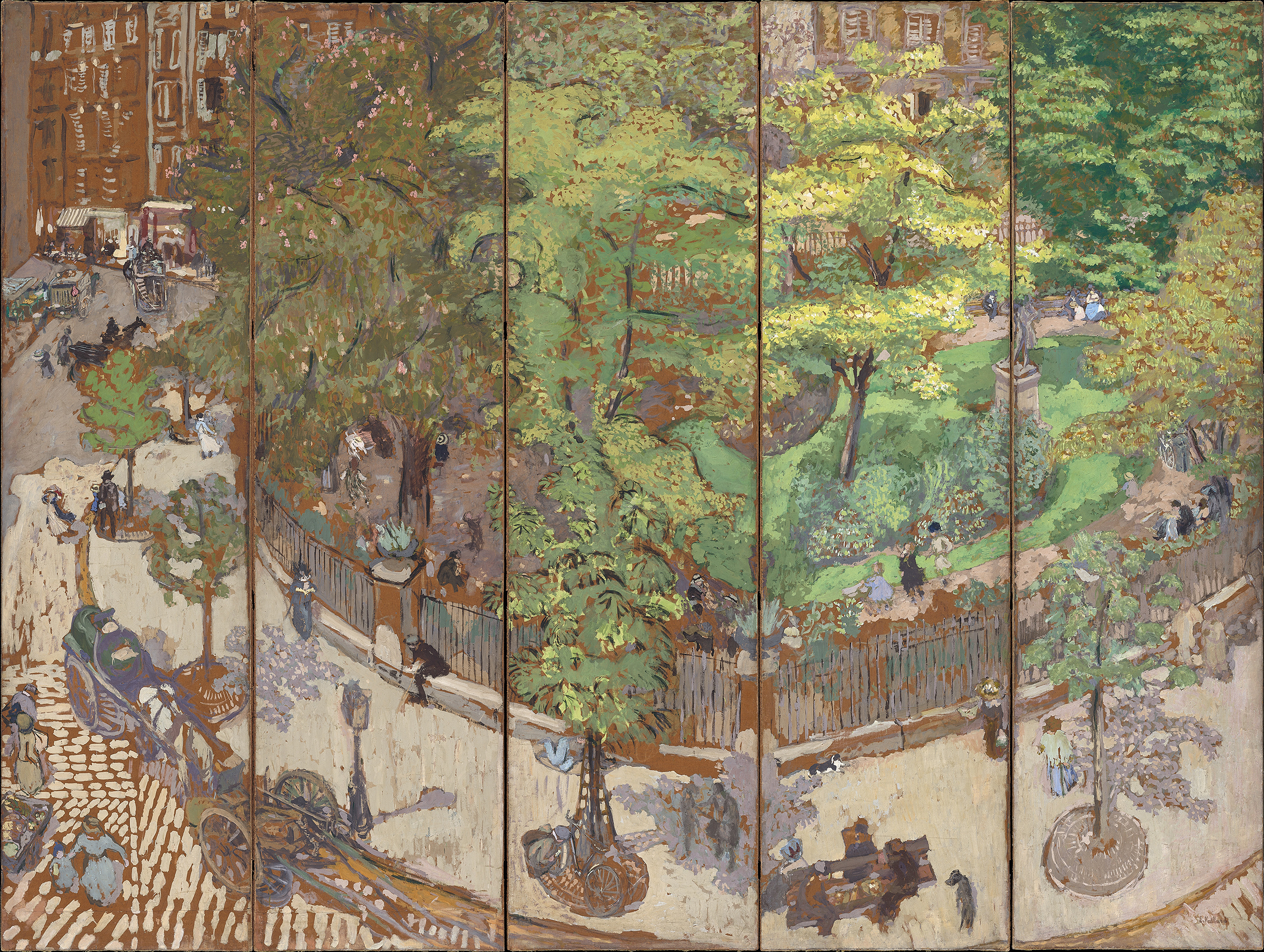
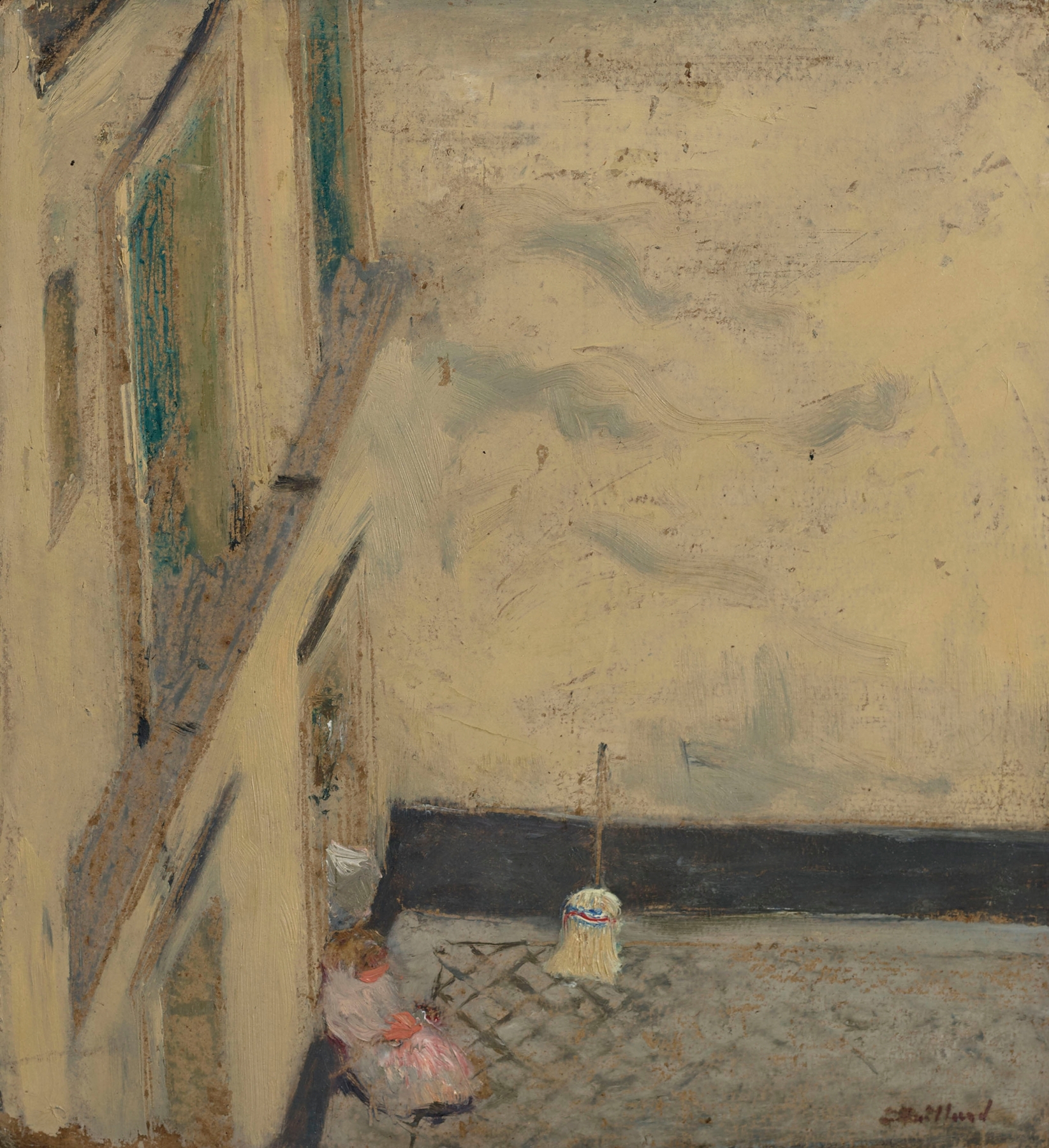
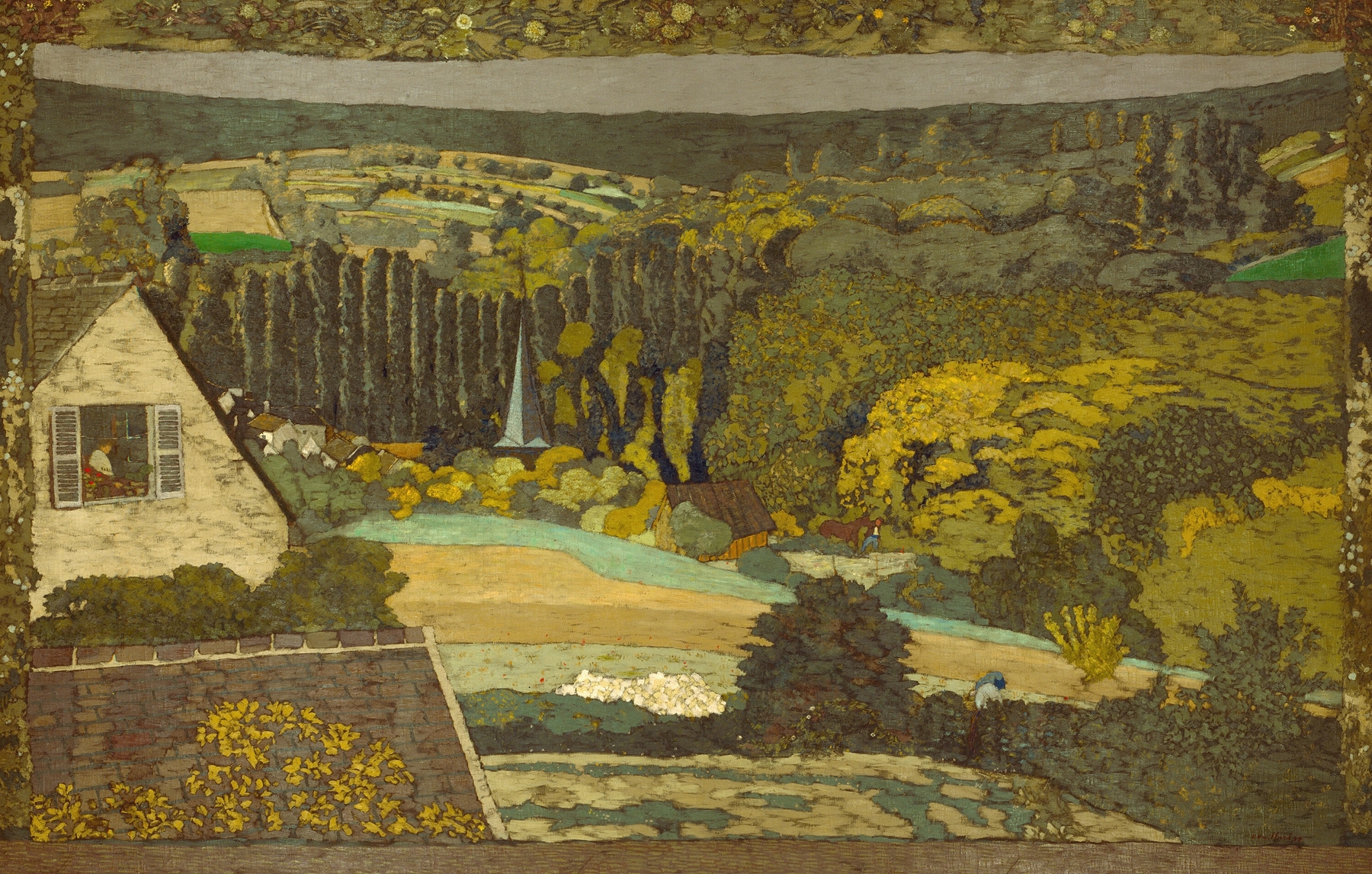
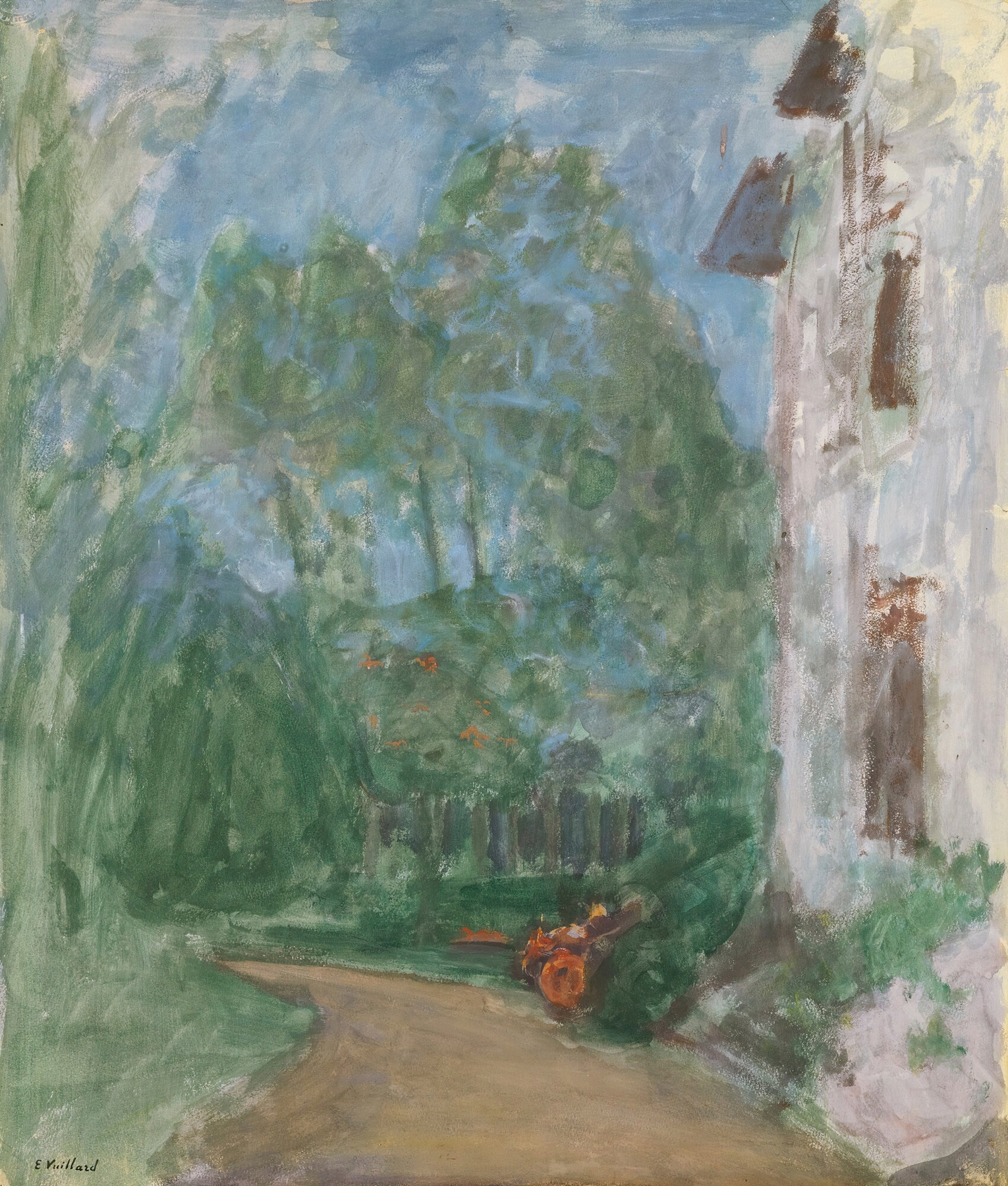
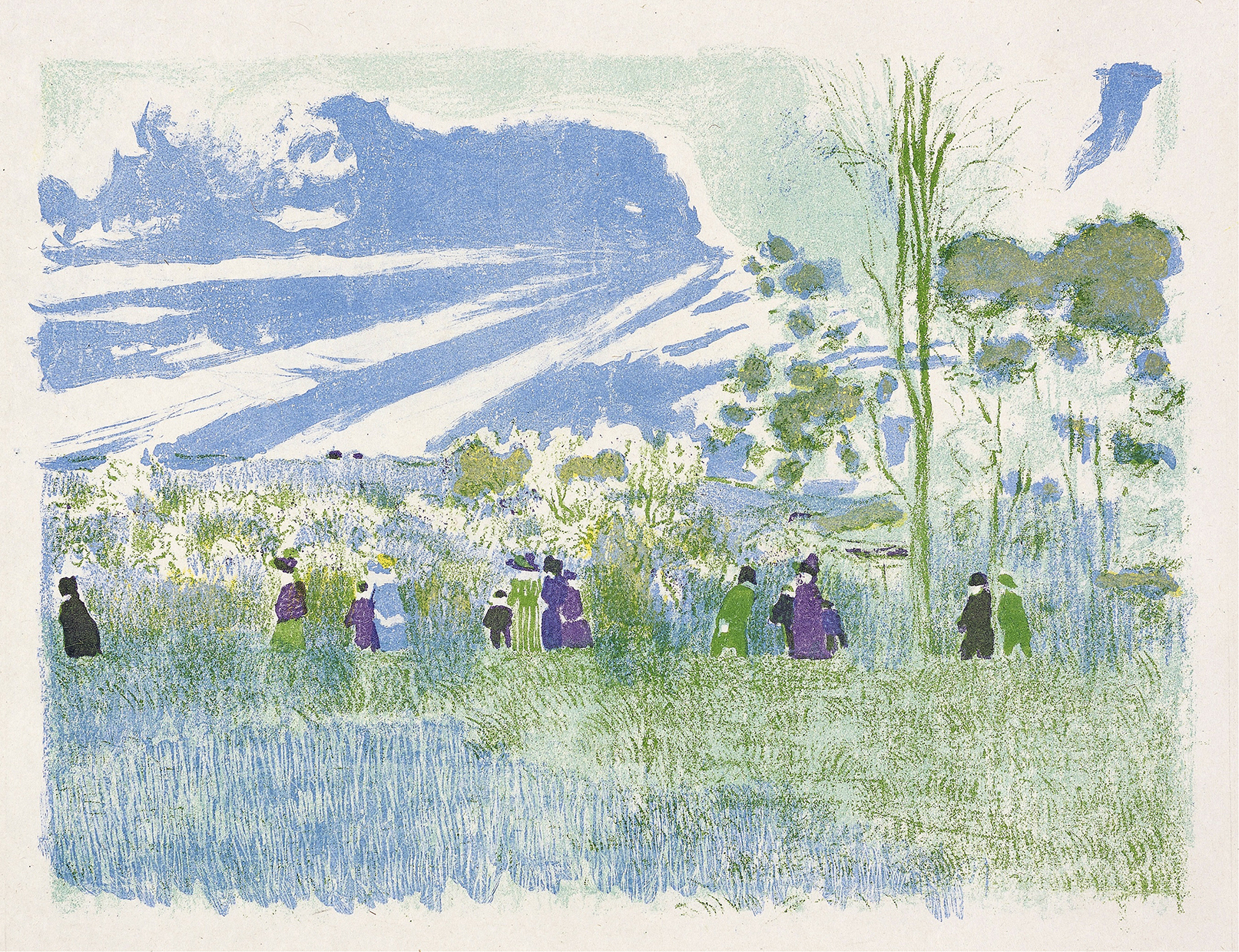
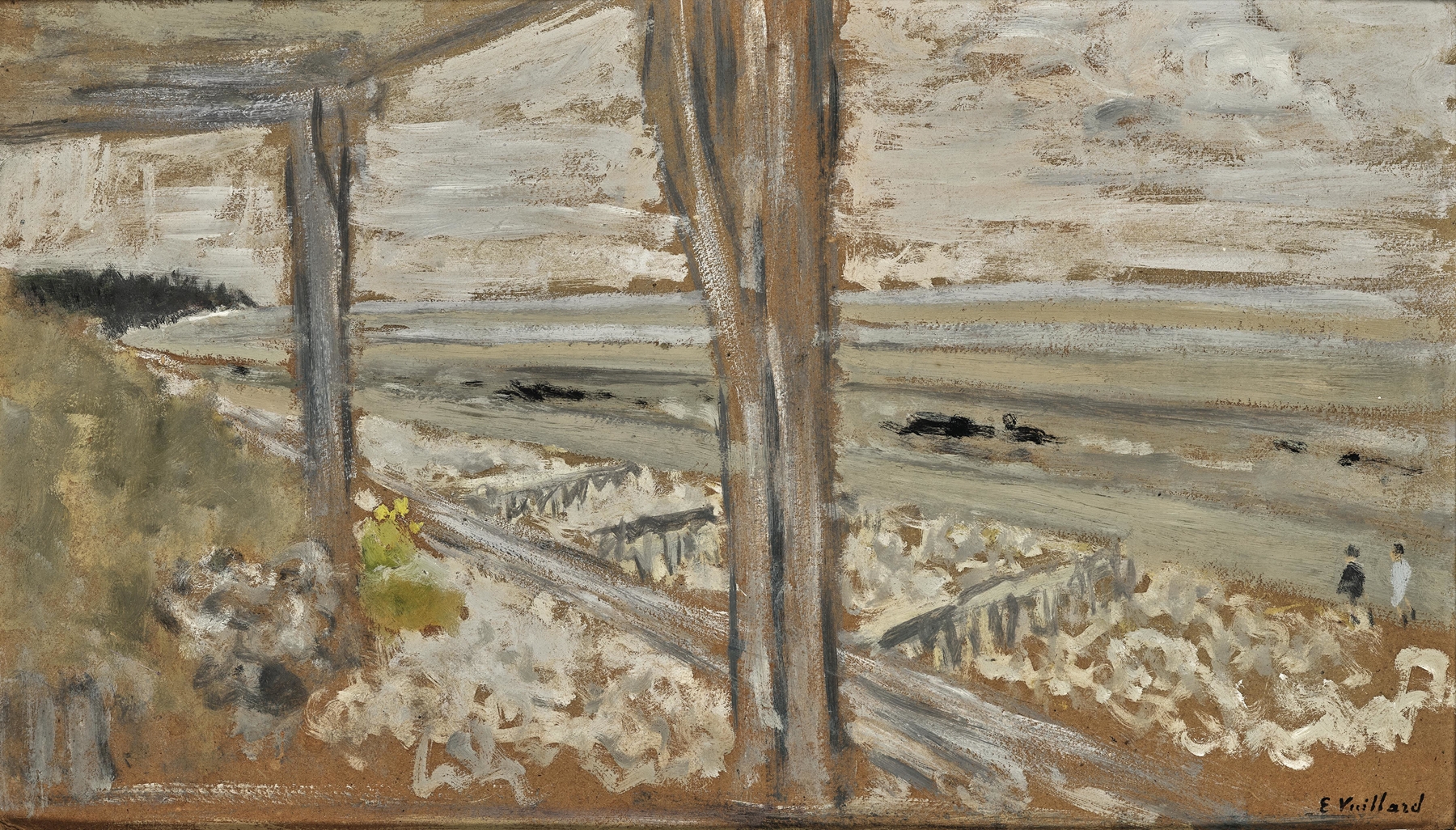
Can paint confess what words never could? In La Grève, the vibrant hues and swirling forms speak a language of emotional depth that transcends mere description, inviting viewers into a world where ecstasy and turmoil intertwine. Focus on the center of the composition, where figures seem to dance in spirited abandon amidst a backdrop of muted colors. The soft lines and textured brushstrokes create a sense of movement, while the interplay of light and shadow plays upon their bodies, giving life to an otherwise static moment.
Notice how the warm tones of ochre and rust contrast with the cooler blues, enhancing the charged atmosphere, as if the air itself is electric with anticipation. Delve deeper into the painting’s subtleties, and you’ll uncover hidden tensions. The expressions of the figures reveal a complex emotional landscape, oscillating between joy and despair. The rhythmic patterns of their movements suggest a collective experience, perhaps hinting at a labor strike, bringing forth a communal ecstasy, yet also evoking the struggle for autonomy.
Vuillard captures this duality beautifully, illustrating not only the exuberance of life but also the societal context that stirs beneath the surface. In the early 1900s, Vuillard was deeply embedded in the vibrant Parisian art scene, where the avant-garde flourished. Created between 1903 and 1904, La Grève reflects the socio-political currents of the time, marked by labor movements and a growing consciousness among the working class. It was during this period of personal and artistic exploration that Vuillard found his voice, merging the intimate with the collective, ultimately shaping how we perceive community in art.