Le Jardin — History & Analysis
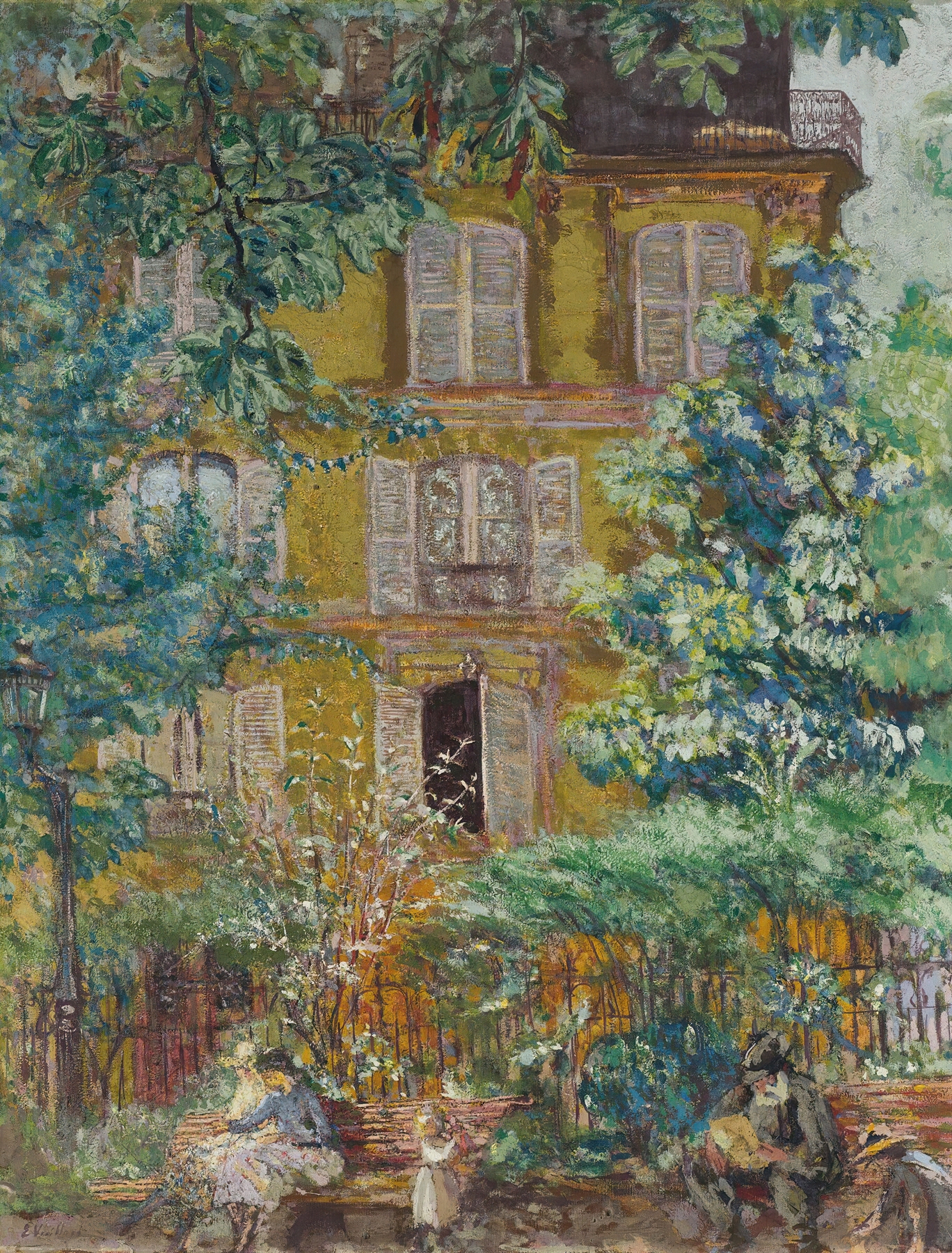
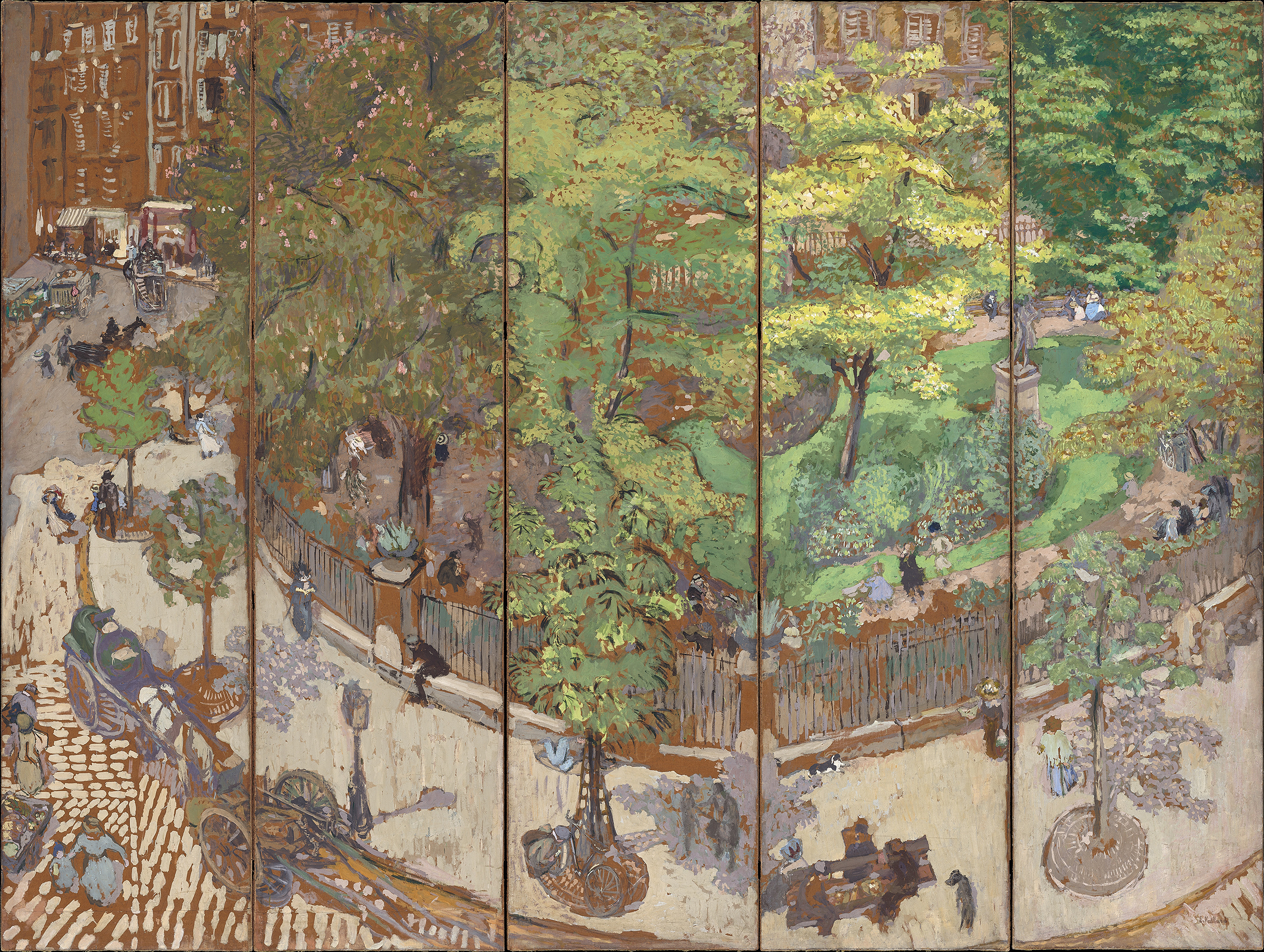
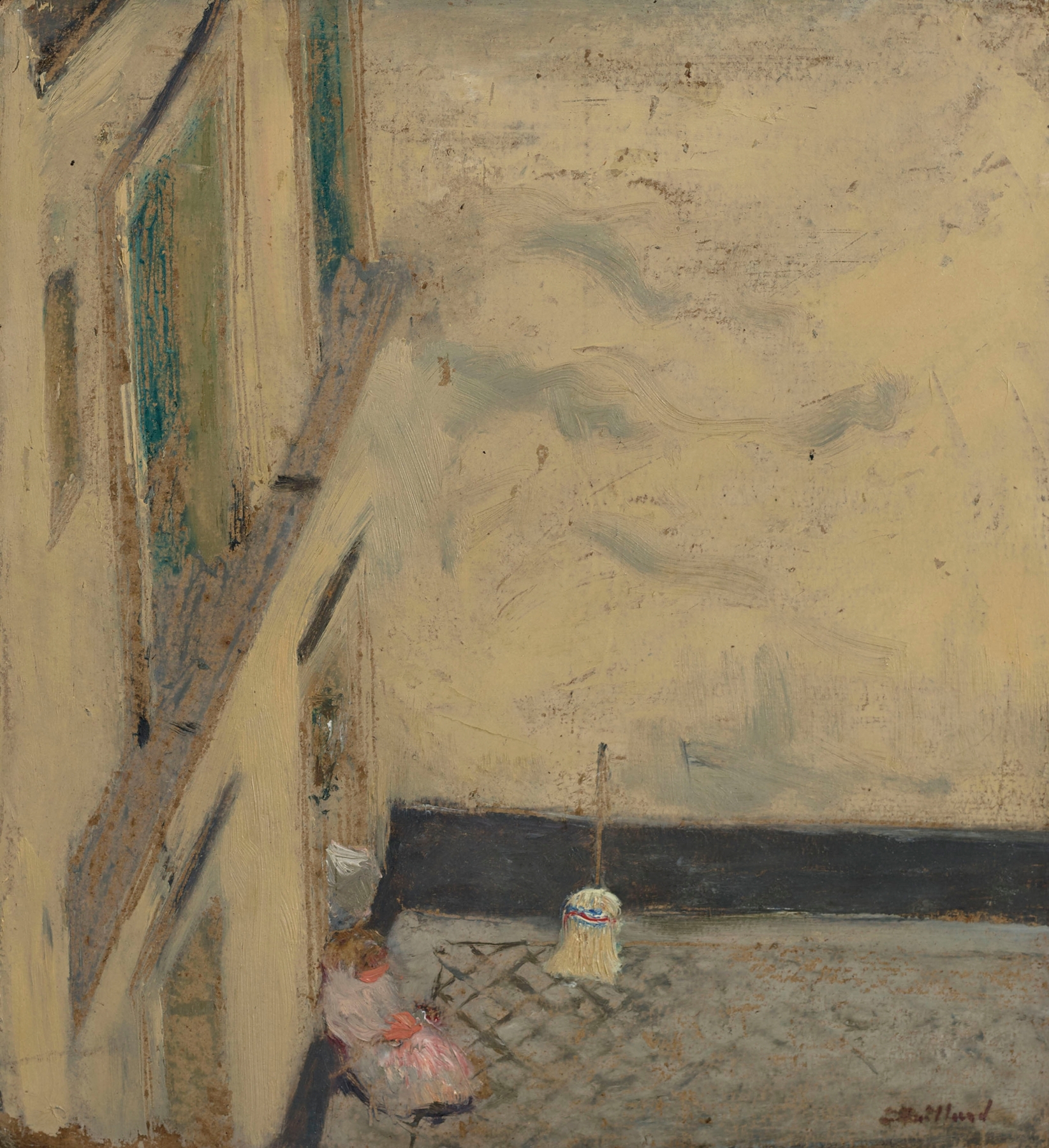
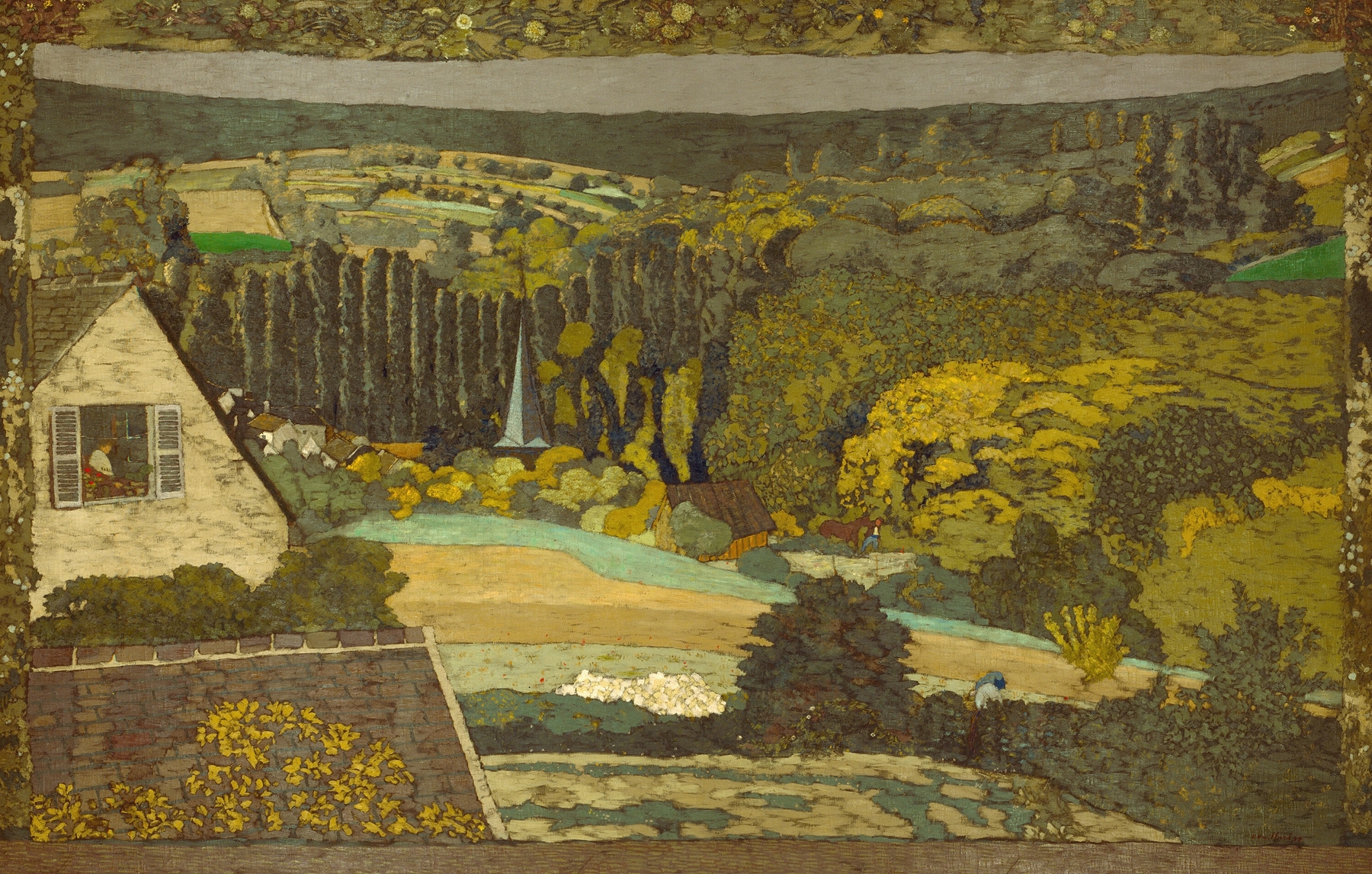
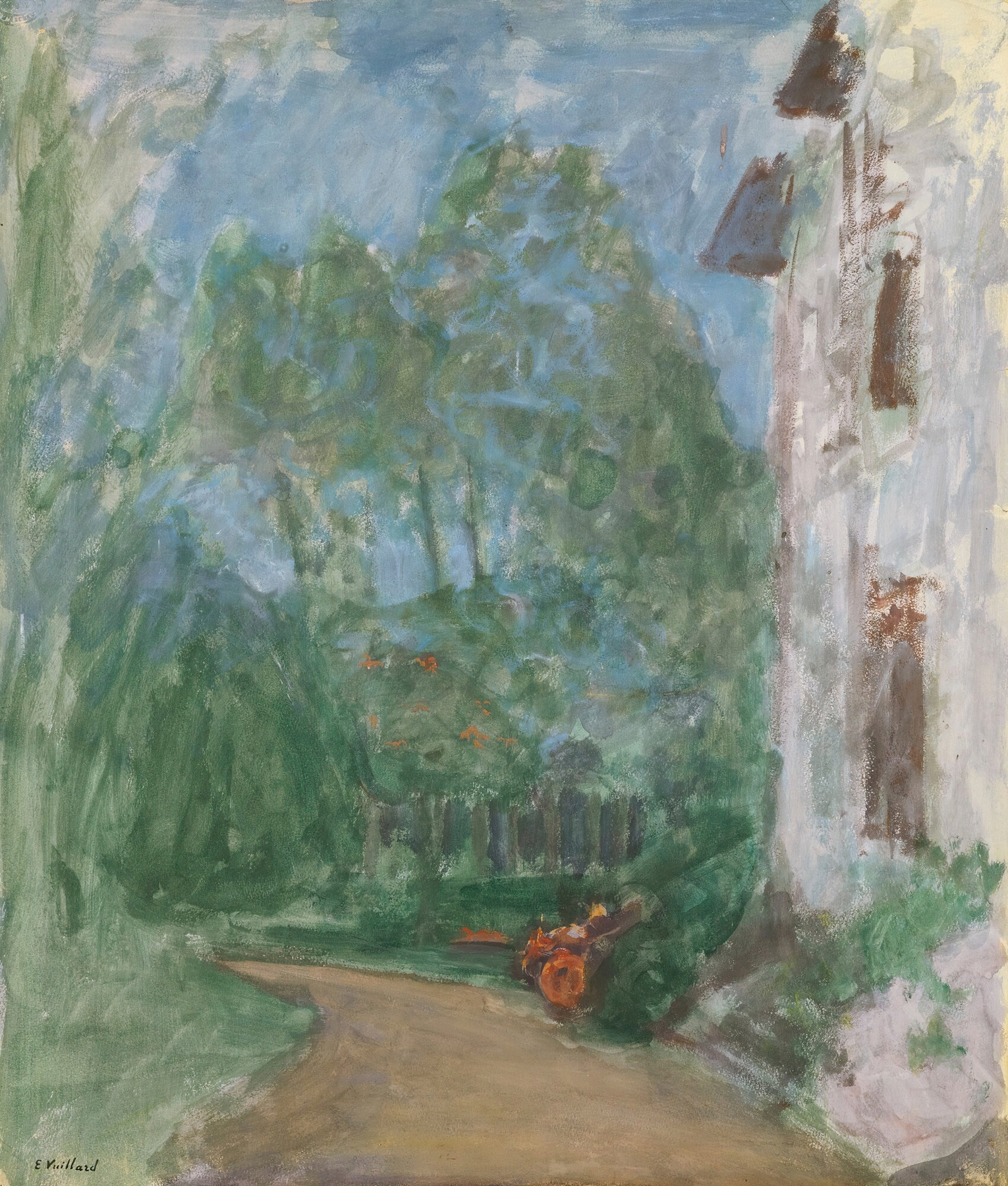
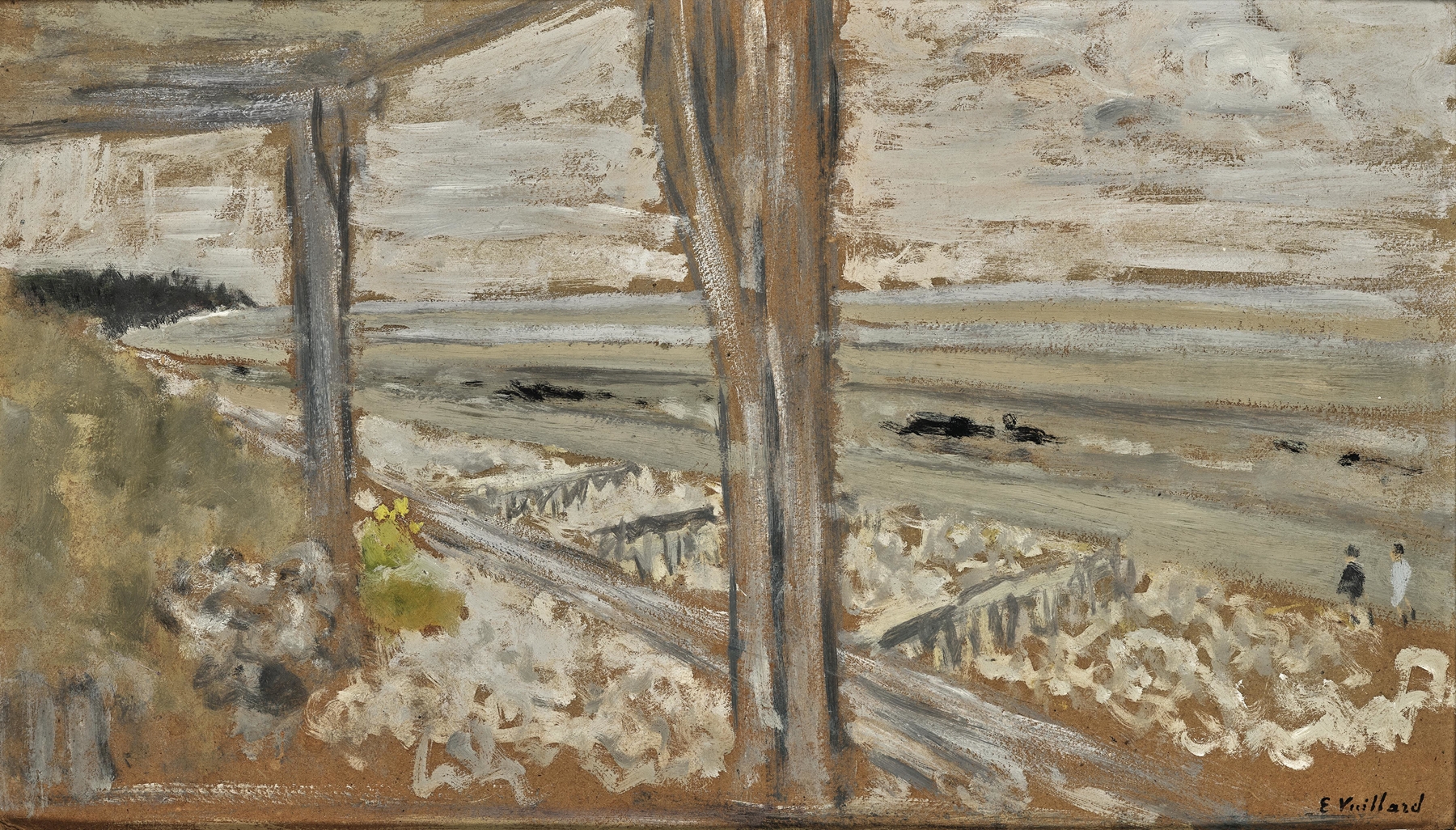
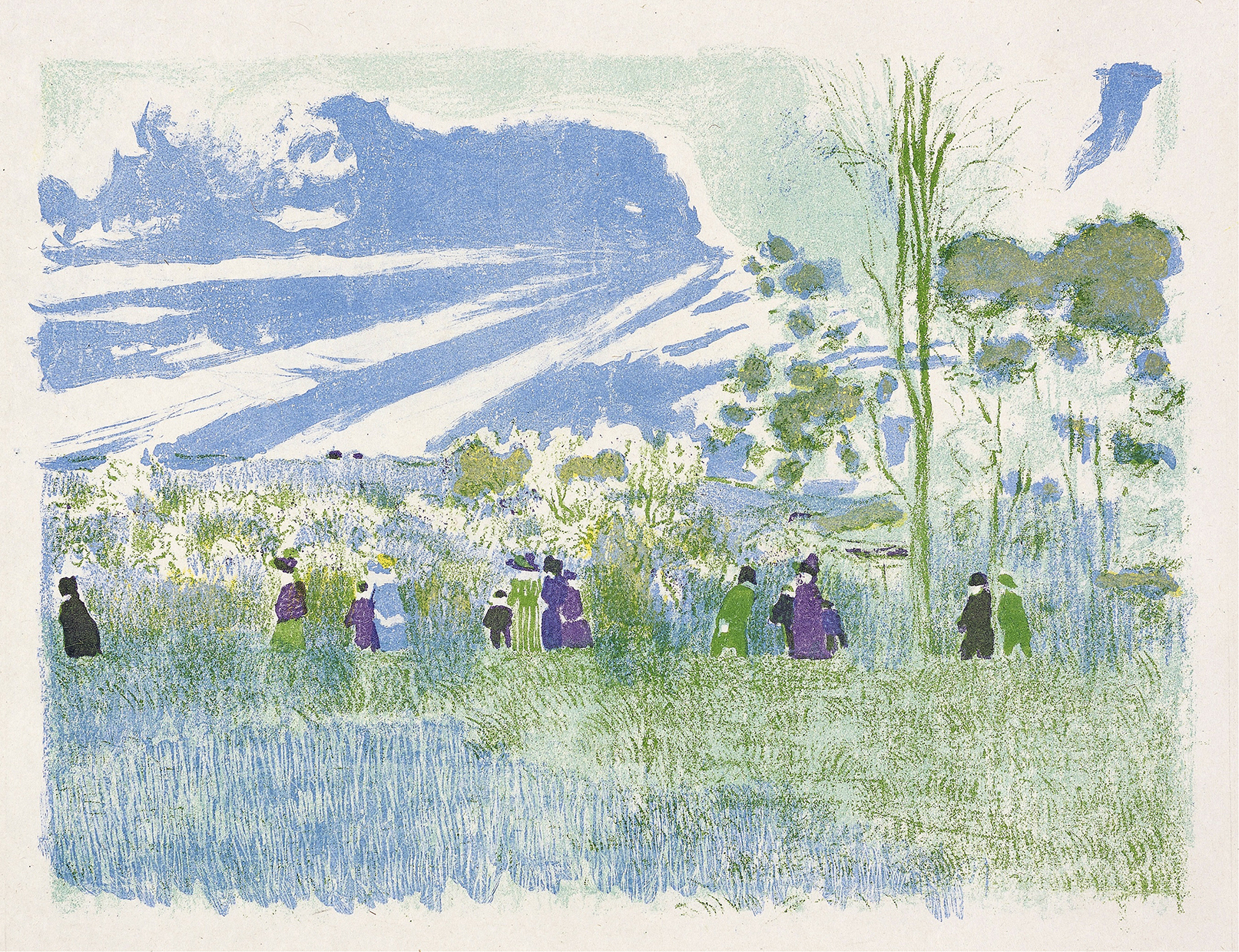
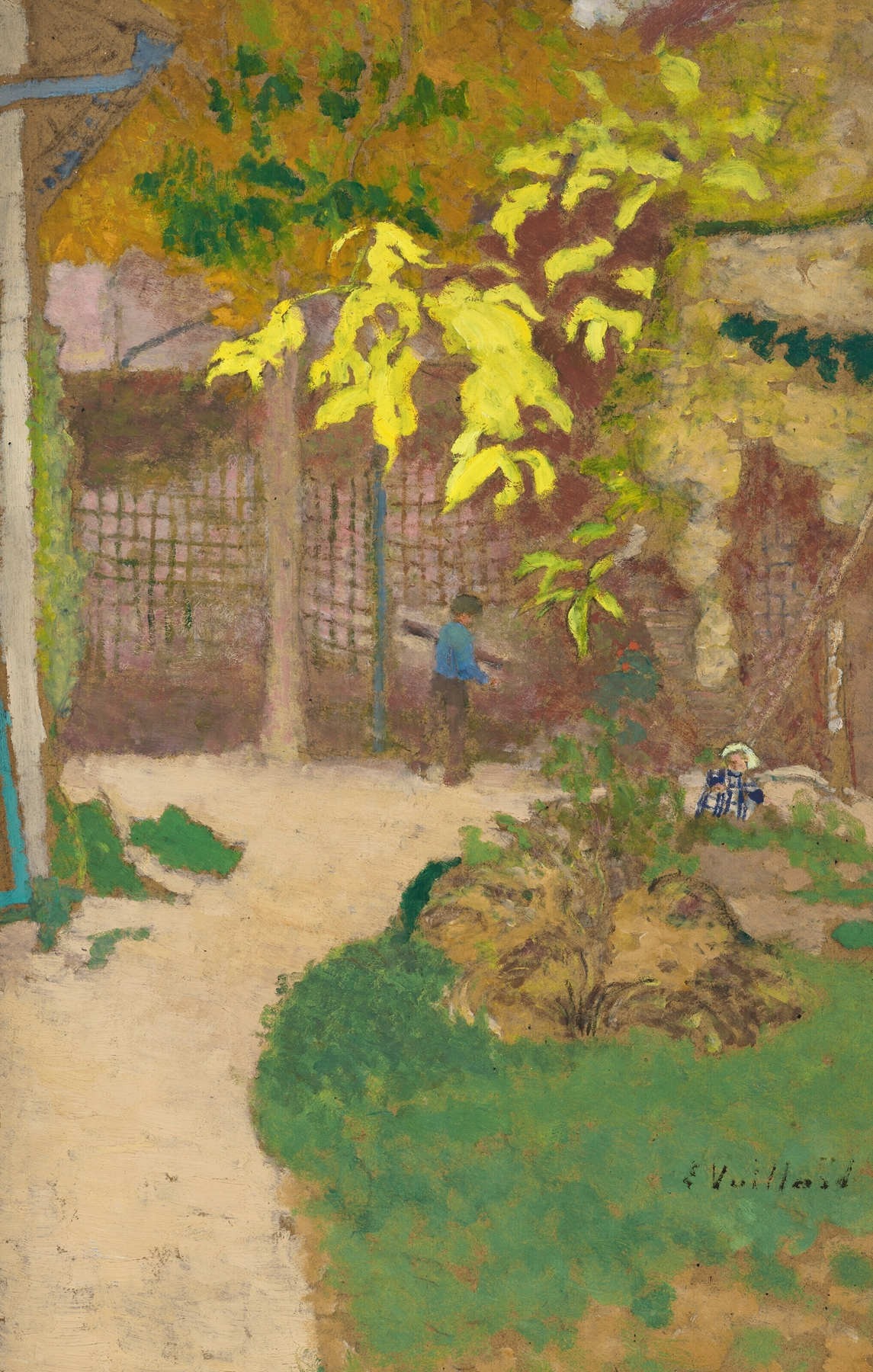
“Every silence here is a confession.” In the quiet embrace of an intimate garden, reflections of life intermingle with the layers of foliage, inviting contemplation of what lies beneath the surface. Each brushstroke whispers secrets, urging the viewer to peer beyond the apparent tranquility. Look closely at the interplay of colors in the lush greenery. Notice how the soft, dappled light filters through the leaves, creating a nuanced tapestry of shadows and highlights.
The palette harmonizes subtle pastels with richer tones, drawing your gaze toward the delicate figures that inhabit this serene space. These figures, almost merging with their environment, evoke a sense of belonging and a fleeting connection to nature. The emotional depth of Le Jardin lies in its contrasts: the serene chaos of nature juxtaposed with the quietude of human presence. The figures, although serene, harbor an unspoken tension, perhaps hinting at their inner lives.
Each gesture and posture reflects a quietude that suggests both comfort and isolation, encapsulating the complexity of human relationships within the lush embrace of the garden. In 1900, Vuillard painted this work during a period when he was deeply immersed in the Nabis movement, which sought to convey emotion through color and symbolism. Living in Paris, he was influenced by both the rise of modernism and the exploration of intimate domestic scenes, turning everyday moments into poignant reflections on existence. The world outside was shifting, yet within the confines of this garden, the artist captures a timeless space of solace and introspection.