Le Square — History & Analysis
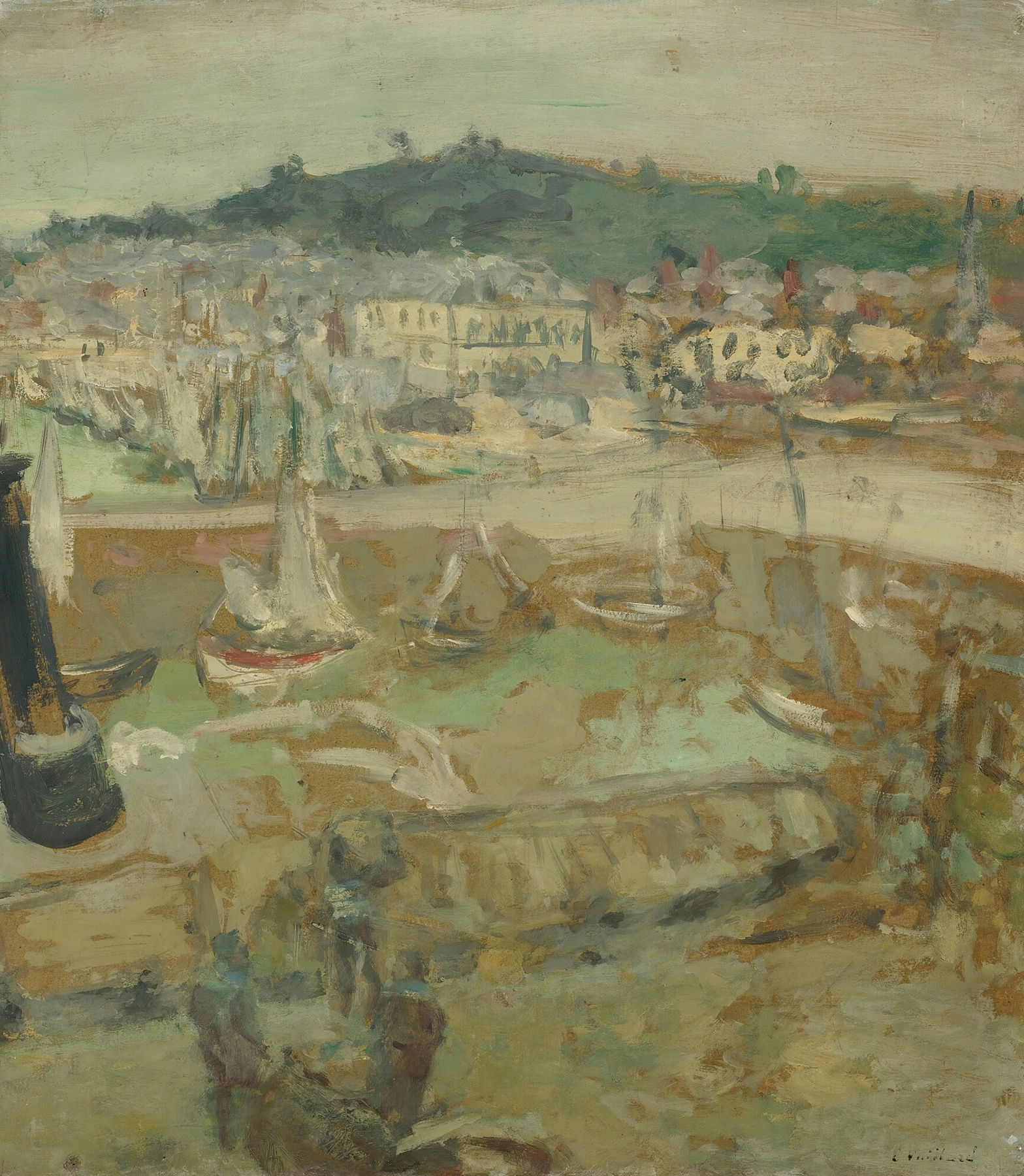
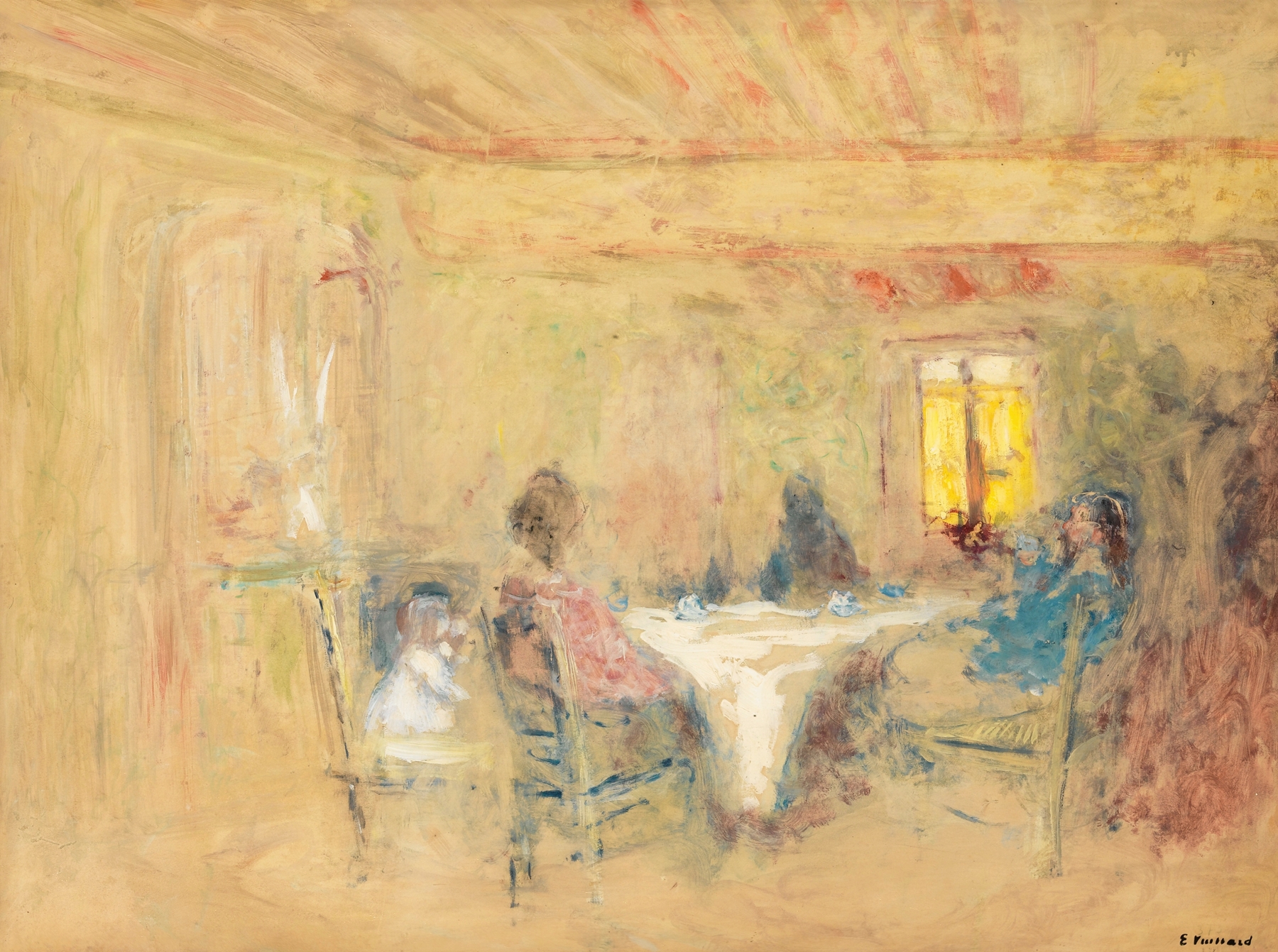
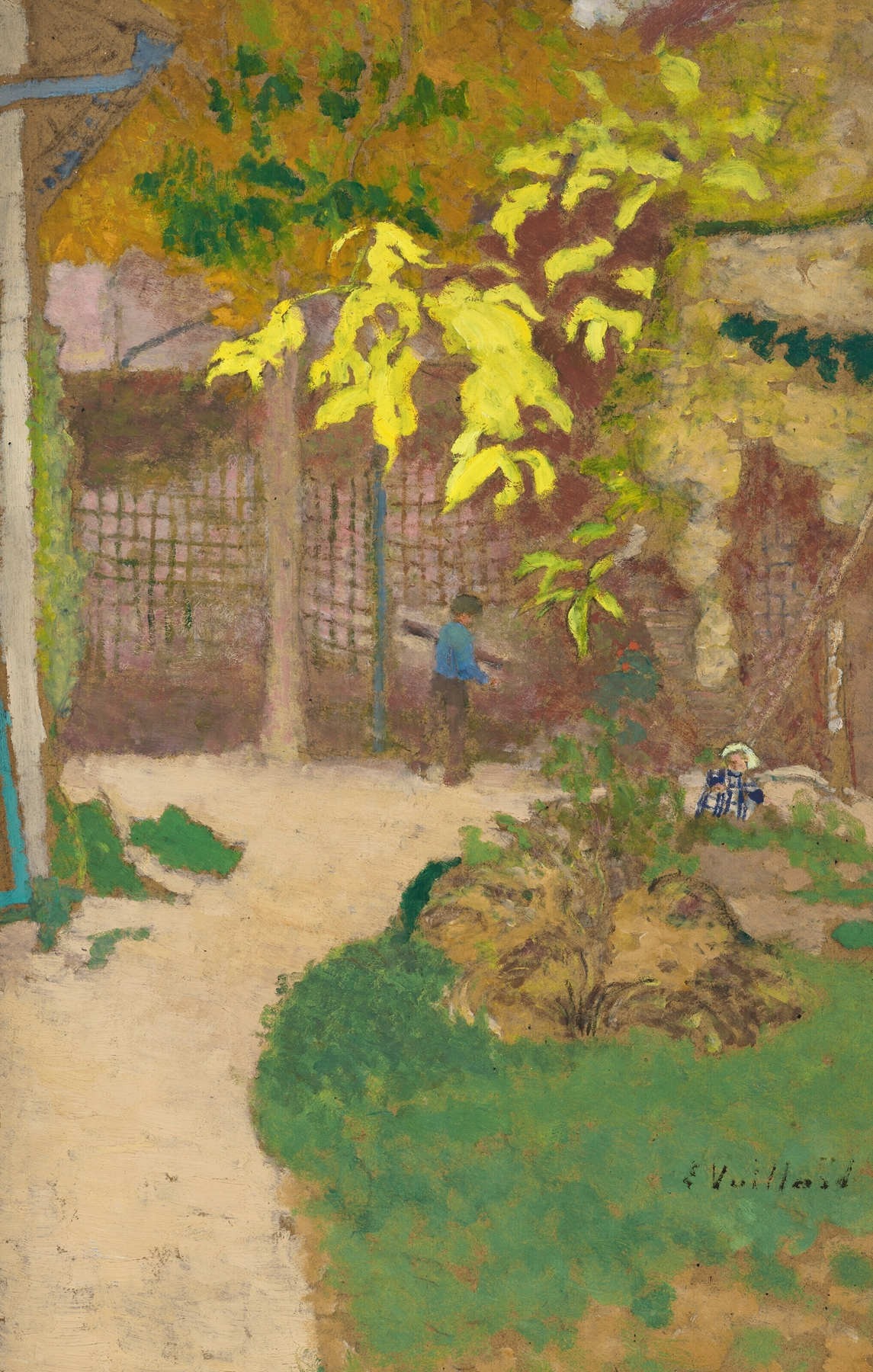
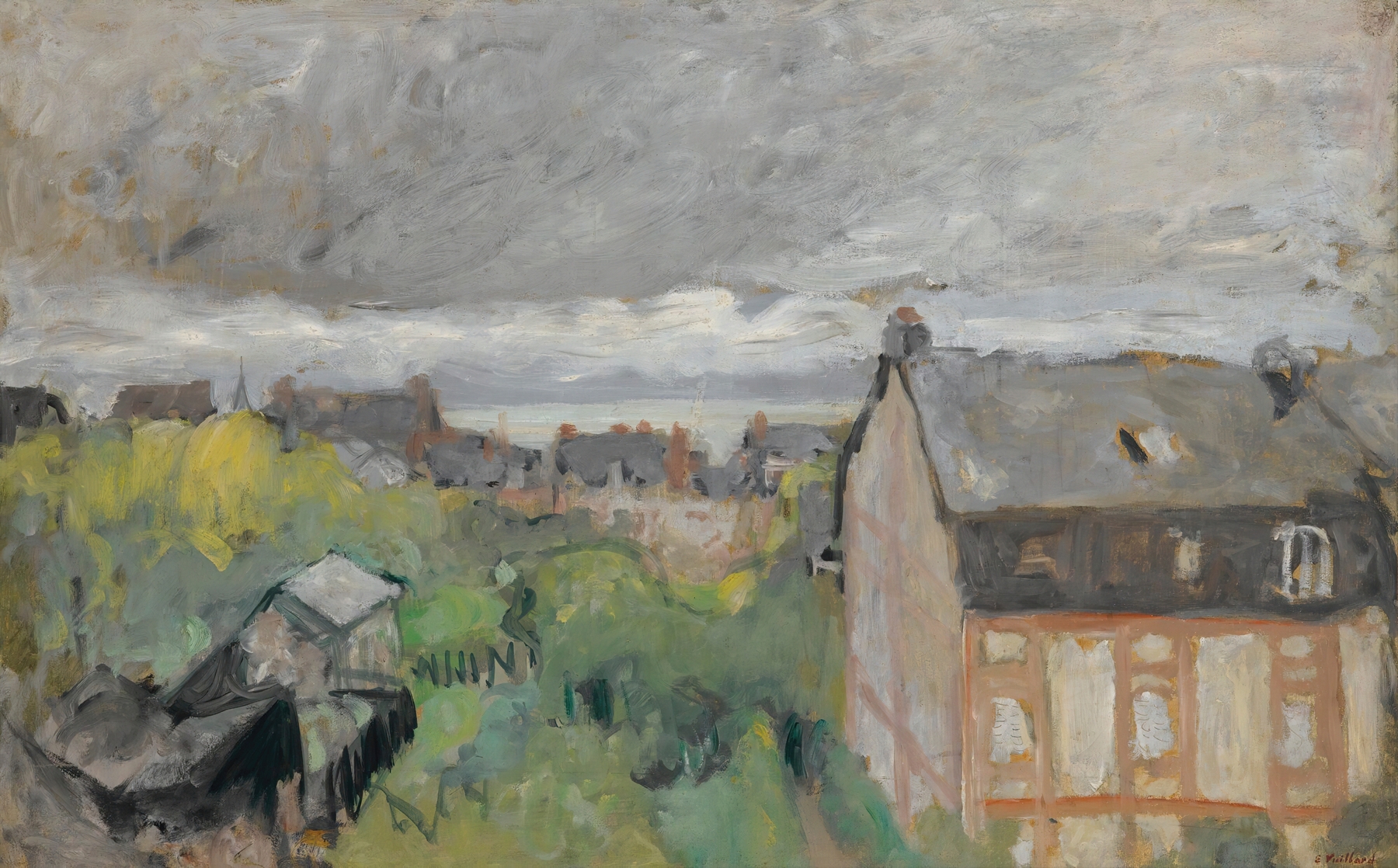
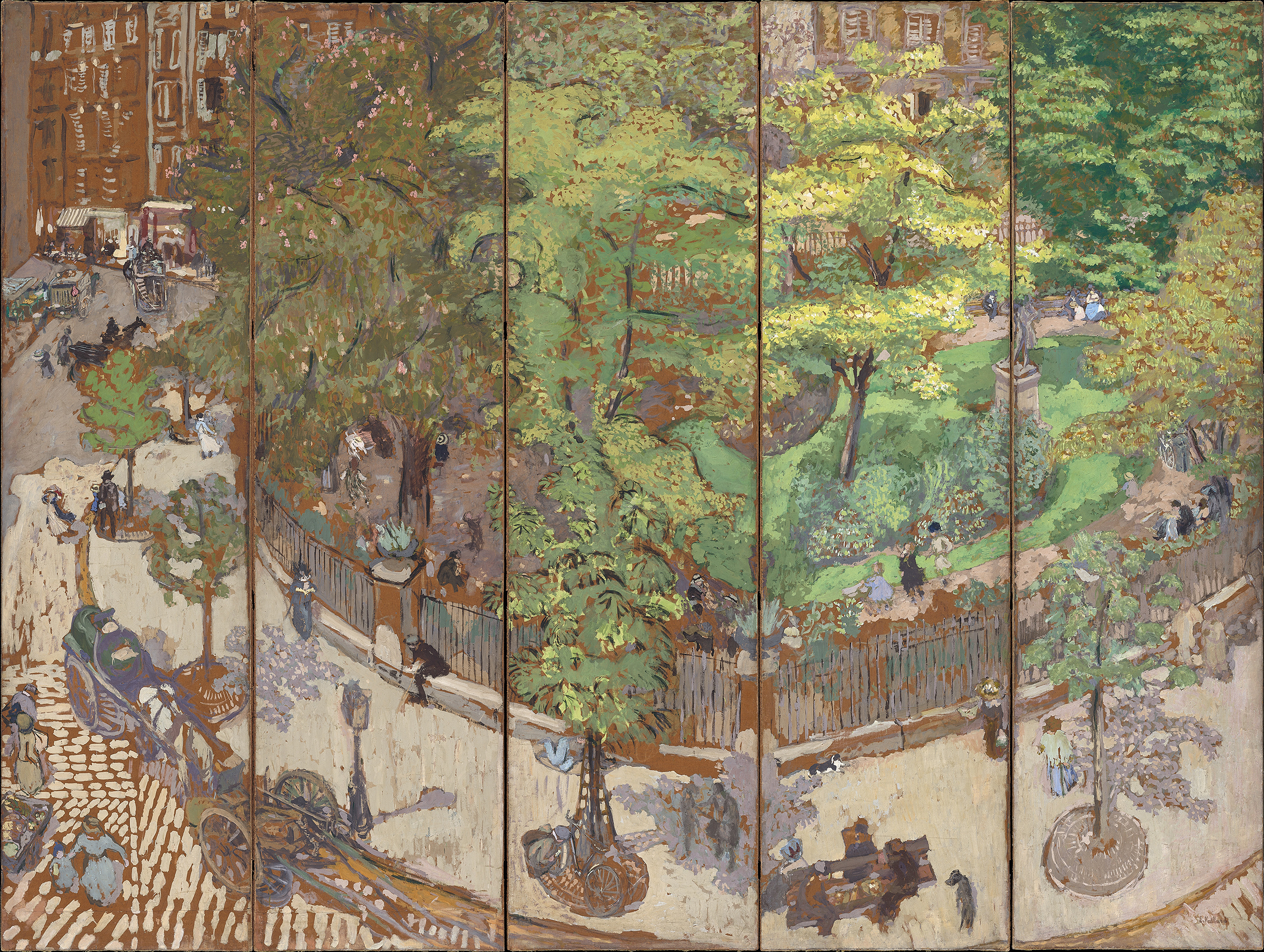
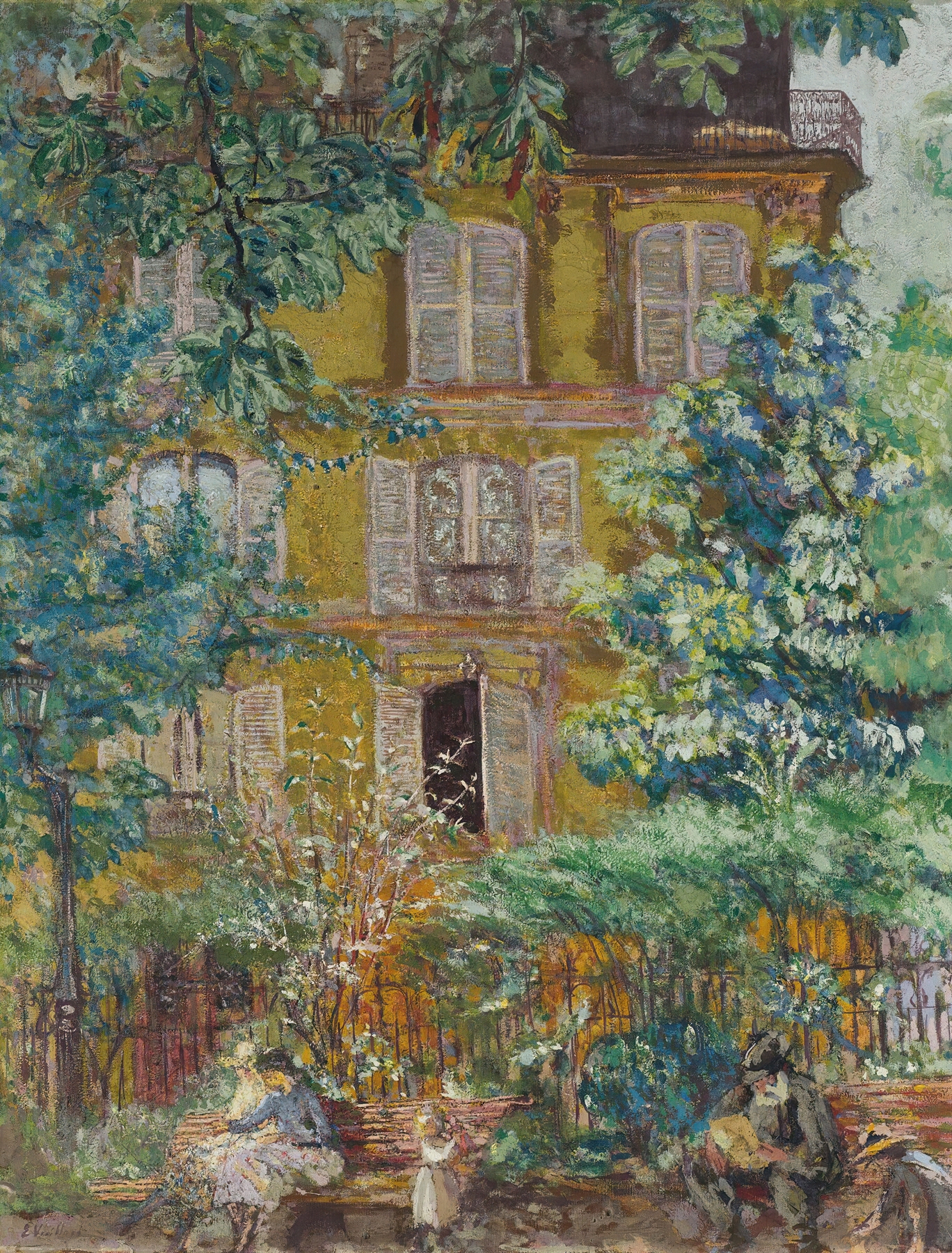
“Every brushstroke is a heartbeat remembered.” In the stillness of a sunlit square, where time seems to pause, silence wraps around the viewer with a gentle insistence. It speaks of the moments we overlook—the way the light dances subtly across soft surfaces, how shadows linger with a quiet grace. Look to the center of the canvas, where vibrant yet muted hues coalesce into a serene portrayal of everyday life. The contrasting colors—rich greens and warm ochres—draw the eye into an intimate embrace with the scene. Notice how the composition is layered, with figures weaving in and out of focus, their forms softened as if memory itself has taken precedence over reality.
The brushwork, delicate and deliberate, captures not just the subject but the atmosphere, inviting you to linger in its calm. Here, the tension between presence and absence unfolds. The figures, while connected through proximity, embody a profound solitude; they each seem lost in thought, echoing the quietude of the surrounding space. This evokes a sense of nostalgia—perhaps for moments shared with loved ones or the fleeting nature of time itself.
The encapsulated silence within the square resonates, reminding us of the beauty found in stillness and the unspoken stories that inhabit our daily lives. During the period of 1917-18, the artist was immersed in the Post-Impressionist movement while living in France, a time marked by political strife and the aftermath of war. Vuillard sought refuge in intimate interiors and serene outdoor settings, reflecting his personal desire for tranquility amidst turmoil. This painting captures not only a glimpse into his artistic vision but also a yearning for peace during a complex era in history.