La revanche des paysans — History & Analysis
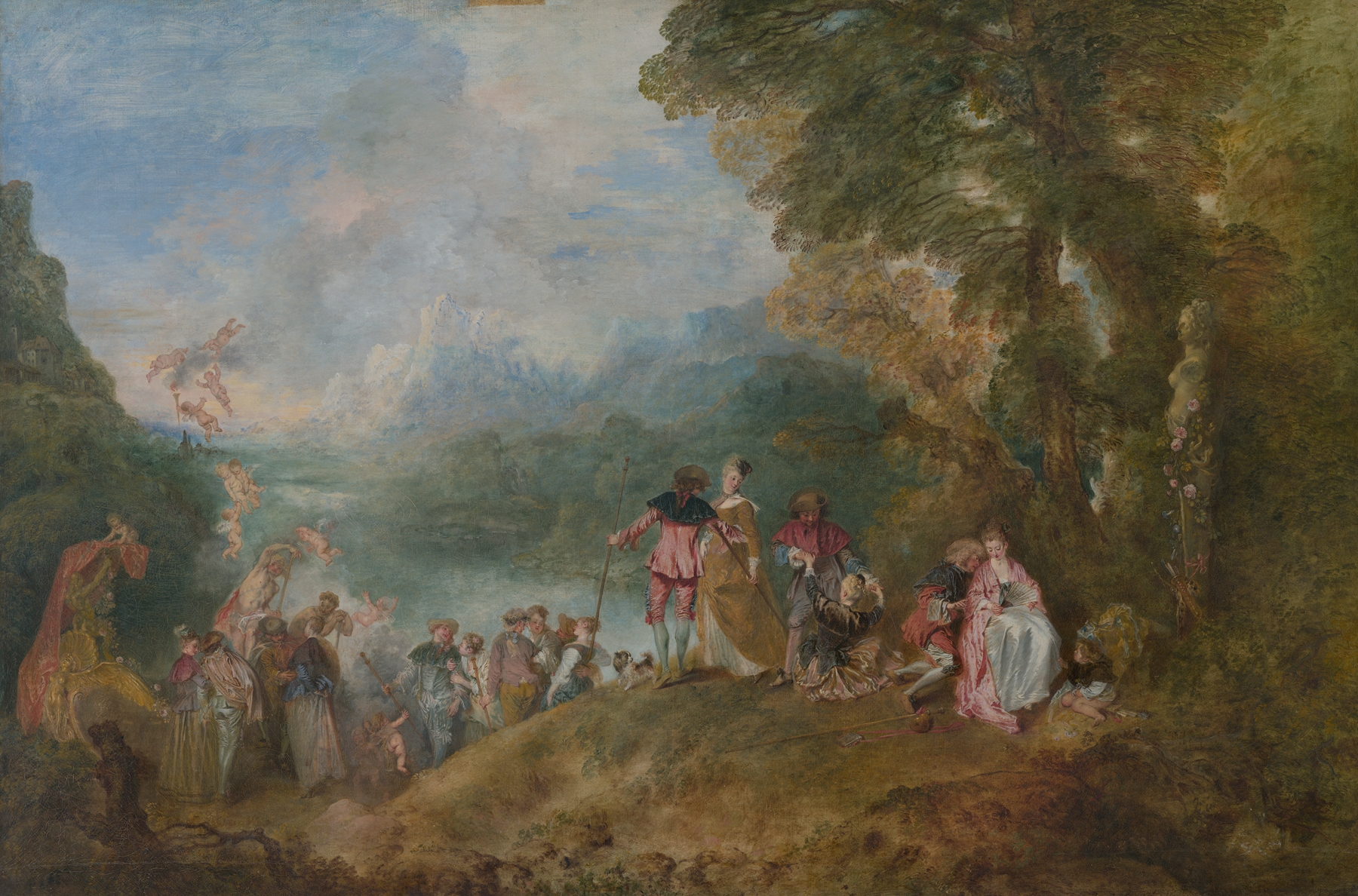
Can paint confess what words never could? In La revanche des paysans, the artist invites us into a realm where silence speaks louder than the chaos of life. Look closely at the rich tapestry of figures spread across the canvas. To the left, note the huddled group, their expressions a mixture of defiance and hope, while the central figure, a farmer with raised arms, commands attention. The warm earth tones envelop them, contrasting sharply with the cool, distant figures in the background, rendered in muted shades.
This play of color creates a sense of depth and tension, drawing the viewer into the emotional heart of the scene. The juxtaposition of the jubilant farmer against the subdued onlookers hints at a deeper narrative. It suggests a struggle not just for survival but for dignity in the face of oppression. The void of silence surrounding this moment amplifies the unspoken fears and desires of the figures, reflecting a universal longing for justice and recognition.
Each brushstroke captures the weight of their plight, transforming a moment of celebration into a poignant commentary on social dynamics. Watteau painted this work during a time when the early 18th century was shifting towards the Rococo style, marked by its elegance yet often criticized for its frivolity. Living in France, he witnessed the complexities of society amid the tension leading to future upheavals. This period of introspection and emotional depth in his art speaks to both his personal experiences and the wider landscape of artistic evolution during his time.