Portrait of a Woman — History & Analysis
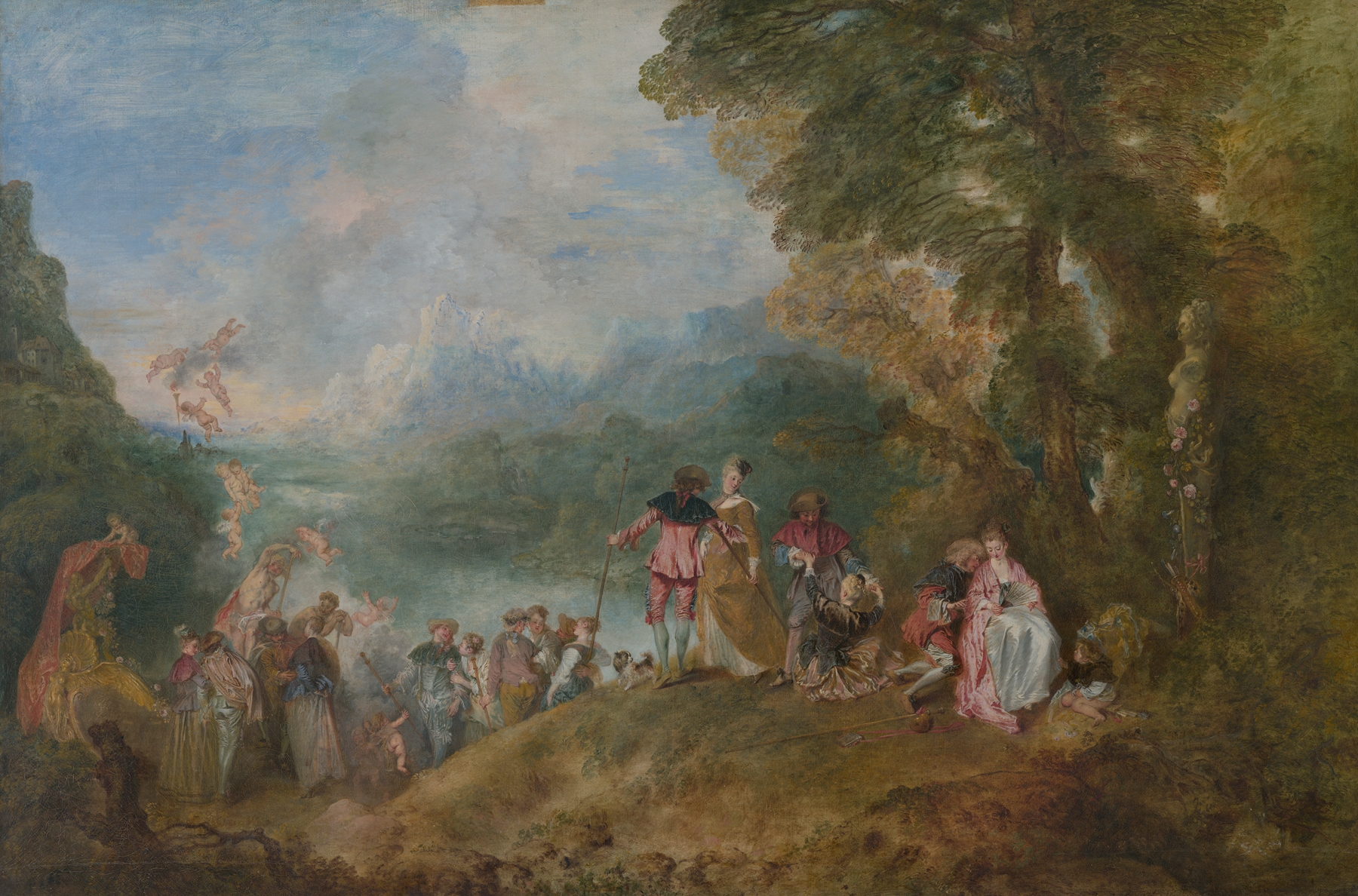
“Every brushstroke is a heartbeat remembered.” In Portrait of a Woman, the quietude of the canvas echoes the whispers of a world on the brink of transformation. Here, an elegant figure stands poised, encapsulating the tension of an era that yearned for change yet clung to the past. Focus on the soft contours of her face, where delicate brushstrokes convey a mixture of grace and melancholy. Look to the subtle play of light across her silk gown, illuminating the intricate details that hint at her social status.
The muted palette, rich with whispers of pastels, creates an ethereal glow that wraps around her, while her gaze invites us into an intimate dialogue, bridging the gap between viewer and subject. Yet, beneath the surface lies a complex interplay of emotions. The woman's serene expression contrasts with the unrest brewing outside the frame, suggesting a tension between the tranquility of her existence and the revolution looming just beyond the horizon. Each flourish of paint captures not only beauty but also the fragility of a moment before change, where elegance and uncertainty coalesce in a singular breath.
Created in the late 18th to early 19th century, this work emerged during a period of significant upheaval in France. Watteau, known for his ability to blend the ideal with the real, painted at a time when the art world was shifting towards the Rococo style, reflecting both joy and introspection. These years marked a transition not only in artistic expression but also in society, as the seeds of revolution began to sprout, challenging the very foundations of the world he portrayed.