La Roseraie à Giverny (Maison de Monet) — History & Analysis
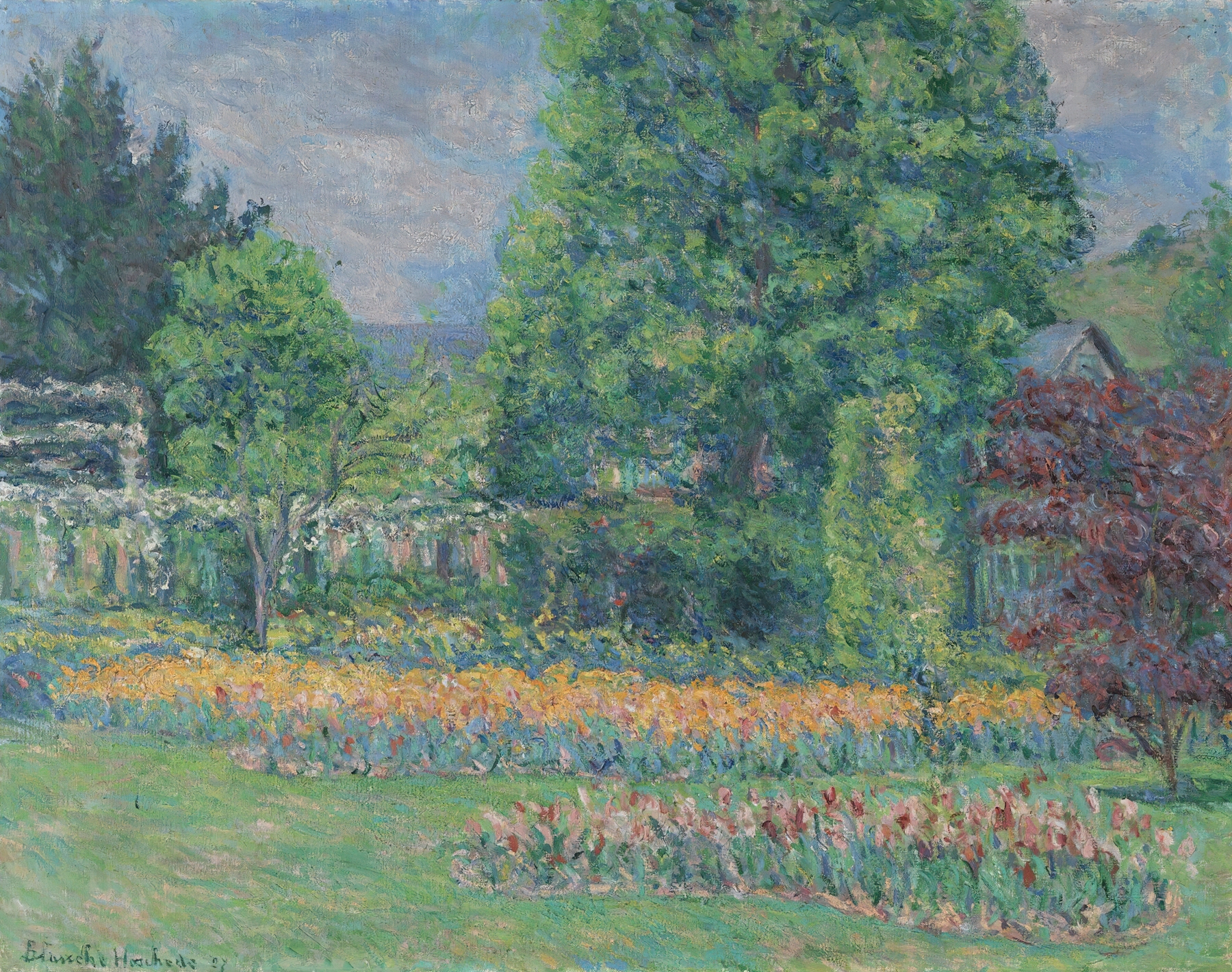
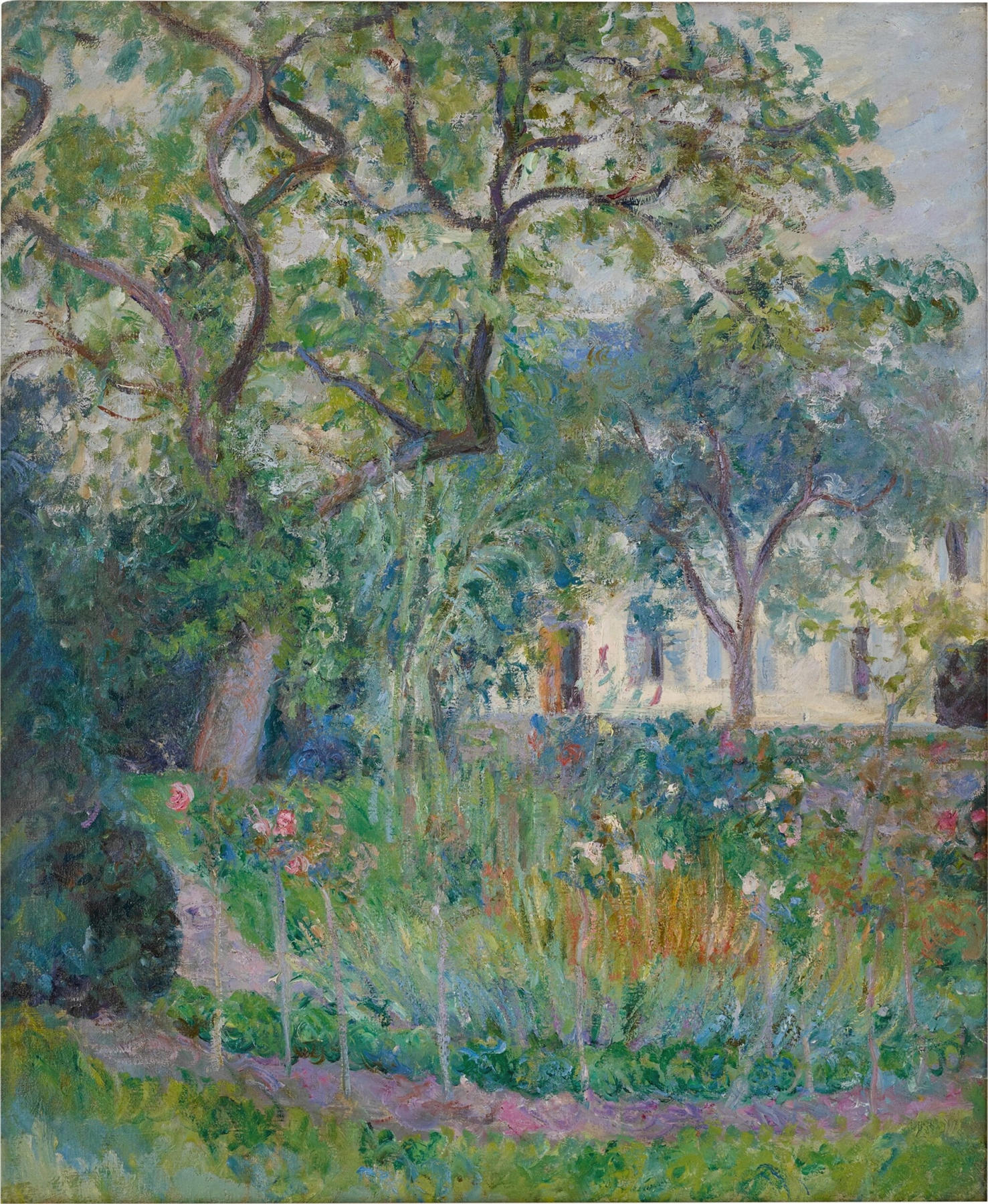
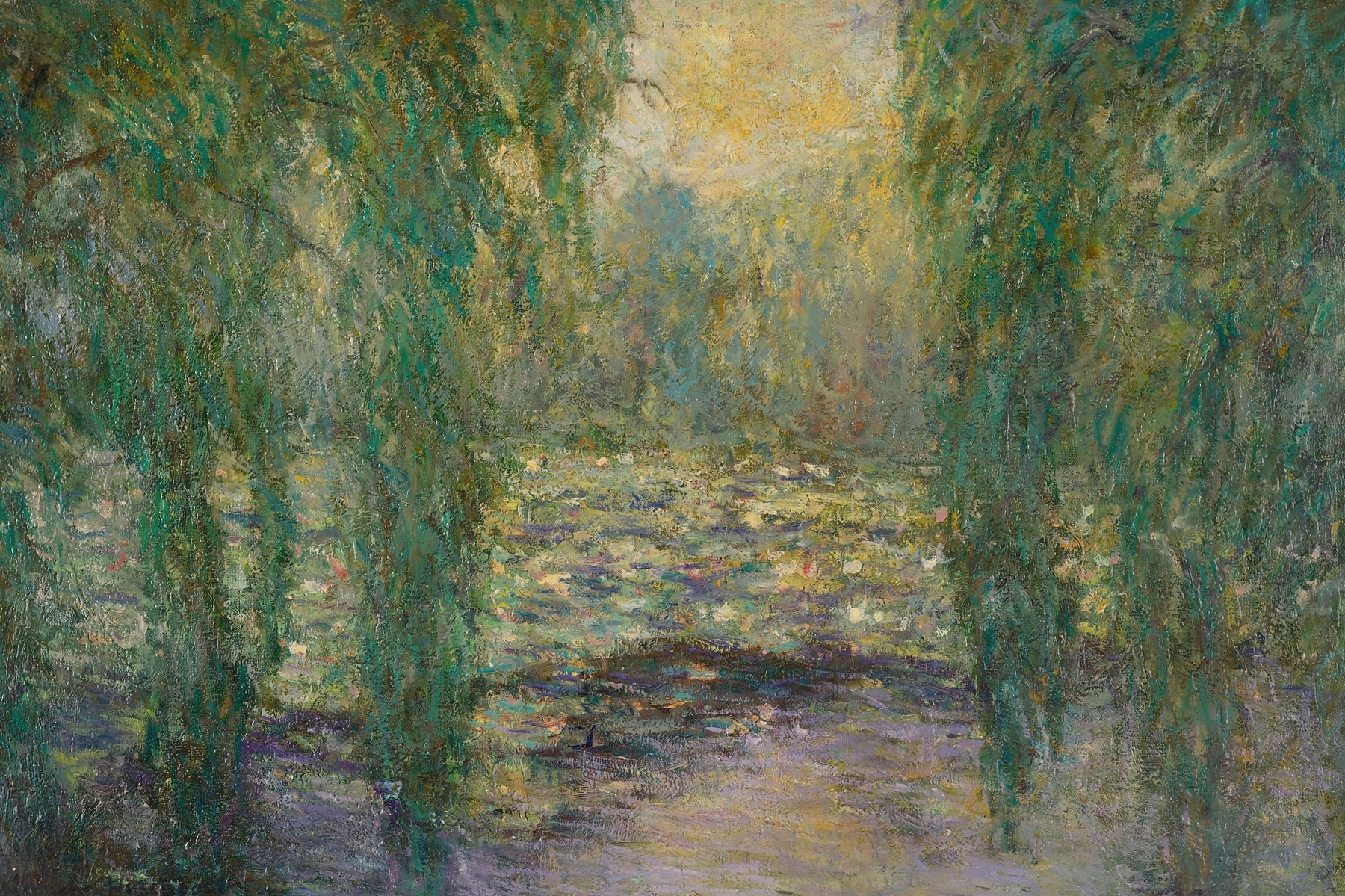
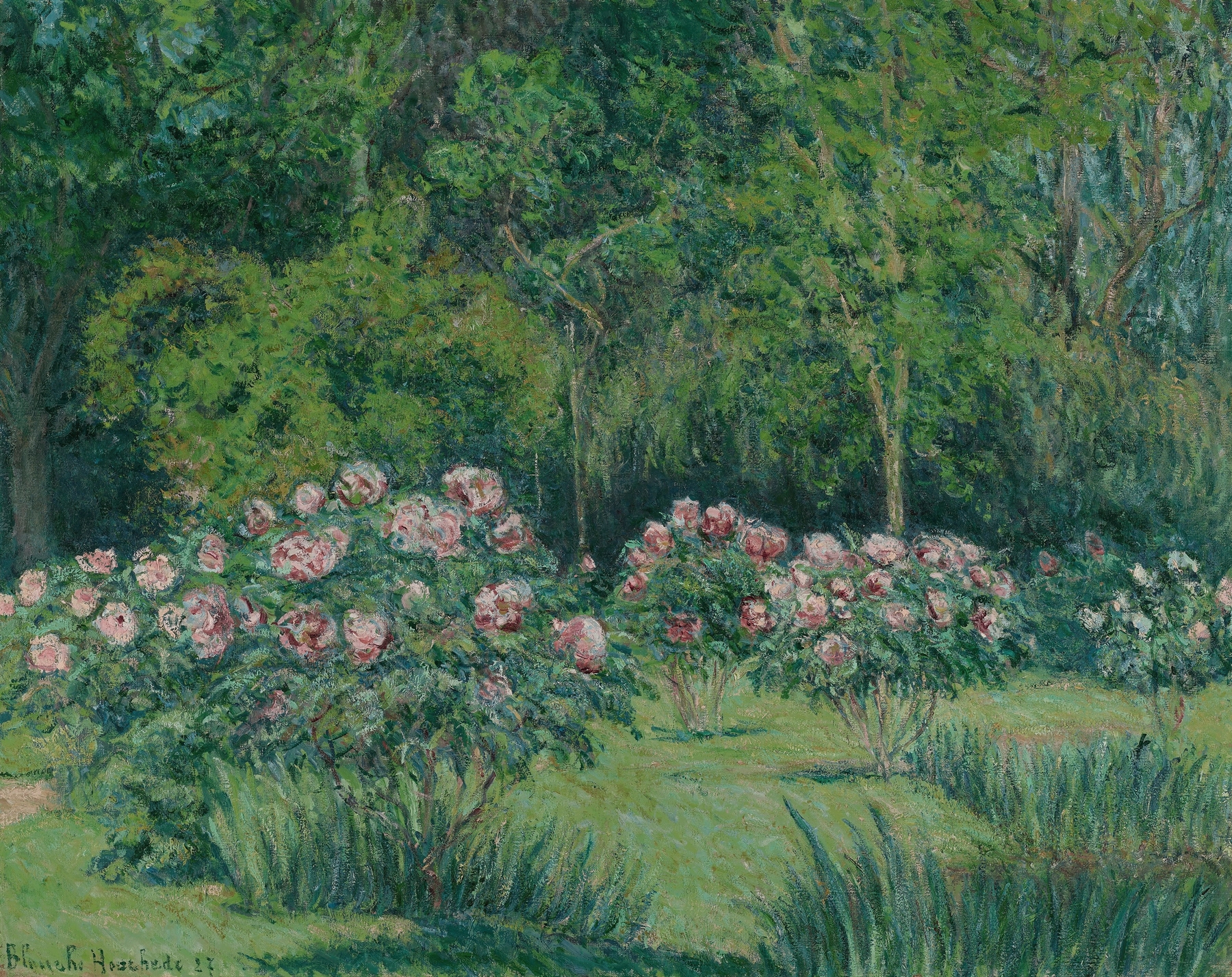
Did the painter know this moment would outlive them? In a world of fleeting beauty, the tranquility captured in the garden at Giverny speaks to the eternal nature of art and love. Look to the left, where the vibrant blooms of roses burst forth, their crimson and blush hues harmonizing with the lush greens surrounding them. The delicate brushwork gives each petal a whisper of life, as if they sway gently in an unseen breeze. Notice how the artist employs light; dappled sunlight dances across the scene, illuminating the flowers while casting gentle shadows that add depth and dimension.
The composition invites the viewer to step into the garden, creating an intimate connection between the viewer and nature. Within this serene landscape lies a poignant contrast — the vibrant life of the roses juxtaposed against the stillness of the garden path. This moment emerges from a blend of personal emotions and broader themes of transience and continuity. The carefully arranged blooms echo the love and dedication that Monet imparted to his own gardens.
In capturing this intimate portrayal, the artist invites us to reflect on the cyclical nature of beauty and life, revealing an underlying tension between momentary joy and the weight of time. In 1929, Blanche Hoschedé-Monet painted this work in the gardens of her father, Claude Monet, in Giverny, France. At this time, she was immersed in an environment rich with artistic heritage, deeply influenced by her father’s impressionistic legacy. The world of art was evolving, yet the gardens remained a constant source of inspiration and solace for the artist, as they had for Monet, fostering a familial bond that transcended the canvas.