La route aux environs de Méréville — History & Analysis
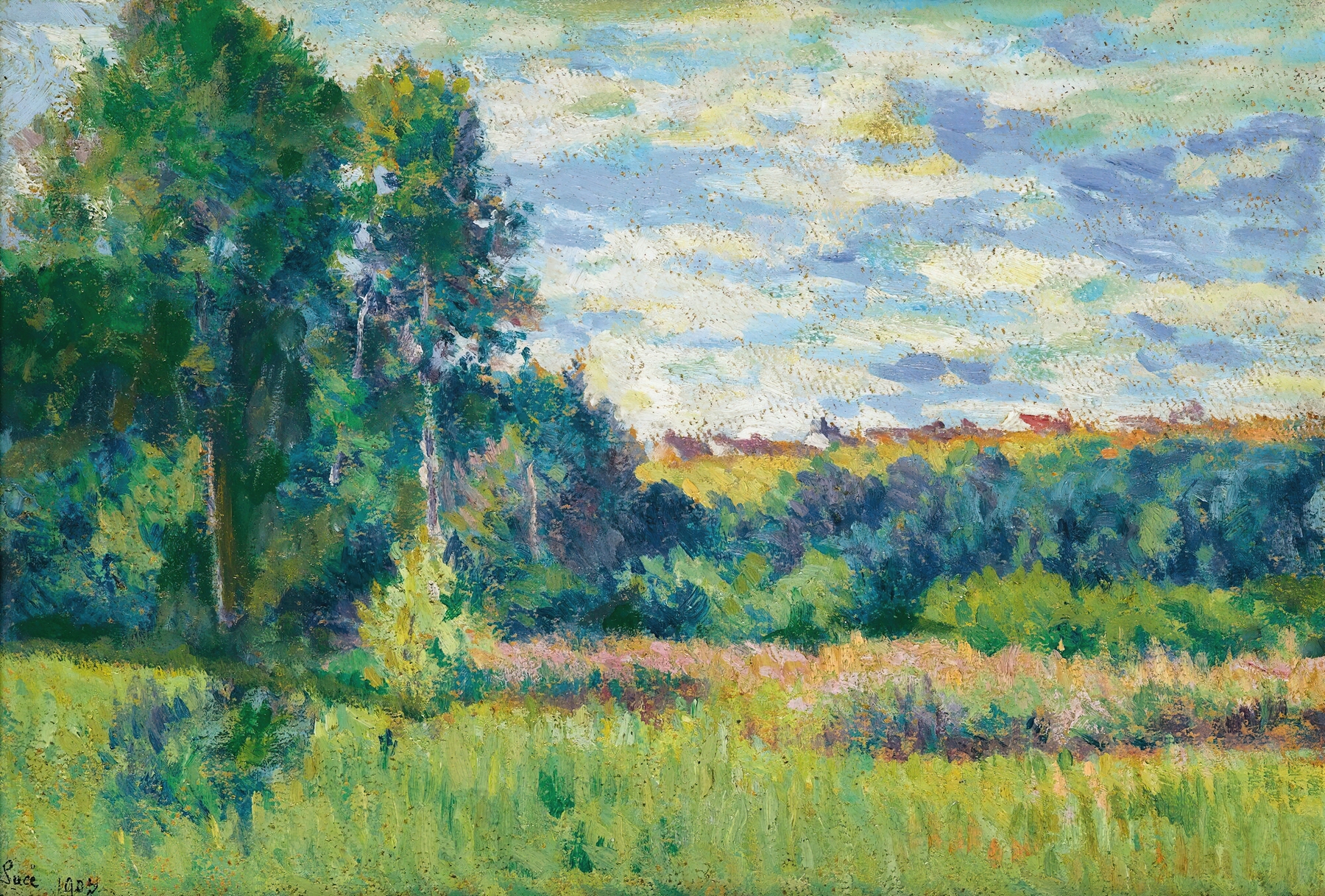
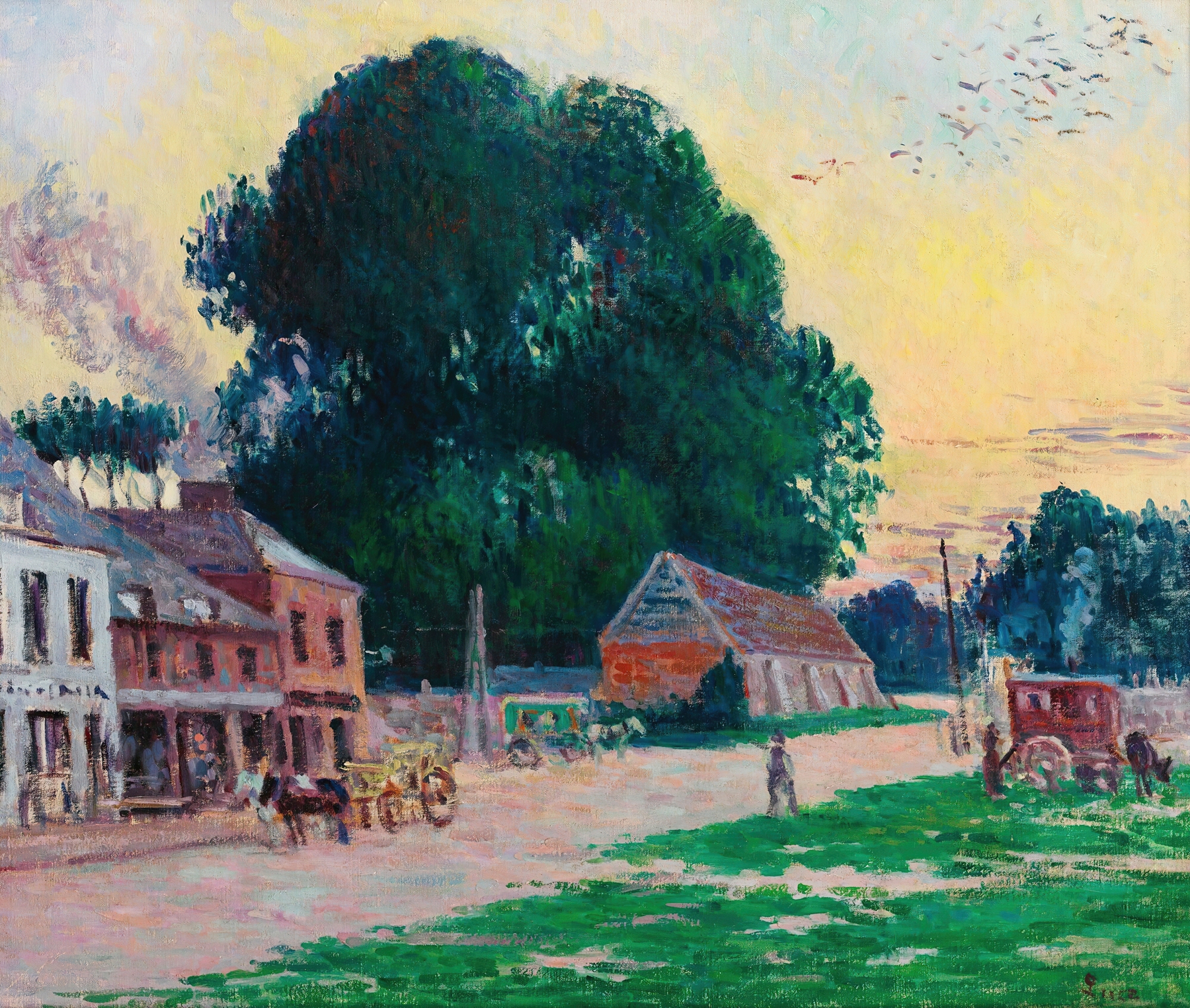
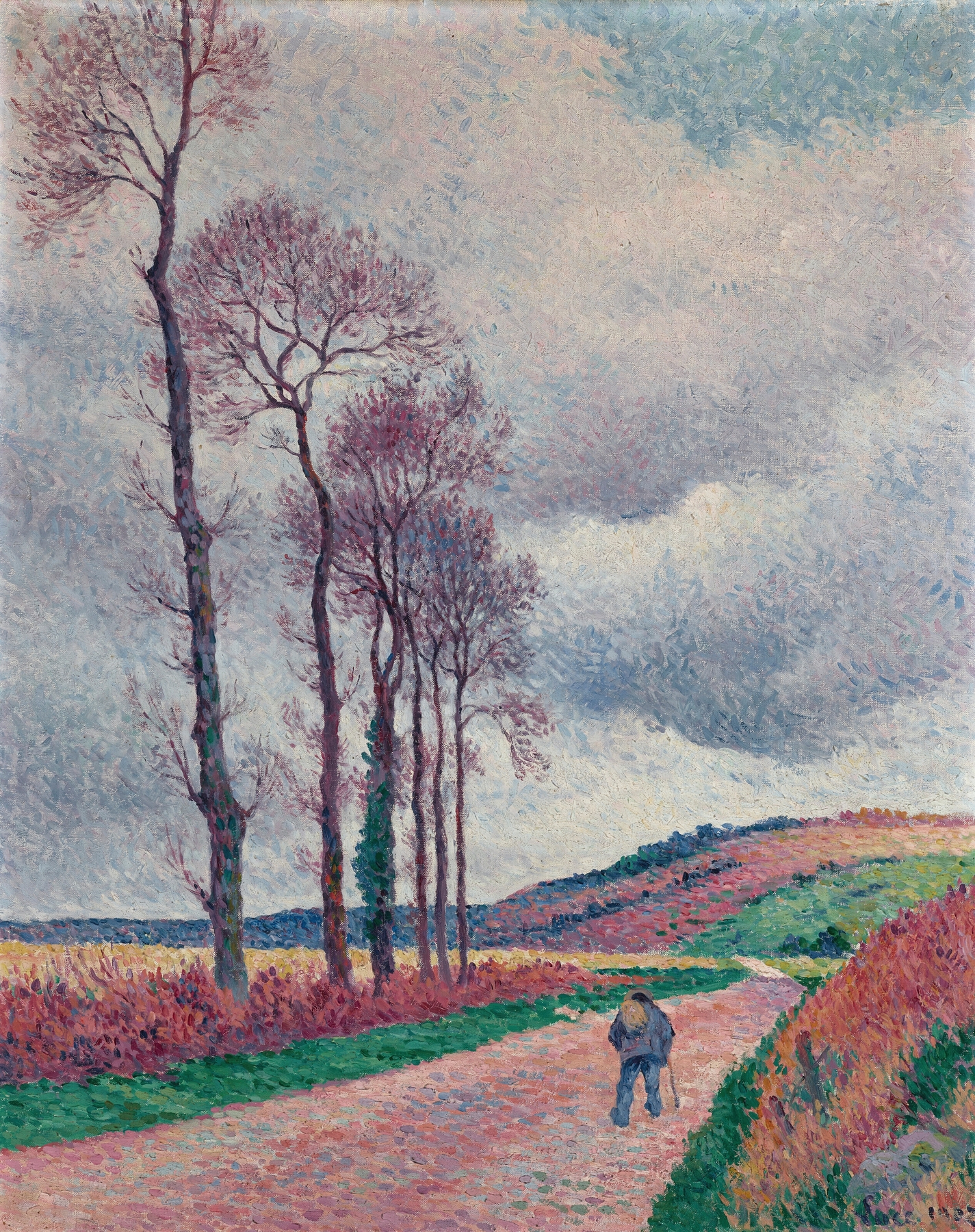
“Every silence here is a confession.” In *La route aux environs de Méréville*, the stillness of nature transforms into a profound moment of revelation, inviting viewers to delve into the unspoken stories hidden within the landscape. Focus on the gentle curve of the winding road, leading the eye toward the horizon. Notice how the dappled light filters through the trees, casting intricate shadows that dance across the path. The vibrant hues of green and earthy browns pulse with life, while the sky above is an expanse of soft blues and whites. Each brushstroke reveals the artist's meticulous attention to detail, creating a composition that breathes with the essence of tranquility. Yet, amidst this serene beauty lies an emotional tension—the contrast between the vibrant life of the landscape and the isolation of the path. The road seems both inviting and lonely, suggesting a journey untraveled. The juxtaposition of light and shadow evokes a sense of introspection, as if the scene holds secrets waiting to be uncovered. Each element serves as a testament to the duality of nature: it is at once a sanctuary and a reminder of solitude. In 1902, Maximilien Luce painted this piece during a period marked by artistic experimentation and the rise of Neo-Impressionism. Living in Paris, he was deeply influenced by the divisionist technique of pointillism, yet he sought more expressive forms that resonated with his emotional landscape. This work emerged from a time when artists were beginning to explore new ways of capturing light and emotion, reflecting the evolving dynamics of the art world and his personal journey.