Le Quai Montebello Et La Colline Sainte-Geneviève — History & Analysis
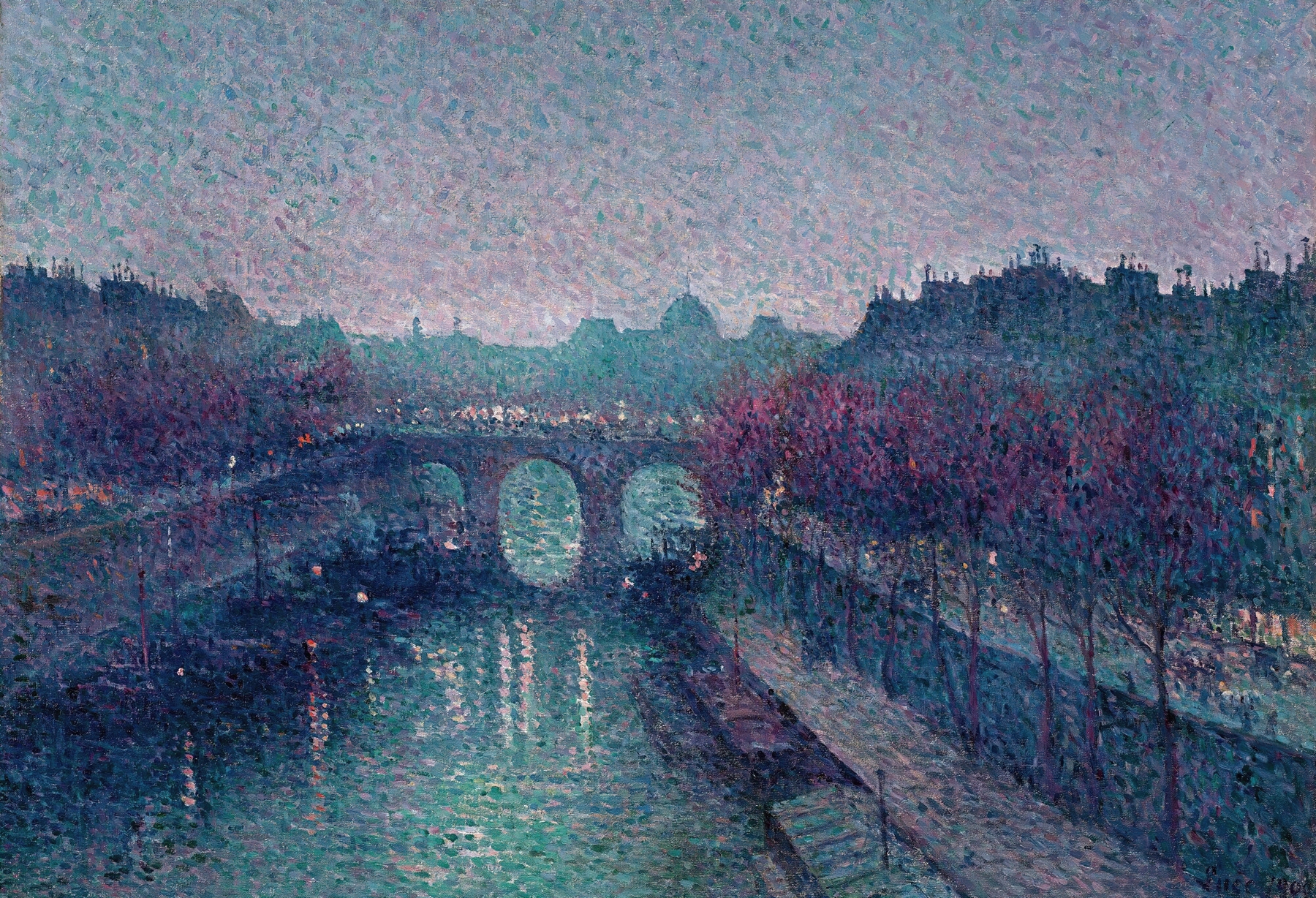
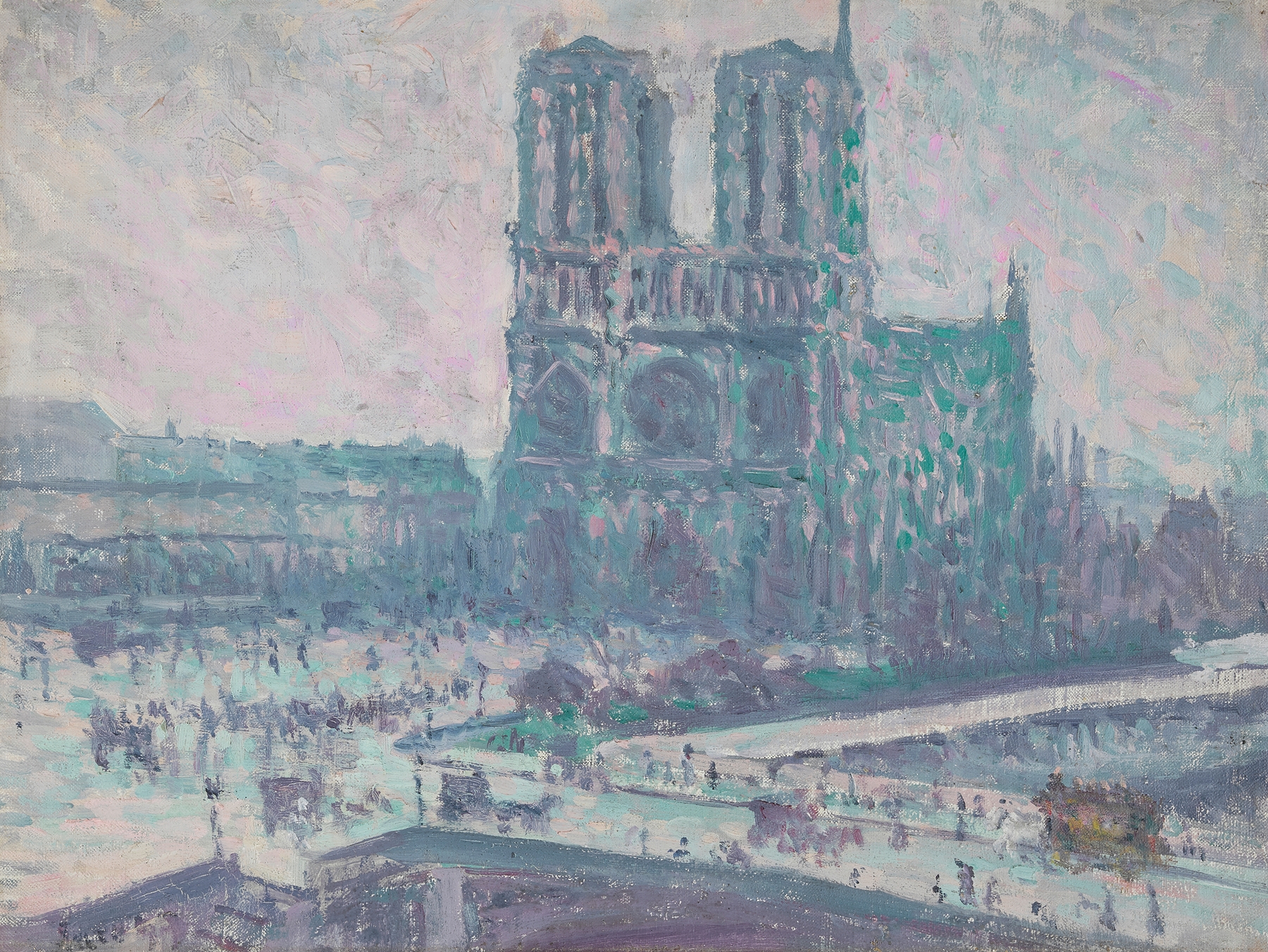
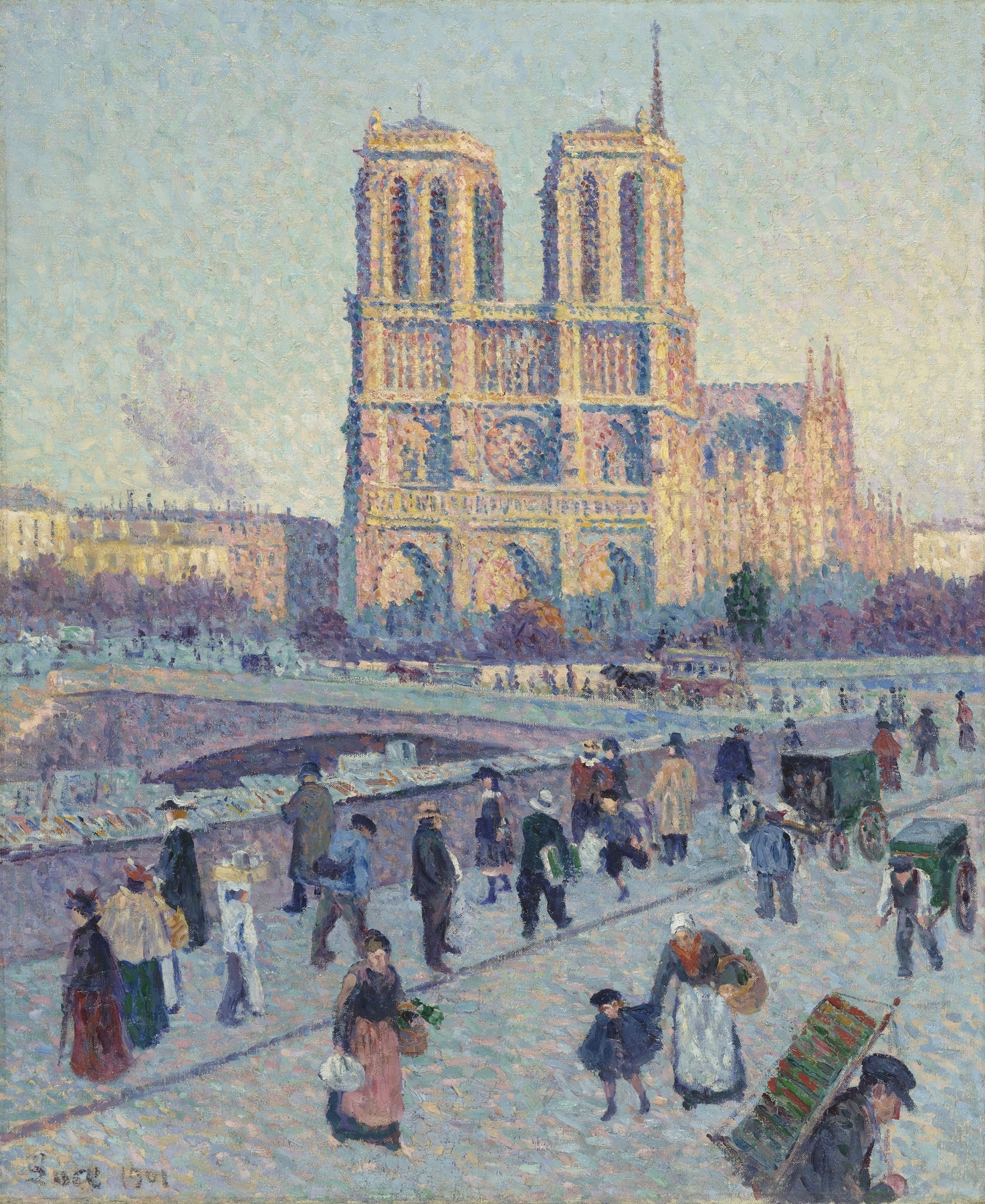
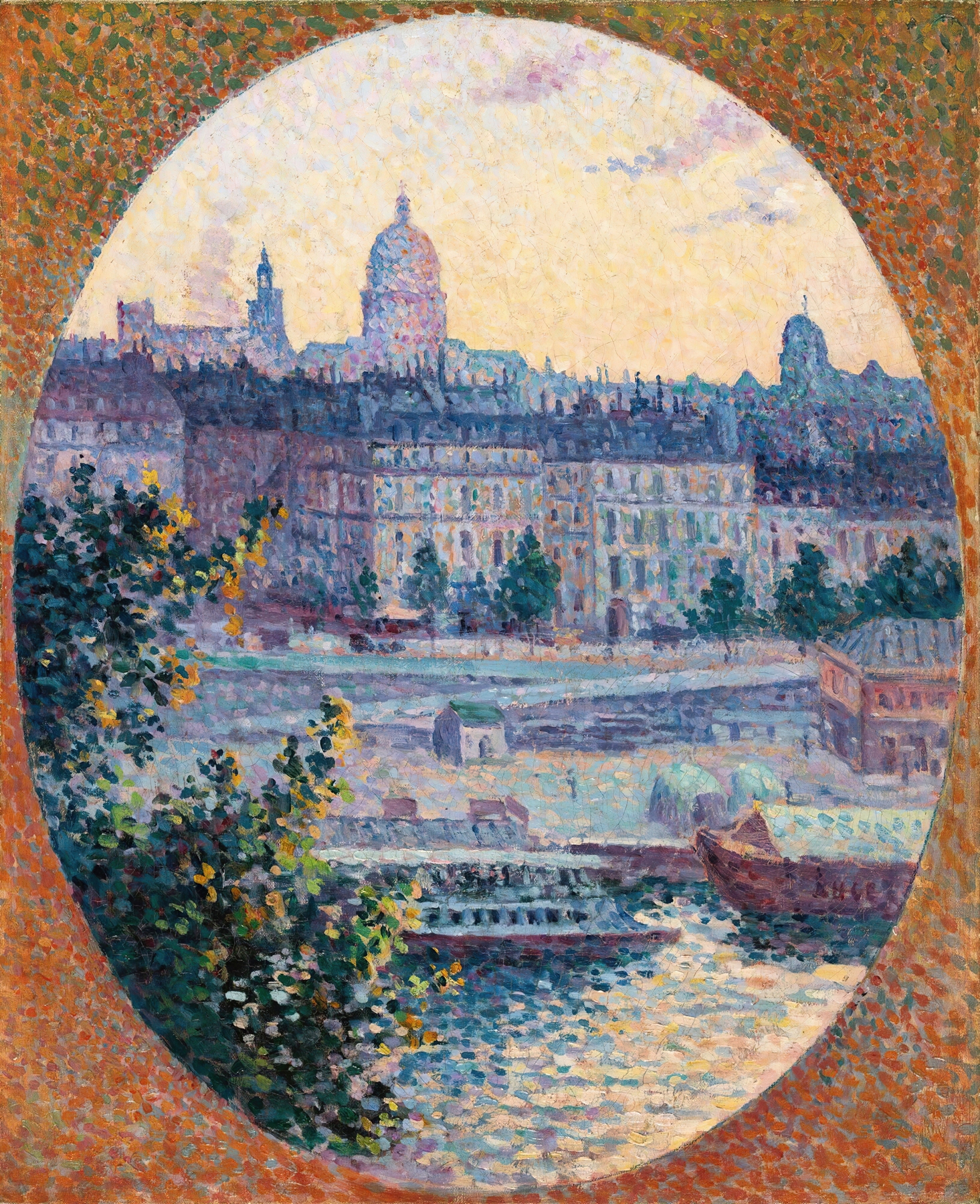
When did color learn to lie? This question lingers over a canvas that pulsates with life, where hues collide and dance in a vibrant celebration of rebirth. The vivid strokes beckon us to investigate the beauty and complexity of existence, inviting introspection and reflection. Look to the left at the playful splashes of emerald green and cobalt blue that represent the trees and sky, intertwined with vibrant dabs of yellow light reflecting off the water. The artist employs a pointillist technique that gives the piece a dynamic quality, inviting the viewer's eye to travel across the landscape. Notice how the boats bob gently on the rippling surface, their forms barely discernible amidst a tapestry of color that suggests both movement and calm. The interplay of light and shadow captures a fleeting moment, where nature and humanity coexist harmoniously. Delve deeper into this juxtaposition, and you’ll uncover a narrative of contrast—a tranquil scene marred by the underlying tumult of the era. The lush landscape might symbolize hope and renewal, yet the angular architecture of the buildings looms as a reminder of the impending industrial age. The tension between nature and urbanization is palpable, echoing a struggle for balance that resonates within the viewer’s heart. In 1901, the artist painted this piece during a time of personal and artistic rebirth. Luce was immersed in the vibrant Parisian art scene, navigating the transition from Impressionism to a more expressive style that hinted at modernism. He sought to capture the essence of life amid changing societal structures, a reflection of his own pursuit of artistic identity in an increasingly complex world.