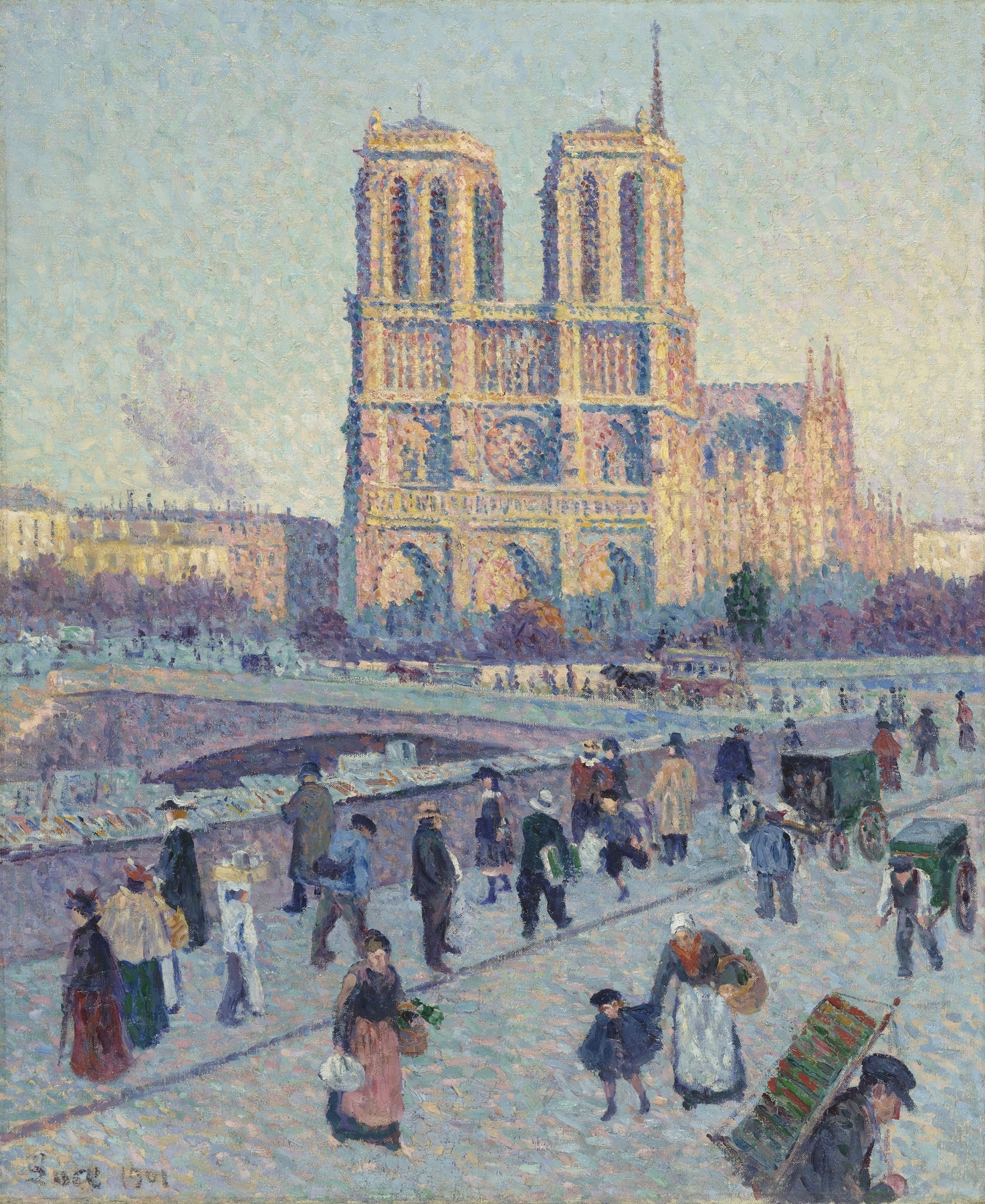
The Quai Saint-Michel and Notre-Dame — History & Analysis
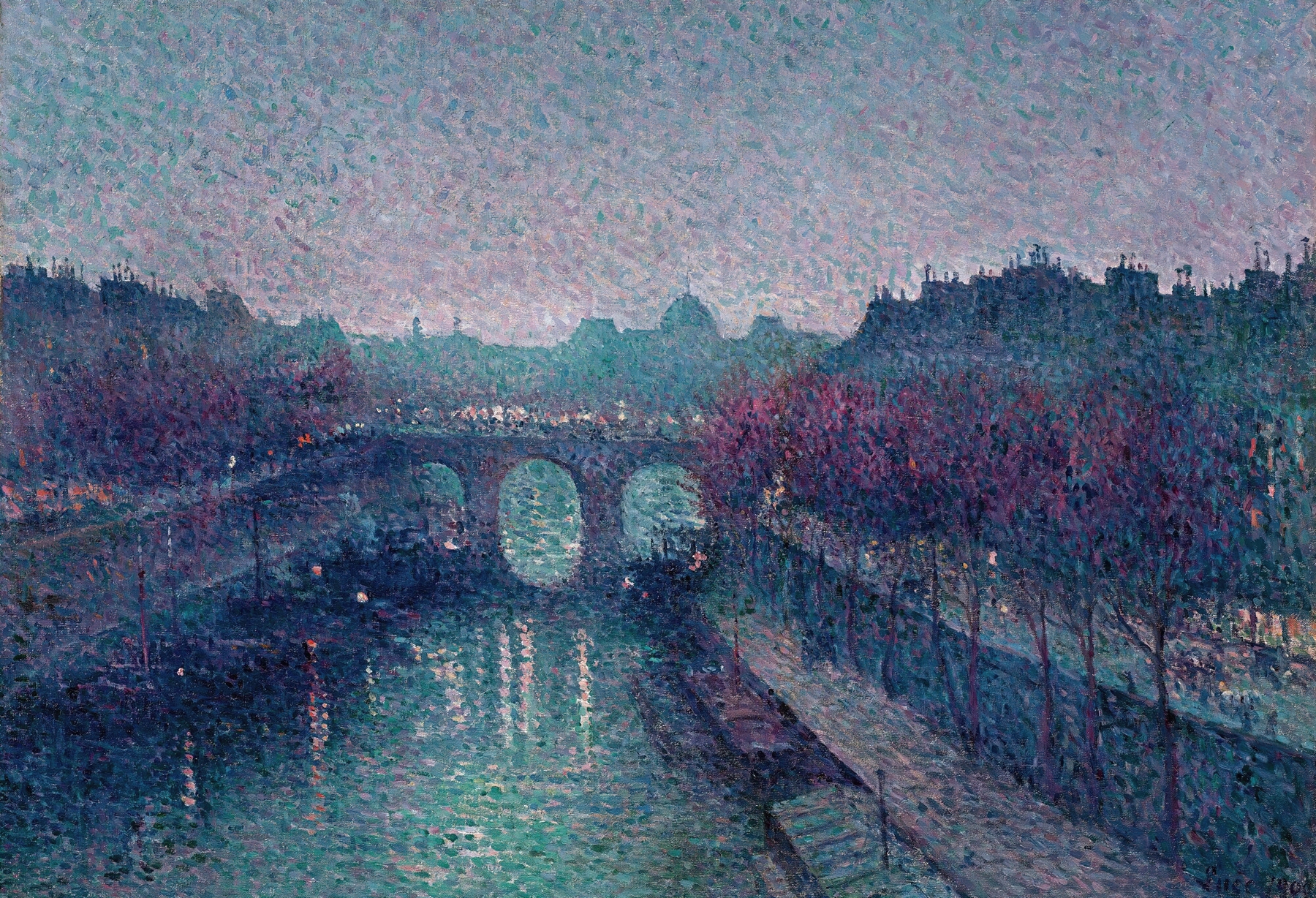
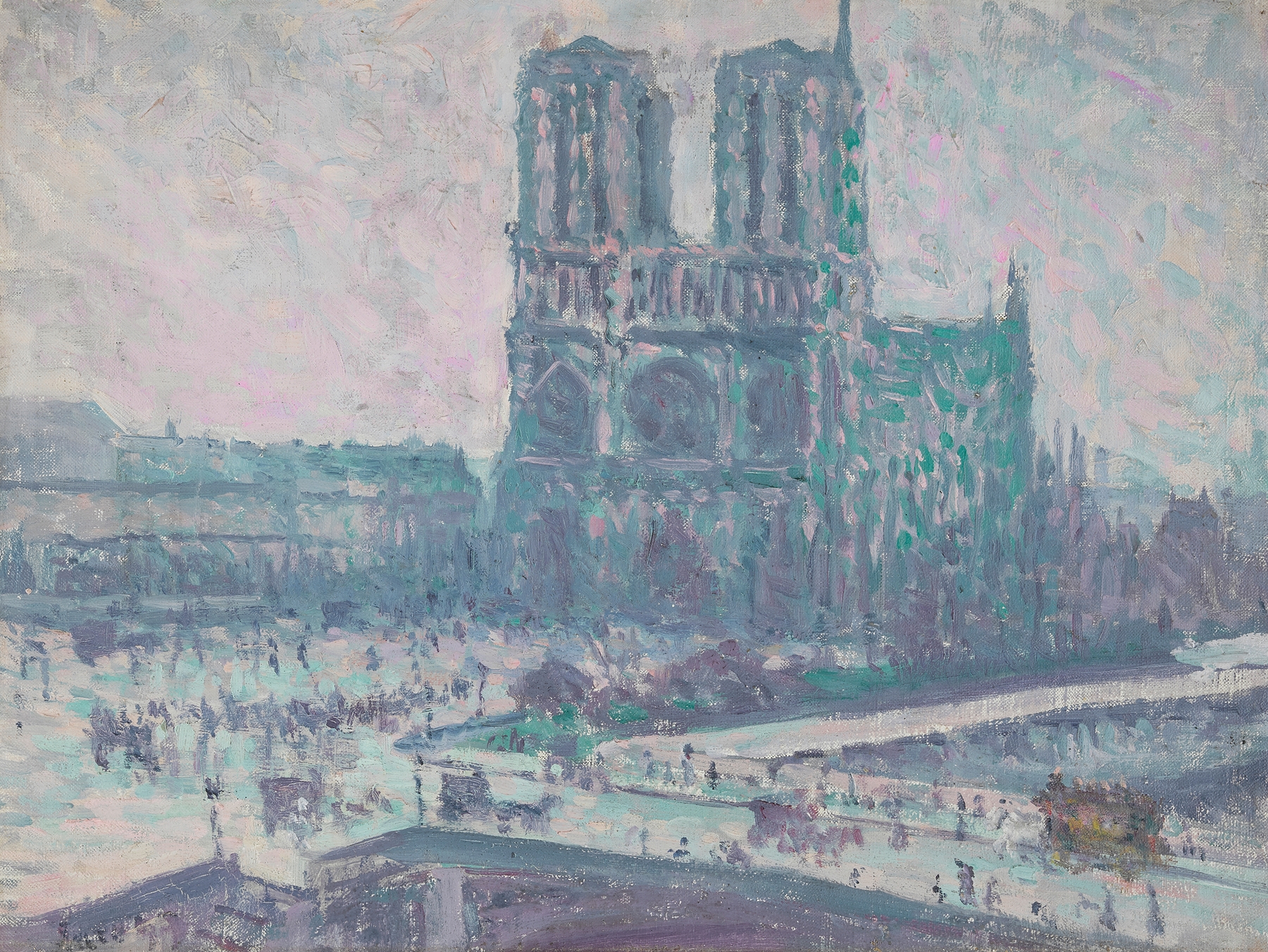
What secret hides in the quiet of the canvas? Each brushstroke whispers the longing of a world caught between the vibrancy of life and the stillness of contemplation. Focus on the foreground, where the silhouettes of passersby meander along the Quai Saint-Michel, their forms dark against the warm glow of the setting sun. Notice how the light dances on the surface of the Seine, casting shimmering reflections that beckon the viewer into the scene. The palette bursts with rich ochres and deep blues, evoking both the charm of Paris and a yearning for connection, a deliberate choice that enhances the emotional landscape. Beneath the surface, the contrasting elements of shadow and illumination tell a story of desire—each figure becomes a manifestation of longing, their movement hinting at journeys both physical and existential. The looming presence of Notre-Dame in the background anchors the scene, a steadfast reminder of history and faith, while the fleeting figures represent the ephemeral nature of human experience. This juxtaposition between the monumental and the transitory creates a tension that resonates deeply within the viewer. Maximilien Luce painted this work during a period marked by significant social and artistic upheaval in France. Active in the late 19th and early 20th centuries, Luce was influenced by the Impressionist movement, yet he carved his own path by embracing Divisionism. This canvas reflects not only his mastery of light and color but also a yearning for the vibrancy of life in an era poised on the brink of modernity.