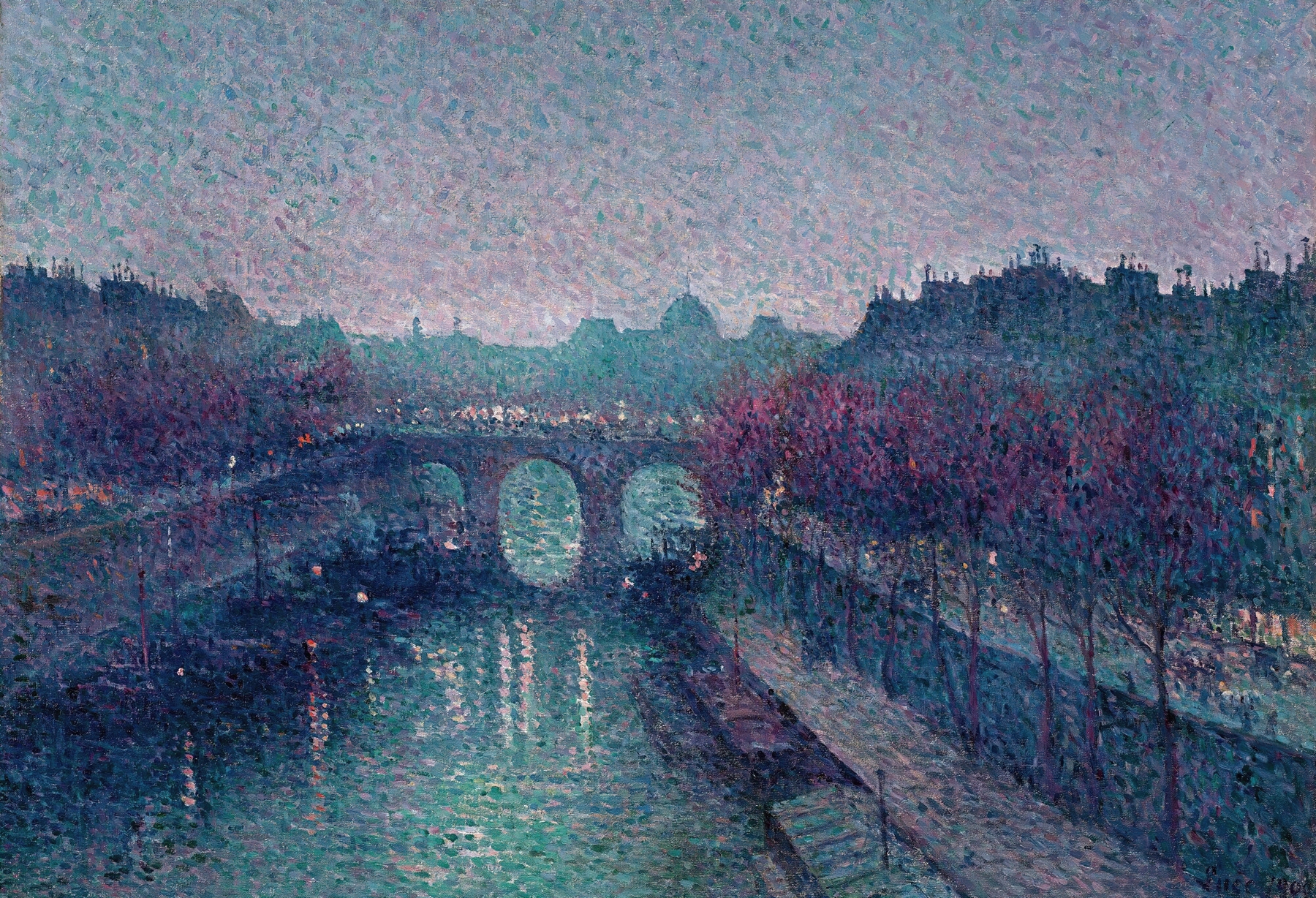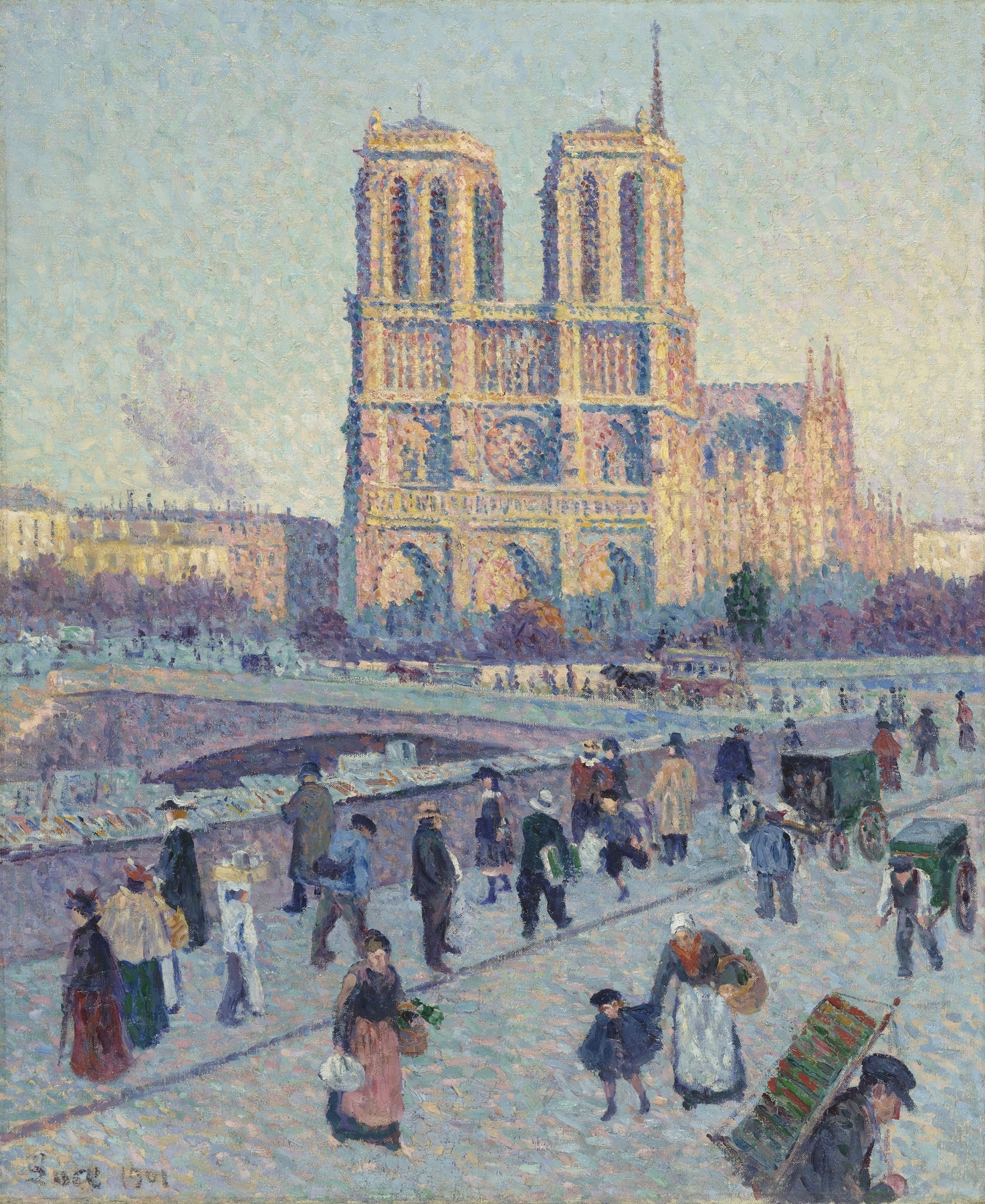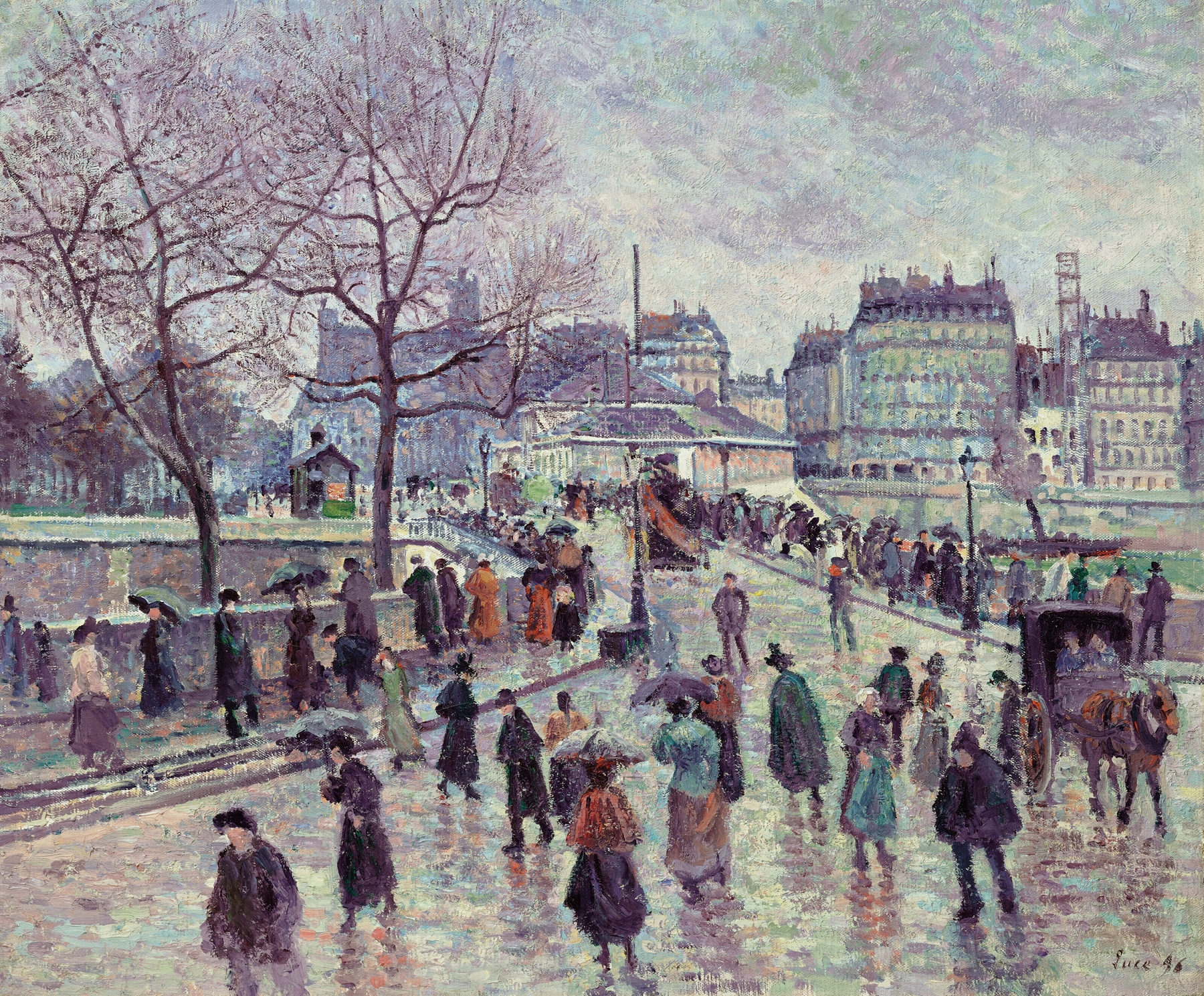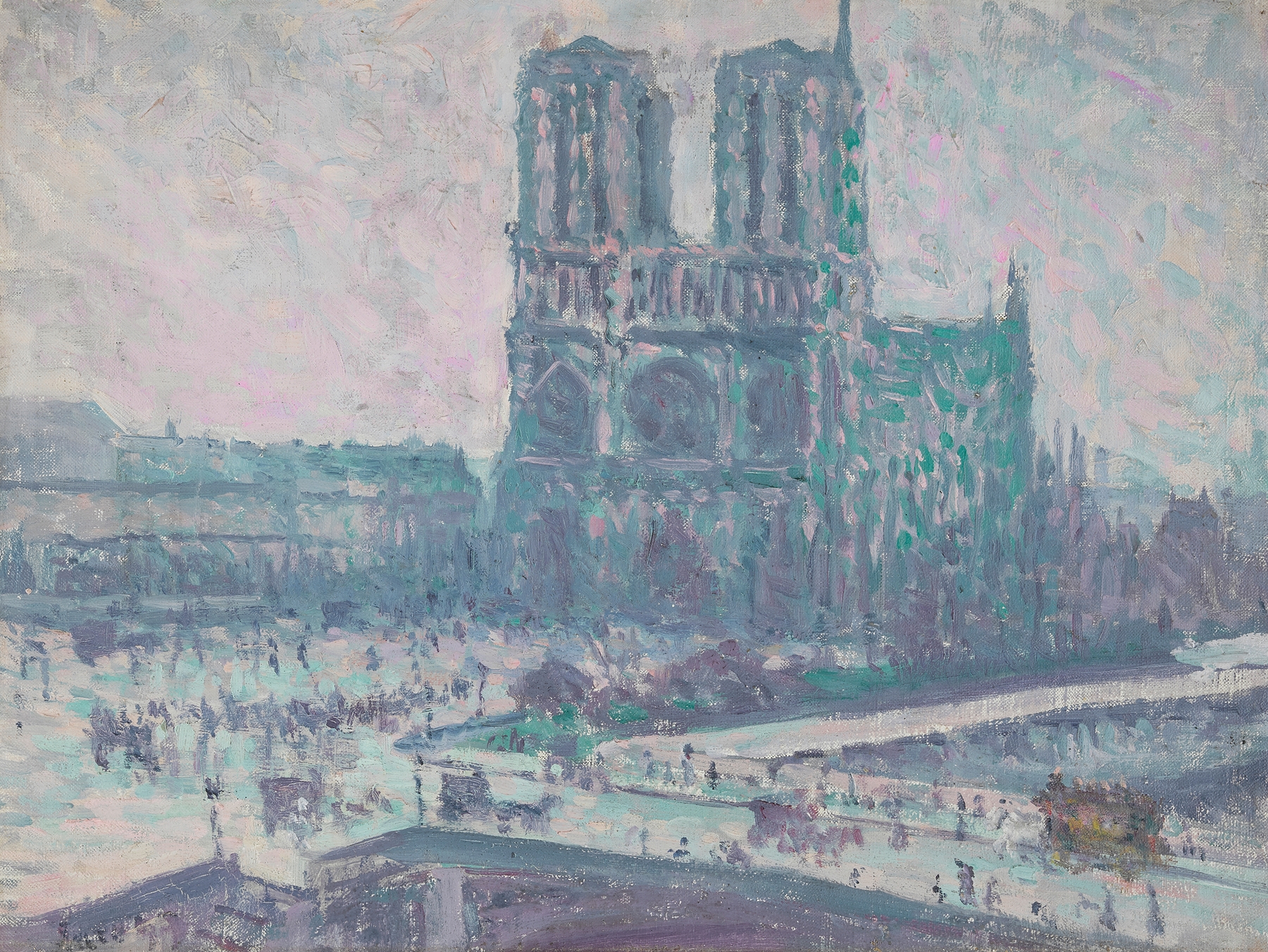
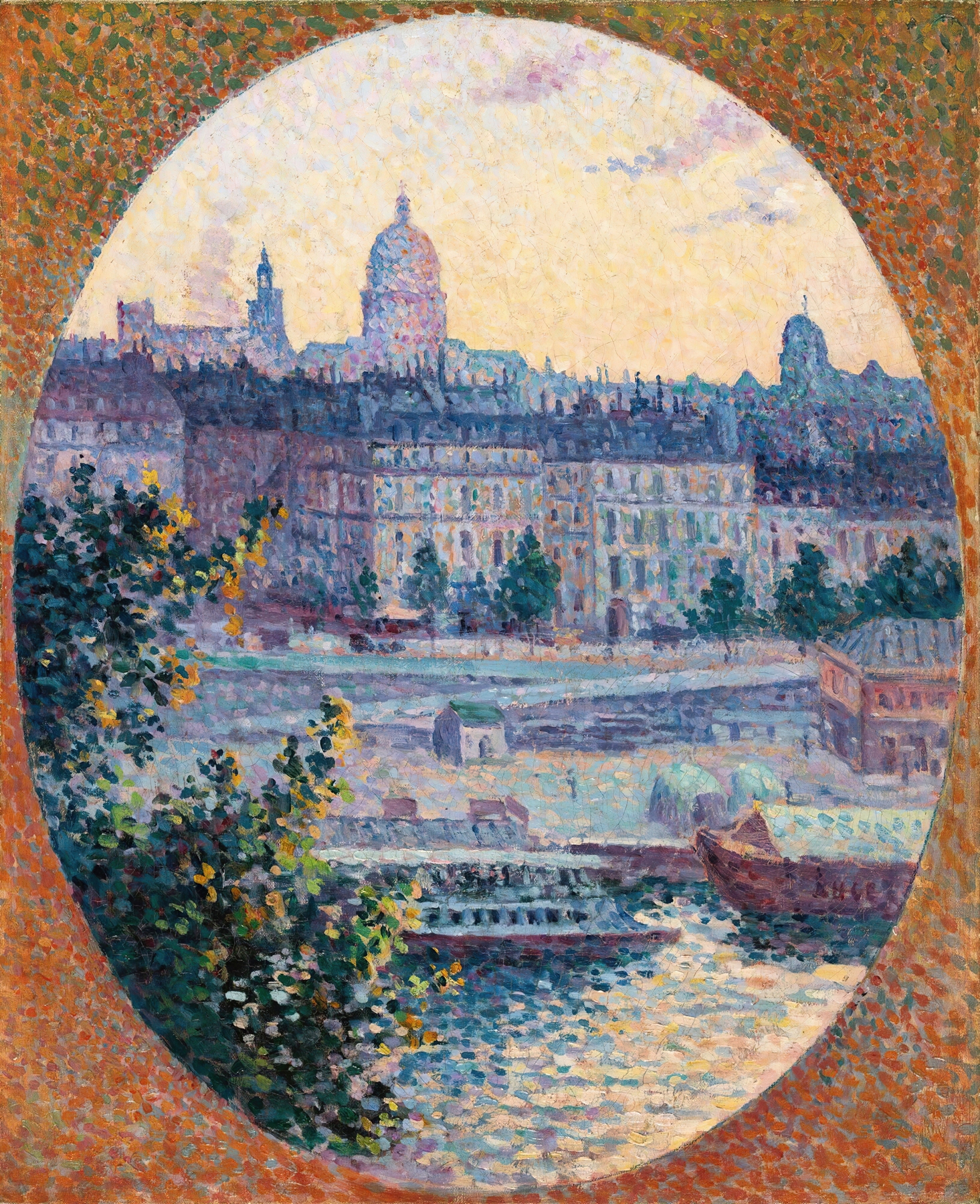
When did color learn to lie? In a world where hues vibrate with truth yet often obscure the void within, the essence of a moment is revealed through the lens of perception. Focus on the vibrant strokes that dance across the canvas; notice how the blues and greens pulse with life, drawing you into the heart of *Notre Dame de Paris*. The sweeping curves of the cathedral's arches rise majestically, while the dappled light plays across its stone façade, creating a visual symphony that captures the viewer's attention. The swirling brushwork evokes a sense of movement, as if the scene breathes with the rhythm of life itself, inviting contemplation of both the sacred and the everyday. Yet, beneath the surface, there is a dissonance at play. The lively colors contrast with the looming shadow of the void, echoing the impermanence of beauty. Look closer, and you’ll see the fleeting moments of stillness nestled within the bustling backdrop of Paris; figures are caught mid-conversation, their individual stories intersecting with the grandeur around them. This tension between vibrancy and absence serves as a poignant reminder of the fragility of existence, where joy and sorrow coexist in the dance of life. In 1899, Luce painted this work during a time of transformation in France and the larger art world. The Impressionist movement, with its focus on light and color, was evolving as artists began to explore new forms of expression. Luce, influenced by the post-Impressionist styles, sought to capture both the beauty of Paris and the emotional weight of urban life, revealing his dedication to the interplay between color and reality.