Landscape — History & Analysis
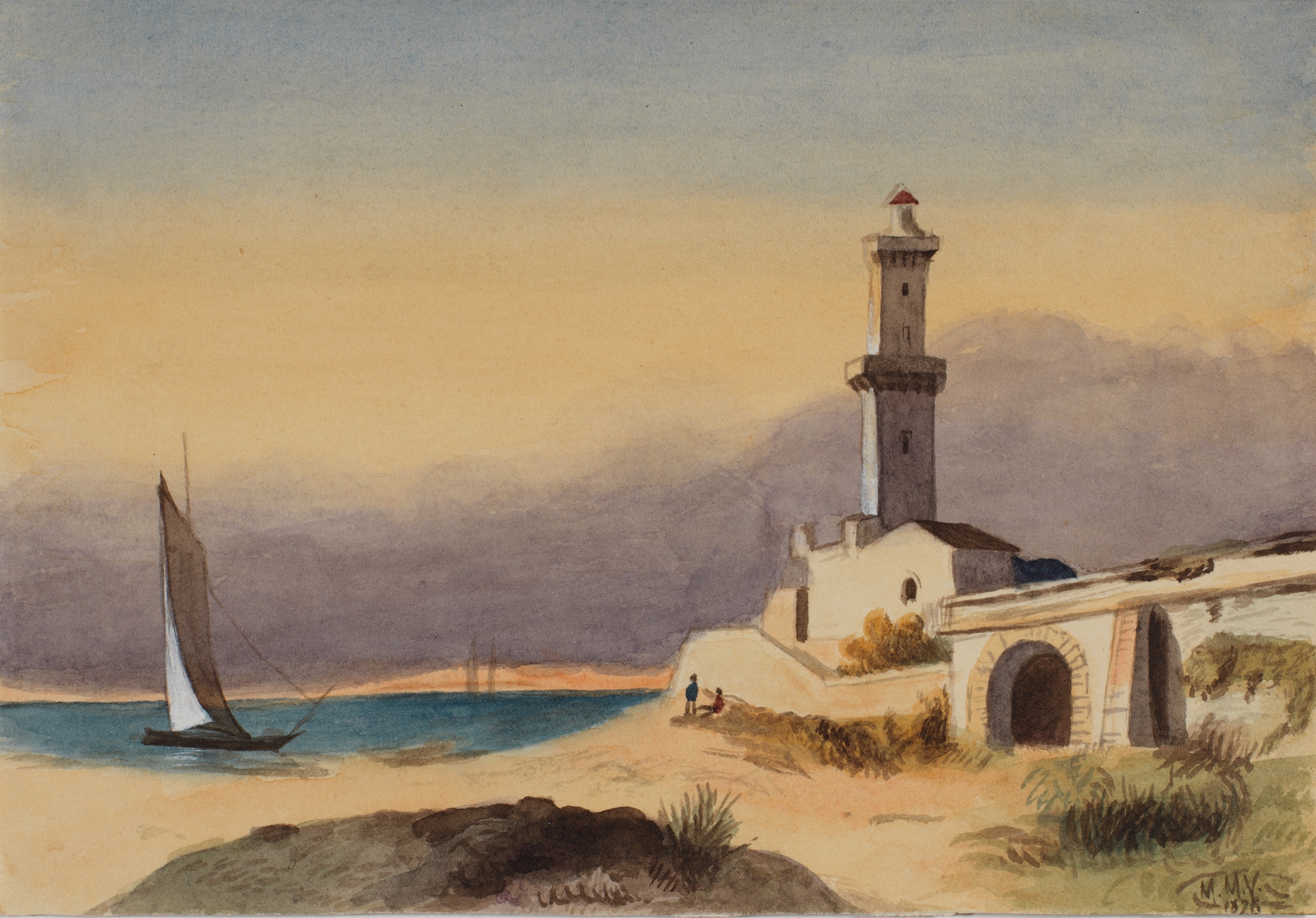
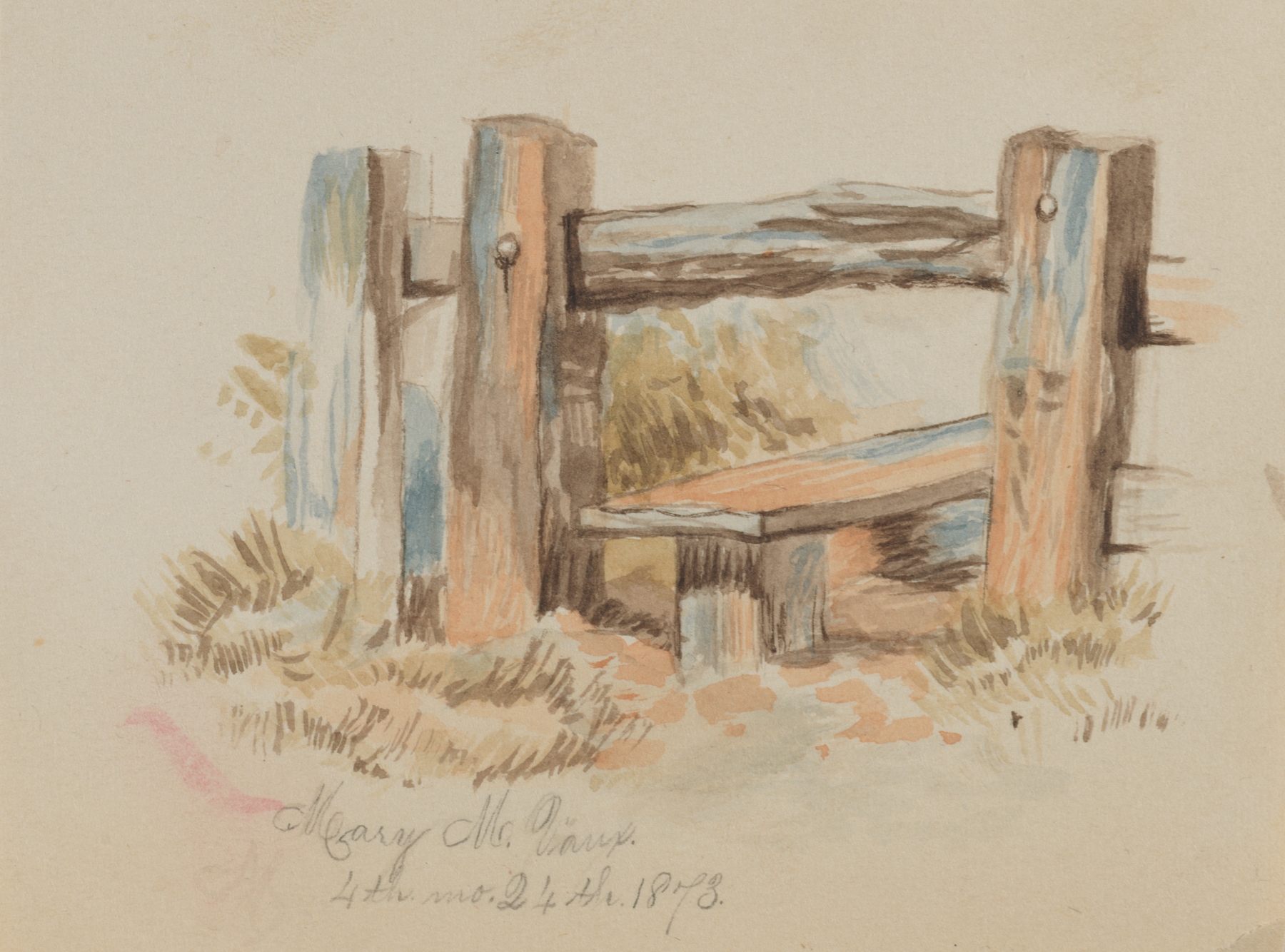
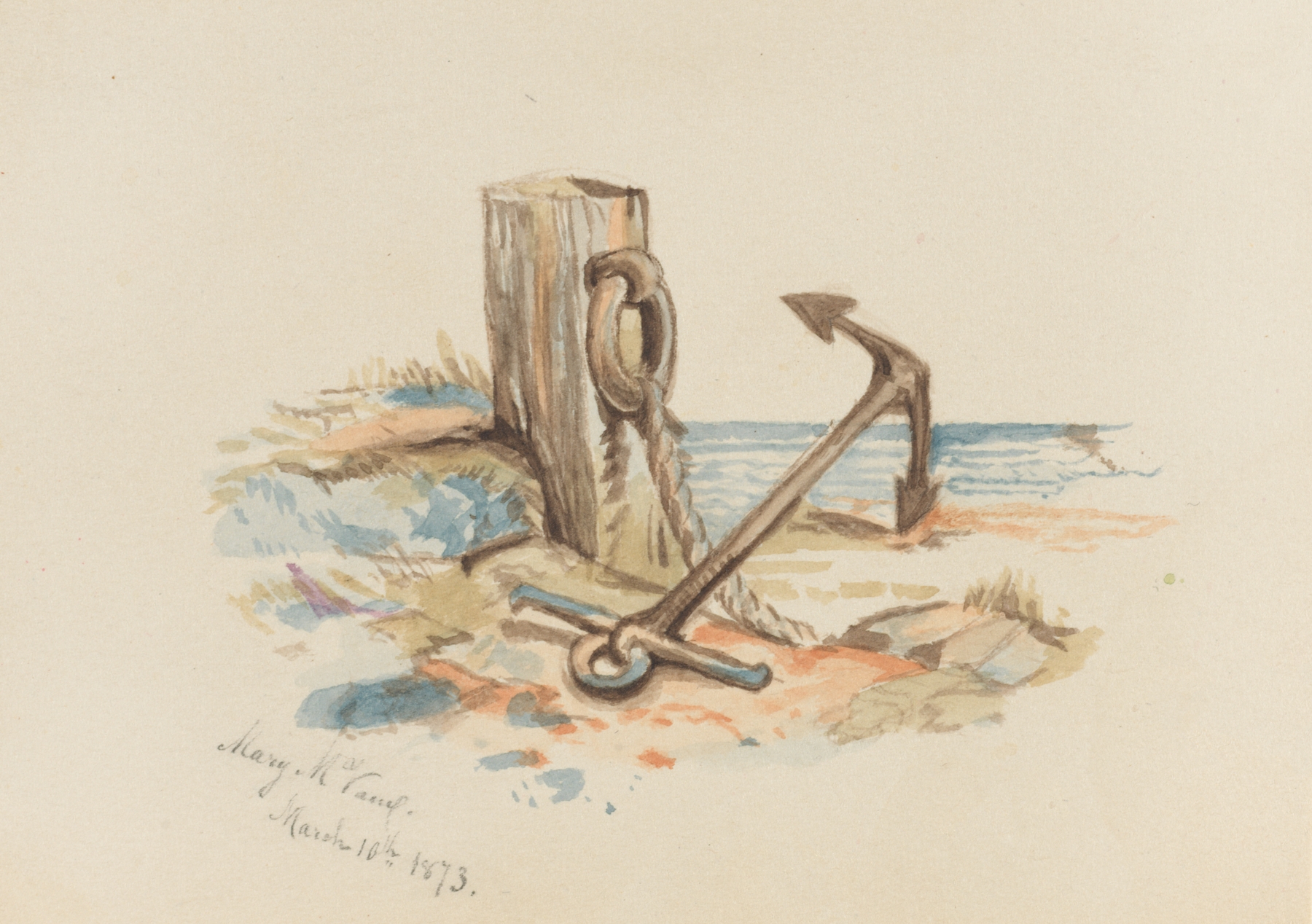
“Every silence here is a confession.” In the quiet embrace of nature, desire flows through every brushstroke, whispering the secrets of the heart. Look to the foreground where a gentle stream winds its way through the landscape, revealing that delicate balance between water and earth. The soft hues of green and gold blend seamlessly, inviting viewers to lose themselves in the tranquility of the scene. Notice how the vibrant strokes of the sky contrast against the muted earth tones, creating a compelling dialogue between the elements and drawing your gaze upward toward the expansive horizon.
Hidden within this pastoral serenity is a deep yearning, a longing for connection that transcends the physical beauty of the land. The rustle of leaves suggests movement, hinting at unseen life, while the stillness of the water reflects both the landscape and the internal landscape of desire. Each element of the painting evokes a sense of anticipation, as if the viewer is on the brink of discovering something profound amidst the quiet.
In 1876, Mary Vaux Walcott infused her art with the influences of the American landscape movement, a time when artists sought to capture the natural beauty of their surroundings. As she painted this piece, she was also navigating personal challenges and the complexities of her emerging identity as a female artist in a predominantly male field. Her work, including this evocative landscape, helped pave the way for future generations to explore the intersection of nature, emotion, and artistic expression.