Mooring and Anchor — History & Analysis
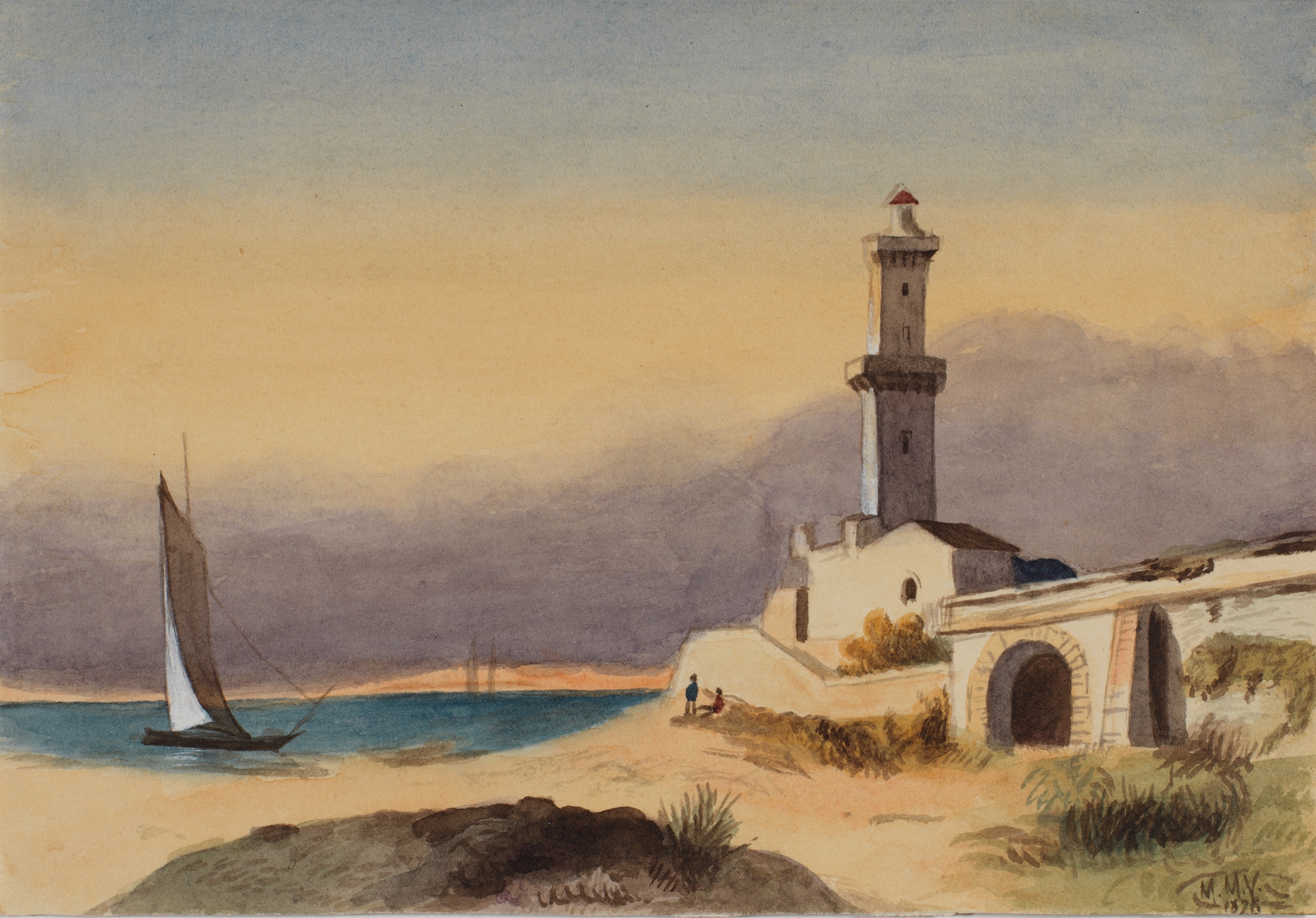
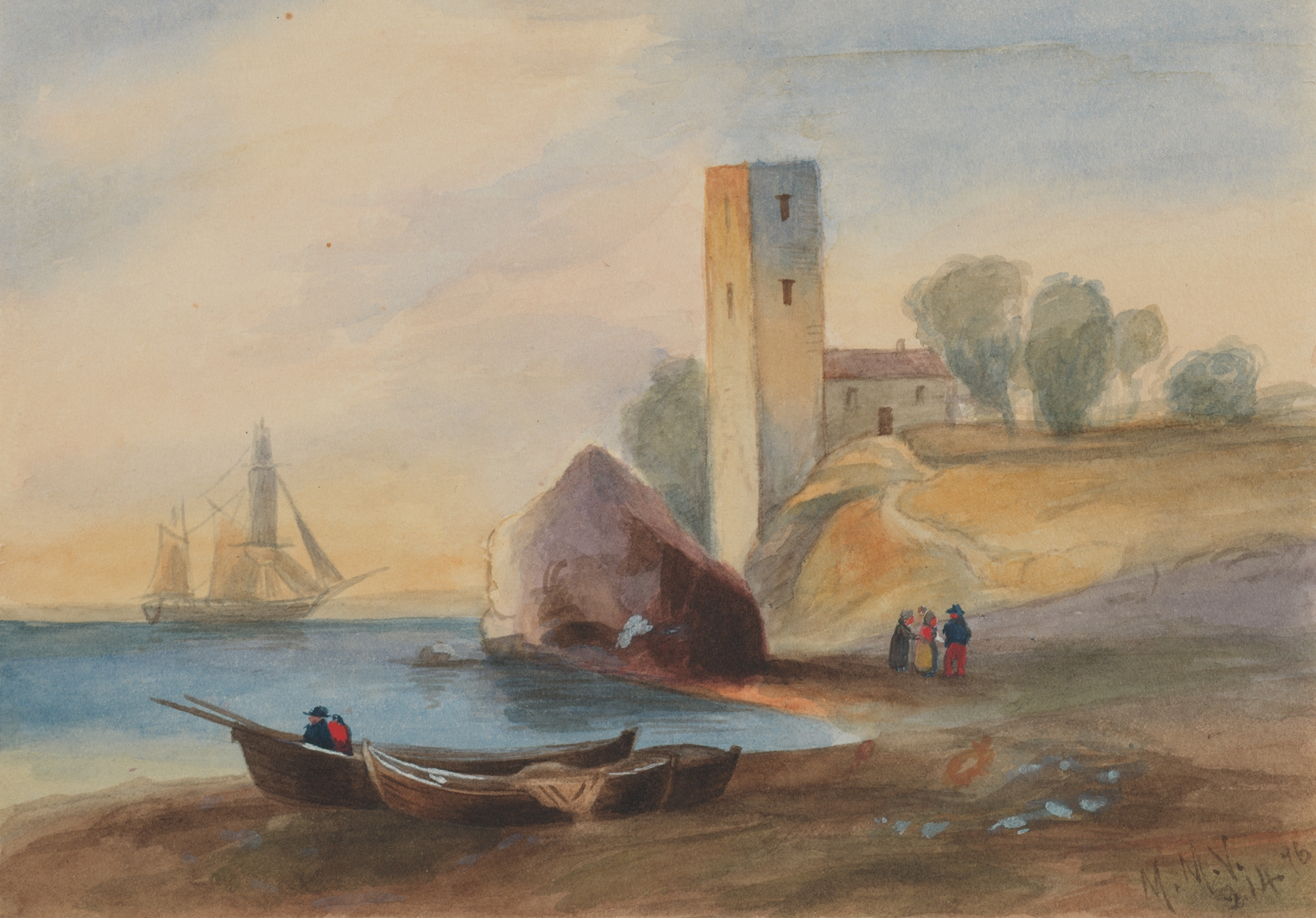
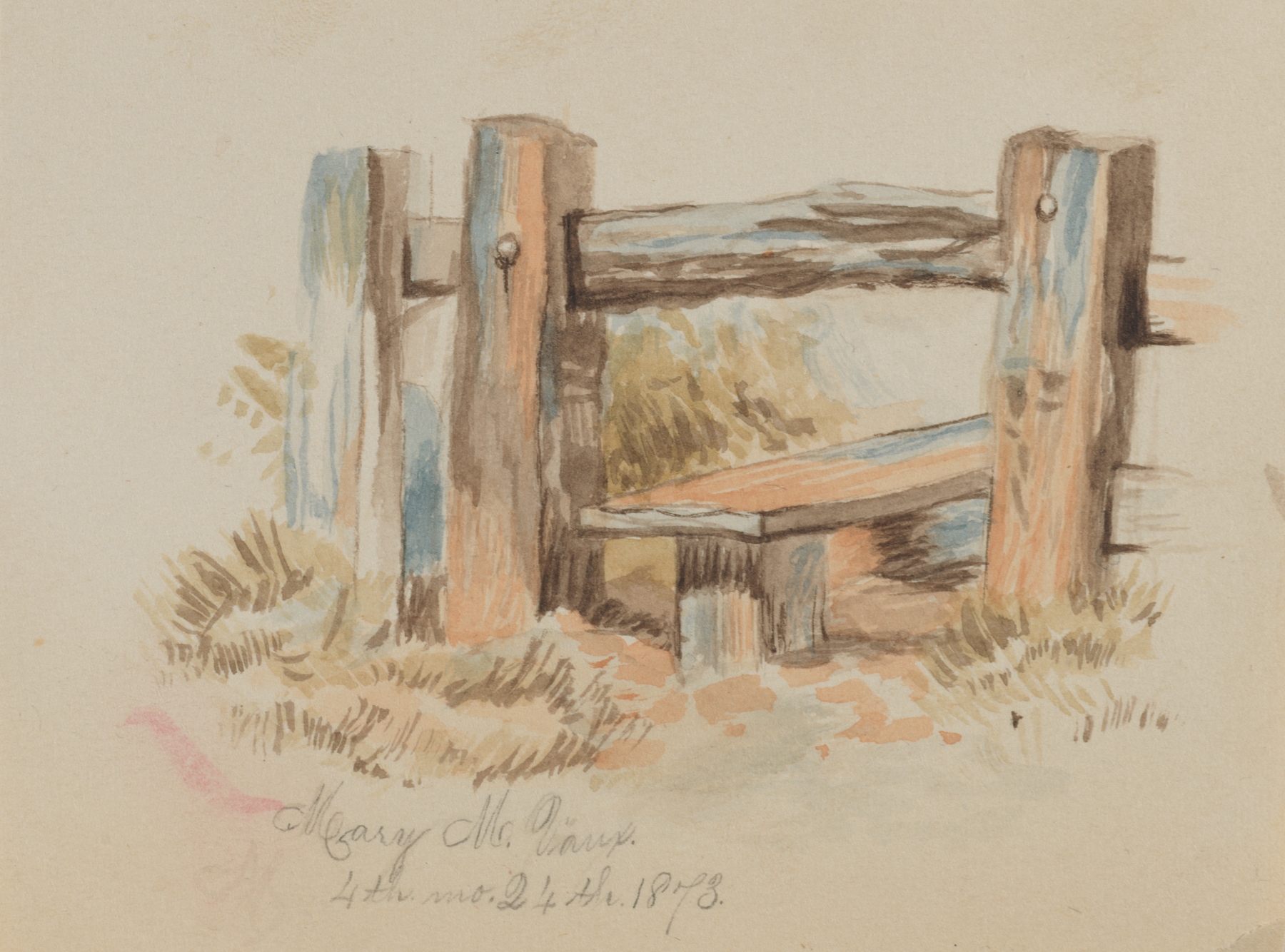
“Art reveals the soul when the world turns away.” In a moment of quiet reflection, we are confronted with the haunting beauty of decay, a reminder of life's transience and nature's resilience. Each brushstroke invites the viewer to ponder the delicate balance between existence and oblivion. Focus on the intricate details of the mooring and anchor—notice how the rusted metal contrasts starkly with the soft hues of the surrounding landscape. The artist employs a muted palette, allowing the browns and greens to evoke a sense of nostalgia while also implying the passage of time.
The composition is masterfully balanced, drawing the eye toward the anchor that lies securely yet forlorn, an emblem of stability amid the natural decline that surrounds it. Delve into the emotional tension captured within this scene. The juxtaposition of the robust anchor, a symbol of steadfastness, against the slow decay of nature reveals an internal struggle—an exploration of permanence amidst inevitable change. The subtle play of light across the weathered surface suggests that even in decay, there is a beauty to be found, challenging the viewer to confront their own perceptions of loss and continuity.
In 1873, the artist created this piece during a time of significant personal exploration. Living in the midst of an evolving American art scene, she sought to integrate her love for nature with her artistic expression. This painting reflects her fascination with the natural world and the underlying themes of decay, resonating with broader movements of the time that emphasized realism and the beauty of everyday subjects.