Landscape — History & Analysis
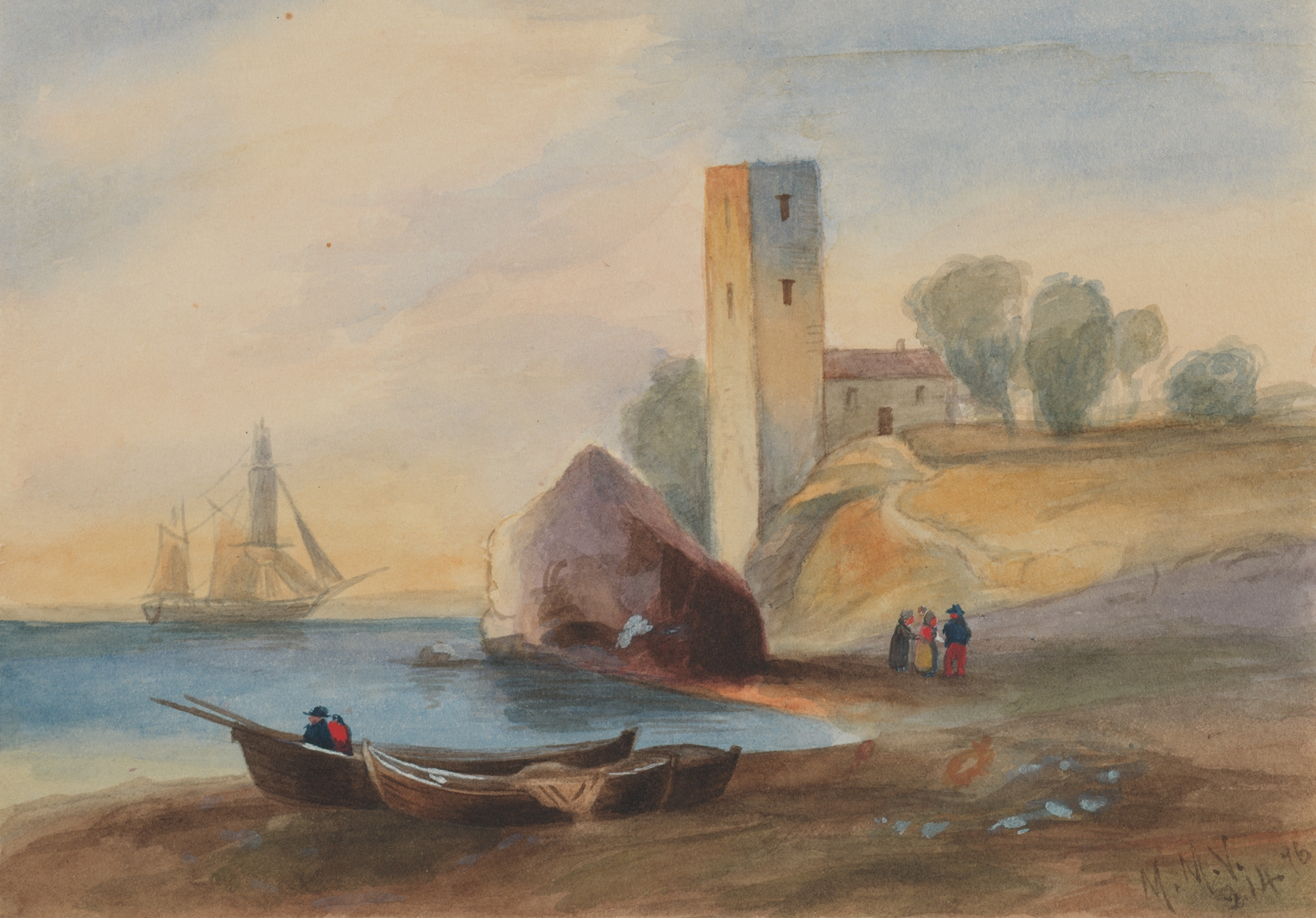
Can beauty exist without sorrow? In the vast expanse of nature, a solitary sense of loneliness often breathes alongside serene landscapes, whispering secrets only the heart can hear. Look to the foreground of Landscape, where gentle hills undulate beneath a luminous sky. Notice how the brushstrokes create a soft texture, blurring the lines between earth and air. The cool greens of the grass contrast with the warm, golden hues of sunlight that spills over the horizon, inviting the viewer to wander deeper into the scene.
The composition leads the eye through winding paths, suggesting an uncharted journey, while distant mountains frame the horizon, evoking both a sense of peace and isolation. Delve into the emotional layers woven into the canvas. The sweeping landscapes, though breathtaking, evoke a prevailing sense of solitude. Here, nature thrives in its majesty, yet it carries an undercurrent of longing. The vibrant colors ignite a fleeting happiness that clashes with the stark reality of being alone in such grandeur.
Each brush stroke tells a story of connection and separation, beauty and melancholy, reminding us that moments of splendor often accompany feelings of loneliness. In 1876, Mary Vaux Walcott was navigating the emergence of her identity as an artist amidst a male-dominated field. Created during her formative years, Landscape reflects a burgeoning interest in nature and a growing proficiency in capturing its essence. The art world was abuzz with movements that embraced realism and impressionism, and Walcott was influenced by these currents, which shaped her own vision and the way she depicted the world around her.