Stile — History & Analysis
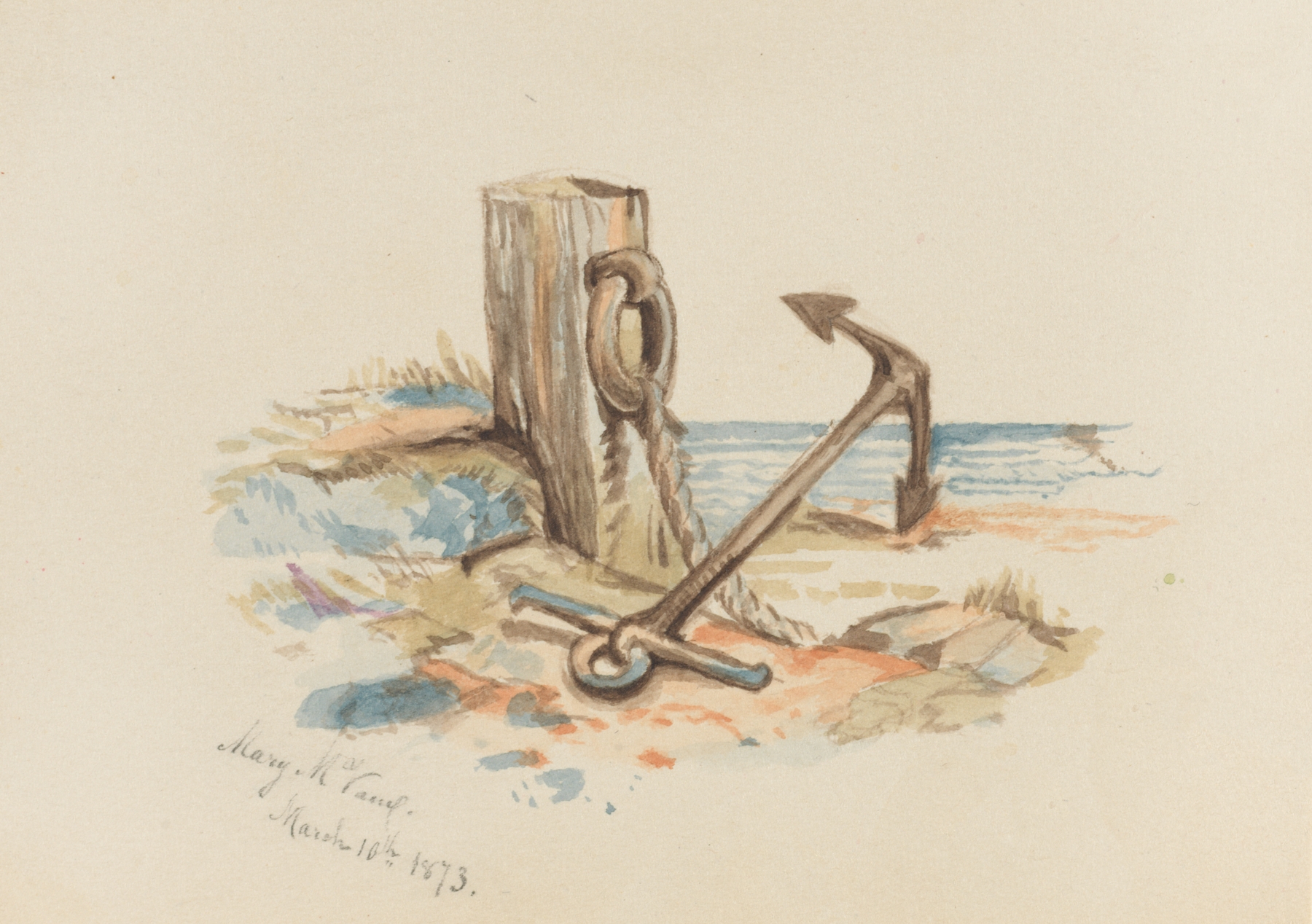
Can beauty exist without sorrow? In Stile, Mary Vaux Walcott invites us to ponder this profound question, exploring the delicate interplay of serenity and loss within nature's embrace. Look to the center of the composition, where a single, elegant flower stands resolute against a softly blurred background. The meticulous detail of each petal draws your gaze, showcasing her precision in botanical illustration.
The muted color palette evokes a sense of calm, while the gentle play of light highlights the flower’s delicate features, suggesting a fleeting moment of beauty suspended in time. As you delve deeper, notice the tension between the flower’s vibrant life and the subtle shadows that hint at impending decay. This contrast captures the essence of nature's duality—thriving yet fragile. Each stroke of the brush holds a narrative of resilience, reflecting the artist's understanding of life’s transient beauty.
It speaks to the bittersweet reality that all beauty carries with it the weight of its impermanence, inviting us to cherish each moment. Created in 1873, Stile emerged during a period when Mary Vaux Walcott was solidifying her reputation as a botanical artist in the United States. Living in an era where the natural sciences were flourishing, she meticulously documented plant life while blending art with scientific inquiry. Her work not only celebrated nature but also raised awareness of the delicate ecosystems that were often overlooked, showcasing her commitment to both beauty and preservation.