Landscape along the Seine with the Institut de France and the Pont des Arts — History & Analysis
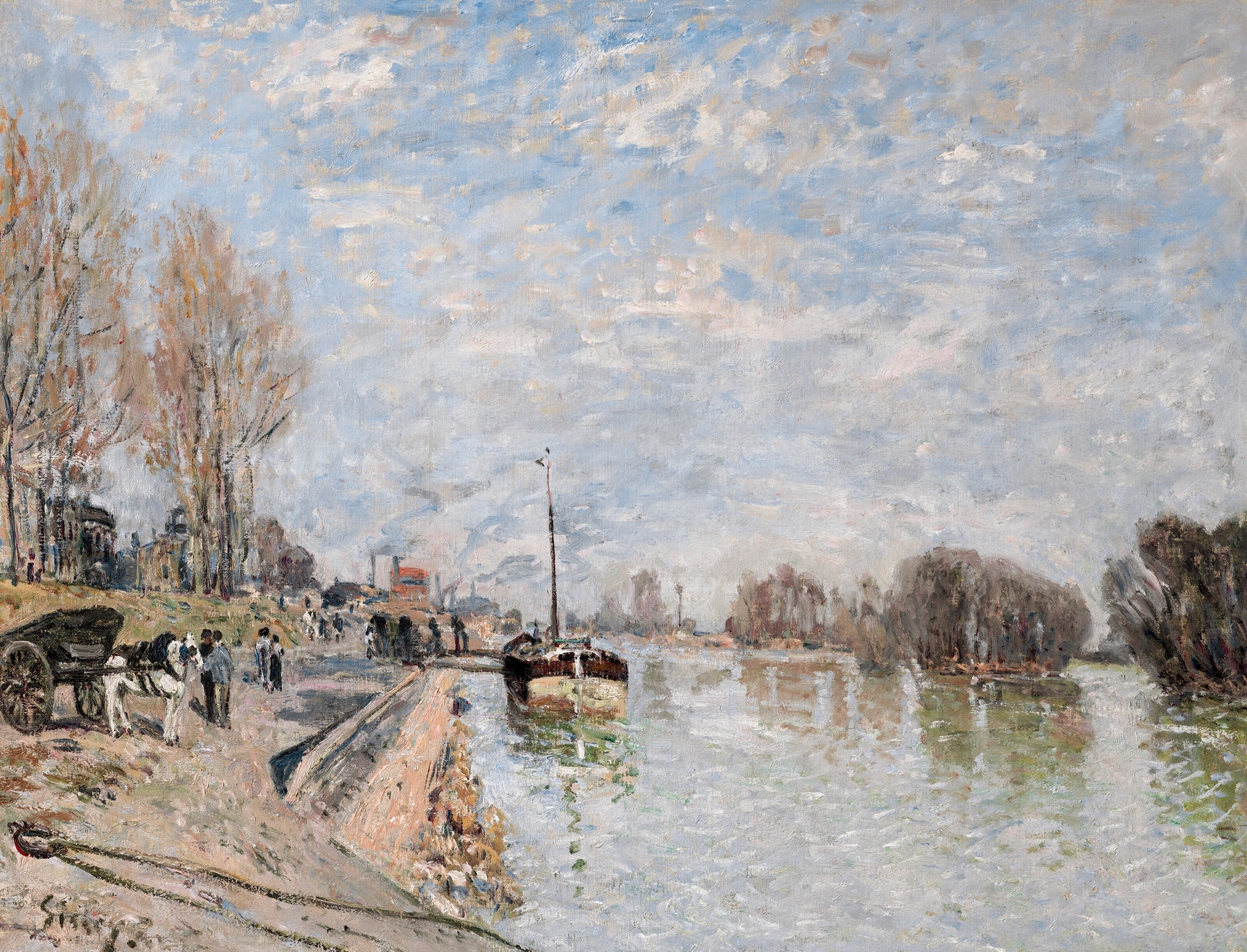
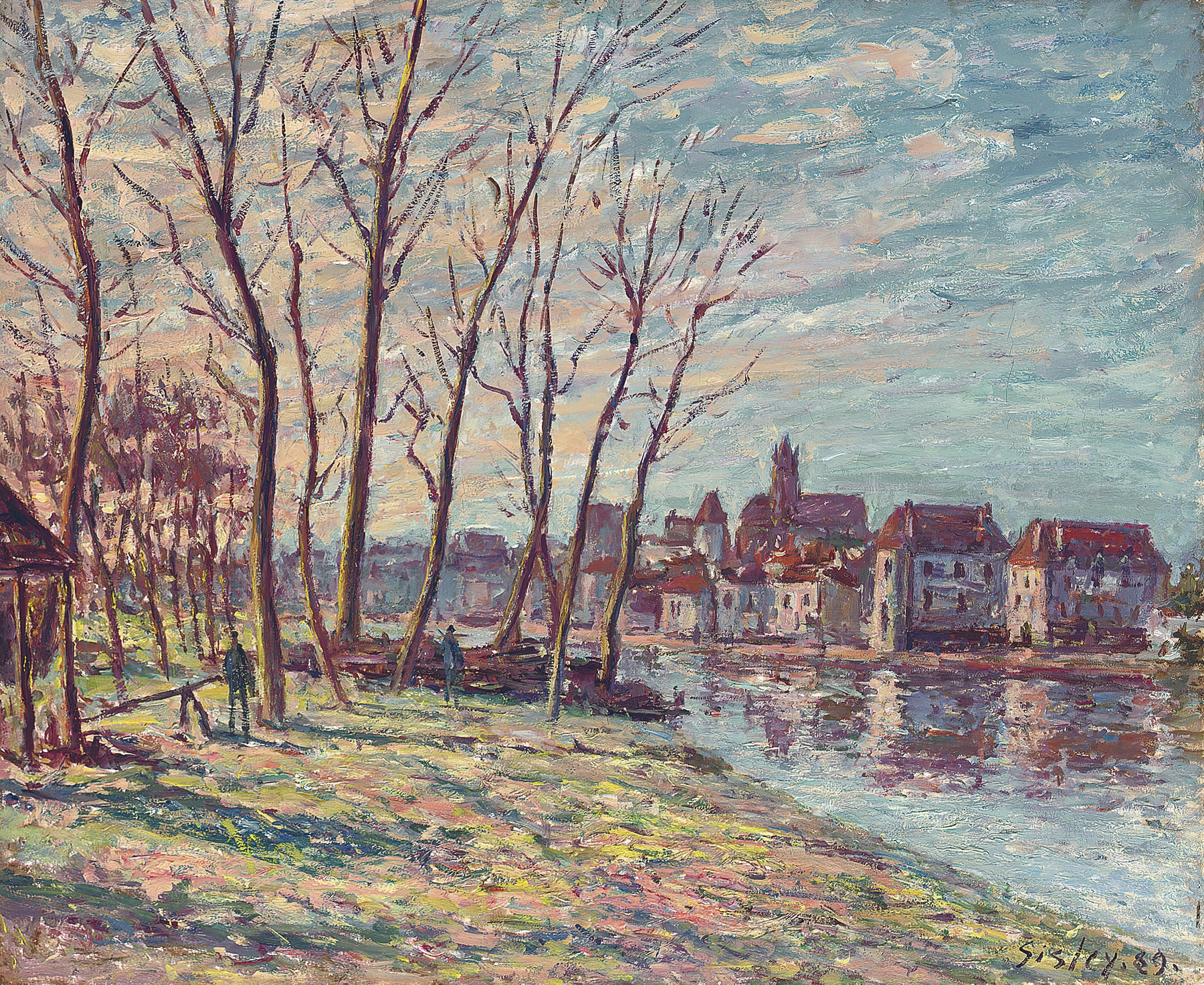
Can beauty exist without sorrow? In Alfred Sisley’s Landscape along the Seine with the Institut de France and the Pont des Arts, the answer looms quietly beneath the surface, like a shadow cast by a vibrant sunrise. Look to the left at the gentle curve of the Seine, where the water reflects a tapestry of colors, the warm hues of dawn intermingling with the cool blues of the river. The Institut de France rises majestically in the background, its dome a testament to human creativity, while the elegant arches of the Pont des Arts stretch across the water's surface.
Sisley’s brushstrokes are fluid, capturing the essence of movement, while soft dappled light dances across the scene, inviting the viewer to linger and explore every corner. Yet, this serene landscape is imbued with a sense of tension. The idyllic beauty is juxtaposed with an underlying reminder of the violence of nature and society. The foliage, lush and inviting, hints at the wild and untamed forces lurking just beyond the cultivated banks of the Seine.
Additionally, the bustling activity on the bridge, where human figures are but mere shadows, subtly suggests the transience of life amidst the watercolor brilliance, a fleeting moment forever captured yet forever changing. Painted in 1875, Sisley created this work during a time when he was striving for recognition within the Impressionist movement, facing both personal struggles and the artistic challenges of translating vibrant life onto canvas. Living in France amidst social upheaval, his art reflects a world caught between the beauty of nature and the conflicts of human existence, revealing the complex relationship we share with our surroundings.