Landscape from Salwator — History & Analysis
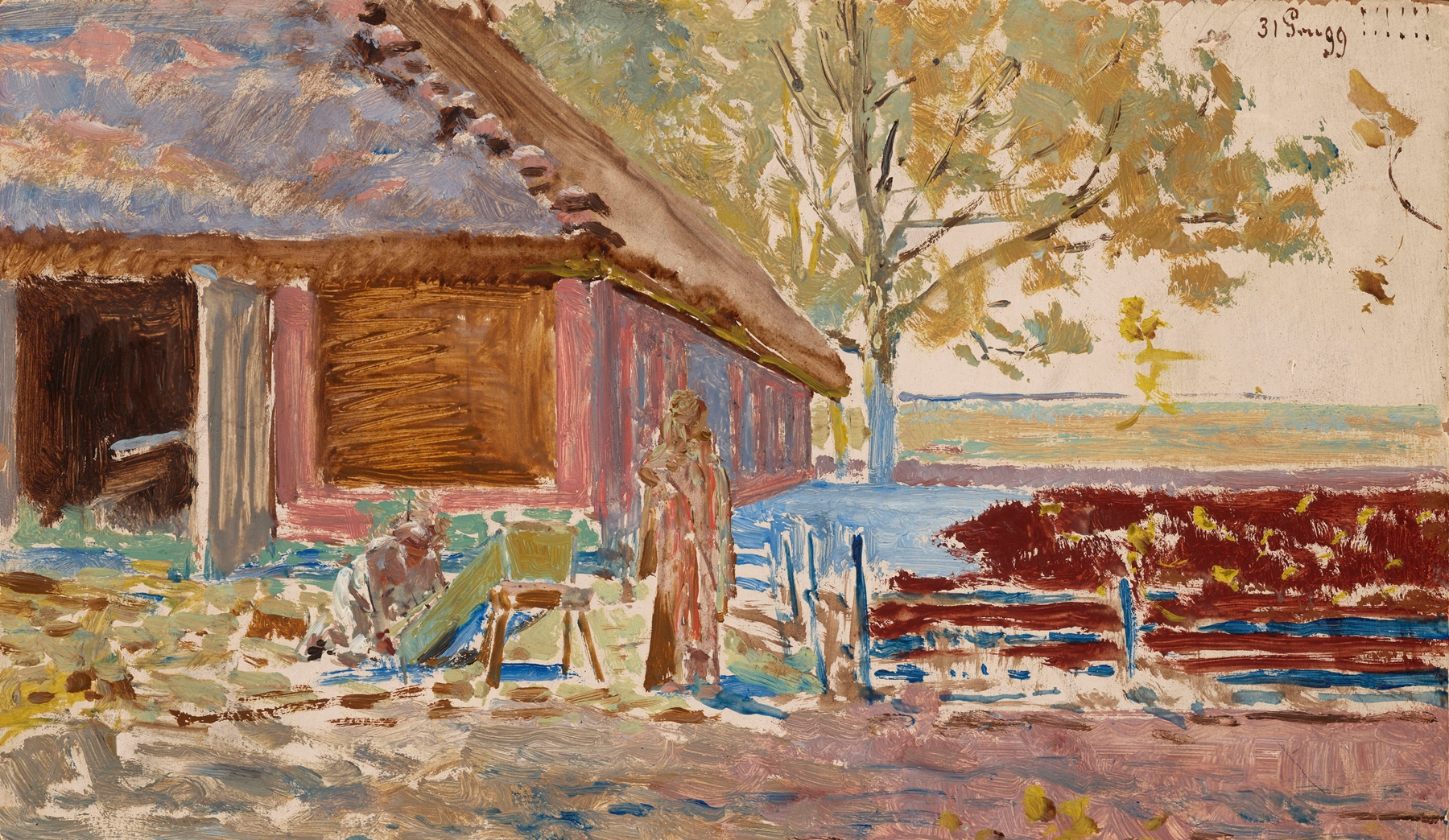
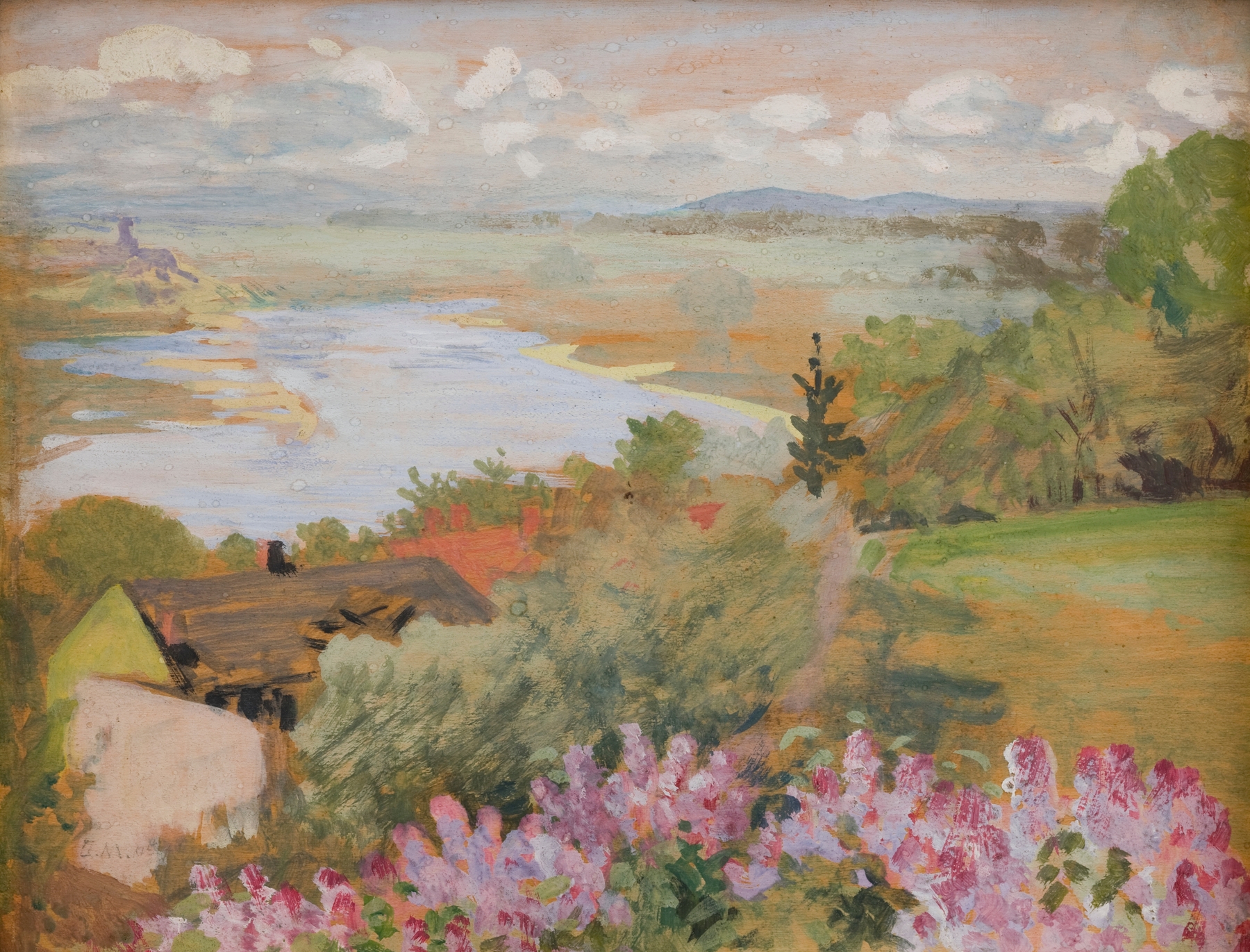
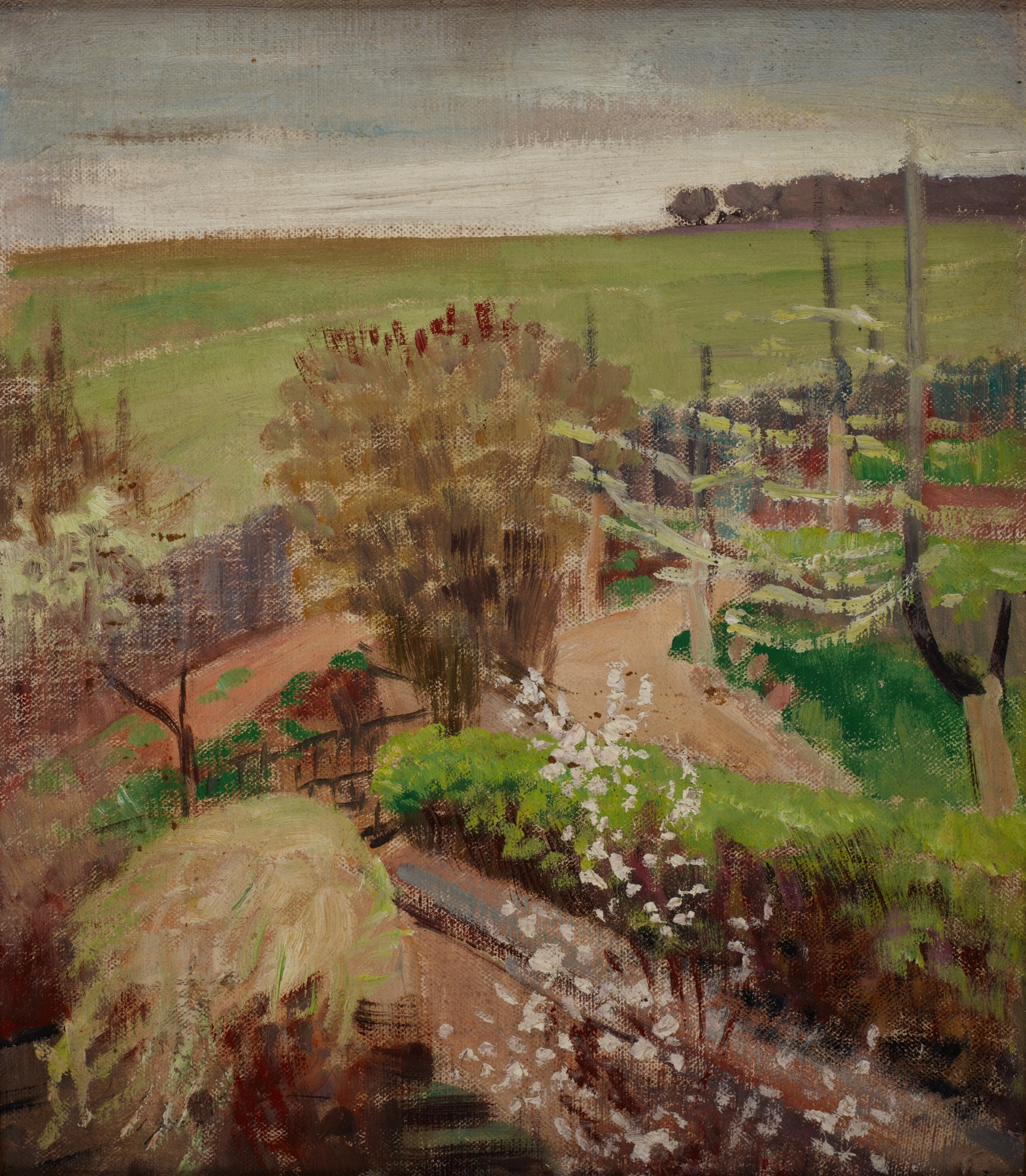
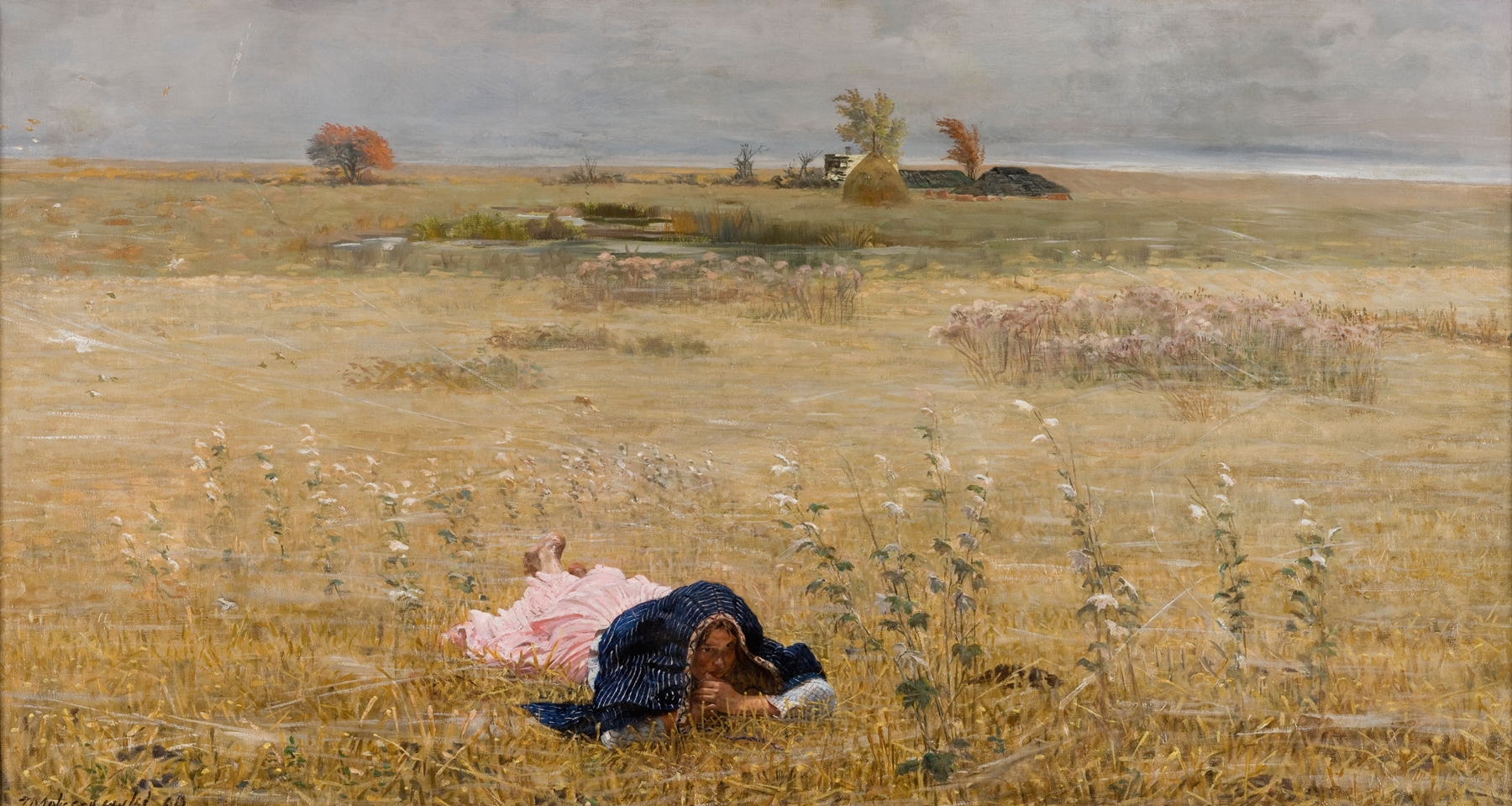
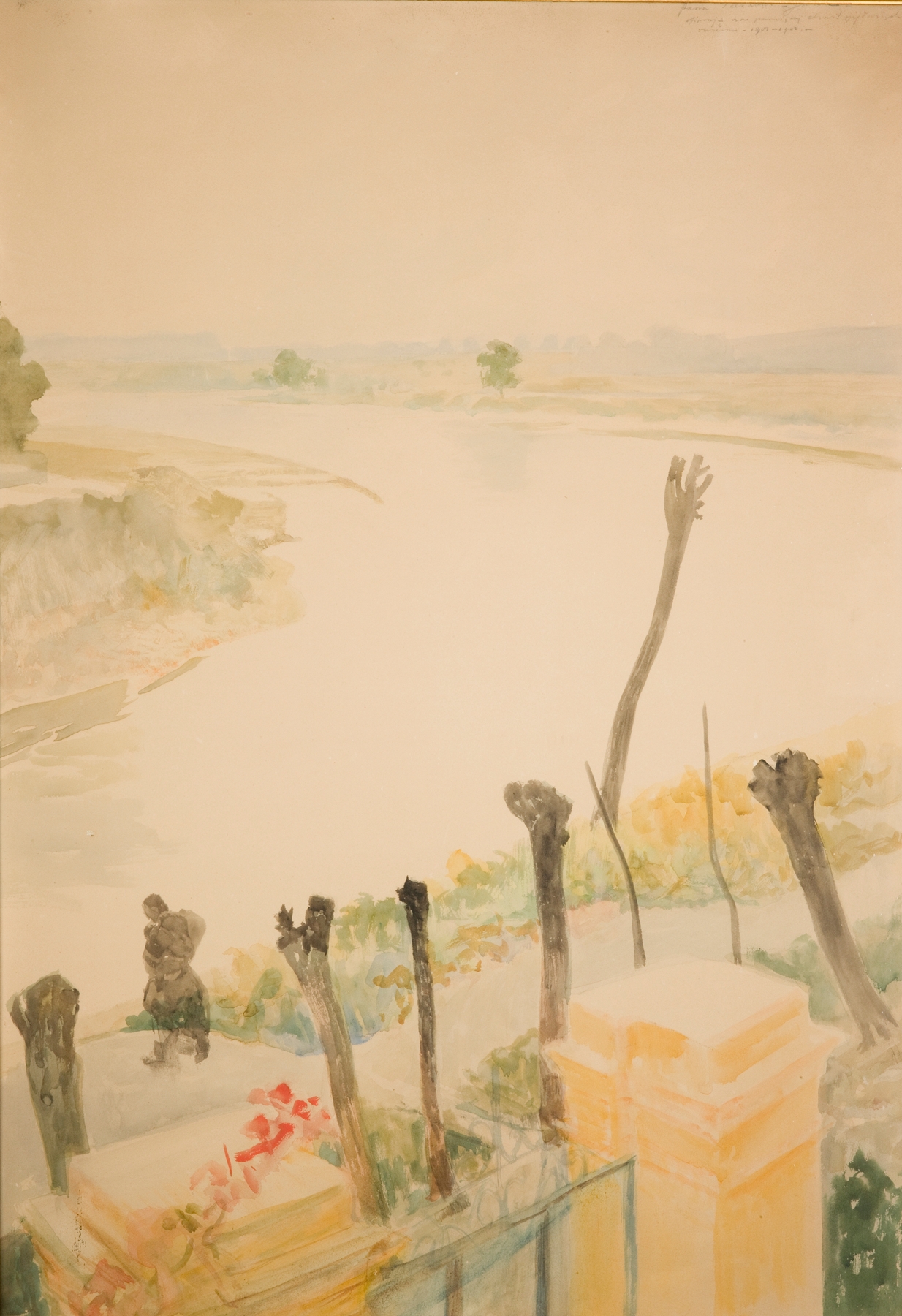
“To paint is to remember what time wants us to forget.” In a world often dimmed by doubt, there lies an unwavering faith that grounds us, a belief that the beauty of existence can be captured, transcending the sands of time. Look to the center where soft hues of green and gold merge, depicting undulating hills beneath a cloudy sky that hints at both turmoil and tranquility. The delicate brushwork creates a sense of movement, as if the landscape breathes, inviting the viewer to step into its embrace. Notice how the light cascades from the heavens, illuminating patches of wildflowers that bloom defiantly against the backdrop of an expansive, shadowy sky—each stroke whispering of hope amidst uncertainty.
As you explore further, consider the juxtaposition of light and shadow, representing the eternal struggle between despair and optimism. The inclusion of distant figures, almost ghostly in their portrayal, suggests the presence of souls tethered to the land—symbols of faith navigating their own journeys. Each element teems with significance, quietly urging us to reflect on our own connections to nature and the divine.
In 1911, Jacek Malczewski, deeply influenced by Symbolism, painted this work while residing in Poland, negotiating the tensions of a nation grappling with its identity. During this time, the artist sought to explore themes of spirituality and national consciousness, crafting a visual language that resonated with the collective longing for hope and resilience. This painting stands as a testament to his quest, merging the personal with the universal in a vivid landscape that transcends mere representation.