Landscape with View on the River Wye. — History & Analysis
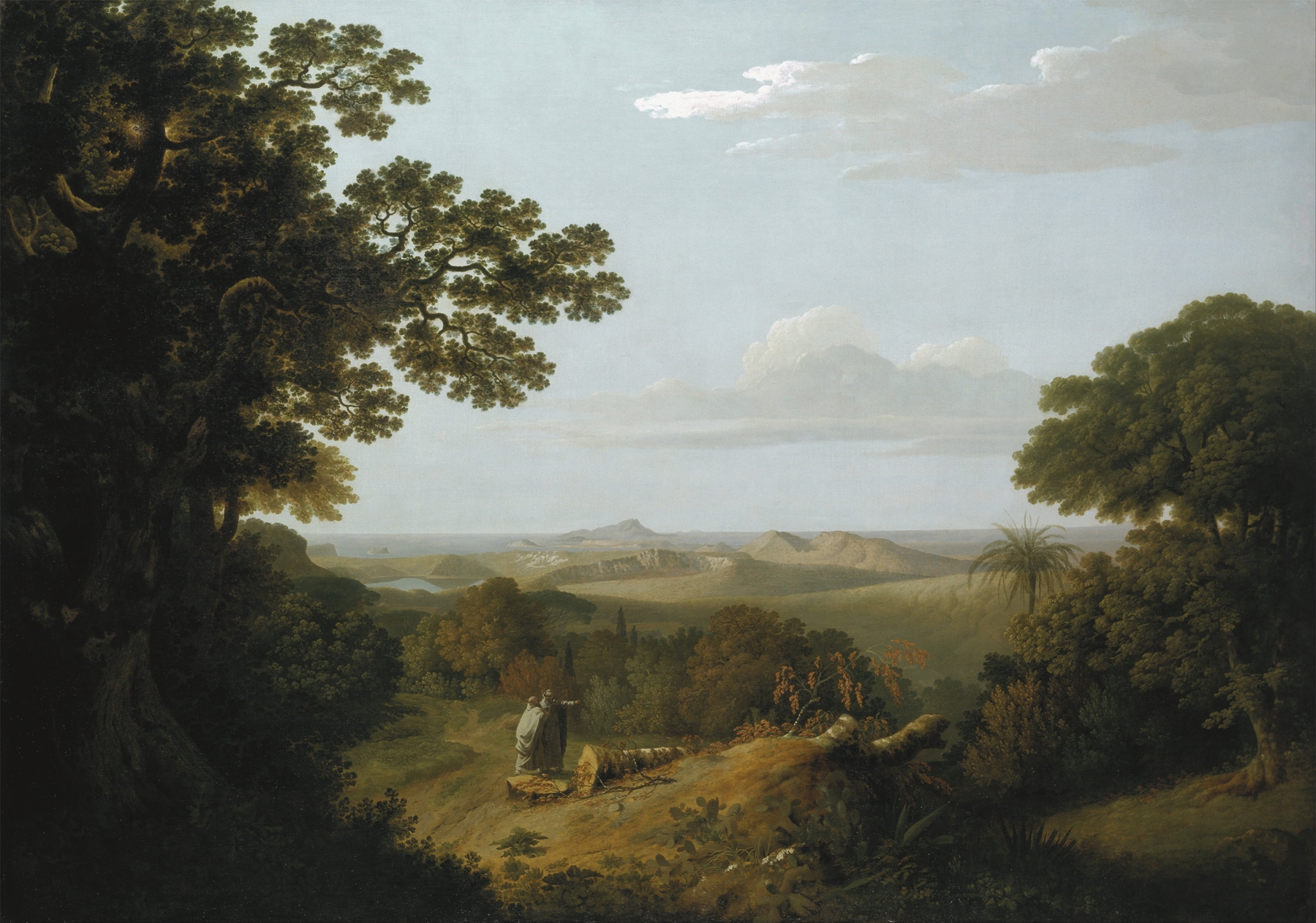
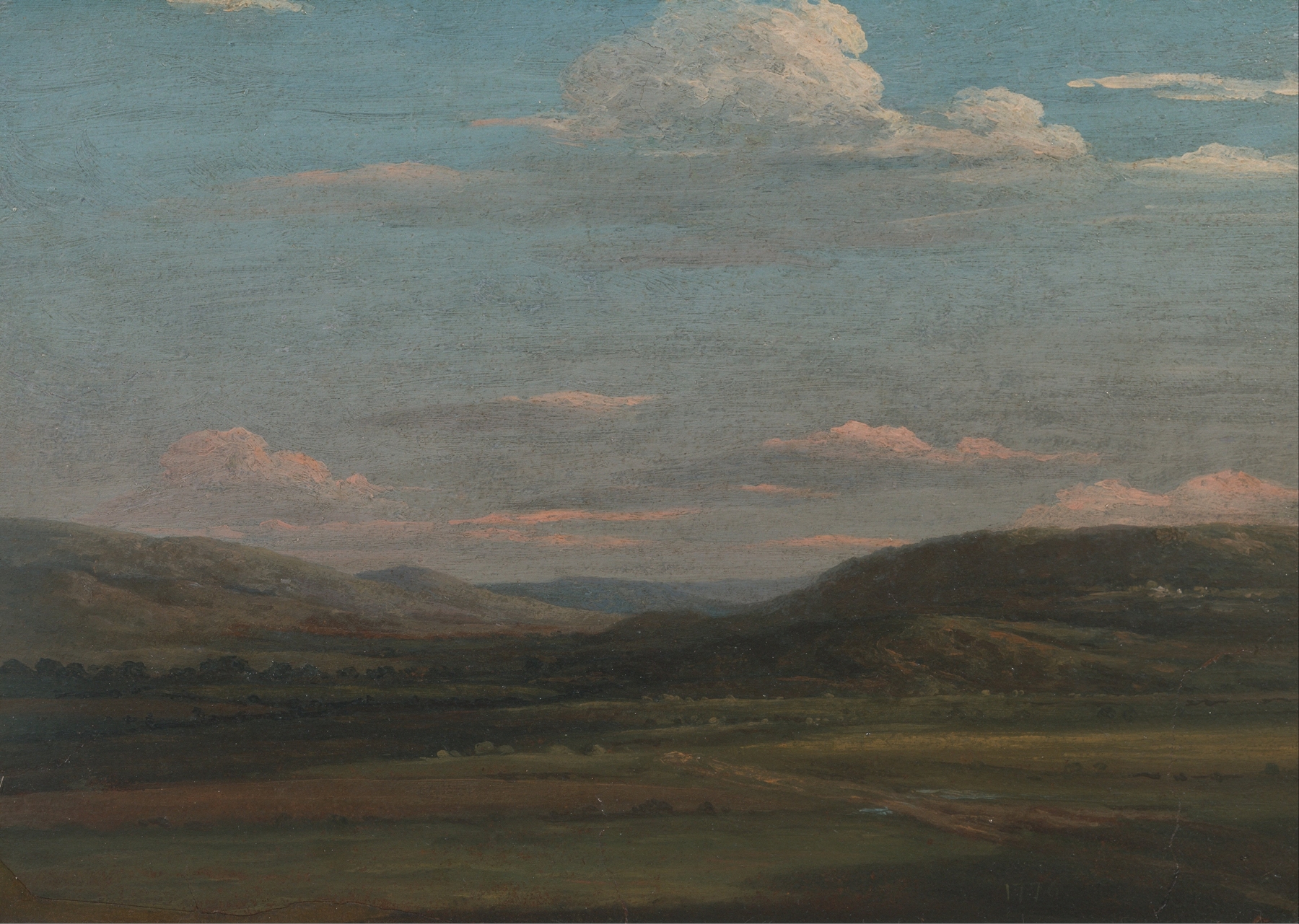
What if silence could speak through light? In Landscape with View on the River Wye, Thomas Jones captures a moment where nature’s stillness resonates with an ecstasy that is both profound and serene. Look to the center of the canvas, where a gentle river meanders, its surface shimmering under a soft haze of sunlight. The verdant hills rise majestically on either side, their lush greens contrasting with the tranquil blues of the water. Notice how the light falls upon the riverbank, illuminating patches of wildflowers that seem to dance in the gentle breeze.
The composition draws your eye along the river’s curve, inviting you to lose yourself in this idyllic landscape. Beneath the surface beauty, the painting reveals a deeper emotional narrative. The horizon, slightly obscured by a veil of mist, suggests the mysteries and uncertainties of the future, while the vibrant flora symbolizes the joys of life. The juxtaposition of light and shadow throughout the painting evokes a sense of fleeting time, a reminder that such moments of ecstasy are ephemeral yet eternally cherished.
Here, nature breathes a quiet yet powerful exhilaration, urging the viewer to reflect on their own connection with the landscape. Created in 1772, this piece emerged during a pivotal moment for Jones as he was exploring the picturesque movement in art, which sought to portray beauty in nature. He painted this view while in Wales, at a time when Romanticism was on the rise, emphasizing emotion and the sublime aspects of nature. It stands as a testament to his ability to encapsulate not just a scene, but the very spirit of the time, intertwining the artist’s personal journey with the greater cultural landscape.