The Grotto at Posillipo — History & Analysis
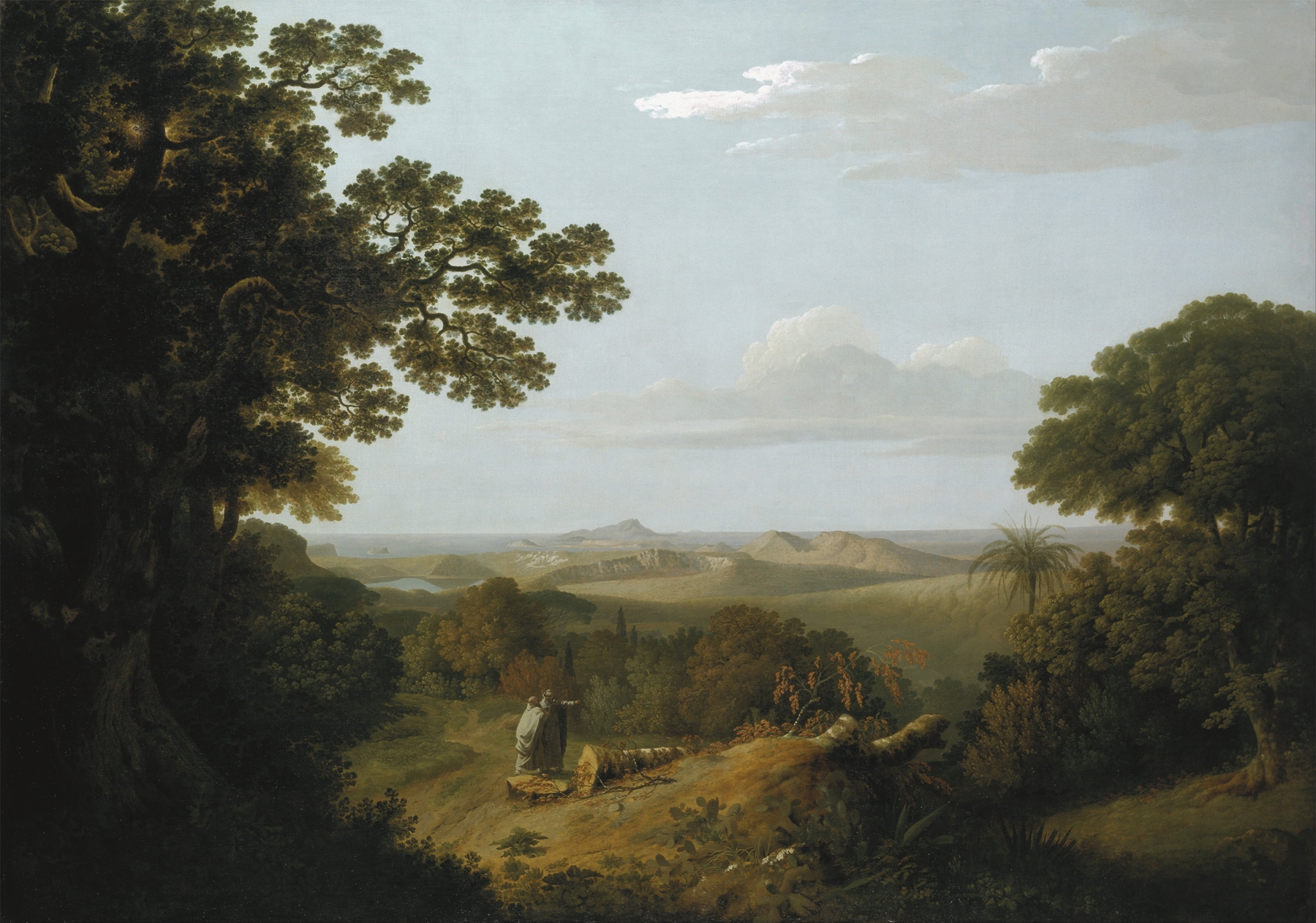
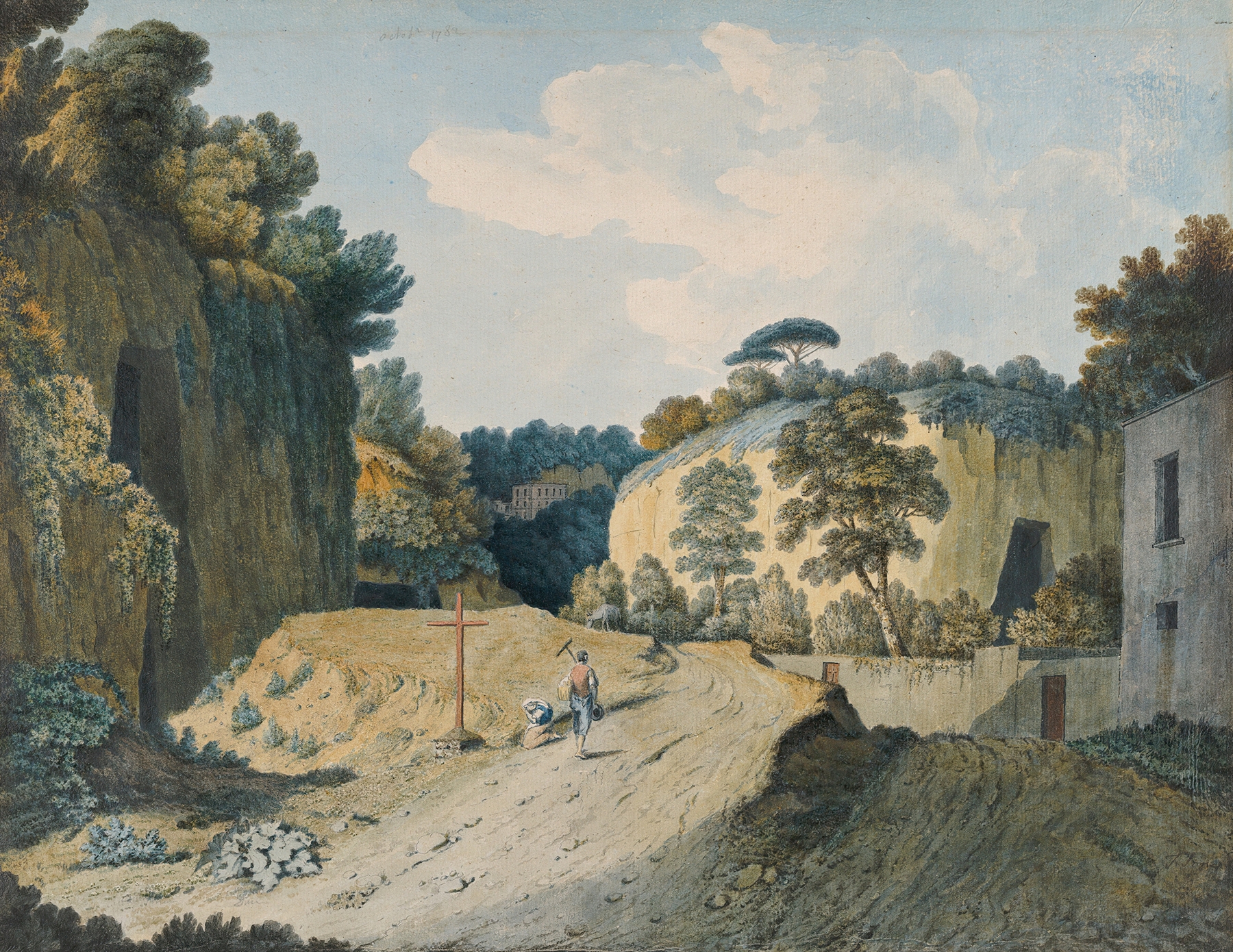
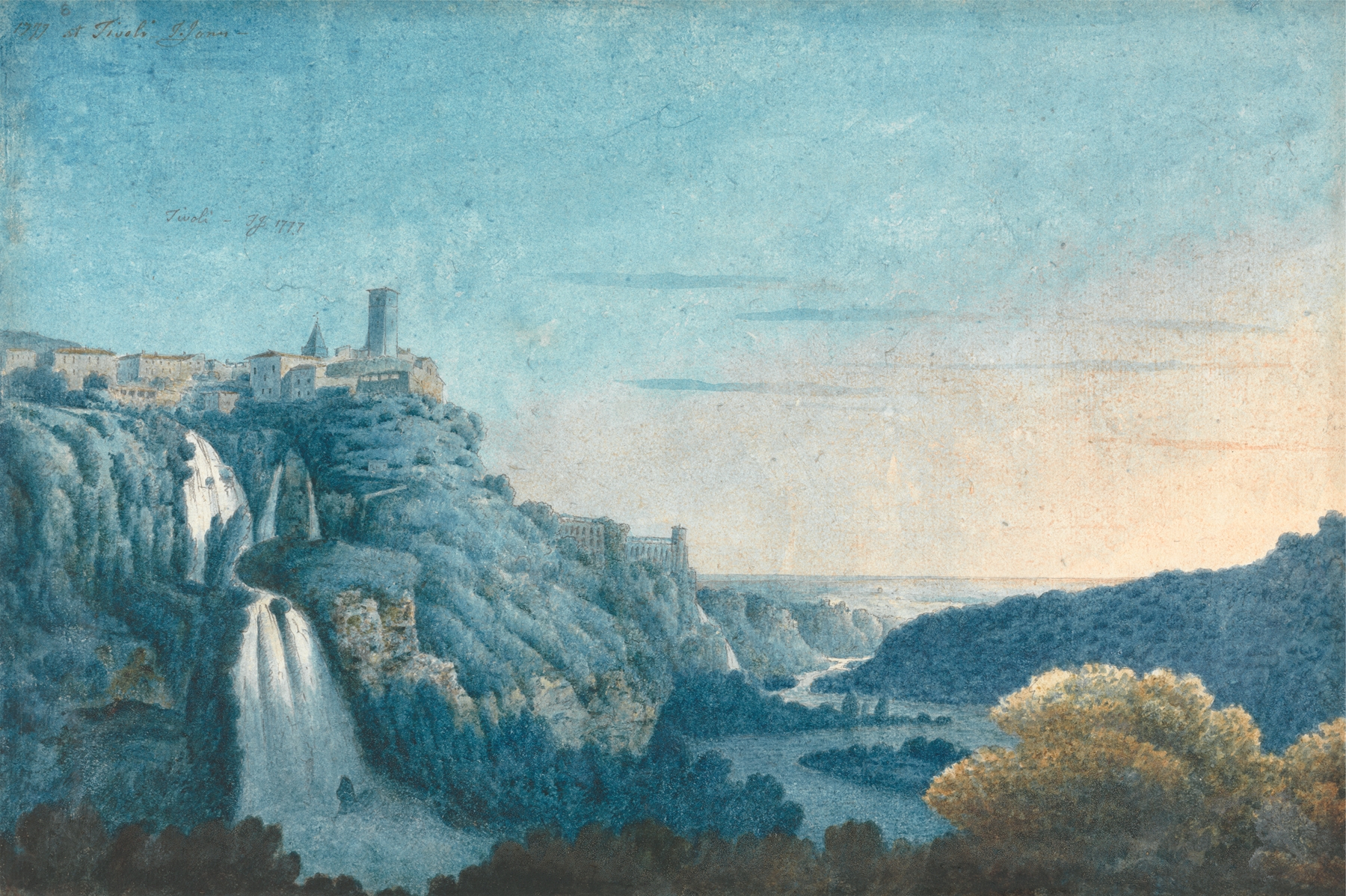
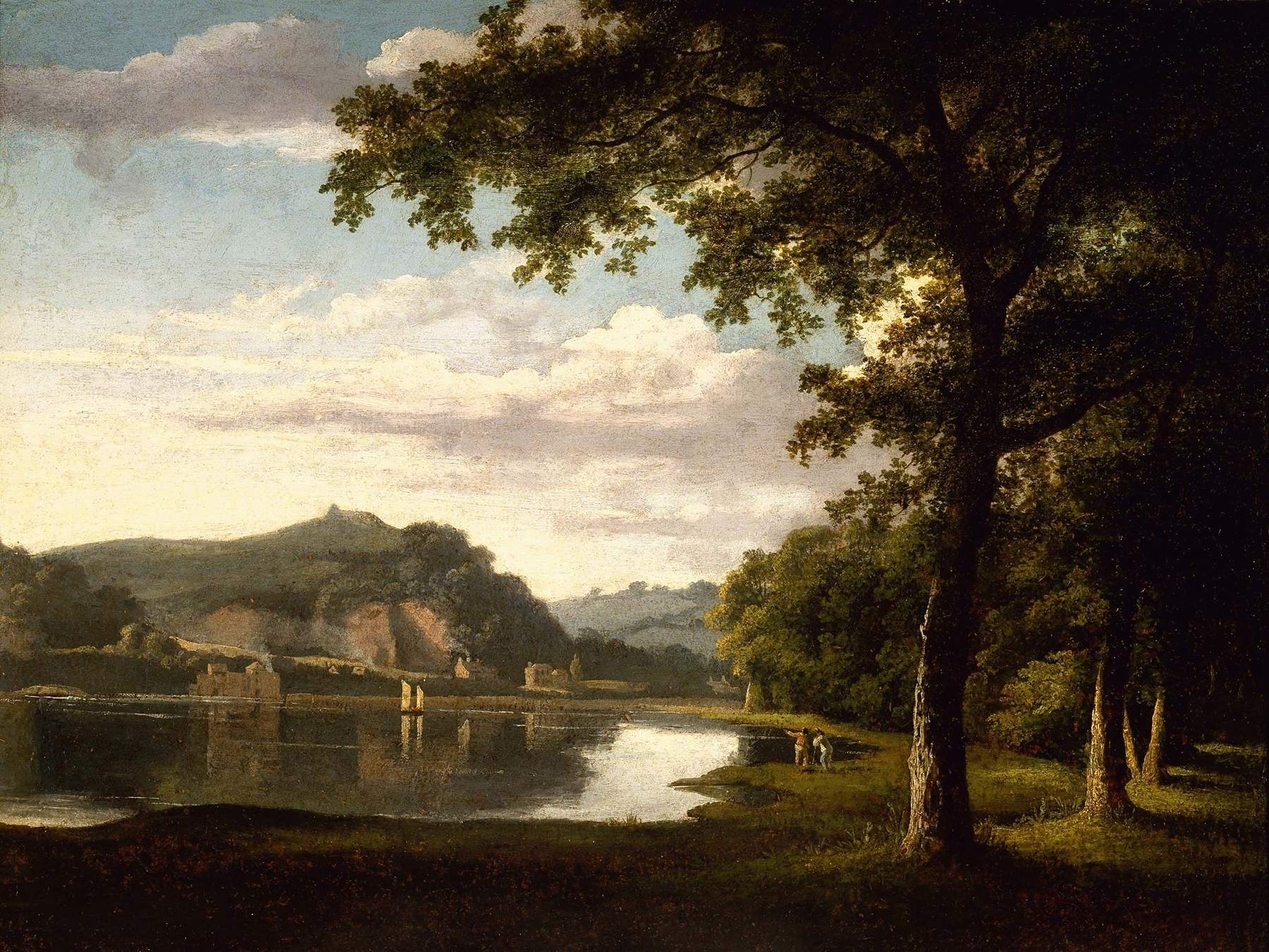
Can paint confess what words never could? In The Grotto at Posillipo, a serene landscape unfolds, pregnant with emotional whispers that float just beneath the surface of the canvas. Look to the center where the light filters through the natural arch, illuminating the lush foliage and rocky formations that cradle the scene. The delicate interplay of shadow and light adds depth, inviting the viewer to step into the tranquil embrace of this Italian grotto.
Notice the harmonious palette of greens and blues that evoke a sense of calm, while the soft brushstrokes capture the gentle movement of water, drawing your gaze along the winding path that leads deeper into the composition. Beneath the surface, the painting reflects a balance between nature's beauty and the subtle decay of time, revealing a dialogue between serenity and the inevitable march of nature. The jagged rocks, though stunning, hint at fragility, creating a contrast between the enduring landscape and the fleeting moment it captures. The figures, almost ghost-like in their blending with nature, suggest a harmonious coexistence, yet their faded presence evokes a sense of transience, pulling the viewer into contemplation.
Thomas Jones created this work in 1782 while residing in Italy, a choice that marked a significant period of artistic growth for him. At that time, the artist was exploring the influence of the picturesque movement, blending Romantic ideals with the classical landscape tradition. The art world was undergoing transformations, and Jones sought to encapsulate the enchantment of the Mediterranean, forging an intimate connection between viewer and nature through his brush.