Larici from the Convent of the Galoro — History & Analysis
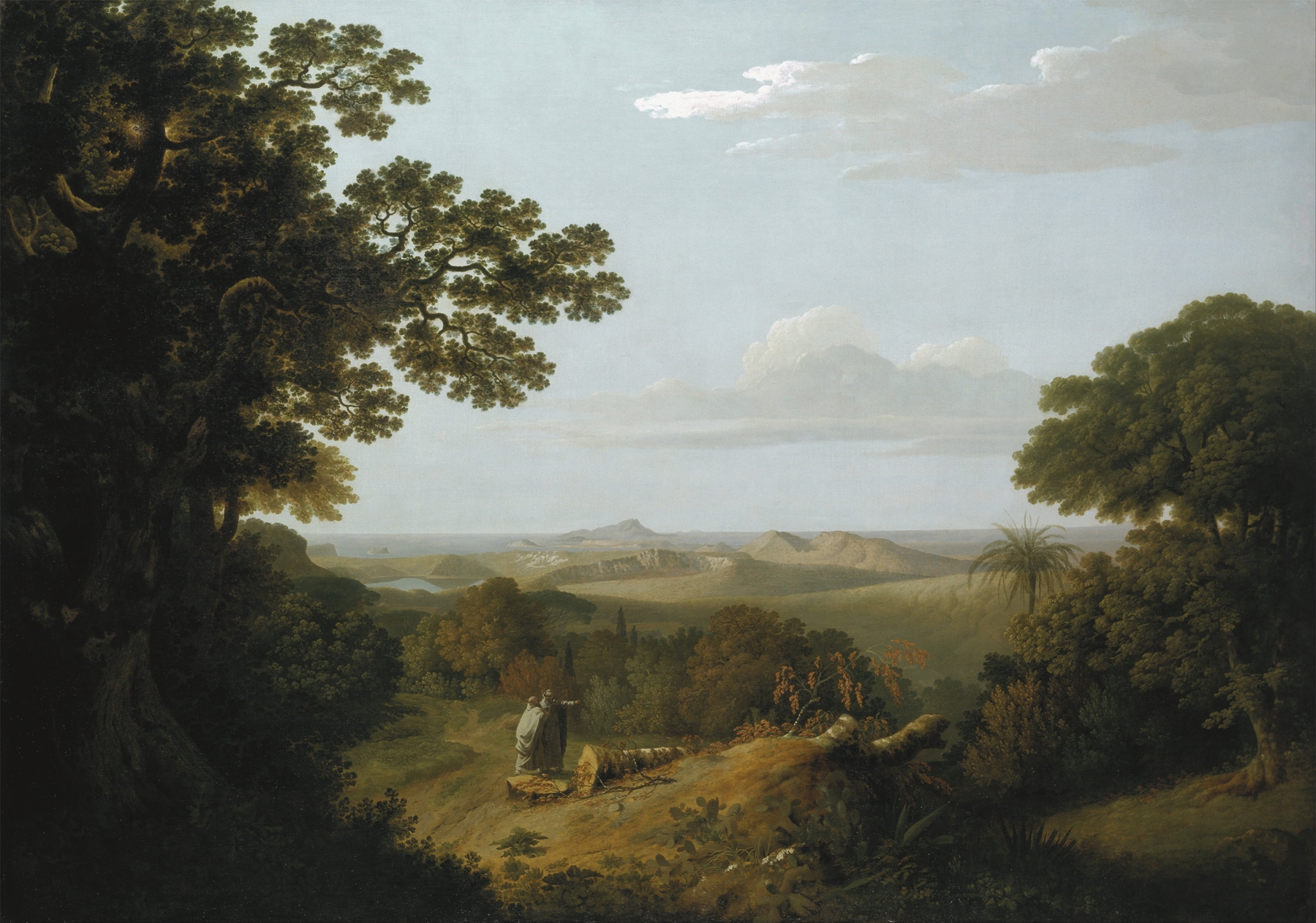
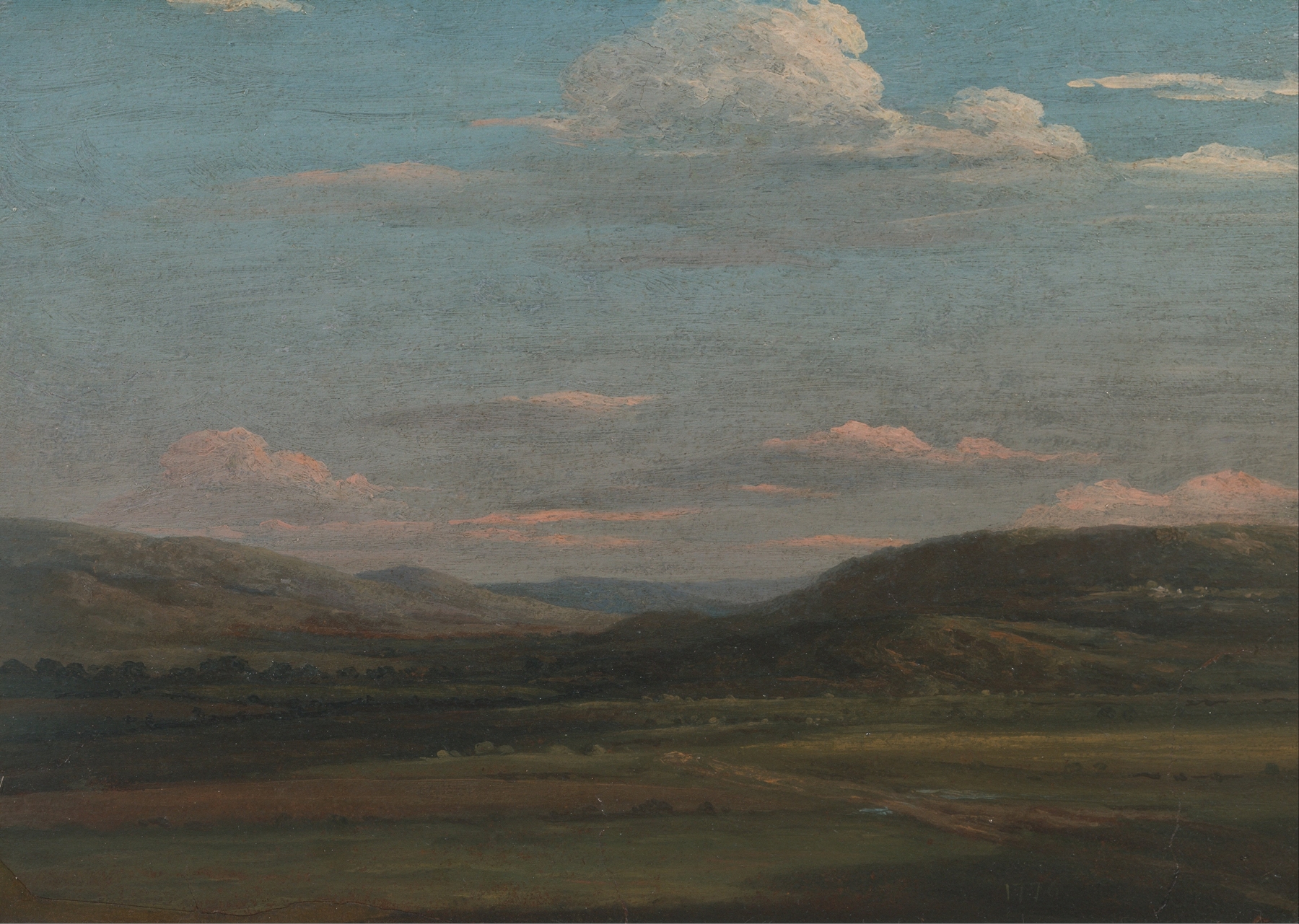
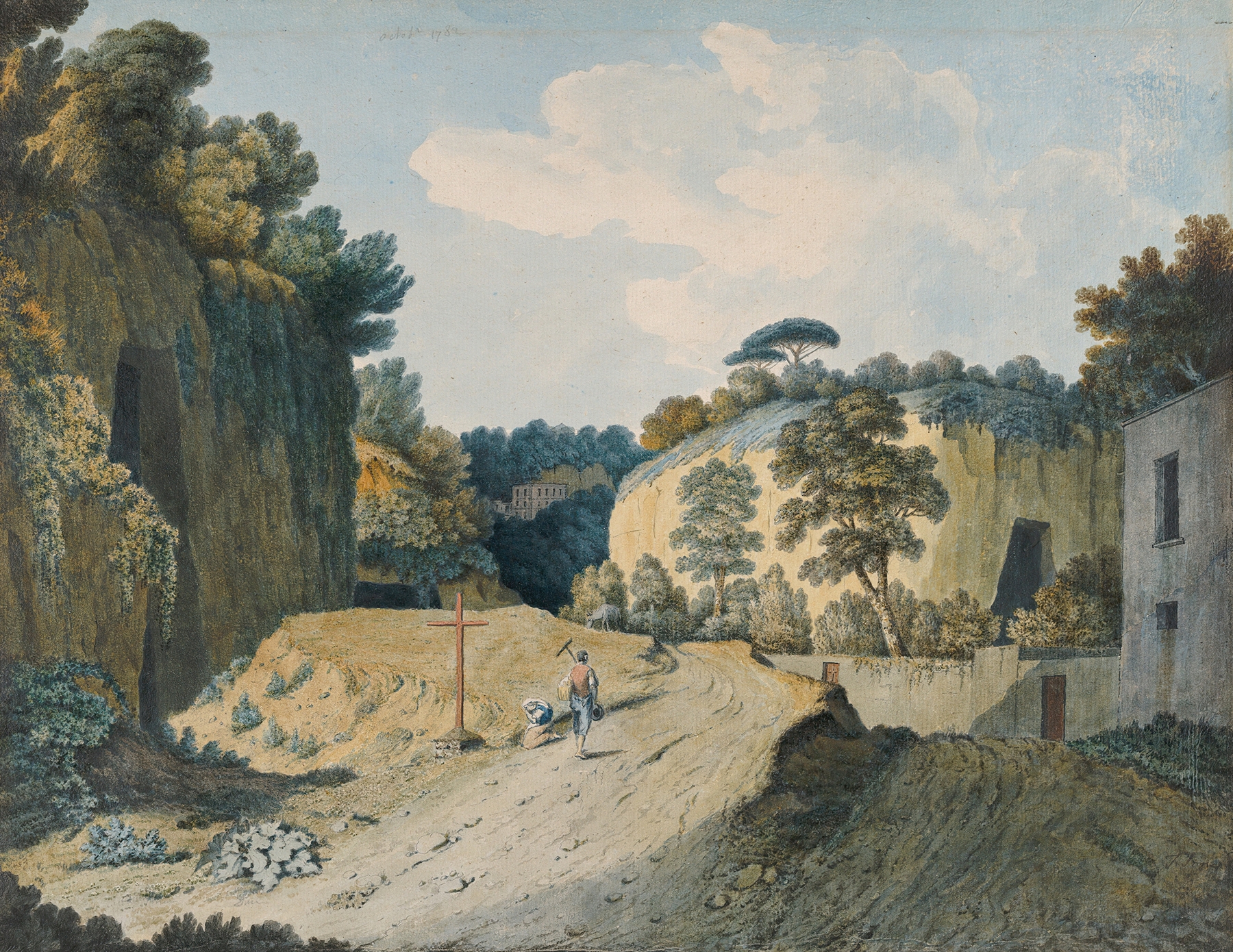
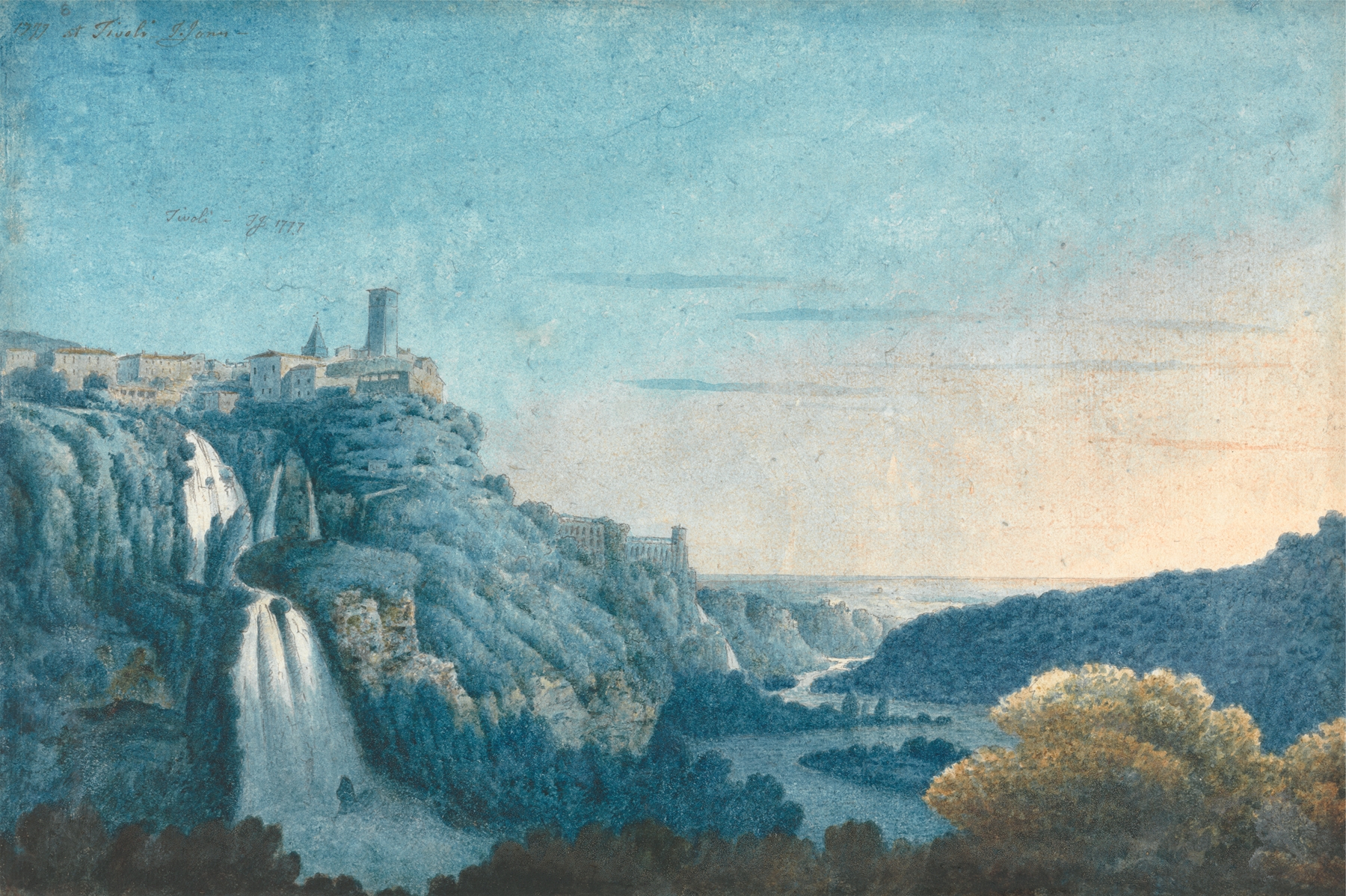
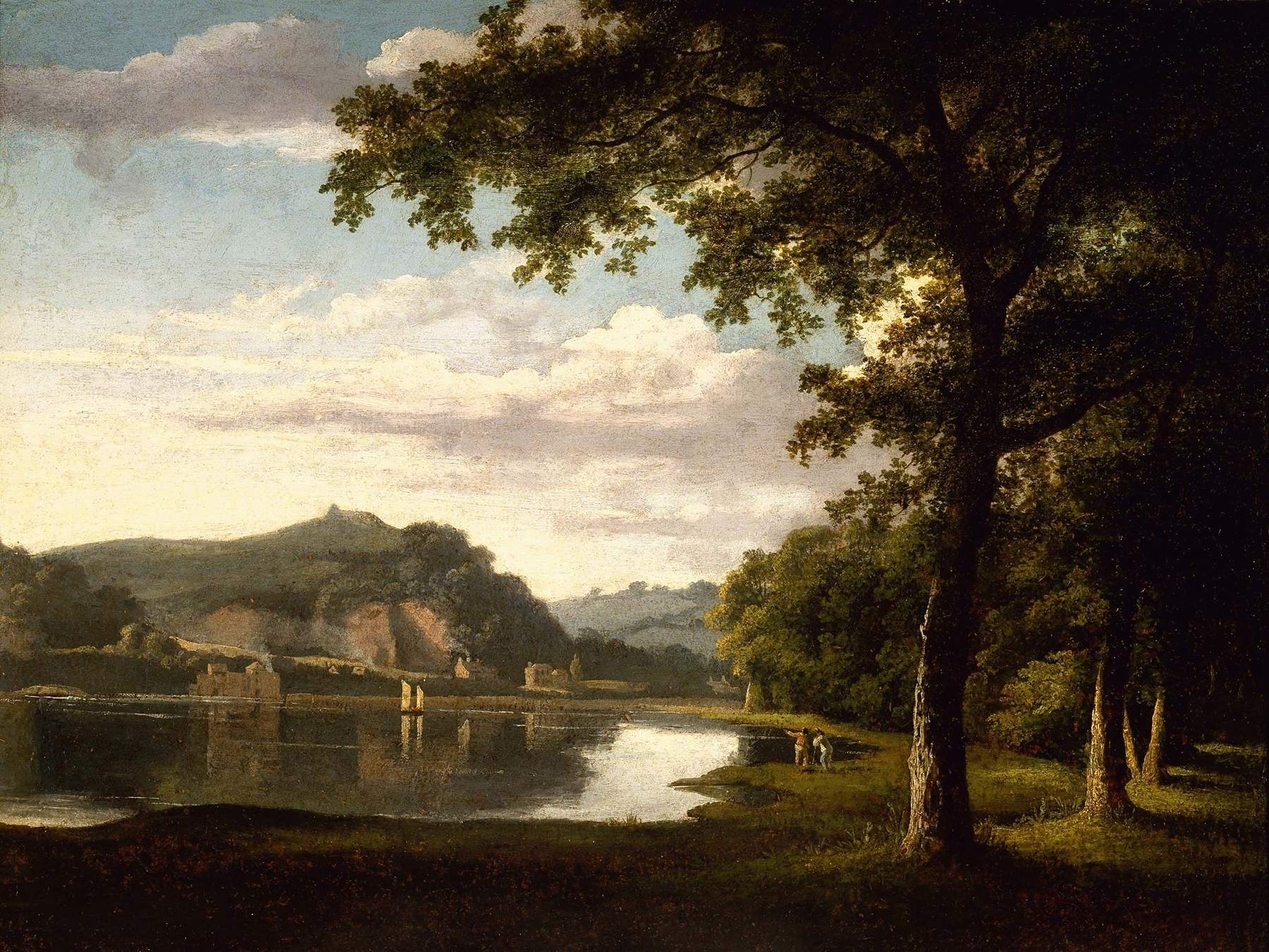
What if silence could speak through light? In the delicate embrace of Thomas Jones's Larici from the Convent of the Galoro, the landscape resonates with a profound sense of nostalgia, inviting us to listen to its unspoken stories. Focus on the gentle sweep of the horizon, where soft, muted colors blend seamlessly, evoking a tranquil atmosphere. The viewer's gaze is drawn first to the towering trees that stand with an almost sentinel-like presence.
Notice how the dappled light filters through the foliage, casting intricate shadows that dance upon the ground, highlighting the quiet majesty of the natural world. The composition is masterfully balanced, with the convent nestled harmoniously into the serene landscape, suggesting a symbiotic relationship between human creation and nature. Beneath its serene exterior lies a subtle tension—an exploration of solitude and memory. The trees can symbolize the passage of time, steadfast yet ephemeral, while the convent hints at human fragility amid the permanence of nature.
Each brushstroke captures not just the physical beauty of the scene but also an emotional landscape teeming with reflections on isolation and peace, urging the viewer to contemplate their own connections to the past. In 1777, while residing in Italy, Jones painted this piece during a transformative period in his life. It was a time when he was deeply influenced by the picturesque style, seeking to capture not just the visual elements of nature but also its emotional resonance. The world of art was shifting towards Romantic ideals, and Jones found himself at the forefront, weaving together his personal experiences with the lush landscapes that surrounded him, ultimately forging a unique voice that would resonate through his work.