Tivoli — History & Analysis
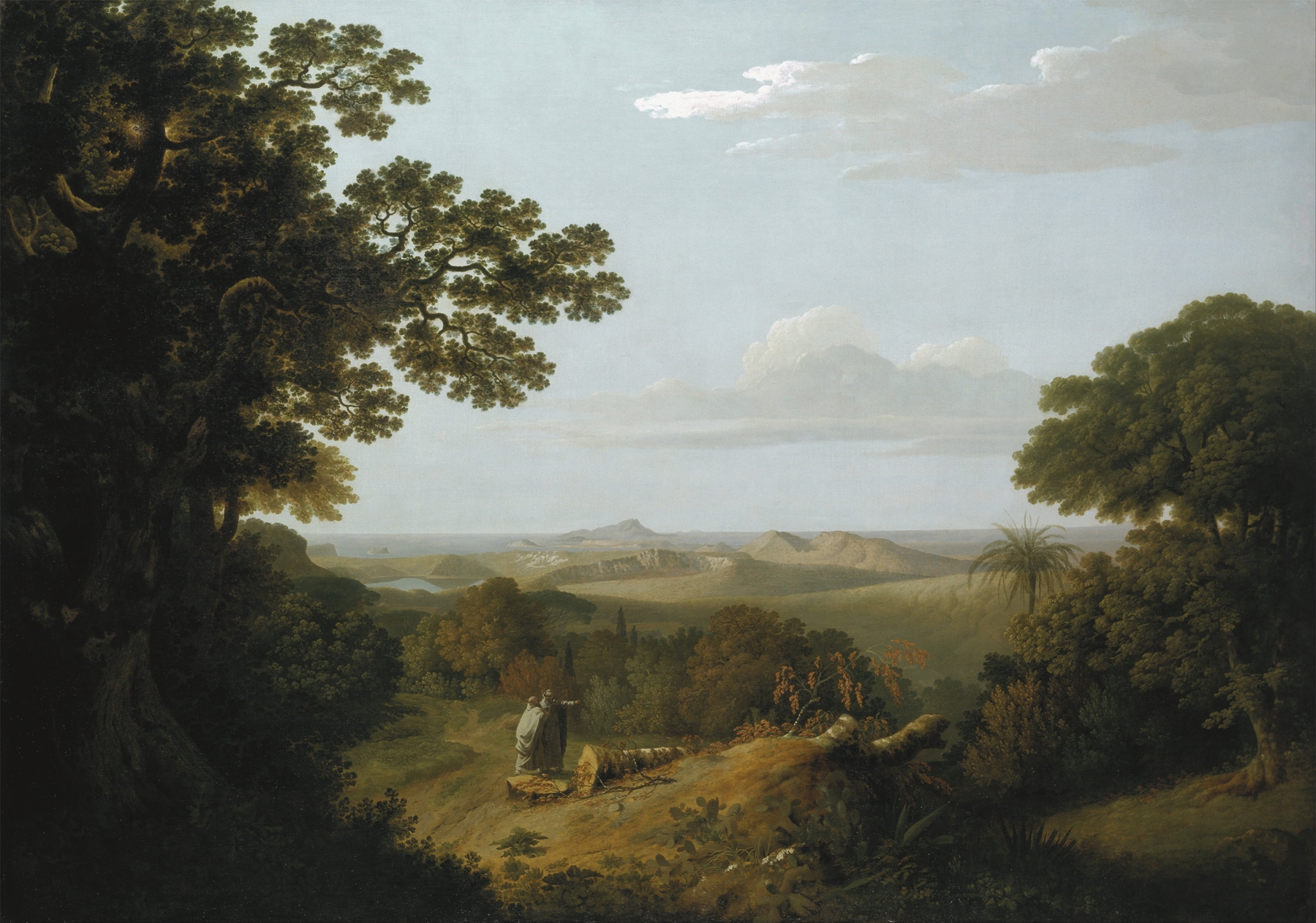
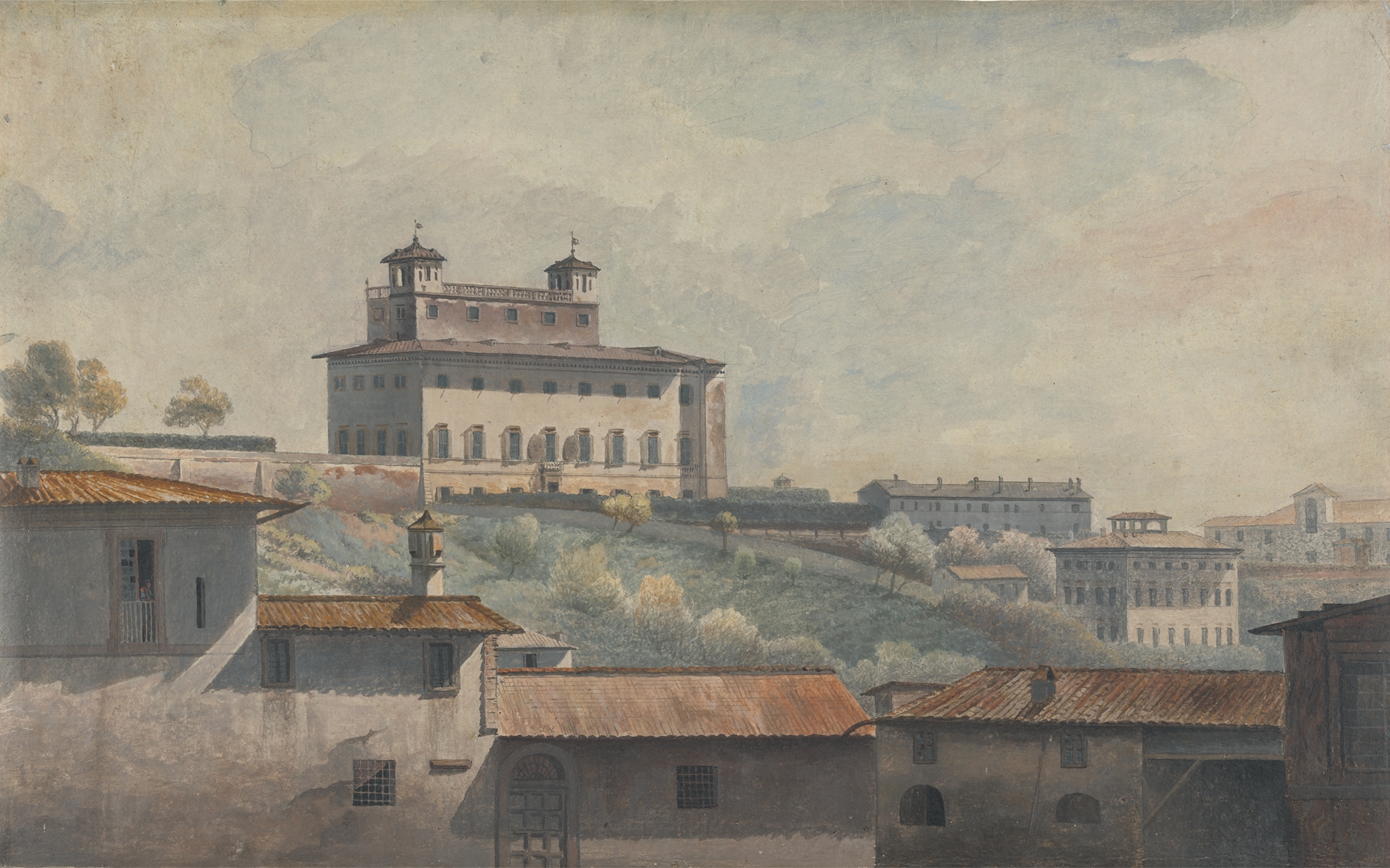
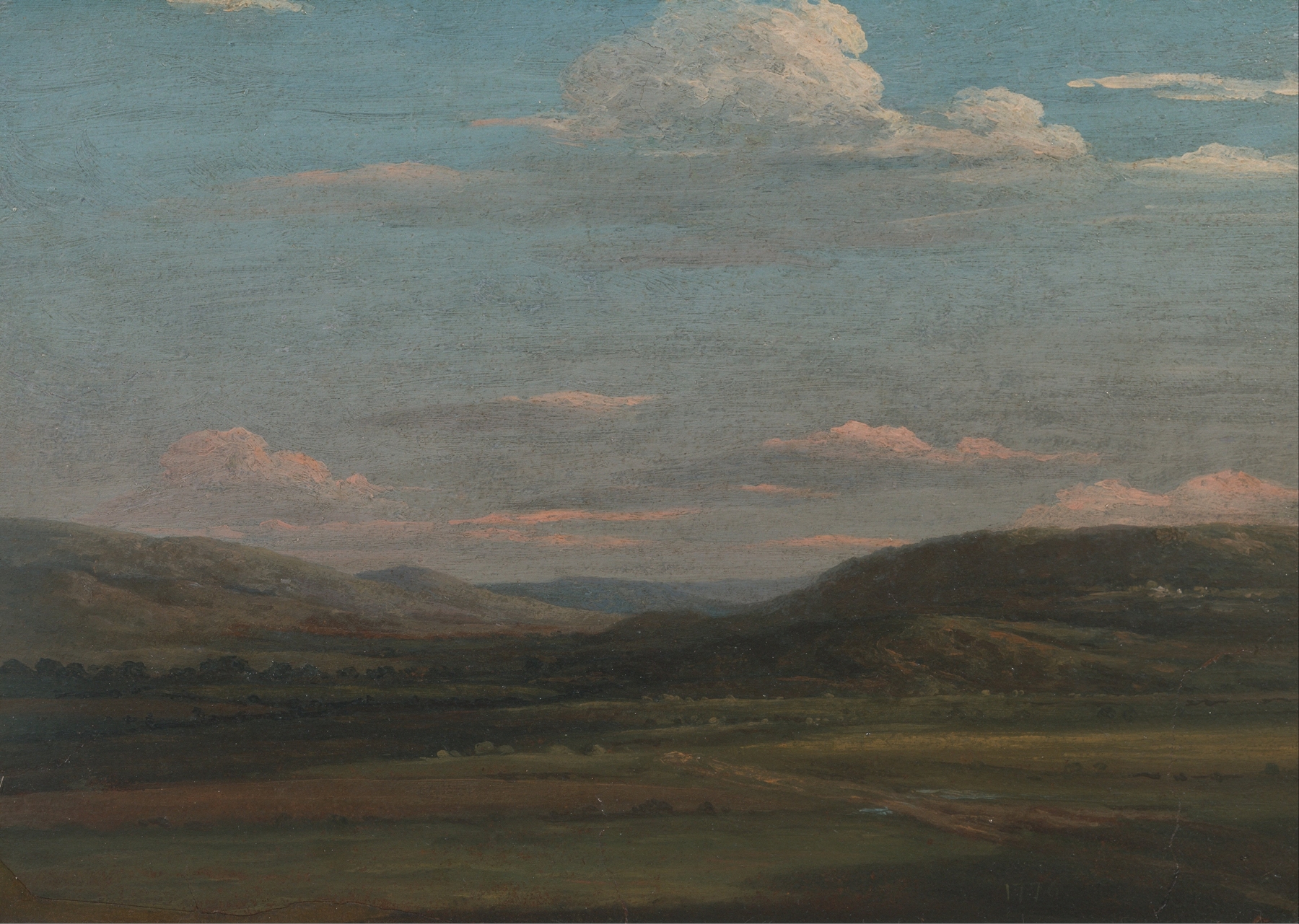
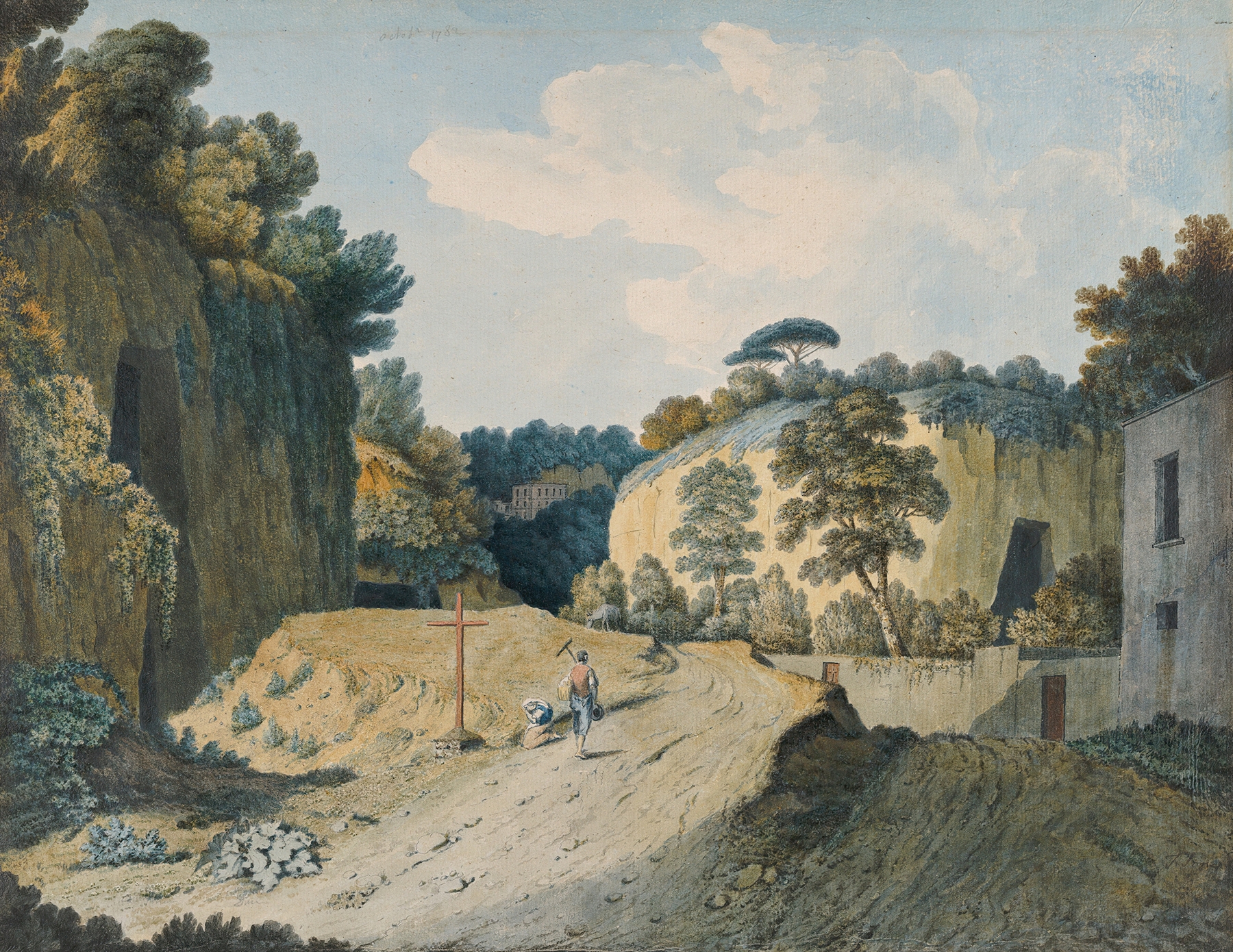
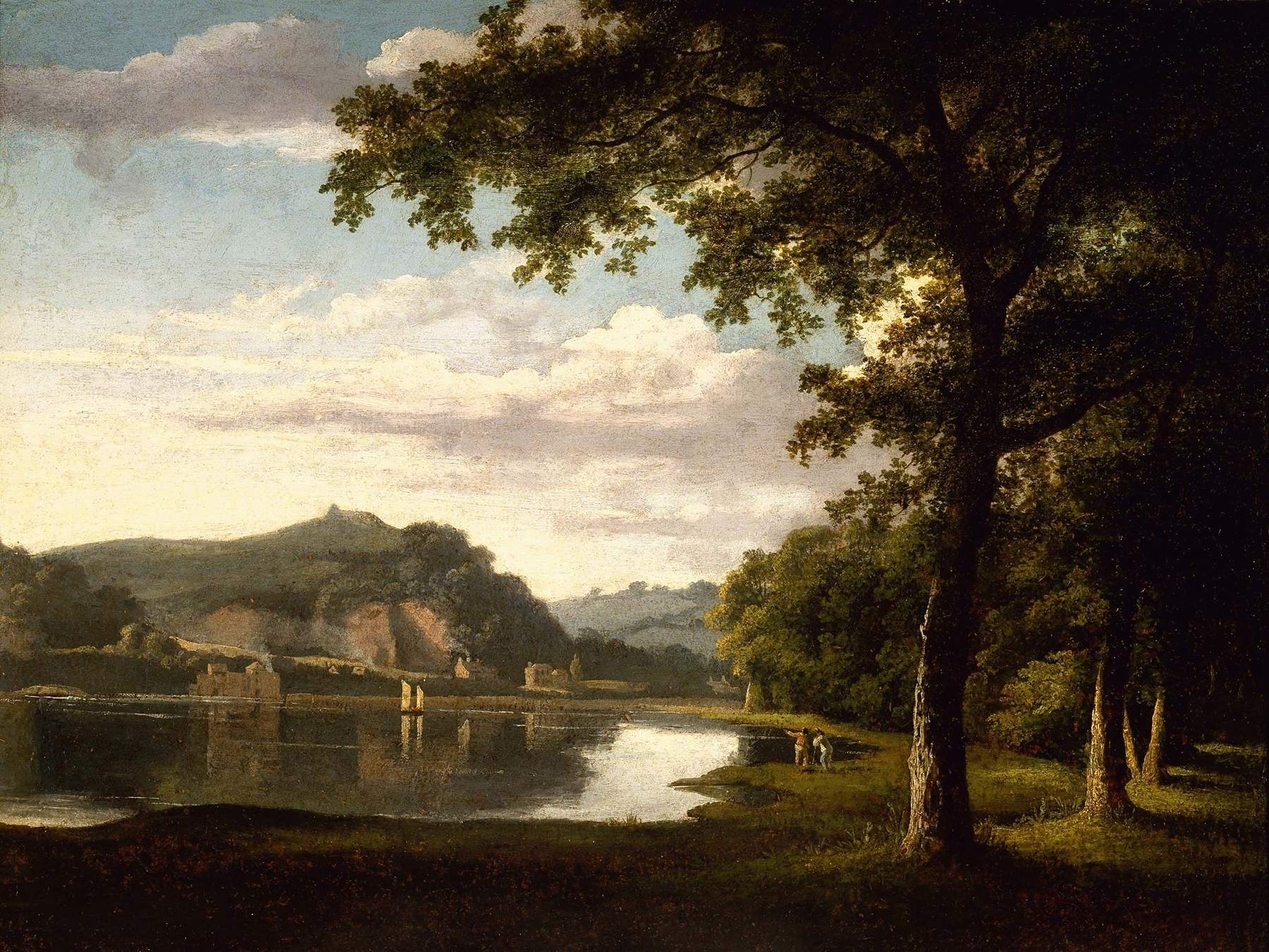
“To paint is to remember what time wants us to forget.” In the act of creating, innocence is captured like fireflies in a jar, glowing softly against the fabric of history. Look to the left at the lush greenery, where the vivid strokes of green come alive. The artist employs a delicate palette of blues and earthy tones, inviting the viewer to journey into a serene landscape that teems with life. The winding river snakes through the foreground, reflecting the gentle hues of the sky, while the towering trees frame the scene, creating a sense of enclosure and intimacy.
This delicate balance of light and shadow heightens the sense of tranquility that envelops the viewer. A deeper examination reveals the juxtaposition between nature's immutability and the fleeting moments of human experience. Notice the small figures in the distance, seemingly caught in their own world, embodying a naive bliss that contrasts with the timeless landscape around them. The painting whispers of an untainted existence, drawing attention to the delicate harmony between humanity and nature, while hinting at a more profound longing for simplicity in a rapidly changing world.
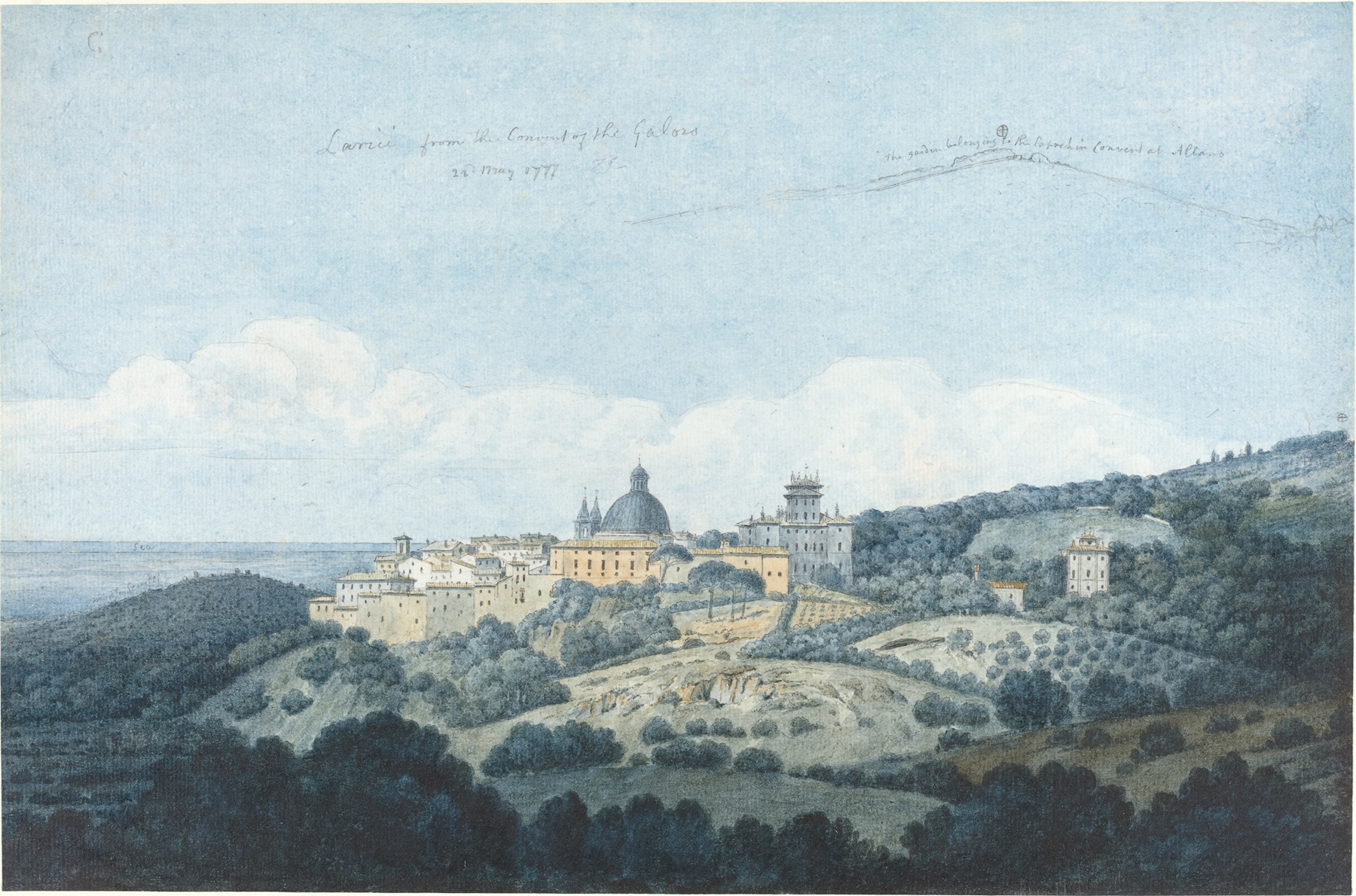
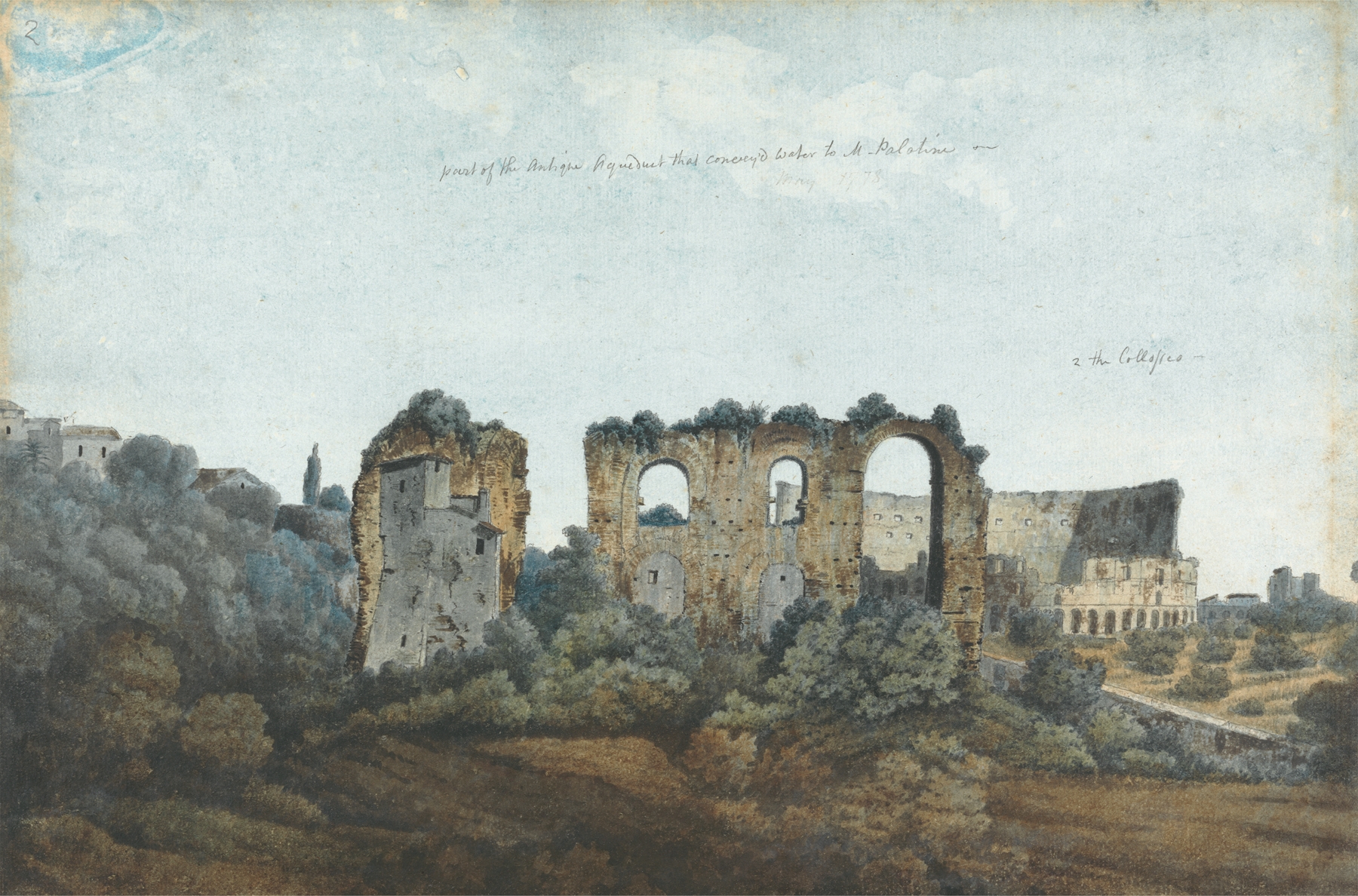
In 1777, the artist was navigating the currents of the picturesque movement, a time when landscapes were infused with both beauty and emotion. Working in Italy, he sought to capture the essence of the Roman countryside, a place that signified both inspiration and nostalgia. This painting served as a reflection of his experiences, marking a moment where past and present intertwine, allowing viewers to connect with a sense of innocence that transcends time.