L’avant port de Fécamp (Normandie) — History & Analysis
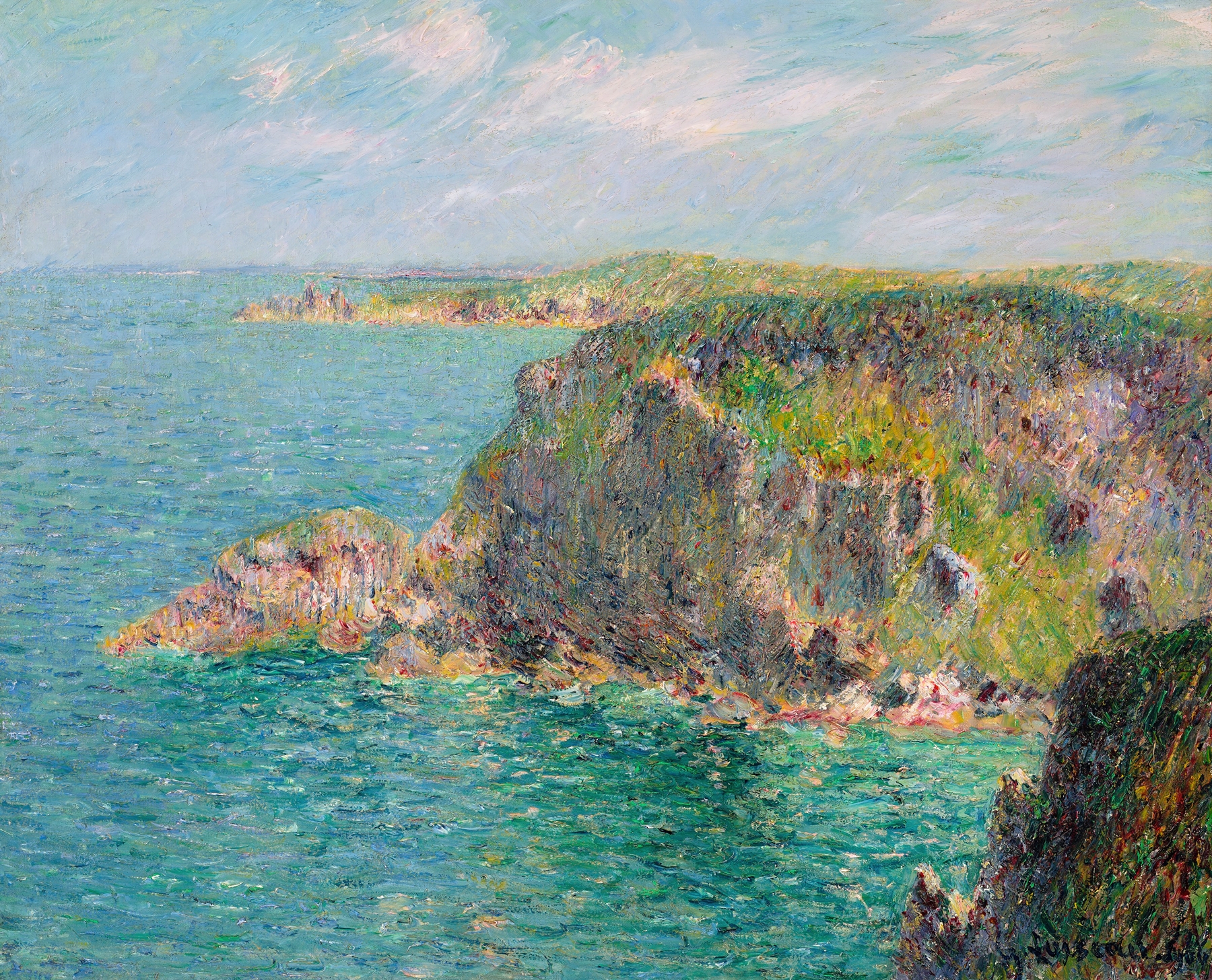
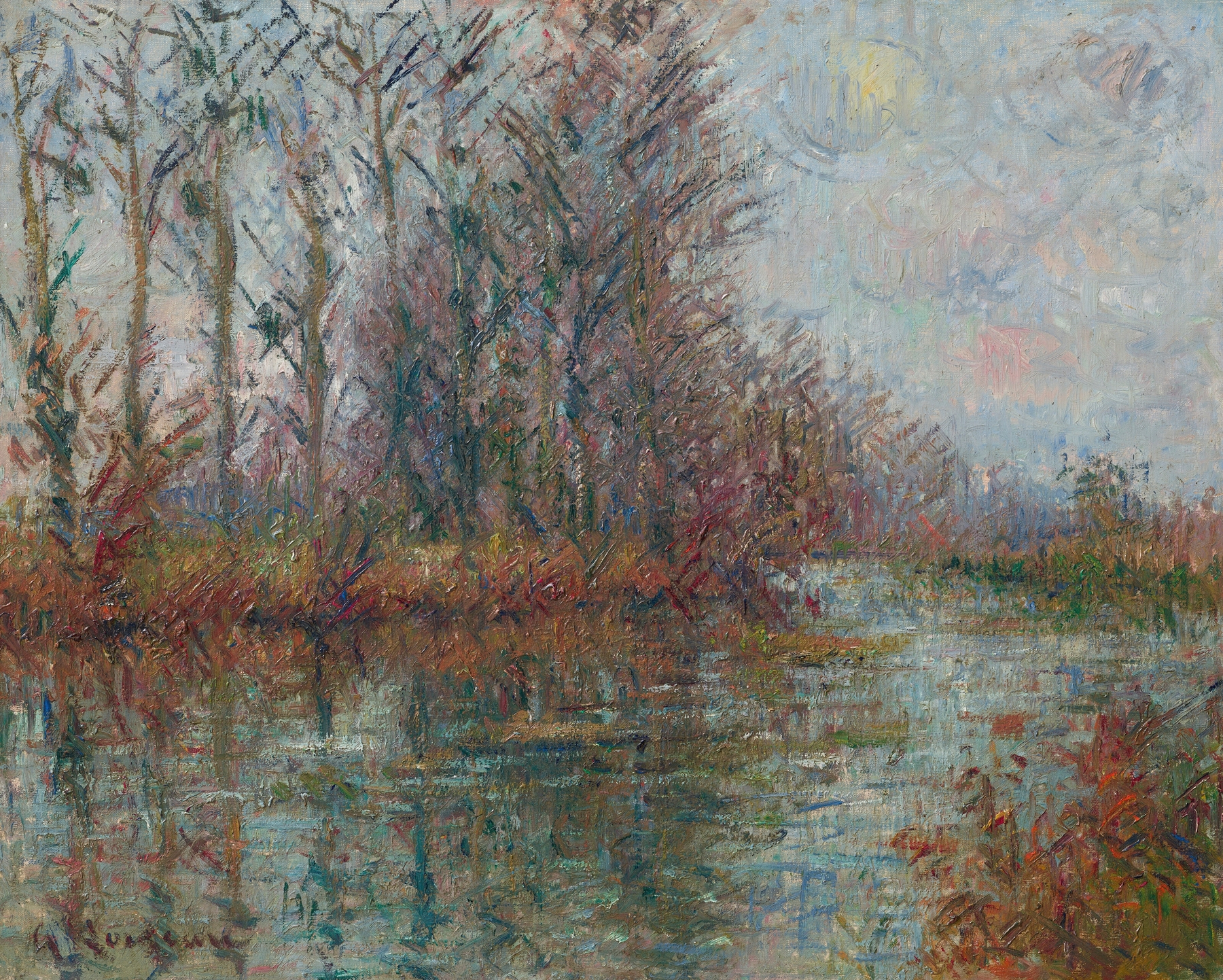
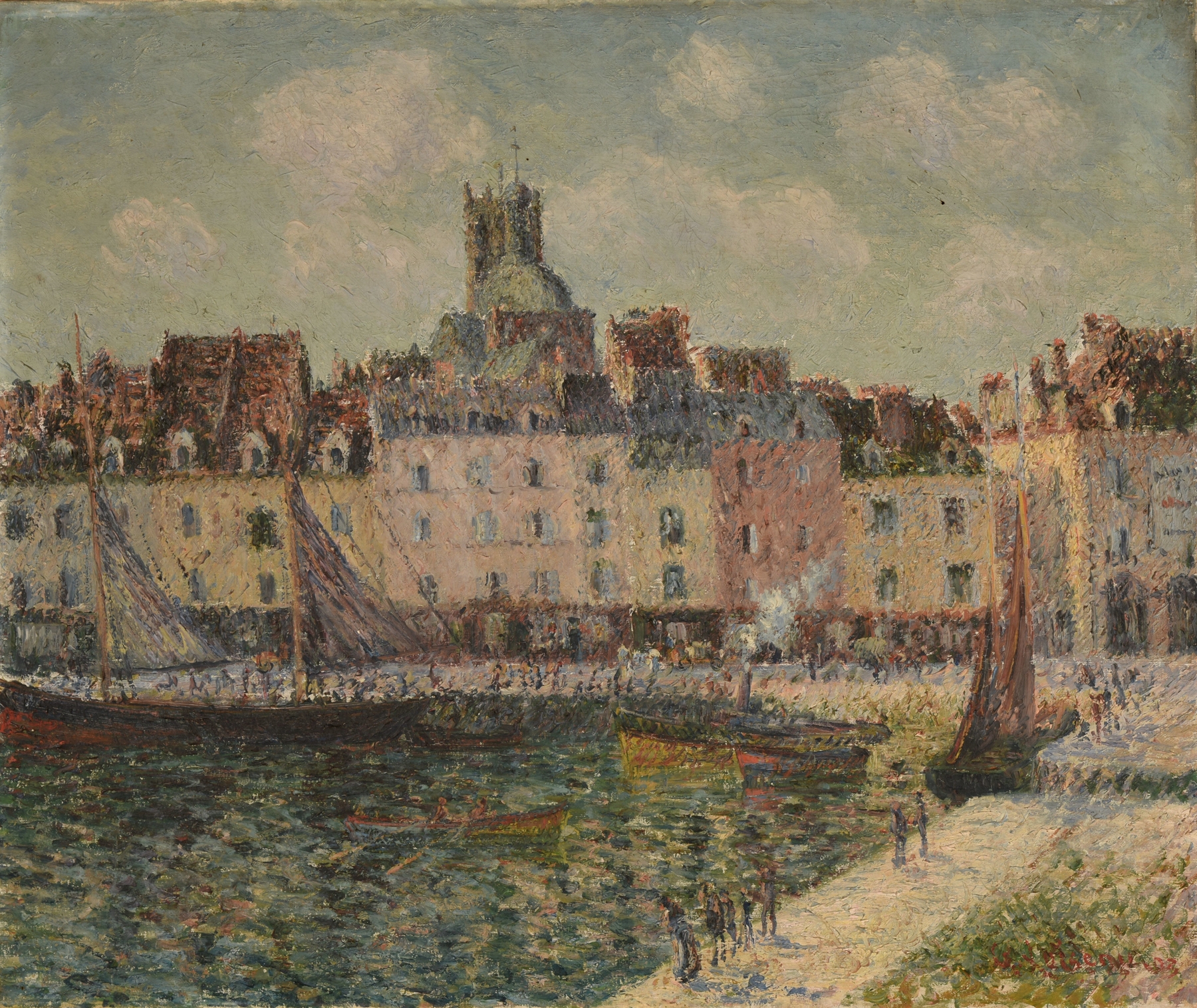
Can paint confess what words never could? In Gustave Loiseau's L’avant port de Fécamp (Normandie), beauty spills onto the canvas, whispering secrets of a serene coastal life that is both inviting and profound. Look to the center of the composition where the harbor dances with a soft, crystalline light, illuminating the glistening waters. The palette breathes life, with gentle blues and vibrant greens that reflect the painter’s keen eye for nature’s subtleties.
Notice how the brushstrokes vary, from delicate to vigorous, creating textures that draw you into the scene — a moment frozen yet alive with movement. The boats, bobbing gently, lead your gaze toward the horizon, where the sky melts seamlessly into the sea. Beneath the tranquil surface lies a tension between nature's calmness and the industriousness of human presence. The juxtaposition of the vibrant harbor against the serene sky serves to highlight the relationship between mankind and the environment — a delicate balance.
The solitude of the scene evokes a sense of introspection, inviting viewers to ponder what lies beyond the physical realm, whether dreams or aspirations linger in the distance. Loiseau painted this piece in 1920, during a period of personal exploration and renewal following the turmoil of World War I. Based in France, he was part of the Post-Impressionist movement, which sought to capture the essence of light and color. His works during this time reflect not only a masterful technique but also a deep appreciation for the beauty of everyday life, encapsulating a moment that resonates with viewers across generations.