Le Bassin de la Villette en hiver — History & Analysis
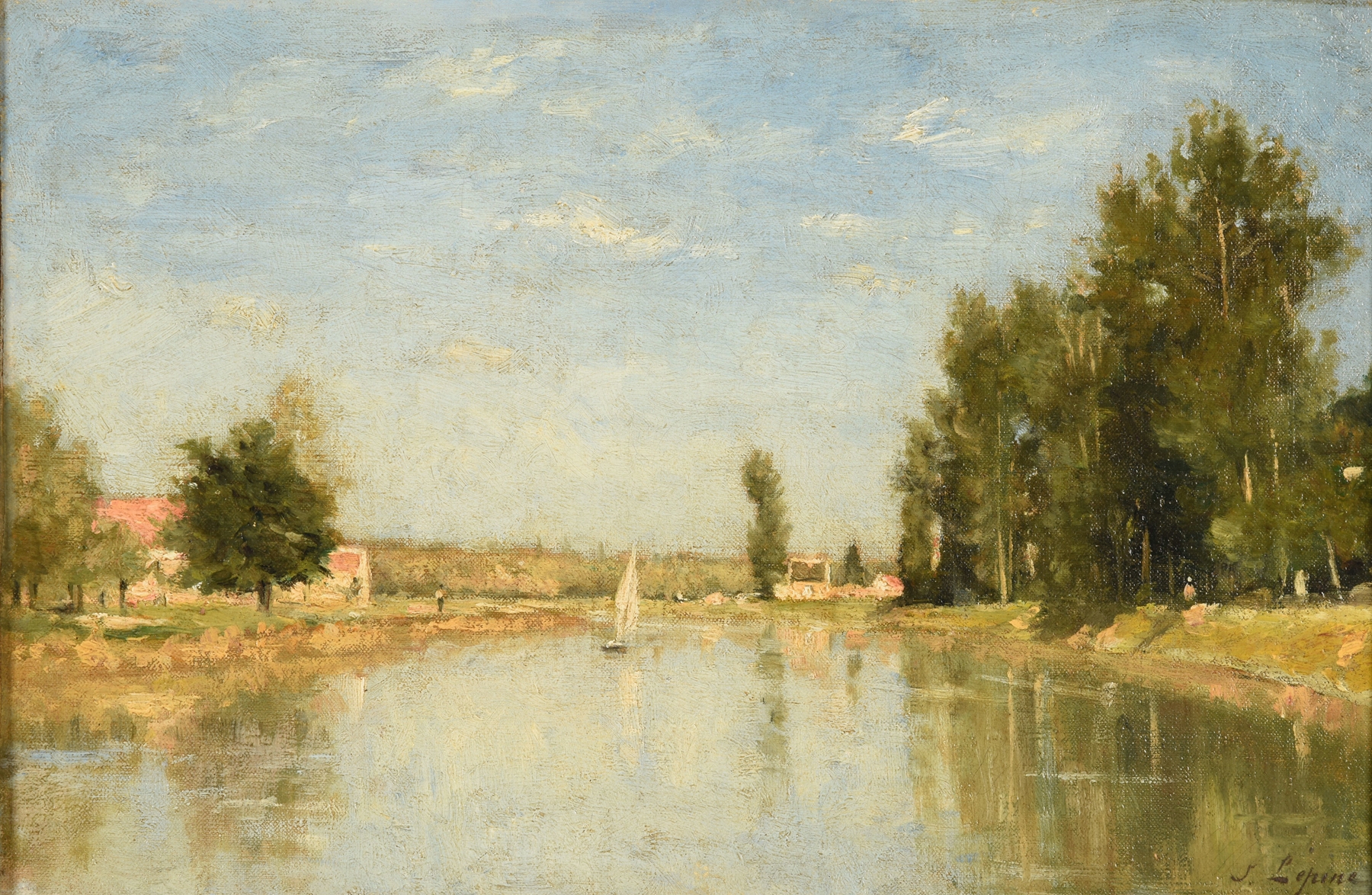
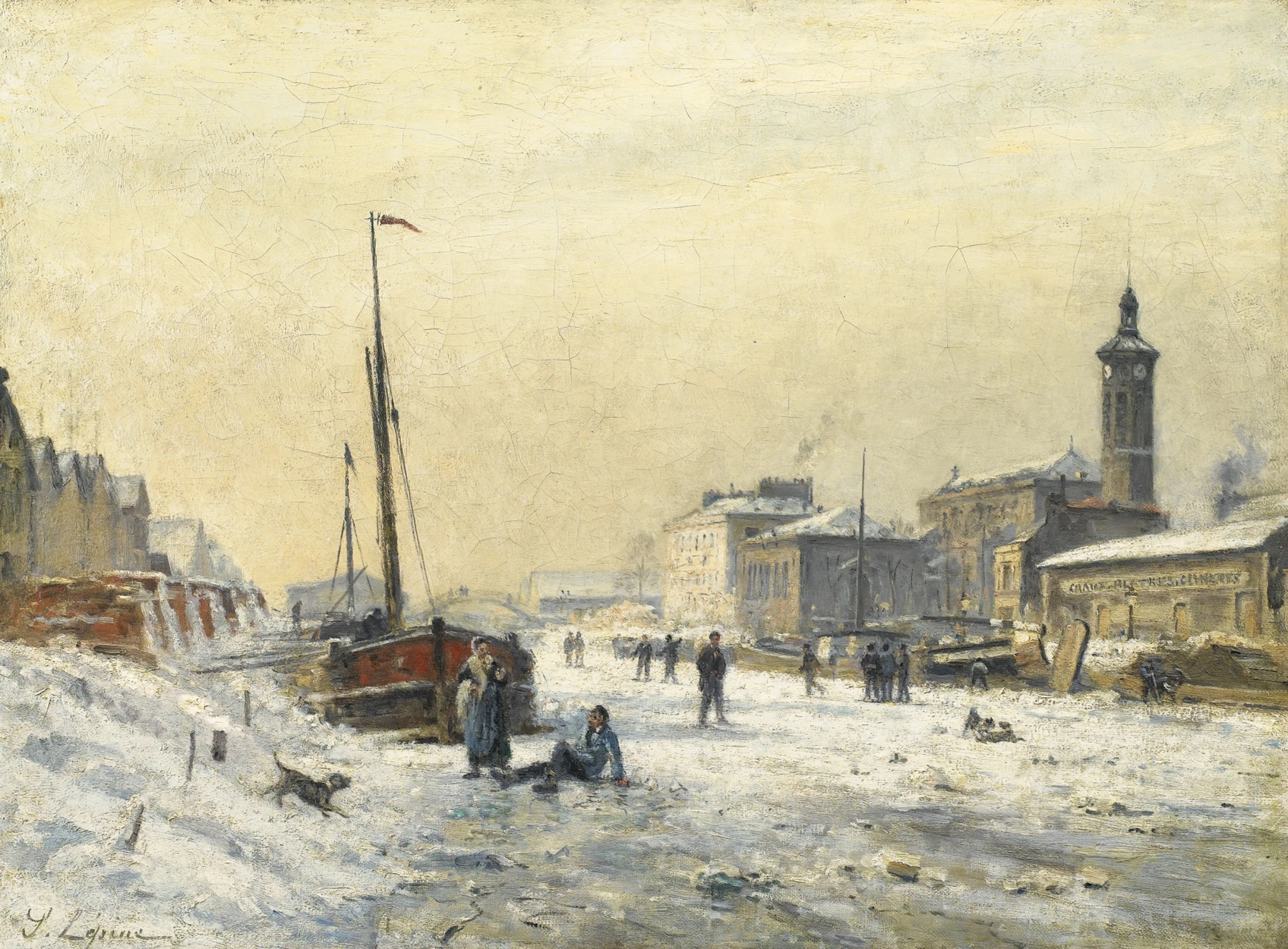
What if silence could speak through light? In Le Bassin de la Villette en hiver, chaos is transformed into a tranquil stillness, revealing the hidden harmony within winter's grasp. Look to the left at the silvery expanse of water, where the reflections of bare trees ripple gently upon the surface. The foreground draws you in with muted tones of grey and blue, while hints of ochre add warmth to the wintry landscape. Notice how the soft brushwork merges sky and water, creating a seamless blend that feels both eternal and ephemeral.
The faint light diffusing through clouds lends a somber yet serene atmosphere, inviting contemplation amid the chill of winter. Beneath this serene aesthetic lies a tug-of-war between stillness and the chaos of nature's cycle. The line of stark, skeletal trees hints at a quiet resilience, standing firm against the encroachment of winter's harshness. The scattered leaves, remnants of autumn, suggest the fleeting nature of time, caught between the vibrant chaos of past seasons and the starkness of the present.
This painting encapsulates the tension between life and stillness, where the cold breath of winter becomes a canvas for reflection rather than despair. Stanislas Lépine created this work during a period when he explored the themes of nature with a keen eye, focusing on landscapes that echoed his inner state. Painted in the late 19th century, it reflects the artist's experimentation with light and atmosphere, a response to the evolving art movements of his time, particularly Impressionism. While navigating his own struggles, Lépine sought solace in the beauty of everyday scenes, capturing moments that resonated deeply with the human experience.