
View on the Seine, Paris — History & Facts
A broad stretch of the Seine fills the foreground, its gently rippling surface rendered in loose, horizontal strokes that catch the shifting light. To the left, a large barge sits anchored near the riverbank, with two figures standing at its edge—one upright with a pole, the other leaning forward in a relaxed stance. A small rowboat floats nearby, tethered to the barge, its dark hull contrasting with the shimmering water.
Figures dot the embankment, some walking along the water’s edge, others pausing as if in conversation or work, animating the scene with subtle gestures. The sky occupies more than half the composition, filled with diffuse, silvery clouds that drift across a bright, even light, bathing the entire view in a gentle haze. Lépine’s brushwork is delicate and fluid, with visible strokes that suggest movement in the water and atmosphere, while the forms remain clear and quietly structured.
The palette is restrained, dominated by cool greys, soft whites, and muted earth tones, which unify the river, sky, and city into a harmonious whole. Stanislas Lépine painted View on the Seine, Paris around 1872, capturing a tranquil moment along the city’s river. According to the Art Institute of Chicago, the painting was first sold by the artist to Durand-Ruel in Paris in January 1888, then transferred to their New York gallery later that month. Durand-Ruel sold the work to William L.
Andrews in February 1888, bought it back in October 1888, and then sold it to Mrs. J. J.
Borland of Chicago in 1895; it later passed by descent to Chauncey Borland, who gave it to the Art Institute in 1964.
Sources: Art Institute of Chicago, record 1964.208 · Wikidata Q20268917
More Artworks by Stanislas Lépine

Le pont Saint-Michel
Stanislas Lépine
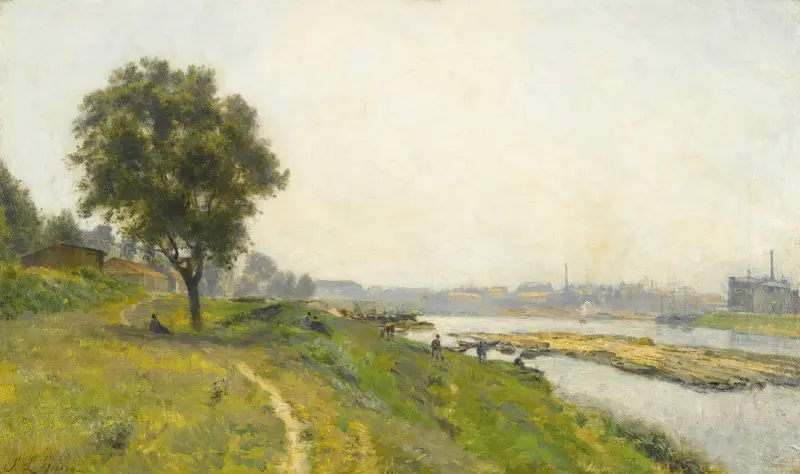
Ivry-Sur-Seine. Le Confluent Avec La Marne
Stanislas Lépine
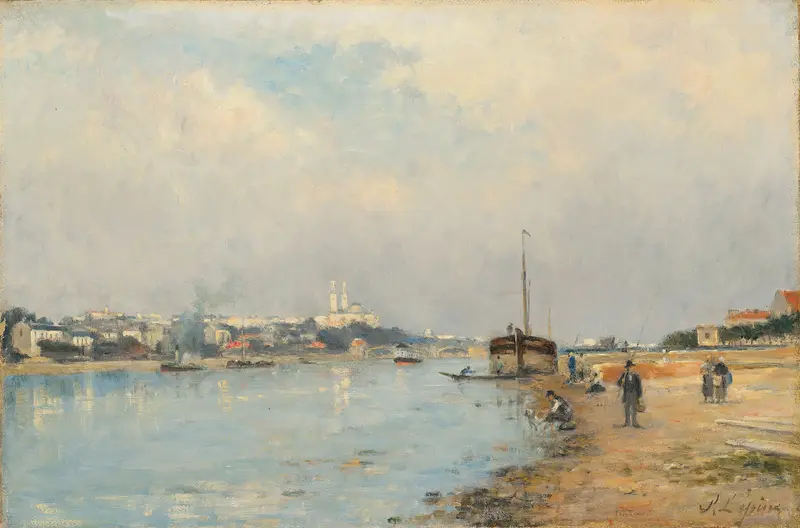
La Seine. Le Trocadéro et le pont de Grenelle, vus du quai de Javel
Stanislas Lépine
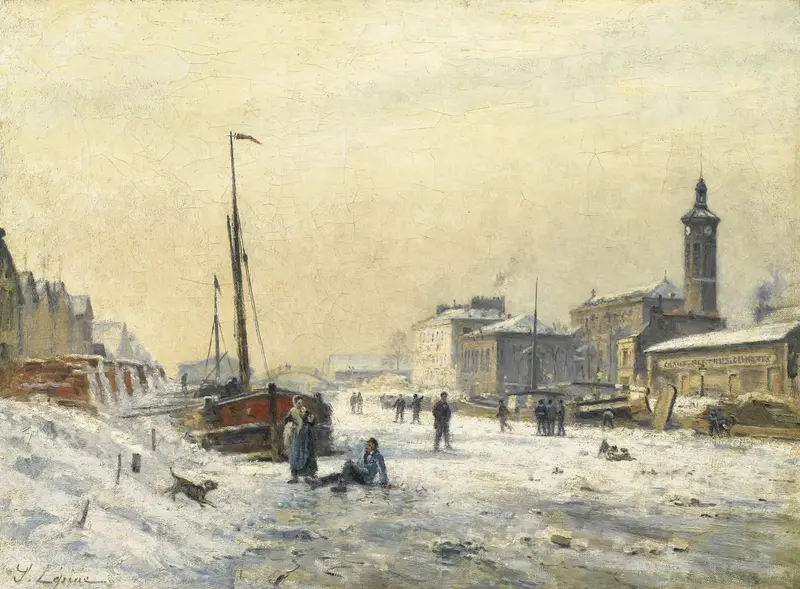
Le Bassin de la Villette en hiver
Stanislas Lépine
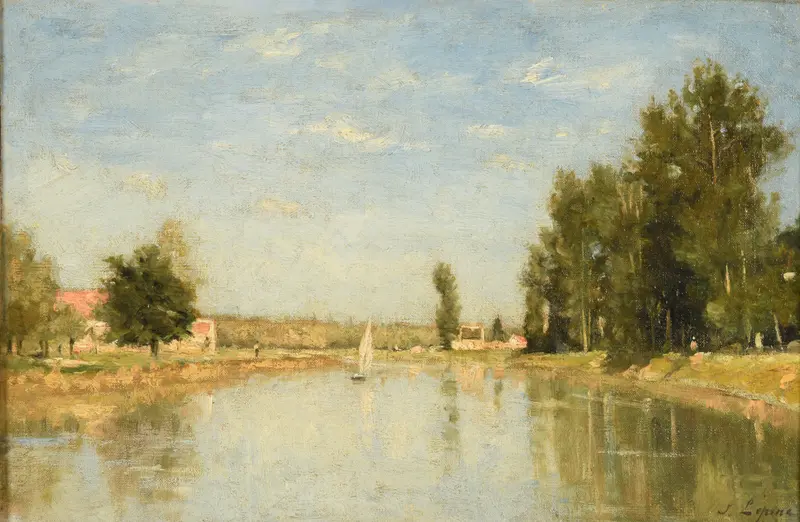
Les Bords de la Marne
Stanislas Lépine
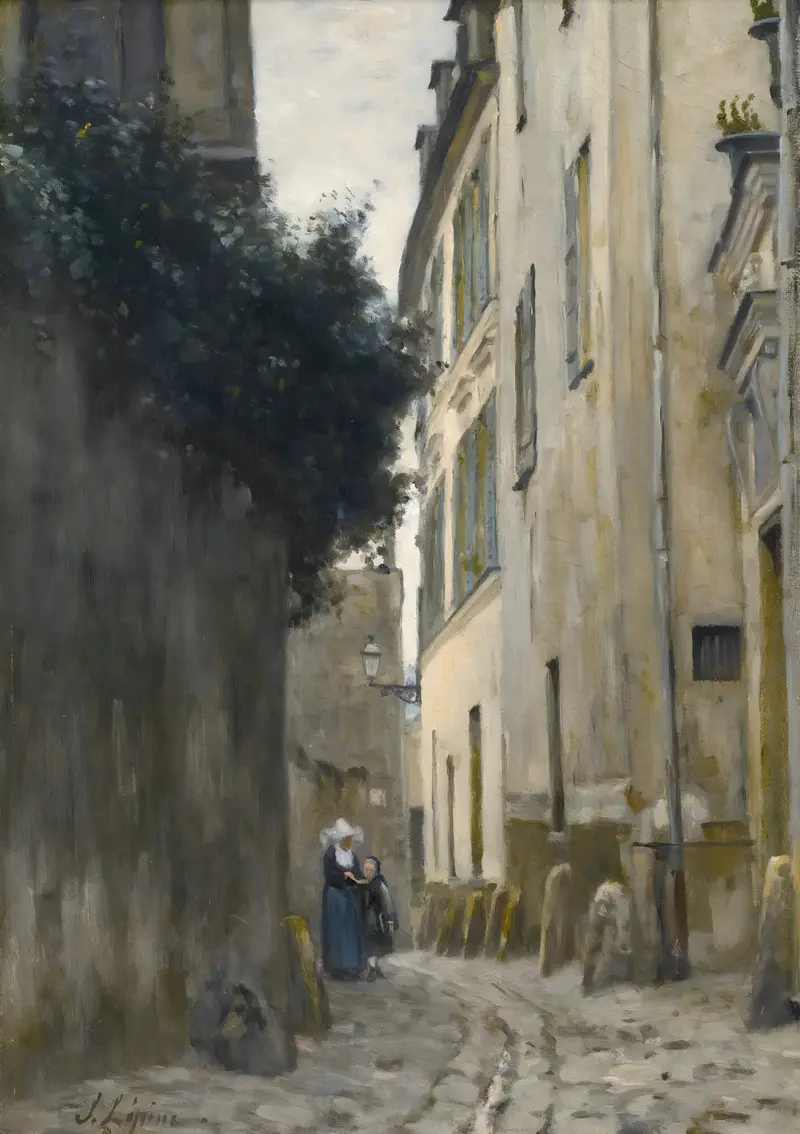
Montmartre. La Rue Saint-Vincent
Stanislas Lépine
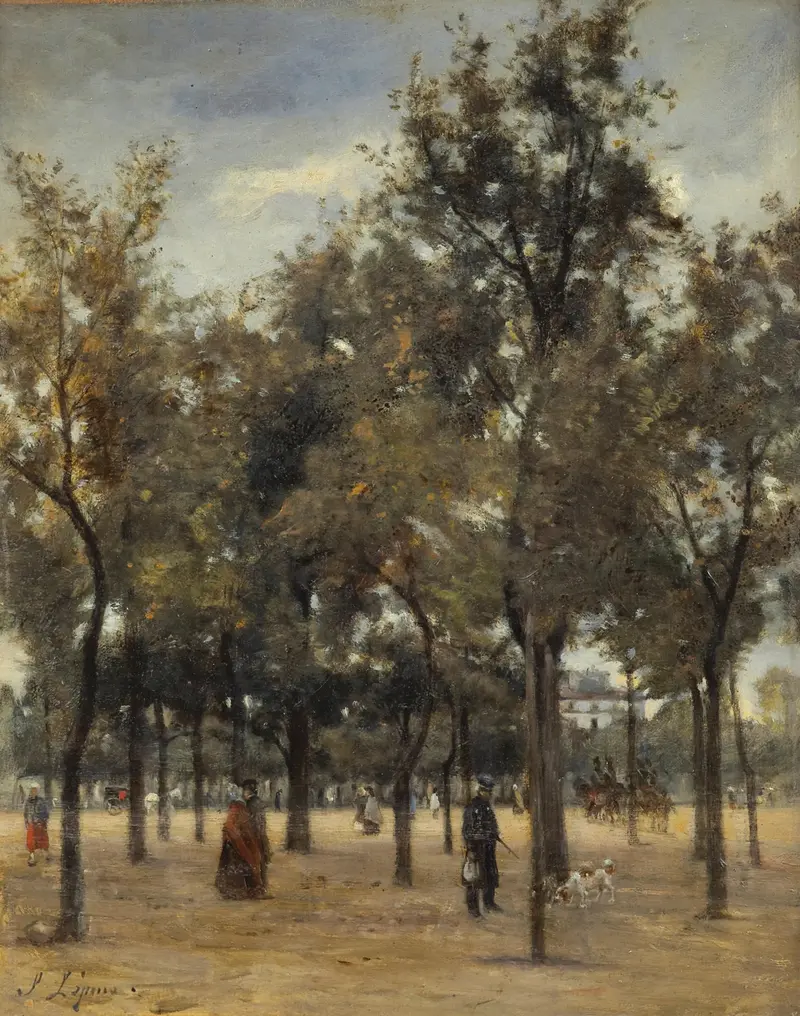
L’esplanade des Invalides
Stanislas Lépine
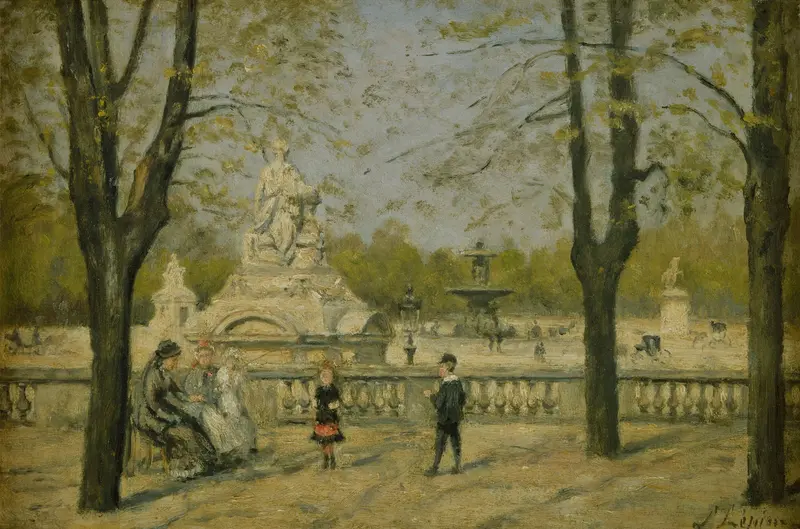
La place de la Concorde, vue de la terrasse des Tuileries
Stanislas Lépine
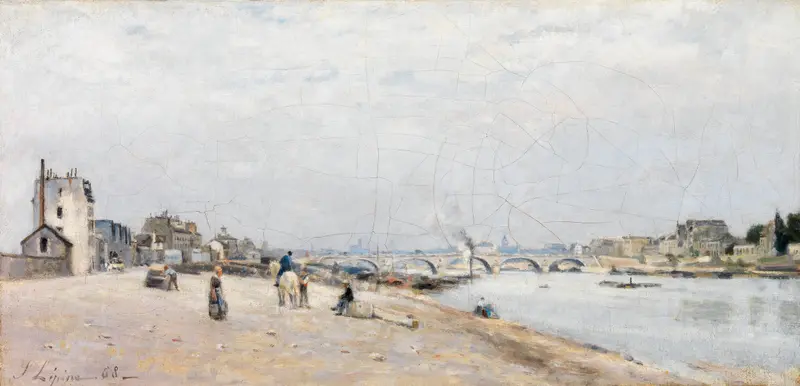
The Seine à Bercy
Stanislas Lépine
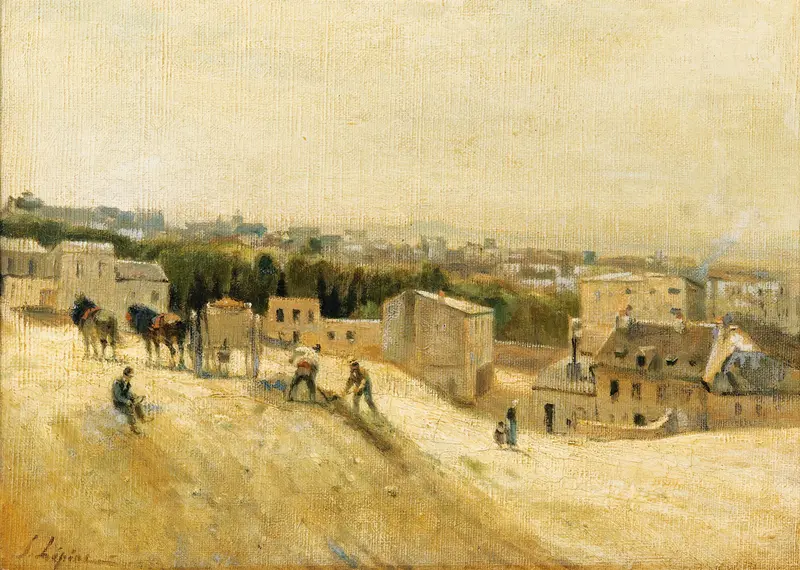
Les Terrassiers, Ancien Abreuvoir De Montmartre.
Stanislas Lépine
More Landscape Art

Starry Night
Vincent van Gogh

View of Delft
Johannes Vermeer

Water Lilies
Claude Monet

The Grand Canal, Venice, looking north-west from the Ca' Corner to the Ca' Contarini degli Scrigni, with the campanile of Santa Maria della Carità
Canaletto

Windsor Castle
Canaletto

The Grand Canal looking North-East from the Palazzo Dolfin-Manin to the Rialto Bridge
Canaletto