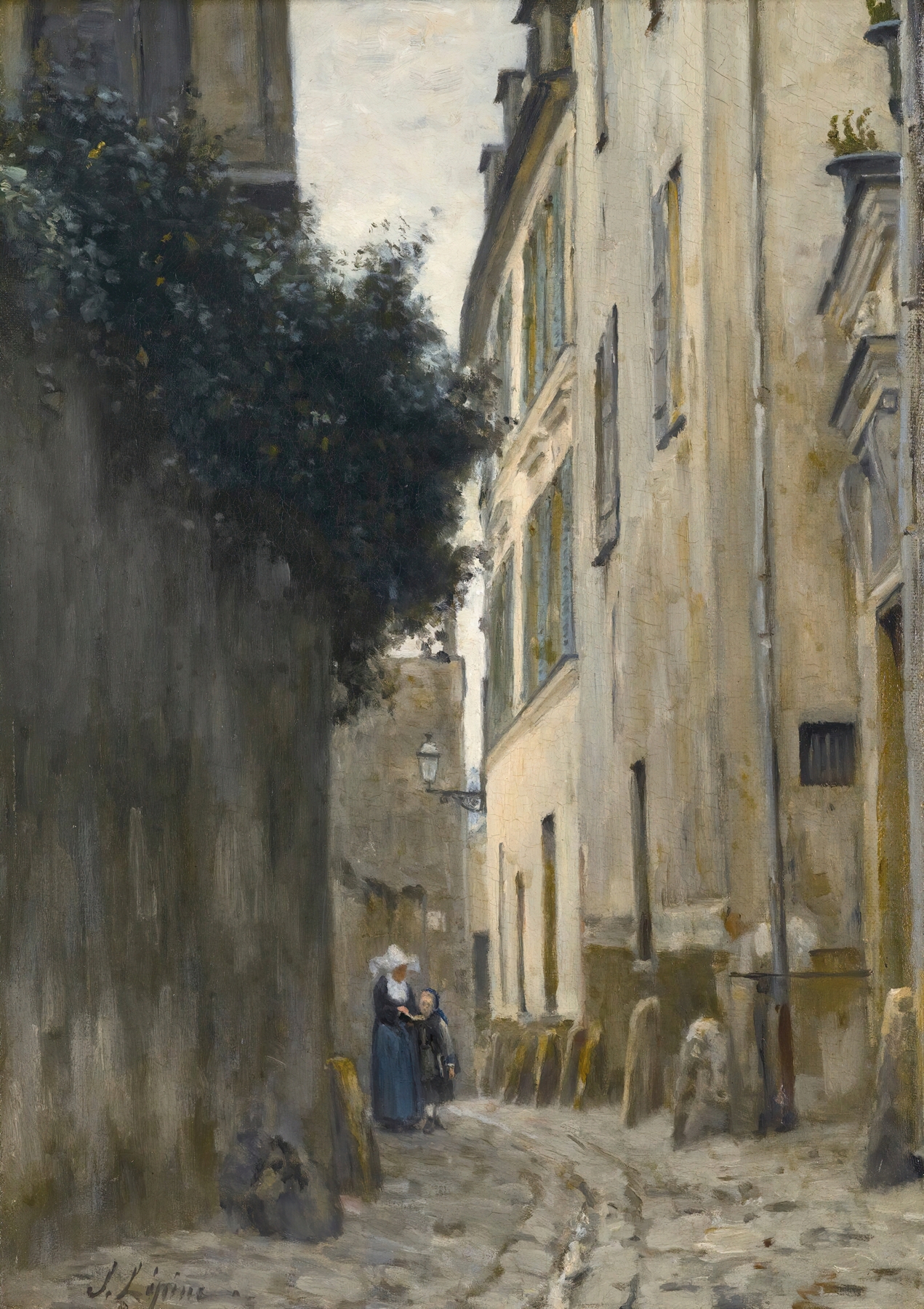
Montmartre. La Rue Saint-Vincent — History & Analysis
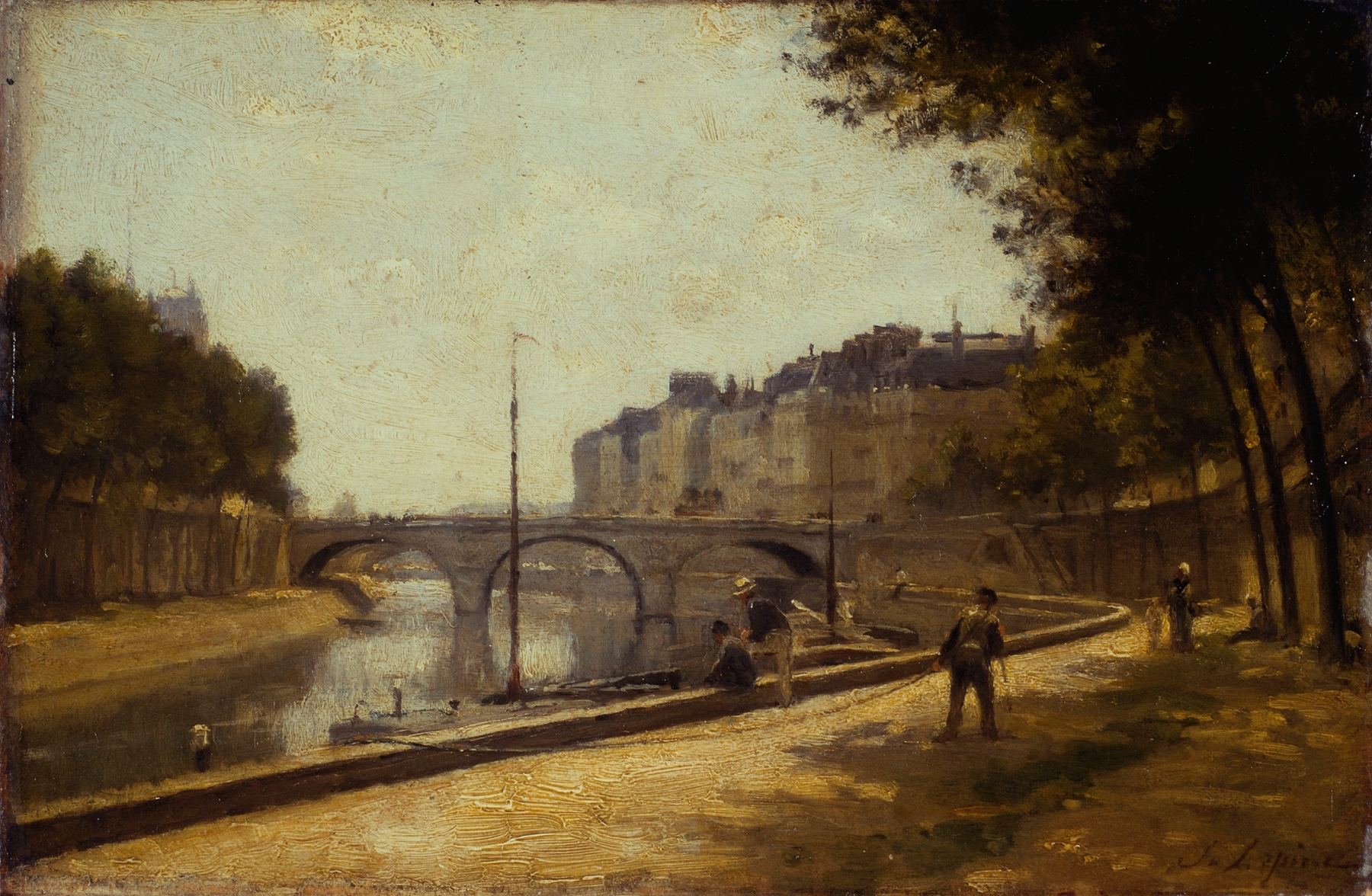
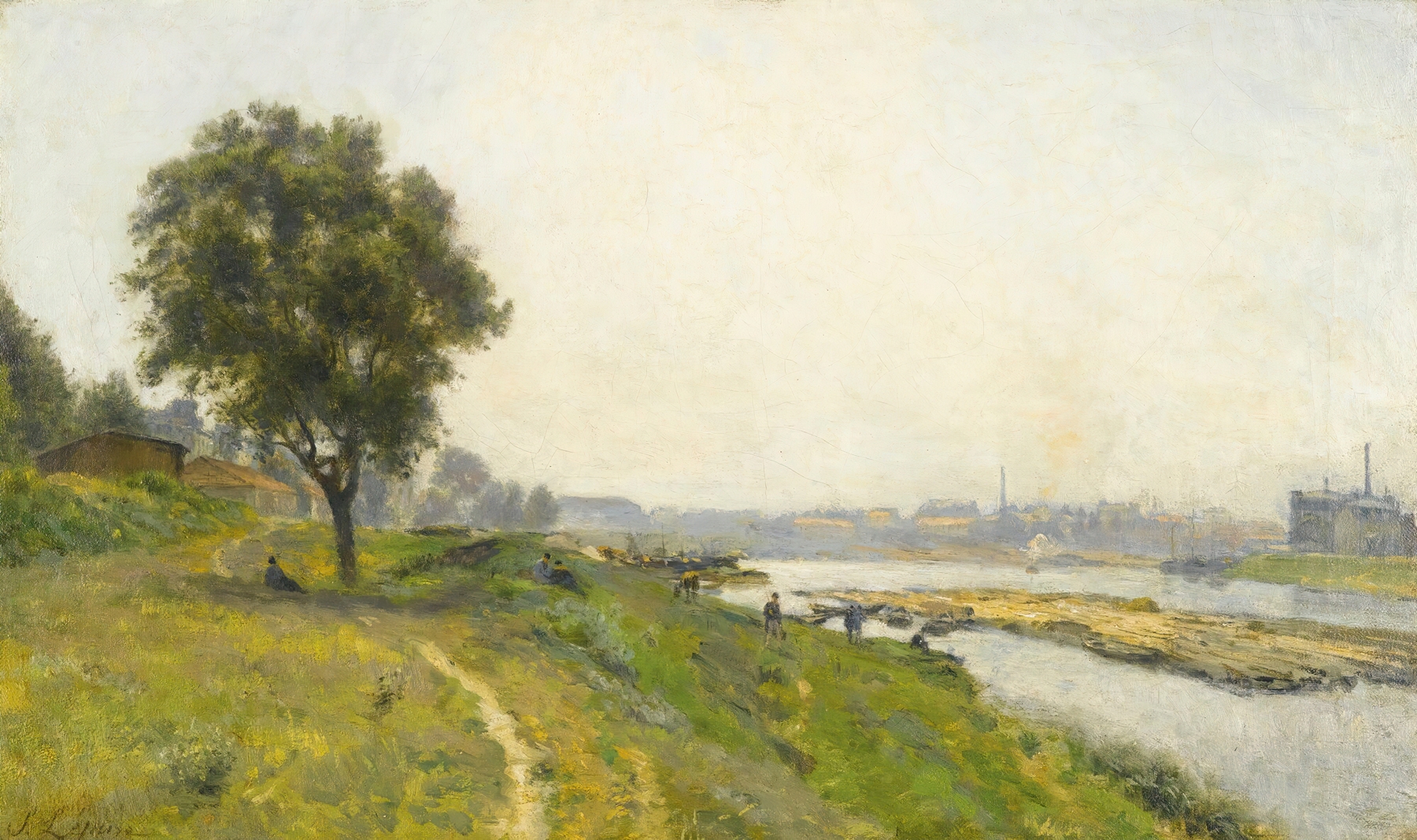
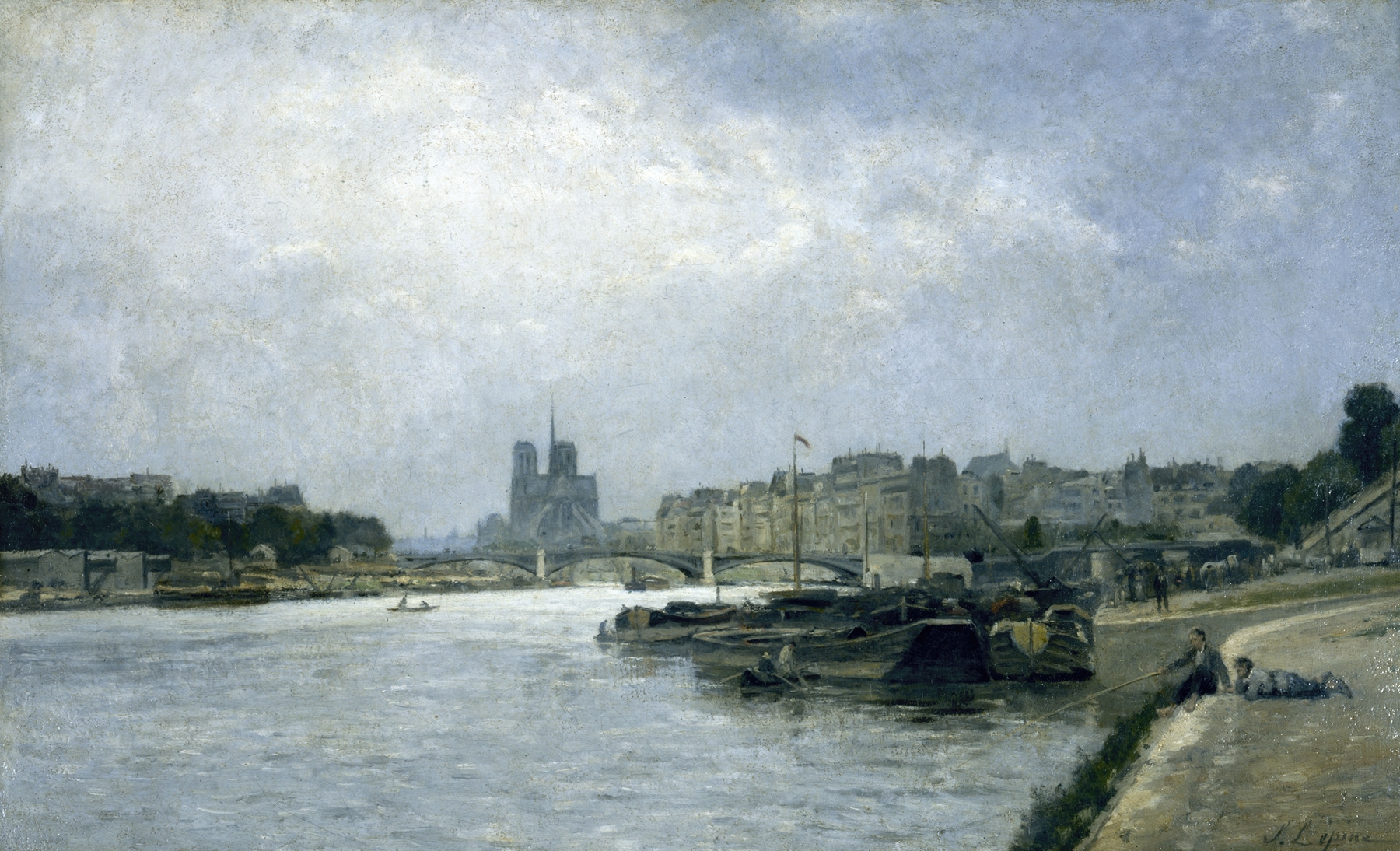
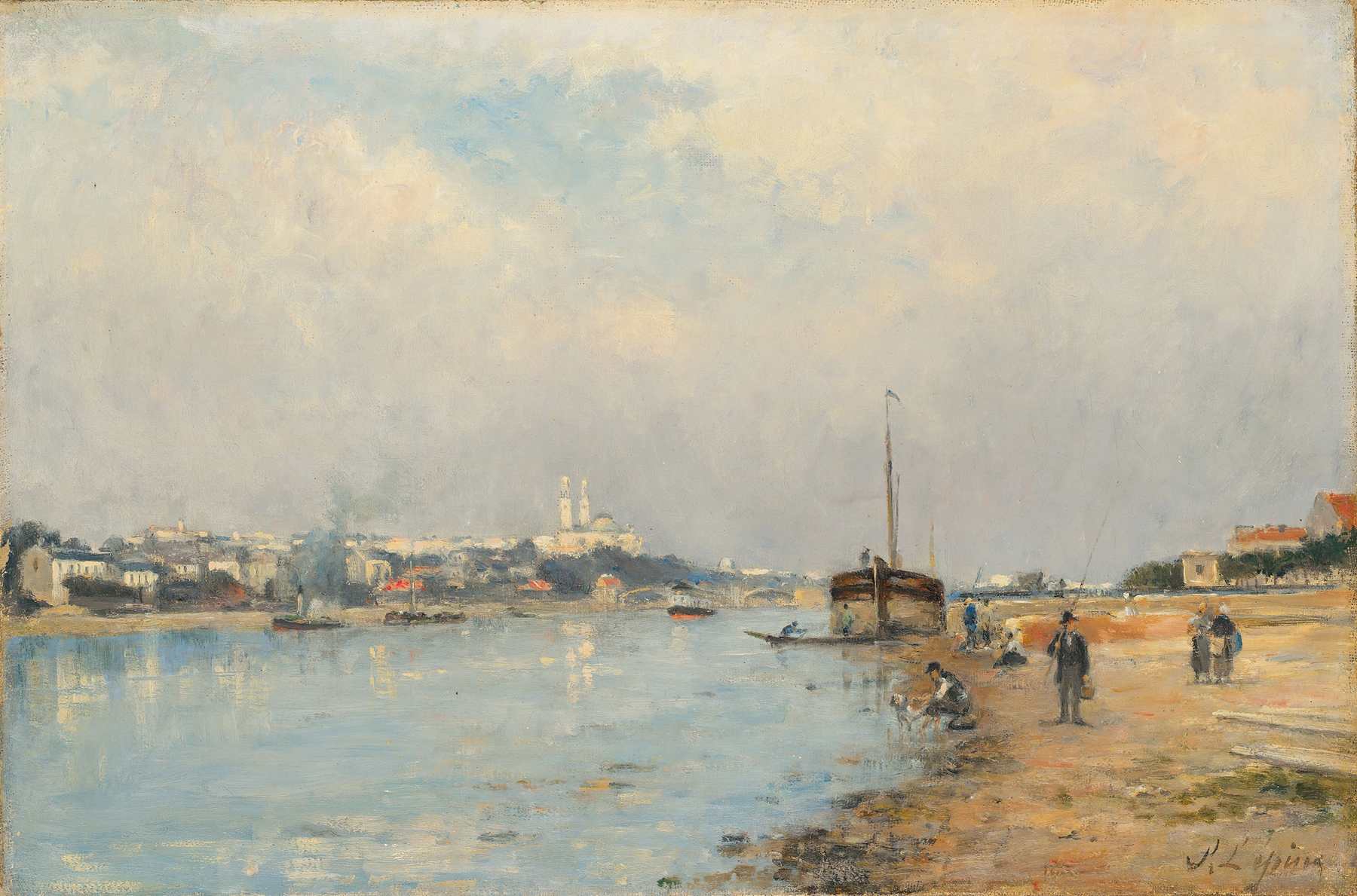
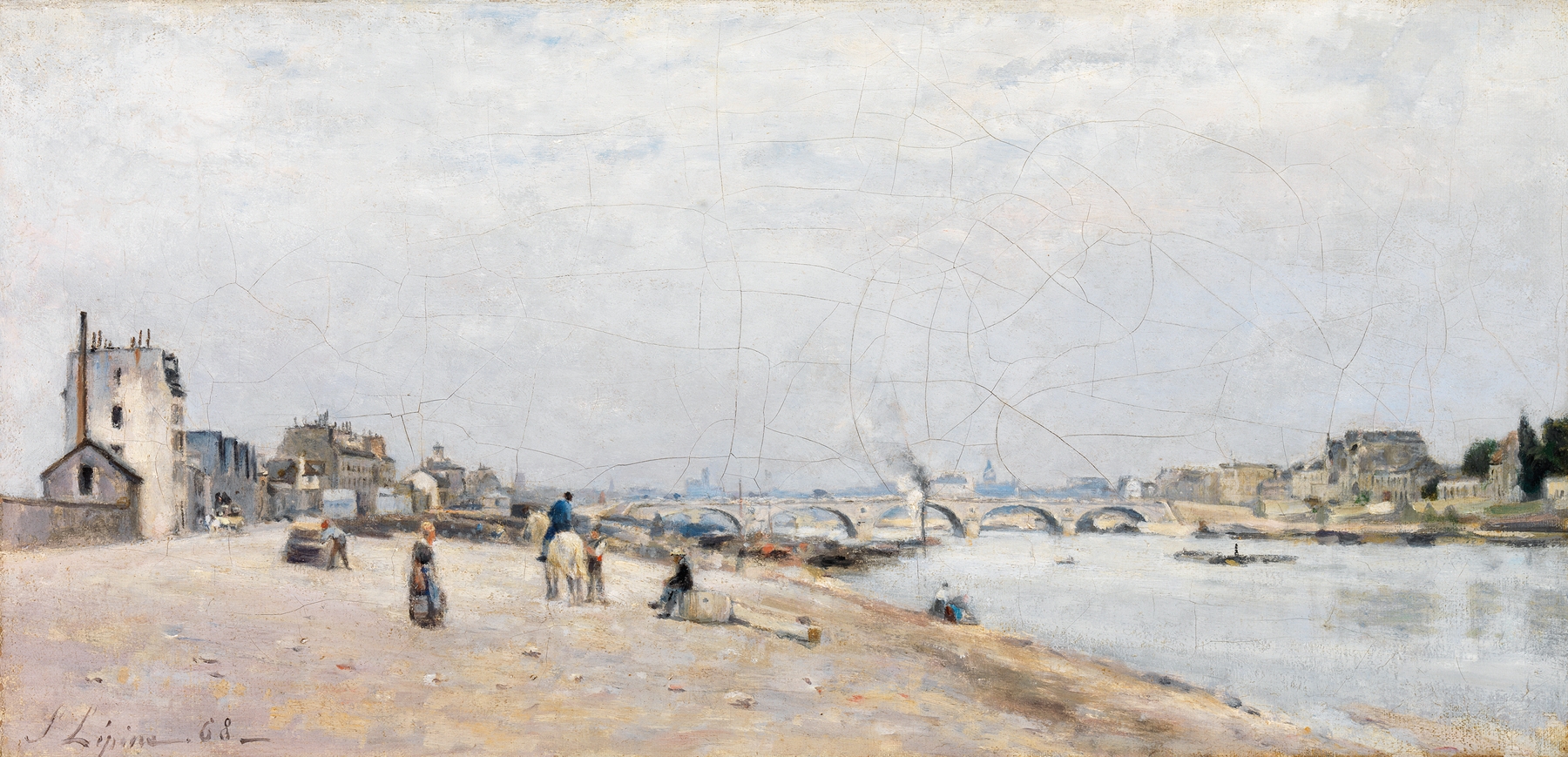
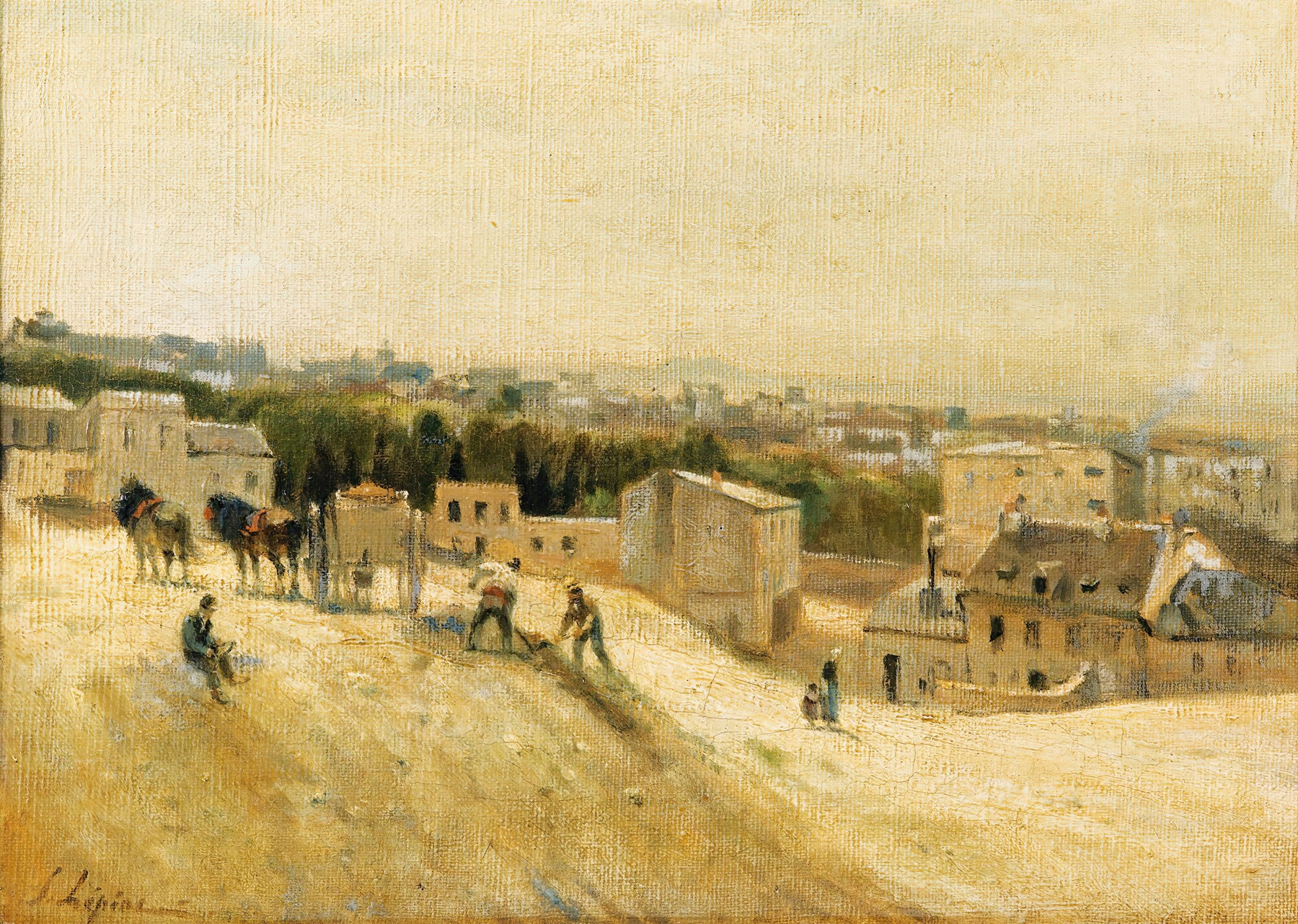
“Between color and silence, truth hides.” In this fleeting moment captured on canvas, one can sense the dance of urban life, where the vibrancy of movement intertwines with the stillness of the moment. Focus your gaze on the winding path that snakes through the heart of Montmartre, leading your eyes down the cobblestones kissed by dappled sunlight. The warm, earthy tones evoke a sense of familiarity, while the playful brushstrokes create a dynamic sense of rhythm, as if capturing the footsteps of passersby. Notice how the sky, rendered in gentle blues and whites, embraces the rooftops, and how the buildings lean slightly—a testament to the liveliness of this bustling district.
Hidden within the seemingly serene scene are layers of meaning that speak to the essence of existence. The juxtaposition of light and shadow conveys the eternal dance between joy and melancholy; the lively activity around the corner contrasts sharply with the quiet, introspective figure positioned to the side. This is not just a street; it is a stage of life, where each character may hold a story of longing or contentment, a narrative left for the viewer to unravel.
In the mid-1870s, while living in Paris, Stanislas Lépine immersed himself in the artistic vibrancy of Montmartre. At this time, the Impressionist movement was gaining momentum, and he was influenced by his contemporaries, experimenting with light and color. The piece reflects both the burgeoning artistic spirit of the era and Lépine’s own evolving style, as he sought to capture the life of the streets around him with fresh eyes.