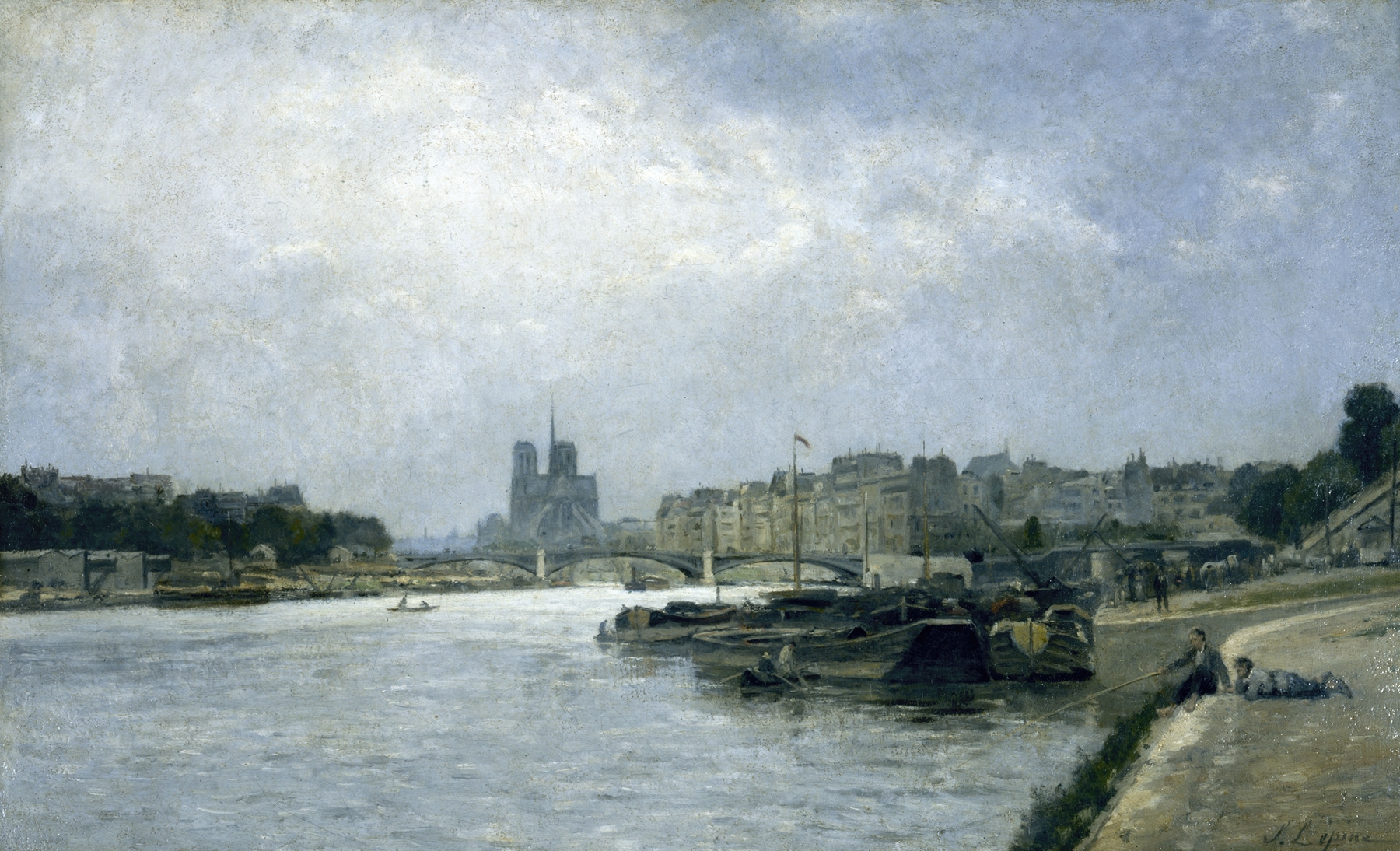
L’île de la Cité et l’île Saint-Louis, vues du pont d’Austerlitz — History & Analysis
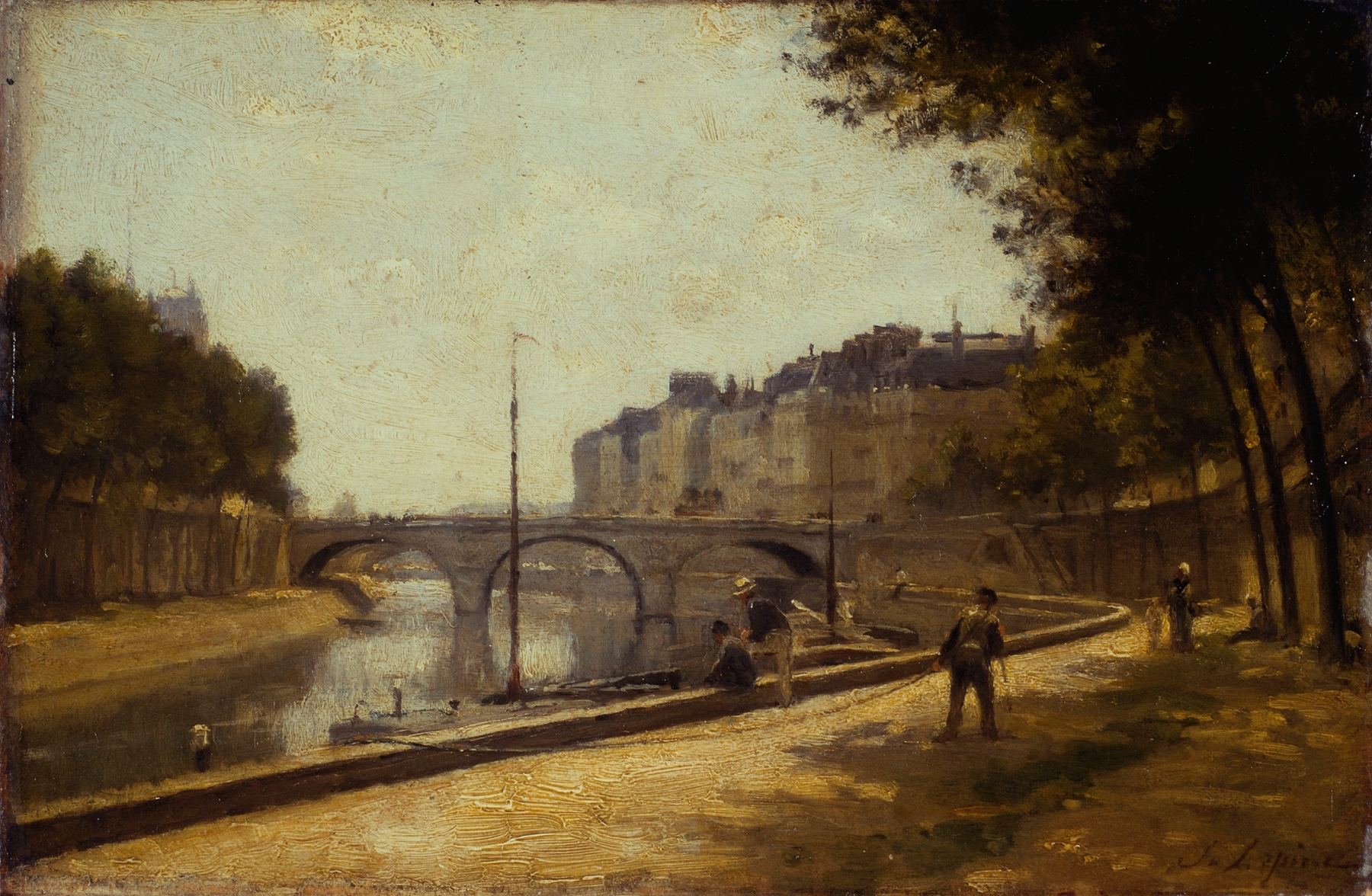
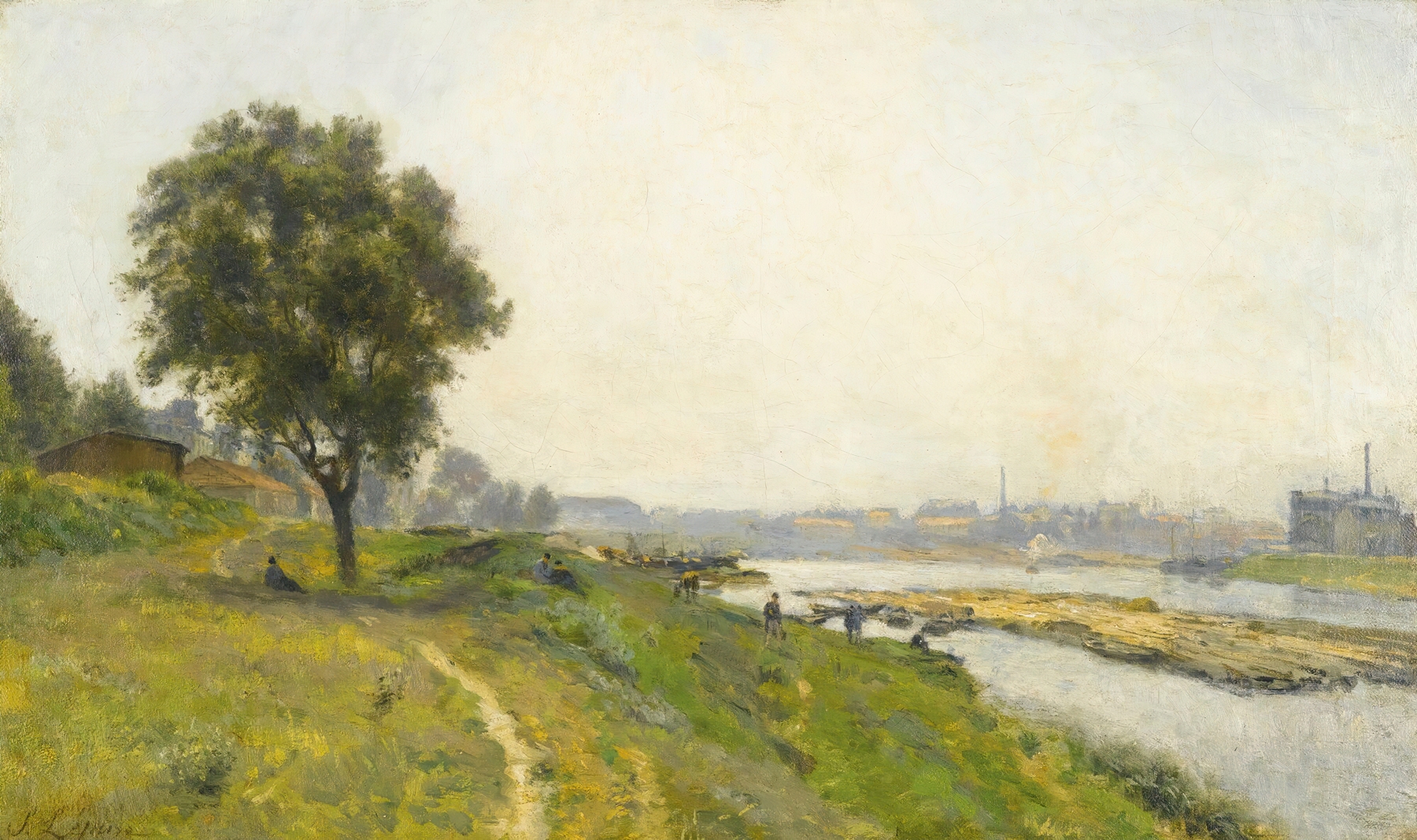
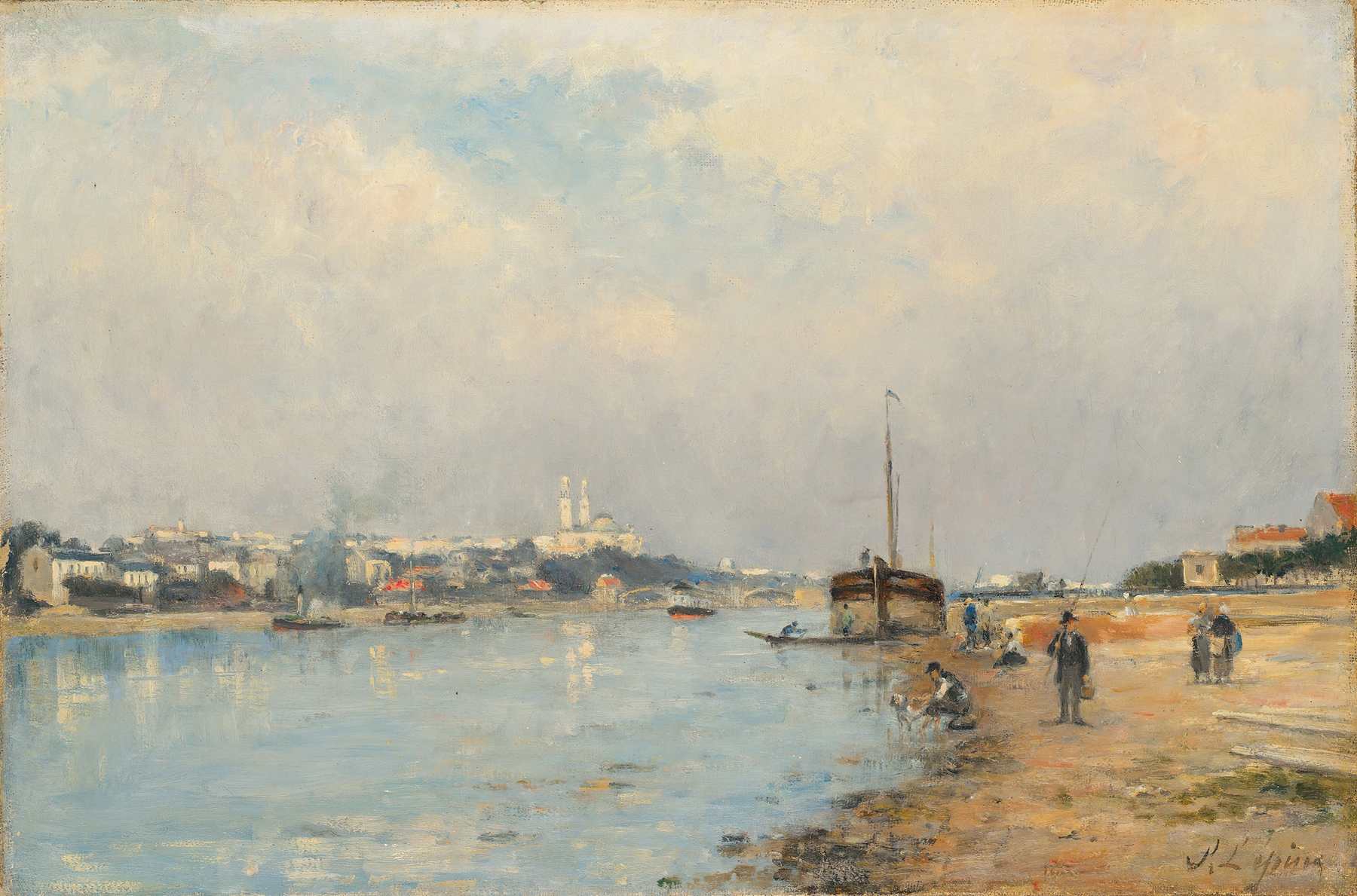
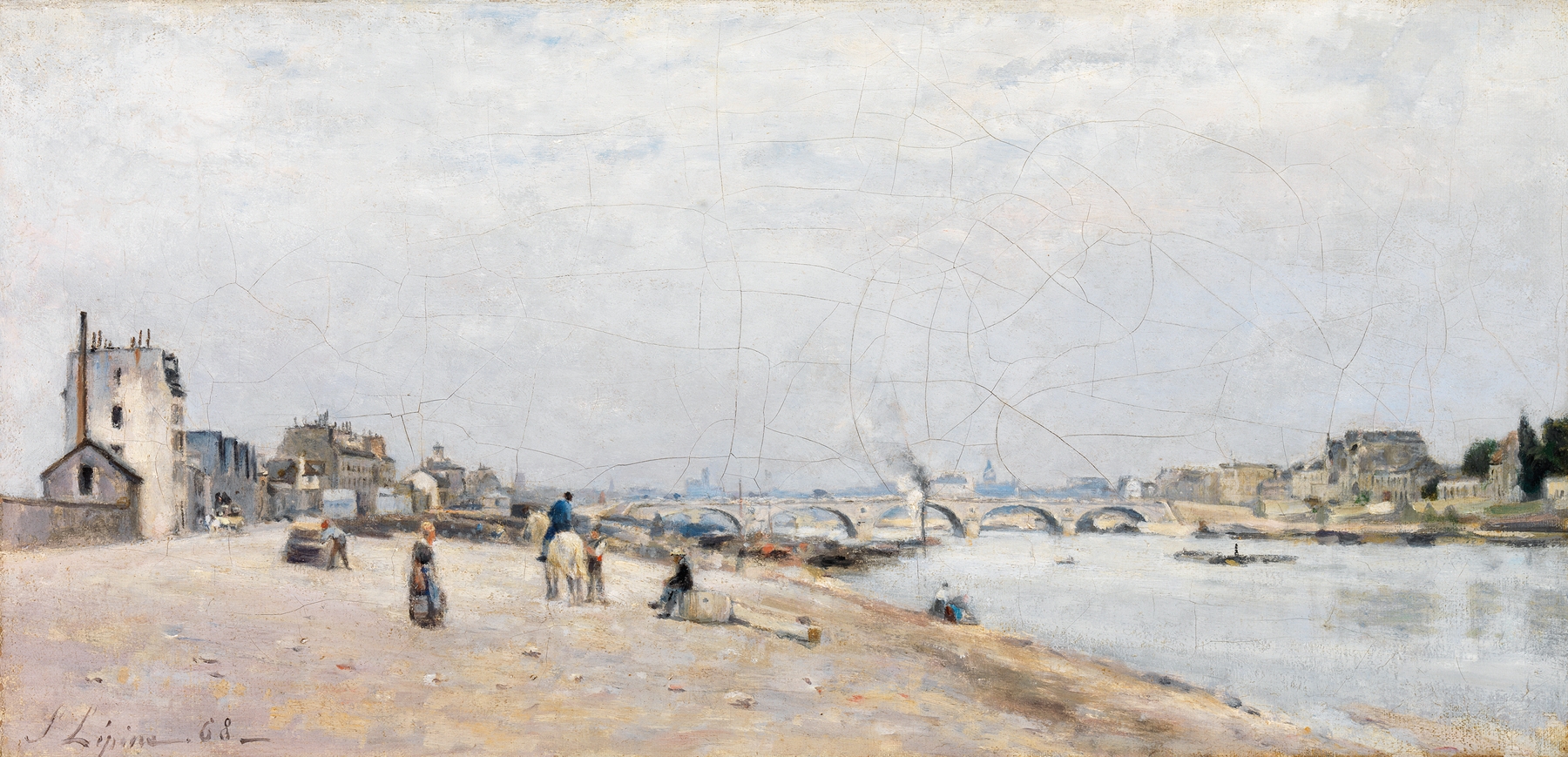
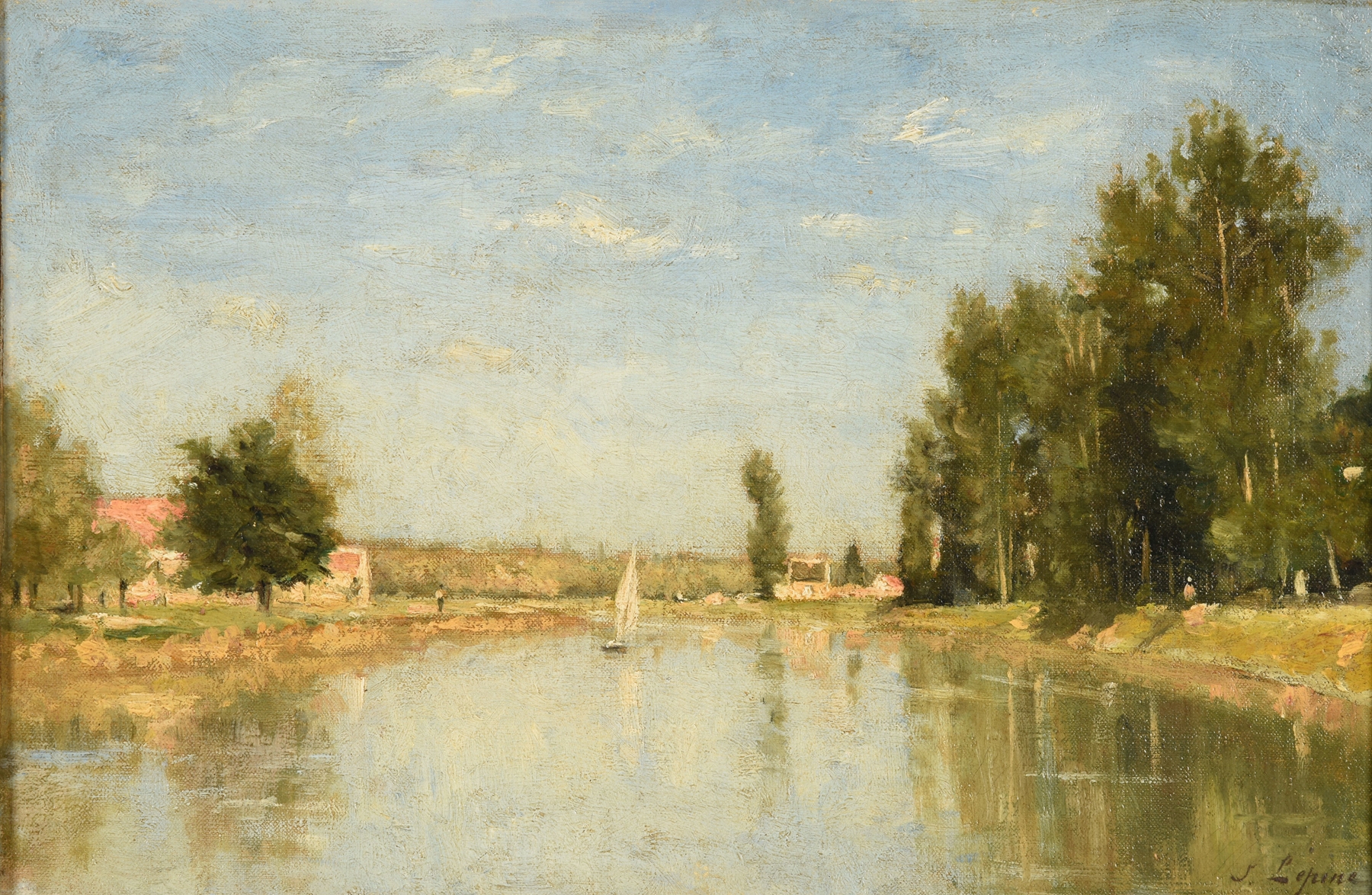
Is this a mirror — or a memory? The reflections in the water shimmer with the promise of nostalgia, beckoning us to explore the depths of hope intertwined with the past. Look to the foreground, where the tranquil Seine cradles the two islands in its embrace. The gentle ripples of the water capture the soft hues of the sky, blending blues and oranges in a harmonious tapestry. Notice how Lépine expertly uses light to delineate the delicate architecture of the buildings on the islands, their facades glowing like artifacts of a cherished memory under the warm sunlight.
The bridge, a boldly anchored presence, invites the viewer into a deeper contemplation of the scene. As your gaze wanders, you might sense an undercurrent of longing woven through the tranquil setting. The juxtaposition of the serene water and the sturdy bridge reflects a tension between stability and the fluid nature of time. Each ripple seems to whisper stories of lives once lived on those islands, while the sunlight speaks of a hopeful future yet to unfold.
The palette mirrors the emotional resonance of reflections — a blend of warmth and melancholy that resonates with our innate desire for connection. In 1880, Lépine created this poignant piece amid a Paris vibrant with artistic innovation and personal upheaval. Navigating the waning influence of the Barbizon School while experimenting with Impressionistic techniques, he was in a period of remarkable artistic exploration. The world around him was shifting, much like the waters of the Seine, and this artwork stands as a testament to his ability to capture both the fleeting essence of life and the permanence of memory.